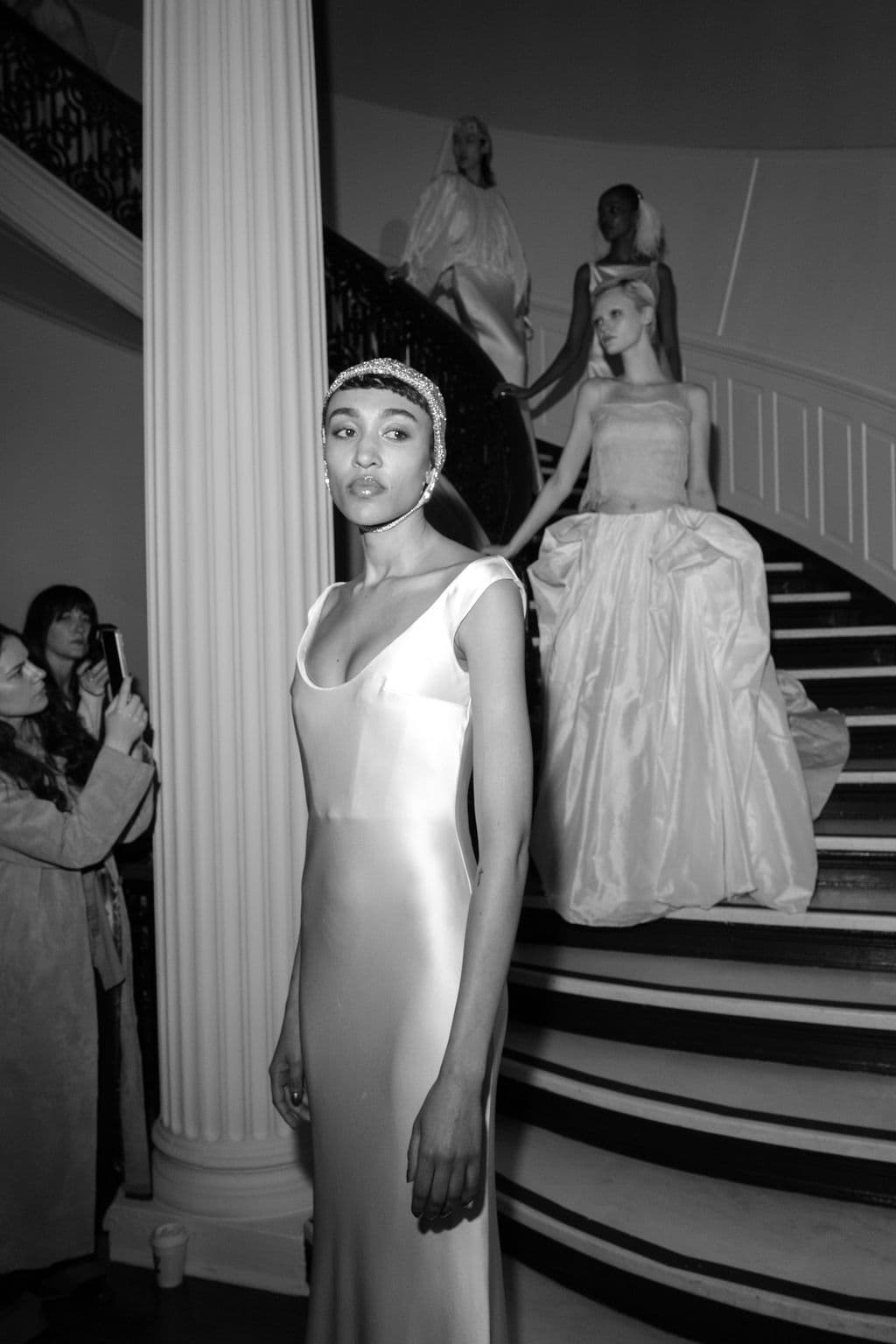
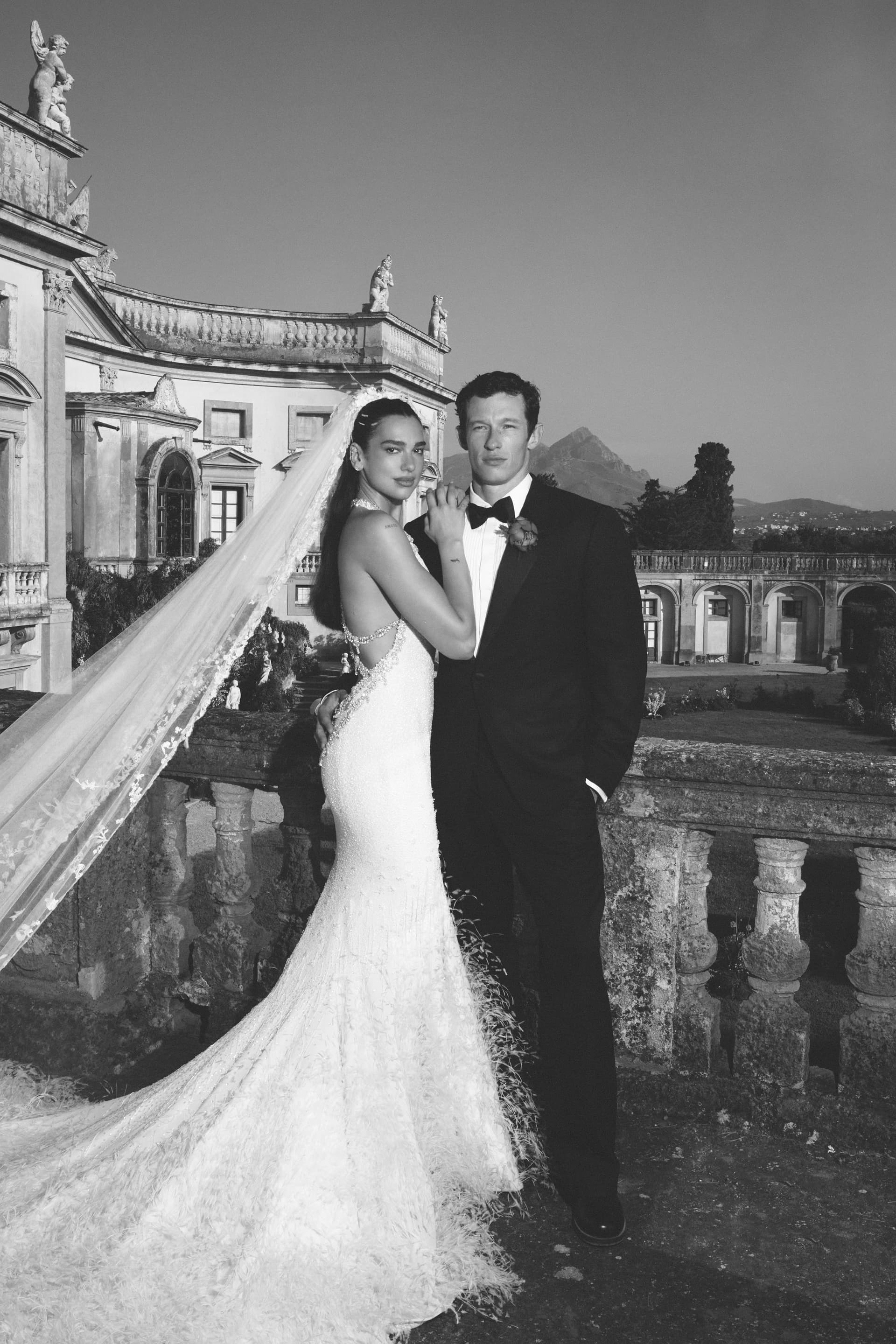
Tea-Length Wedding Dresses Bring Modern Style and Easy Rewear Appeal
Short wedding dresses are the move when you want ease, movement, and a dress you can wear again. Tea-length hits the sweet spot between polished and practical.
Why short is having a real bridal moment
If the floor-length gown feels like overkill, you are not imagining it. Short wedding dresses, especially tea-length and mini silhouettes, have moved from cute alternative to a very legitimate bridal answer, because they solve the exact problems modern weddings keep throwing at you: weather, movement, venue rules, and the very real desire to wear the dress again.
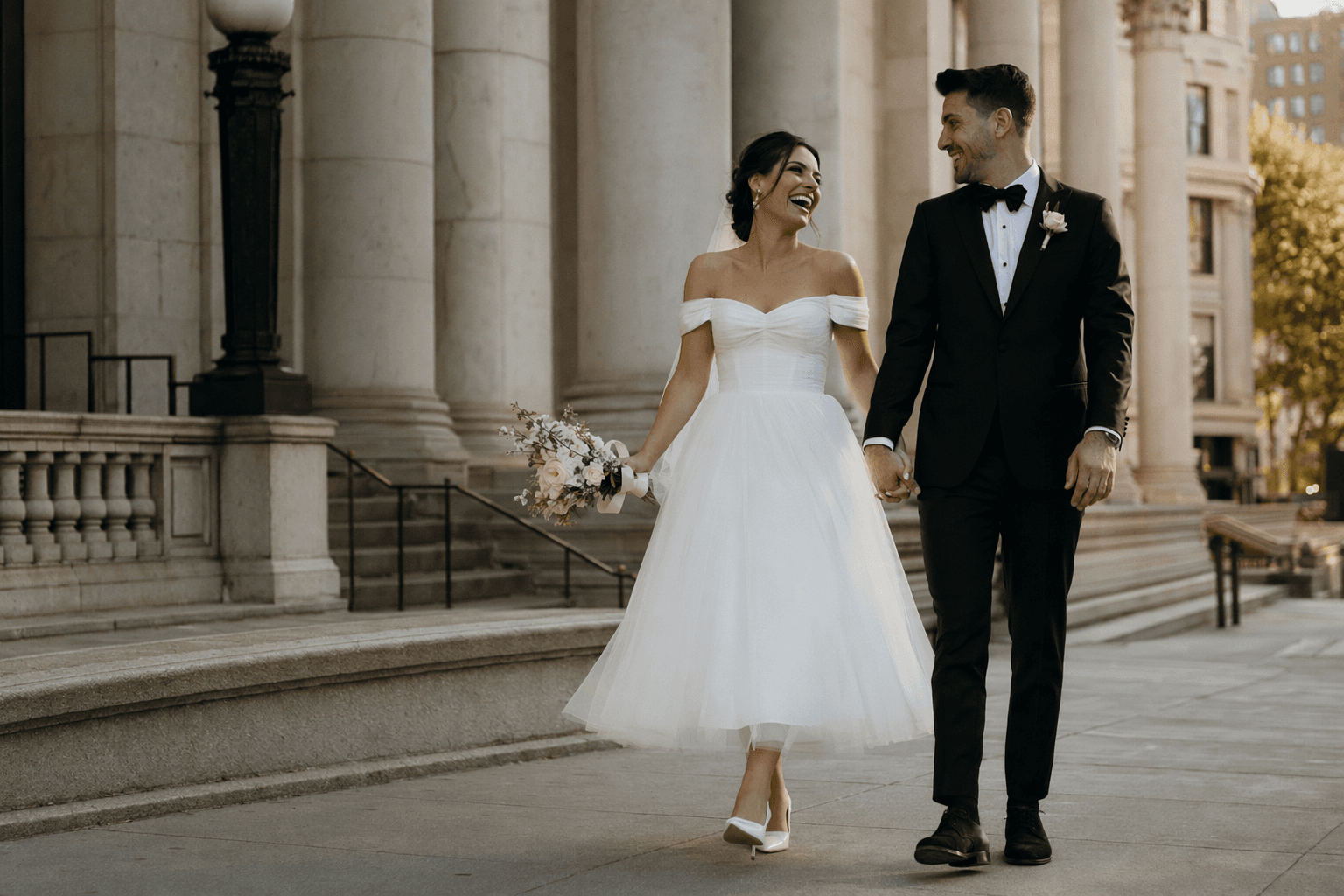
Tea-length is the sweet spot here. It usually falls somewhere between the knee and the ankle, which gives you more polish than a mini and more freedom than a sweeping hem. The look has old-school charm without looking costume-y, and that is part of the draw. The Knot ties tea-length to Audrey Hepburn and Old Hollywood, and that reference still lands because the silhouette has been beloved for decades. It is a dress shape that knows how to be elegant without acting precious.
The timing also makes sense. Shorter hemlines and sleek silhouettes were a major bridal runway trend for 2023-24, which tells you this is not just practical thinking dressed up as style. Designers kept pushing cleaner lines, sharper proportions, and hems that showed some leg, because brides are looking for clothes that feel modern first and ceremonial second.
When a short hemline actually makes more sense
Not every wedding calls for a full-length gown dragging through the day. Short dresses are especially good for outdoor weddings, beach ceremonies, courthouse vows, and other casual settings, where the vibe is relaxed and the setting does not need a cathedral-length skirt to make it feel special. A tea-length dress on the Oregon coast makes instant sense. A giant train in the sand does not.
That same logic applies to city hall, destination weddings, and dance-heavy receptions. If you are moving from vows to dinner to a crowded dance floor, a shorter hemline keeps the night from turning into a fabric management exercise. You can actually walk, sit, climb stairs, and dance without gathering your dress in your hands every five minutes. That freedom is the whole point.
Mini dresses are the boldest version of this idea. They are best when the wedding is intimate, fashion-forward, or clearly not asking for tradition in its most formal form. Tea-length is the slightly safer, more versatile sibling. It gives you shoe visibility, movement, and enough structure to still read as bridal, which is why it works so well for brides who want a modern edge without going fully party-girl.
How to think about proportion, formality, and shoes
The key question is not just whether you like a shorter dress. It is whether the silhouette works with your body, your venue, and the mood of the day. Tea-length is especially flattering when you want to highlight the narrowest part of the leg or show off a strong waistline. Because the hem stops between the knee and the ankle, it can lengthen the look of the leg when paired with a pointed toe or a clean heel.
Mini dresses change the balance more dramatically. They pull the eye upward, which can feel fresh and playful, but they also make shoe choice non-negotiable because your feet are part of the outfit. If you have a pair of heirloom heels, satin slingbacks, sculptural sandals, or even embellished flats you actually want photographed, short hemlines make them part of the story instead of hiding them under layers of tulle.
Formality matters too. A tea-length dress can still look refined enough for a courthouse ceremony or a polished city wedding, while a mini usually reads best when the setting is already relaxed or fashion-driven. The more minimal the venue, the more a short dress feels intentional rather than underdressed. That is the trick: the dress should match the energy, not fight it.
The rewear argument is not just practical, it is smart
This is where short wedding dresses really win. The Knot says shortening a dress is one of the easiest ways to make it more wearable after the wedding, and that tracks. A hem that is already tea-length or mini is easier to rework into rehearsal dinner, shower, or second-reception territory, instead of living forever in a garment bag.
That matters when the average wedding dress cost in 2023 was about $2,000 and alterations typically ran another $700 to $1,000. Once you are already investing that much, rewear potential stops being a cute bonus and starts looking like common sense. A shorter dress can reduce the need for major hemming work, and it can make the second life of the garment feel natural instead of forced.
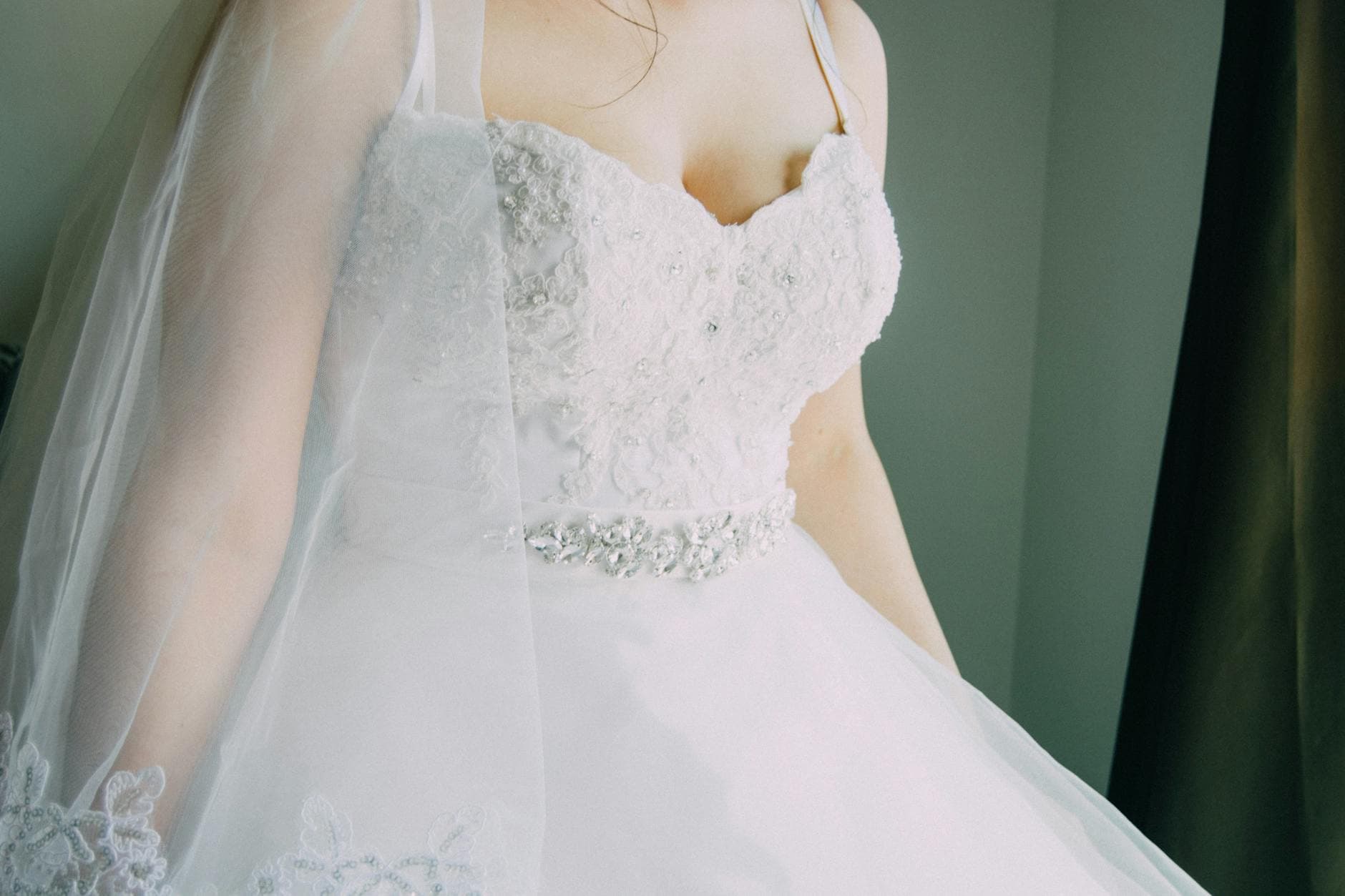
The sustainability angle is real too. Brides are increasingly repurposing their dresses for rehearsals, showers, and second celebrations, which cuts down on the waste that often comes with bridal fashion. A dress that works again after the wedding is not just easier on the budget. It is easier on the closet, too.
What brides are actually looking at online
A lot of this shift is being fed by how brides shop now. The Knot’s 2024 Attire & Fashion Study found that 58% of brides said Instagram was the most helpful social media platform during their attire search. That is a huge number, and it explains why short dresses keep circulating so fast. A tea-length hem, a clean pair of heels, and a crisp modern silhouette read instantly on a screen.
That visual pull matters because short dresses photograph like styling, not just bridalwear. You see the shoes. You see the movement. You see the leg line and the shape of the skirt. In a feed full of modern brides, that kind of clarity is powerful. It is also why the look feels especially current right now, even though the tea-length shape has been around long enough to feel reassuring rather than experimental.
The verdict on going short
Go short when you want the dress to work with your life, not just your aisle moment. Choose tea-length if you want the easiest blend of polish, comfort, and rewear potential. Choose a mini if the wedding is casual, the styling is sharp, and you want the dress to feel more like a fashion move than a traditional bridal statement.
The best short bridal looks are not trying to replace the long gown for everyone. They are giving brides a smarter option for the right kind of day: easier to move in, easier to style, easier to wear again, and much harder to forget.
This article was produced by Prism’s automated news system from verified source data, official records, and press releases, then run through automated quality and moderation checks before publishing. The system is built and supervised by the people who set the standards it runs under. Read our full AI policy.
Did this article answer your question?