Euphoria’s Bloody Wedding Scene Sets a Maximalist Gen Z Bridal Mood Board
Euphoria turns Cassie’s wedding into a bridal cheat sheet for oversized bows, bold headwear and hyper-styled coordination, with a floral bill that makes the fantasy feel real.

The fantasy is the point
Jackson Wiederhoeft did not build Cassie’s wedding look to be demure. He built it to be, in his own words, “the biggest and the best,” and the result is a gown that feels less like a costume than a couture provocation, all tension, volume and dangerous polish. In Season 3, Episode 3, the bridal scene becomes a maximalist fever dream, but the fashion lesson is surprisingly practical: the most memorable wedding looks still start with a single, unmistakable idea.
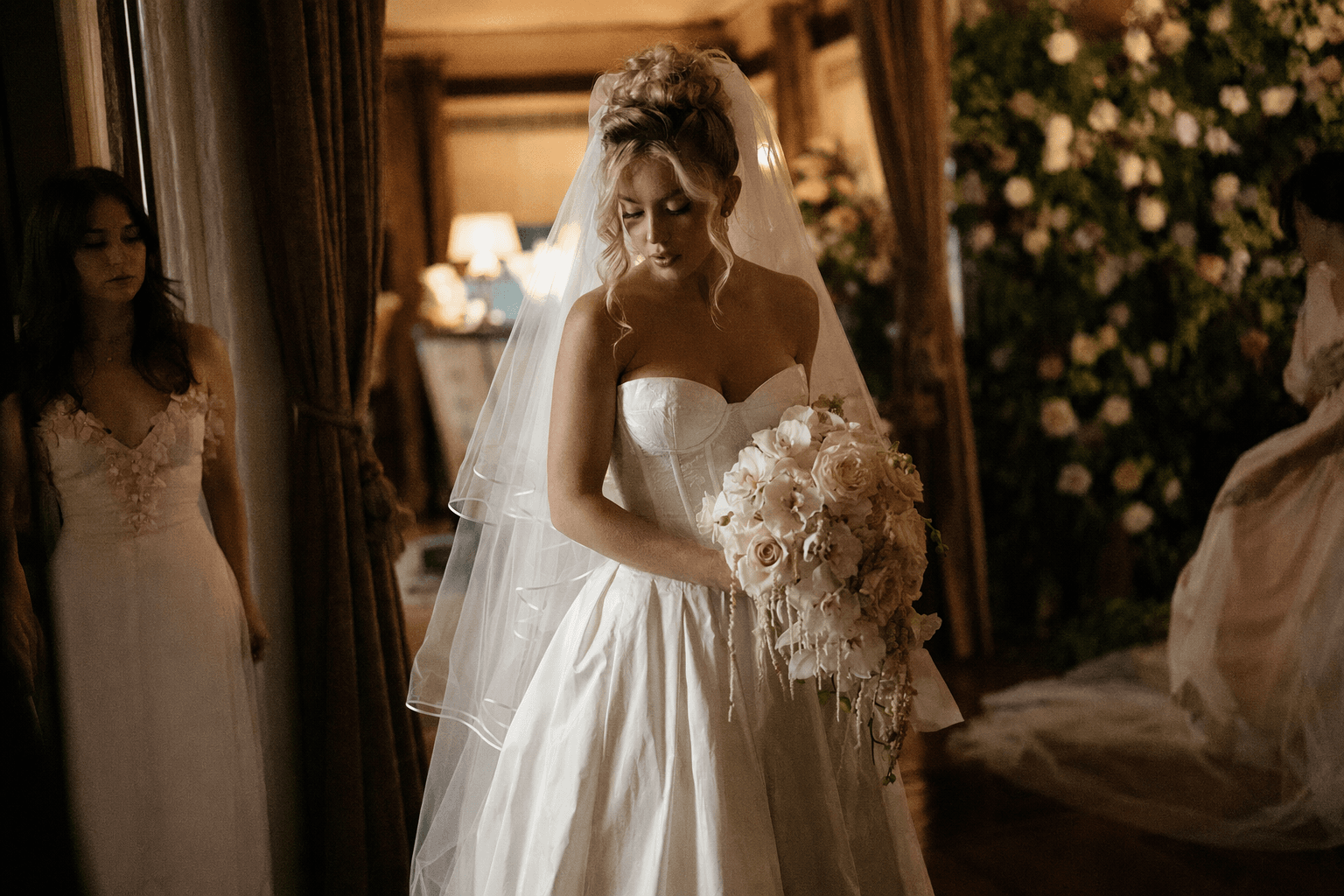
That idea is scale. More than 25,000 real flowers, a floral budget described as “considerably more” than $50,000, and a custom-built gown refined through multiple iterations all point to the same conclusion. This was not a wedding dressed up for the camera. It was a full visual argument for excess, where every petal, seam and silhouette was pushed until it registered as a statement.
Why the dress reads as fashion, not just TV
The dress matters because it behaves like a real bridal object, even inside a stylized, blood-soaked spectacle. InStyle reported that Natasha Newman-Thomas and the costume team worked through repeated rehearsal mishaps caused by the plunging neckline, then chose to embrace them rather than pin the bodice into submission. That detail tells you everything about the dress’s personality. It was meant to look effortless, but it was engineered to flirt with risk.
That tension is what makes the look feel current. The bodice is dramatic, the neckline is fearless, and the overall effect is seductive without softening the drama. Add the borrowed Harry Winston ring and the custom corsetry noted in coverage from Vulture, and the whole look becomes a study in bridal intensity, the kind that makes a bride look like the center of her own myth.
The details Gen Z brides can actually wear
The most useful takeaway from the scene is not the blood, the chaos or the production scale. It is the styling language: oversized bows, coordinated décor and unapologetically feminine drama. Those are the details that translate, especially if you think of them as one hero move rather than a full fantasy package.
- Oversized bows work best when they are placed with intent. A bow at the back of the gown, on the shoulder of a reception dress or at the waist of a minimalist silhouette gives you the same visual punch without overwhelming the rest of the look.
- Hyper-coordinated color stories feel modern when they are disciplined. The drapes of the wedding décor echoing the pink Nana Jacqueline bow dresses is the kind of detail that makes a wedding feel edited, not accidental. You do not need every surface to match, but you do need one strong palette.
- Dramatic femininity is the real throughline. The scene leans into curve, shine, softness and spectacle at once. In real life, that can mean a corseted bodice, a sculptural skirt or a headpiece that does the work of an entire jewelry look.
What is inspiration only
The blood-soaked part of the scene belongs to television, not your planner. So do the 25,000 flowers and the floral bill that climbs well beyond $50,000. Those numbers are useful because they show how far the production went to create the mood, but they are not the template for a wedding that needs to survive a dance floor, a budget meeting and a seven-hour photographer timeline.
Even the most fashion-forward brides should treat this episode as a styling reference, not a literal blueprint. The gown’s repeated rehearsal mishaps, the borrowed ring and the all-consuming set dressing are there to intensify the narrative. In a real wedding, the smarter move is to steal the attitude and edit the scale.
Why this lands right now
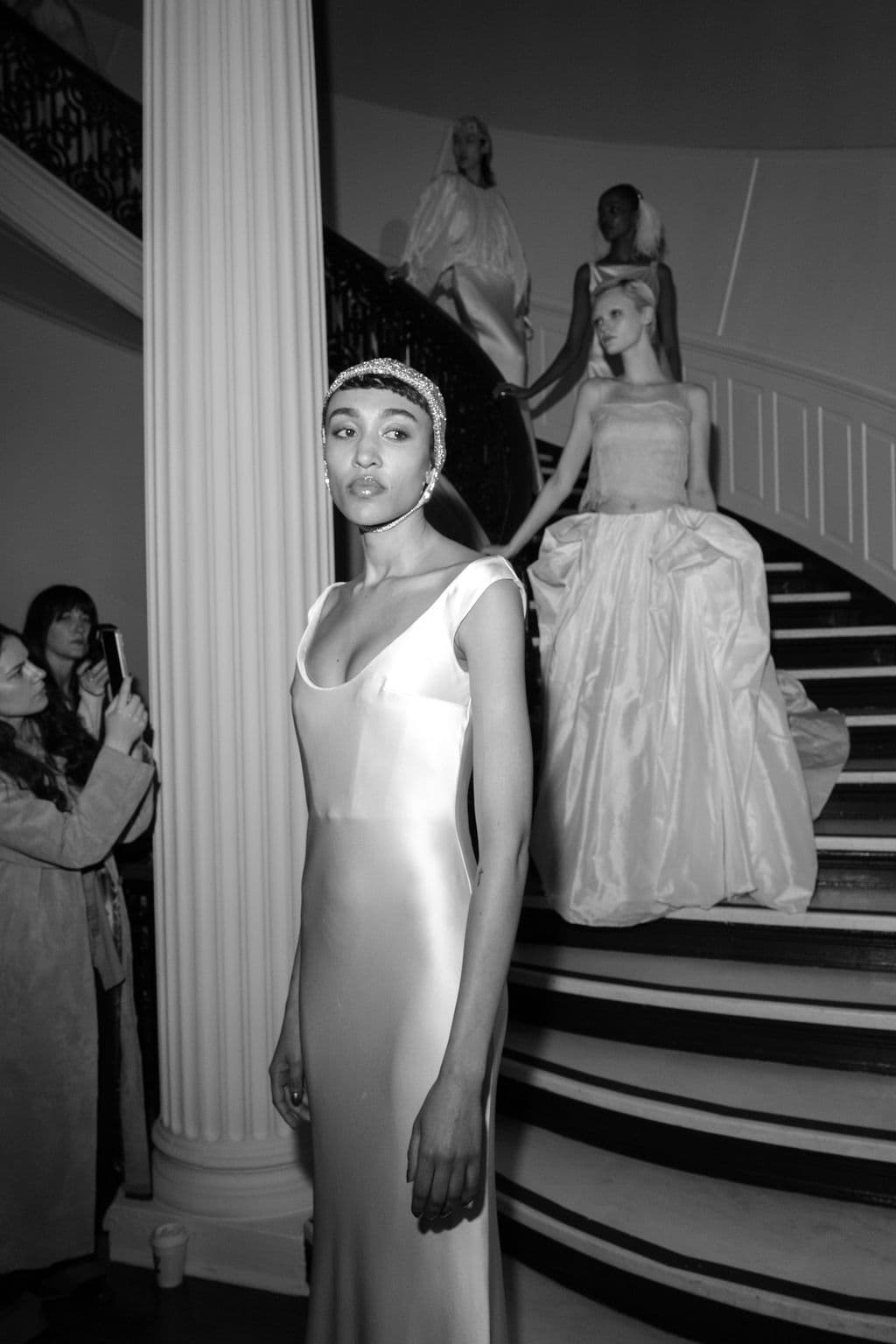
This scene arrives exactly when bridal fashion is already drifting toward personality-first styling. Pinterest’s 2026 Wedding Trends report points to a wave of modern, personal celebrations, with bold bridal headwear such as crowns, caps and cool-girl veils taking the place of one-note tradition. That shift matters because it confirms what the episode is tapping into: brides want a look that feels specific, not generic.
The Knot makes a similar point from the industry side, saying New York Bridal Fashion Week remains the key pipeline for what appears in bridal salons nationwide. In other words, the silhouettes and accessories that feel theatrical on screen are often the same ones that become commercially relevant once editors and buyers decide what brides will actually be able to order. Euphoria is not inventing the trend so much as accelerating it.
How to translate the mood at any budget
The smartest way to wear this look is to choose one anchor and let everything else support it. If the bow is the headline, keep the dress cleaner. If the headwear is the statement, let the silhouette stay pared back. That balance is what turns a pop-cultural image into a real bridal choice.
- Under $250: look for a satin bow clip, a dramatic ribbon tie or a veil with a stronger edge. These pieces give you the same Gen Z wink without requiring a custom gown.
- Mid-range: a detachable bow, a structured corset bodice or a veil with more volume can make a simple dress feel far more editorial. This is also where cool-girl veils and sculptural headpieces earn their keep.
- Luxury: custom iterations, couture corsetry and a gown built around proportion rather than ornament are what make the look feel complete. This is where Jackson Wiederhoeft’s “biggest and the best” philosophy really lives.
The reason the scene is already being treated like a viral bridal reference point for summer 2026 is simple: it understands that modern wedding style is no longer about restraint for its own sake. It is about choosing the one unforgettable detail that tells the whole story, then letting the rest of the look fall beautifully into line.
This article was produced by Prism’s automated news system from verified source data, official records, and press releases, then run through automated quality and moderation checks before publishing. The system is built and supervised by the people who set the standards it runs under. Read our full AI policy.
Did this article answer your question?