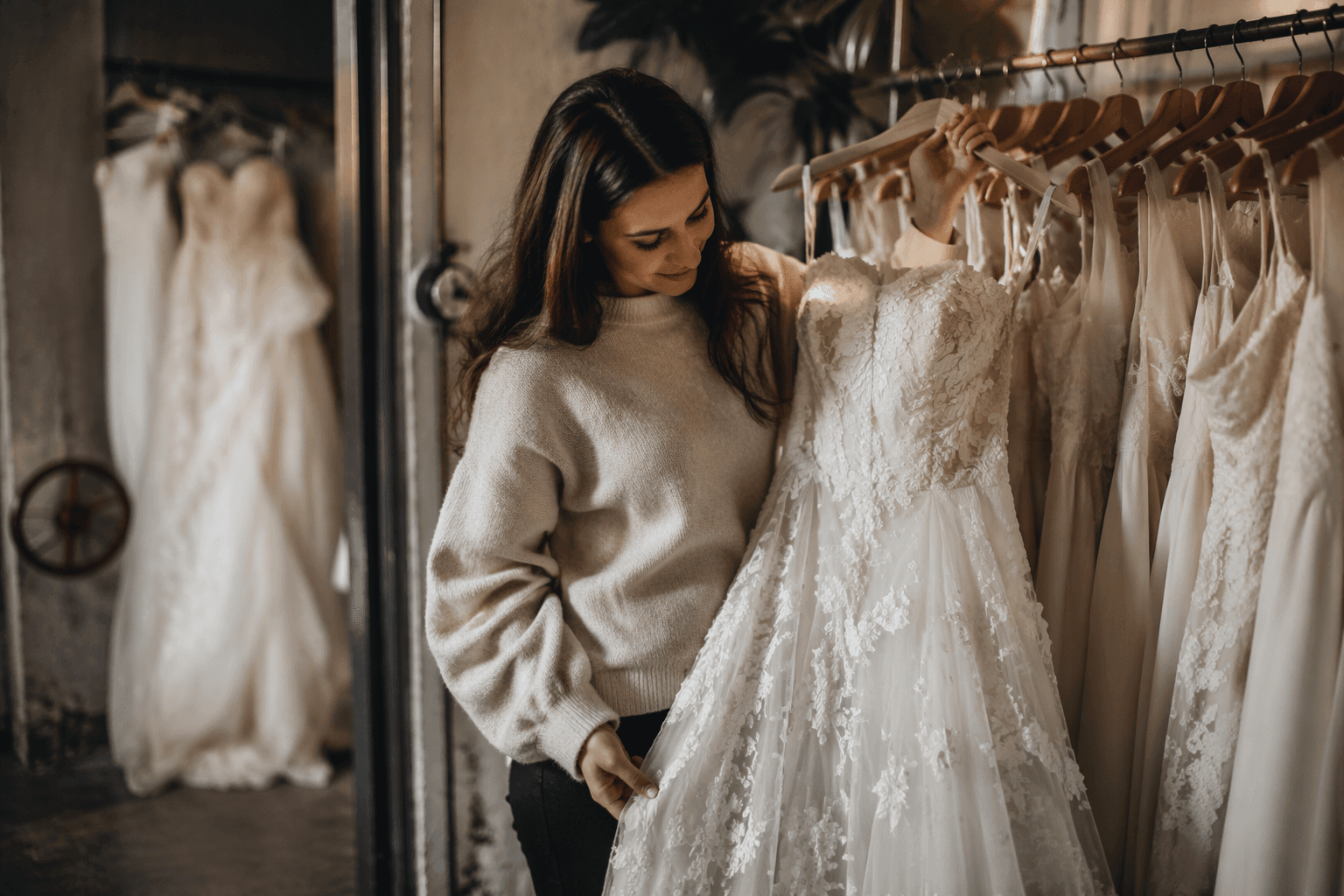
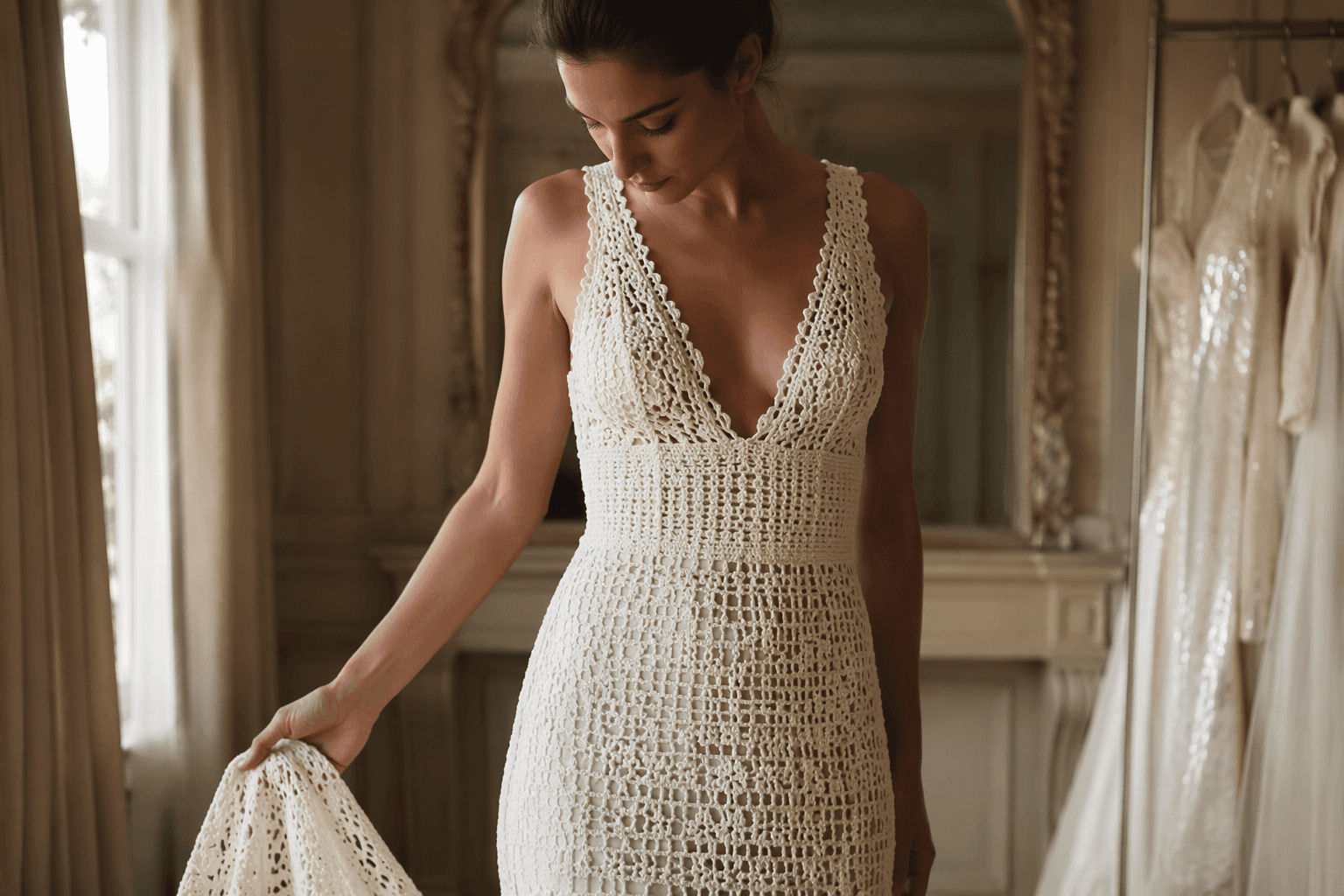
2026 brides embrace personal styling, from veils to suiting
Brides are swapping one-size-fits-all romance for veils, suits, and cultural dress that say something specific. The real test is whether the look changes the silhouette.

The bridal reset
The strongest bridal idea right now is not a dress at all. It is a point of view. CBC Life calls this season a move away from formulaic planning and toward hyper-personal celebrations, and that shift shows up in the clothes: dramatic veils, bouquet bags, fashion-forward suiting, and formalwear rooted in culture rather than convention.
That matters because bridal is no longer being treated like a single costume moment. It is a wardrobe decision with emotional and visual stakes, one that has to survive the ceremony, the photographs, the reception, and the scroll. The couples leaning into this shift want something that feels unmistakably theirs, not just pretty in a Pinterest board.
The runways split into two moods
New York Bridal Fashion Week made the new mood plain. Across the Spring 2027 collections, WWD says designers split into two camps: “Wuthering Heights” and “Love Story.” One side leaned into historical fantasy, Victorian necklines, and lace with a little storm-cloud drama. The other stripped things back into ’90s minimalism, cleaner lines, and a cooler, less sentimental kind of romance.
That divide is useful because it shows where bridal taste is actually heading. The fantasy camp gives you texture, structure, and a sense of occasion, but the best versions avoid looking like a period-drama costume. The minimalist camp, by contrast, works when it feels precise rather than bare. A bias-cut slip or a pared-back sheath reads as modern only if the cut is immaculate and the fabric has enough body to hold the line.
Vintage shopping helps explain why both directions are thriving at once. Lily Kaizer of Happy Isles says demand spans every decade, with especially strong interest in the 1990s and early 2000s. That makes sense: brides are not hunting for one correct era, they are cherry-picking the details that feel personal, whether that is a high Victorian collar, a sharp satin finish, or the cleaner geometry of late-’90s dressing.
Why the bridal calendar matters now
The reason these ideas travel so fast is that bridal has become its own cultural cycle. The Knot says its editors attend New York Bridal Fashion Week twice a year and spent four days at the Spring-Summer 2027 appointments and runway shows, taking in hundreds if not thousands of looks. The same event has grown into a phenomenon that draws not only editors and buyers, but wedding content creators and bridal stylists who help shape what future couples will want.
The schedule itself shows how tightly the trade is organized. The CFDA’s official NYFW Bridal calendar ran April 7-10, 2026, which means the industry is already working on a runway-to-salon pipeline that stretches well into the future. The Knot also notes that wedding dress production takes time because of fabric procurement, stitching, and beading, so the looks shown in spring 2026 are the ones that are likely to land in salons in 2027 and beyond.
That lag is why these runway signals matter. Bridal is not a fast-fashion category. By the time a detail reaches a rack, it has usually passed through sourcing, sampling, fittings, and alteration calendars. The trends that survive that process are the ones with structural value, not just visual novelty.
What to wear now: the details with real momentum
If you are choosing your own look, the winning pieces are the ones that change the silhouette or sharpen the story.
- A dramatic veil is strongest when it does more than add softness. It should frame the face, trail with intention, or create contrast against a clean dress or suit.
- Bouquet bags work when they feel like an extension of the styling, not a gimmick. The best versions replace a standard floral hand-tie with something that reads as fashion object and ceremony prop at once.
- Fashion-forward suiting has real traction because it offers shape, authority, and ease. A tailored jacket, crisp lapel, and clean trouser line can feel more personal than a standard gown, especially for couples who want their clothes to mirror how they actually dress.
- Culturally rooted formalwear is the most meaningful of the group because it is tied to identity, not just trend language. These looks carry memory, lineage, and craft, which is exactly why they resist the disposable feel of many bridal microtrends.
The key is proportion. A veil should not swallow the dress. A suit should not feel borrowed. A heritage garment should be worn with the seriousness it deserves, with styling that lets the fabric, embellishment, and craftsmanship lead.
How to tell what lasts from what is only internet noise
The clearest test is simple: if the idea still works when you strip away the caption, it has staying power. A look that depends entirely on shock or novelty will age quickly. A look that changes the body’s line, reflects a cultural tradition, or solves a real wardrobe problem will keep making sense.
Use this as your filter:
- Does it change the silhouette, or only decorate it?
- Can you imagine wearing it through the ceremony and the reception without it collapsing into costume?
- Does it feel connected to your actual style, family, or cultural background?
- Would it still look considered if you saw it without the trend label attached?
That is where this bridal reset becomes interesting. The most compelling 2026 looks are not trying to please every bride. They are giving brides permission to choose one exact thing and wear it with conviction. In a market as large as the roughly $100 billion wedding industry, that kind of specificity is no longer niche. It is the new standard.
This article was produced by Prism’s automated news system from verified source data, official records, and press releases, then run through automated quality and moderation checks before publishing. The system is built and supervised by the people who set the standards it runs under. Read our full AI policy.
Know something we missed? Have a correction or additional information?
Submit a Tip