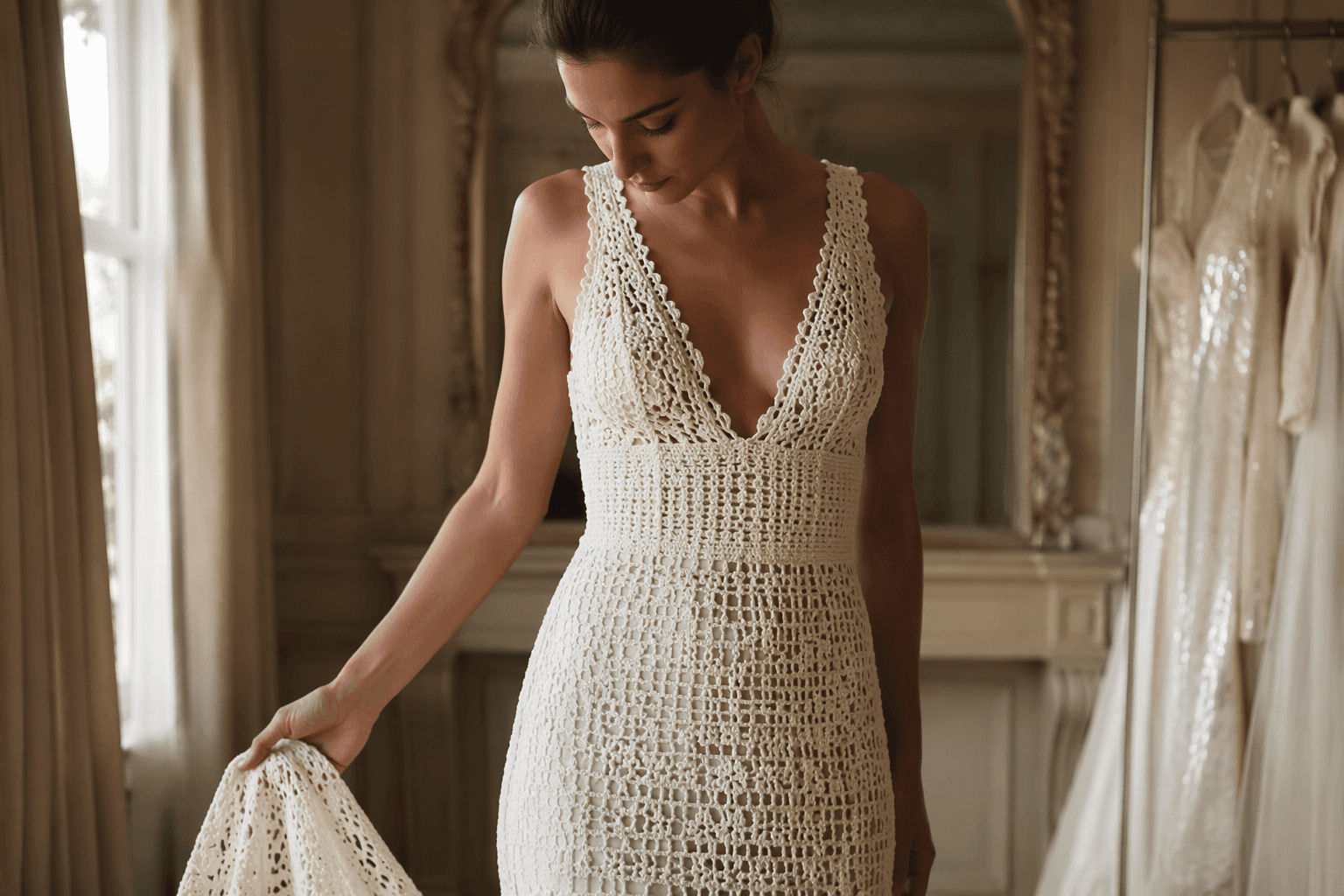
Ethical wedding dressing starts with secondhand bridal looks and vetted brands
The smartest bridal buys are the ones already in circulation, with secondhand, resale and carefully vetted labels offering better value and less waste.
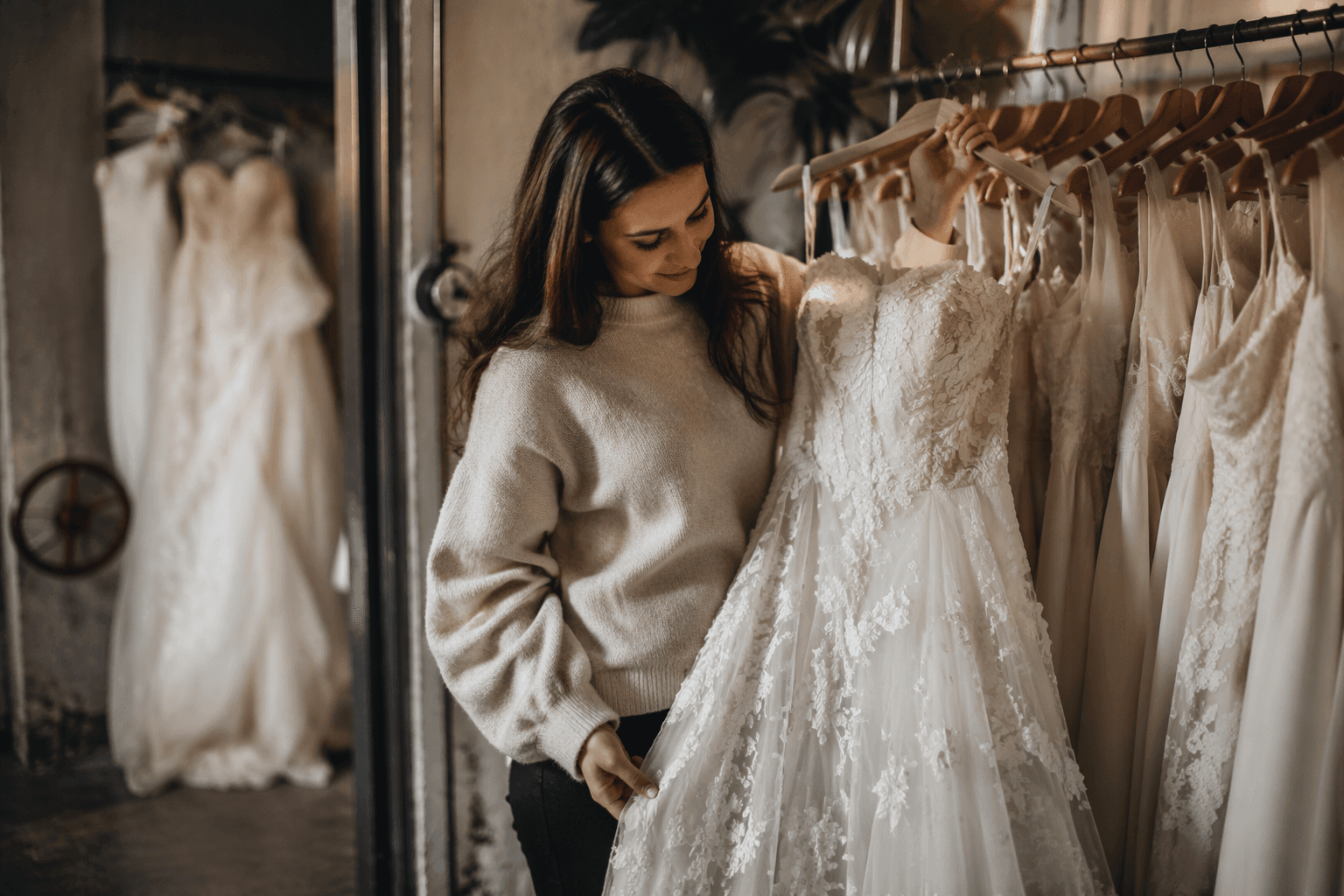
The smartest place to start
A wedding outfit is one of the few garments in fashion expected to do its emotional work in a single, heavily photographed day, which is exactly why secondhand now makes such strong sense. Good On You’s advice is blunt and refreshingly practical: start with pre-owned before you buy new, because the cleanest choice is often the one that already exists.
That logic is bigger than bridal racks. The fashion system still runs on a take-make-waste model, and every second the equivalent of a rubbish truckload of clothes is burned or buried in landfill. Against that backdrop, circular fashion is not a niche ideal, it is a smarter market response, and the Ellen MacArthur Foundation says a move to circular models could unlock a $560 billion economic opportunity. Bridal resale sits right inside that shift.
Why secondhand works so well for weddings
Bridal dressing has always been a strange mix of fantasy and logistics. You want a dress that feels singular, but you also want to avoid paying premium prices for a garment that may only be worn once. That is where pre-owned has the strongest argument: it gives you access to richer fabrics, more dramatic silhouettes, and more intricate handwork without the markup attached to a brand-new gown.
Good On You points to Still White, Borrowing Magnolia, Vestiaire Collective and Vinted as useful places to look for secondhand and pre-owned pieces. Those platforms matter because they turn wedding shopping into a sourcing exercise rather than a status exercise. A structured mikado gown, a lace sheath, a soft tulle A-line, or a minimalist crepe column all have a much longer life when they can move from one wedding to the next instead of being locked into a single aisle moment.
When pre-owned is the smartest buy
Pre-owned is especially compelling when you already know the silhouette you want. If your eye is on a classic shape, a well-cut train, or embellishment that would be expensive to reproduce, secondhand often delivers the most dress for the money. It is also the strongest option when budget matters, because you are paying for construction and design rather than the full cost of making a garment from scratch.
Look closely at the details that make a bridal piece feel expensive in person: the fall of the fabric, the smoothness of the lining, the integrity of the seamwork, the condition of beading and lace appliqué, the hem, the buttons, the bustle loops. These are the points where a dress proves whether it still has life in it. A gown with a cathedral train can be a beautiful secondhand purchase if the train is intact and the structure still holds.
When renting makes sense
Rental has a narrower use case, but it still has a place in a wedding wardrobe. It makes the most sense when the look is highly specific, highly styled, and unlikely to be worn again, especially for guests, welcome parties, rehearsal dinners, or a dramatic second-look moment. If the garment is meant for a single event and has little resale potential, renting can be more efficient than buying new.
The key is to be honest about wear. If you want a once-only fashion statement and you will not alter it, keep it, or recirculate it, rental can be the cleanest temporary solution. If you need the fit to be exact, if the outfit has sentimental weight, or if you expect to tailor it heavily, buying pre-owned or buying from a vetted brand is usually the better path.
Which brand claims deserve skepticism
Vague sustainability language should always be treated carefully. Good On You’s brand recommendations are drawn from labels its analysts have independently assessed for transparency and impact, and that is the standard to look for: specifics, not slogans. If a label says it is ethical but cannot explain materials, production, or how its model reduces waste, the claim is doing more marketing than work.
Be especially wary of bridal branding that leans on words like eco-conscious or responsible without showing how the garment is made, where it is made, or how durable it is. A beautiful gown is not automatically a sustainable one, and a recycled-content tag is not enough if the piece still depends on opaque sourcing, heavy overproduction, or a one-and-done sales model. The most credible labels are the ones that can talk plainly about transparency and impact without slipping into perfume-ad language.
The resale market is already proving the point
Brides for a Cause, founded in 2012 in Portland, Oregon, shows how quickly bridal resale can move from theory to infrastructure. The nonprofit says it has recycled over 50,000 wedding dresses and raised over $4,000,000 for charity since launching, while also saving 1,100,000 kilograms of carbon emissions and 1,000,000 gallons of water. That is not a small side project, it is evidence that bridal resale can serve both the planet and the budget at once.
What makes that model so appealing is that it keeps the romance intact. A gown with a little history does not feel diminished; it often feels richer. The fabric has already softened in the right places, the silhouette has already been tested in the wild, and the dress arrives with a sense of use that many modern weddings are trying, quietly, to reclaim.
The bigger wedding footprint still matters
The dress is only one part of the equation. The Knot defines a sustainable wedding as one that strategically reduces overall impact on the planet and supports the local community, while also cutting food and floral waste, guest-travel emissions and single-use products. In that framing, the outfit is important, but it sits within a larger system of choices that shape the tone and footprint of the day.
Dana Watts of Thyme and Details puts it plainly: “Sustainability is not about perfection.” That is the right attitude for bridal dressing too. You do not need a flawless answer, only a smarter one, and the smartest one usually begins with a garment that already exists, moves through resale before retail, and treats every glossy sustainability claim with a discriminating eye.
A practical bridal decision guide
When you are deciding what to wear, use this simple filter:
- Buy pre-owned when you want value, heritage fabric, or a classic silhouette that does not need to be newly made.
- Rent when the look is strictly one-night dressing and has little emotional or resale life.
- Buy new only from brands that can show real transparency and impact, not just polished sustainability copy.
- Trust resale and charity-driven platforms when you want the cleanest mix of lower cost, less waste, and a real chance to keep another dress in circulation.
The bridal market is slowly catching up to what shoppers already know: a dress can be beautiful, memorable, and far better value when it is not treated as disposable. In wedding fashion now, the most modern luxury is often the one that has already had a life.
This article was produced by Prism’s automated news system from verified source data, official records, and press releases, then run through automated quality and moderation checks before publishing. The system is built and supervised by the people who set the standards it runs under. Read our full AI policy.
Know something we missed? Have a correction or additional information?
Submit a Tip