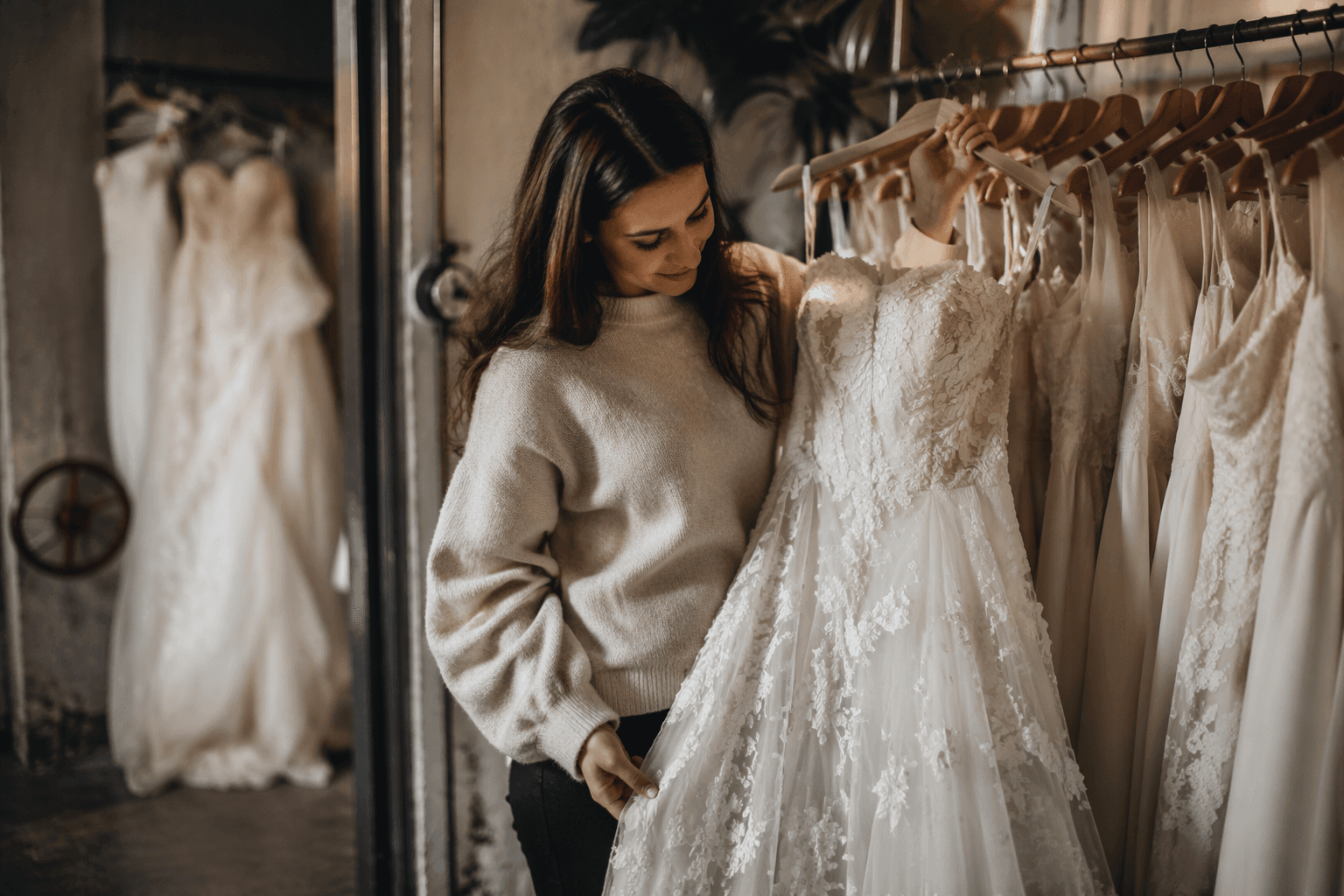
Crochet returns to bridal, bringing handmade romance to modern gowns
Crochet is back in bridal because it brings visible handwork to a moment craving texture, craft, and softness. The best versions feel modern, not folky, when the silhouette stays clean.
The new case for crochet
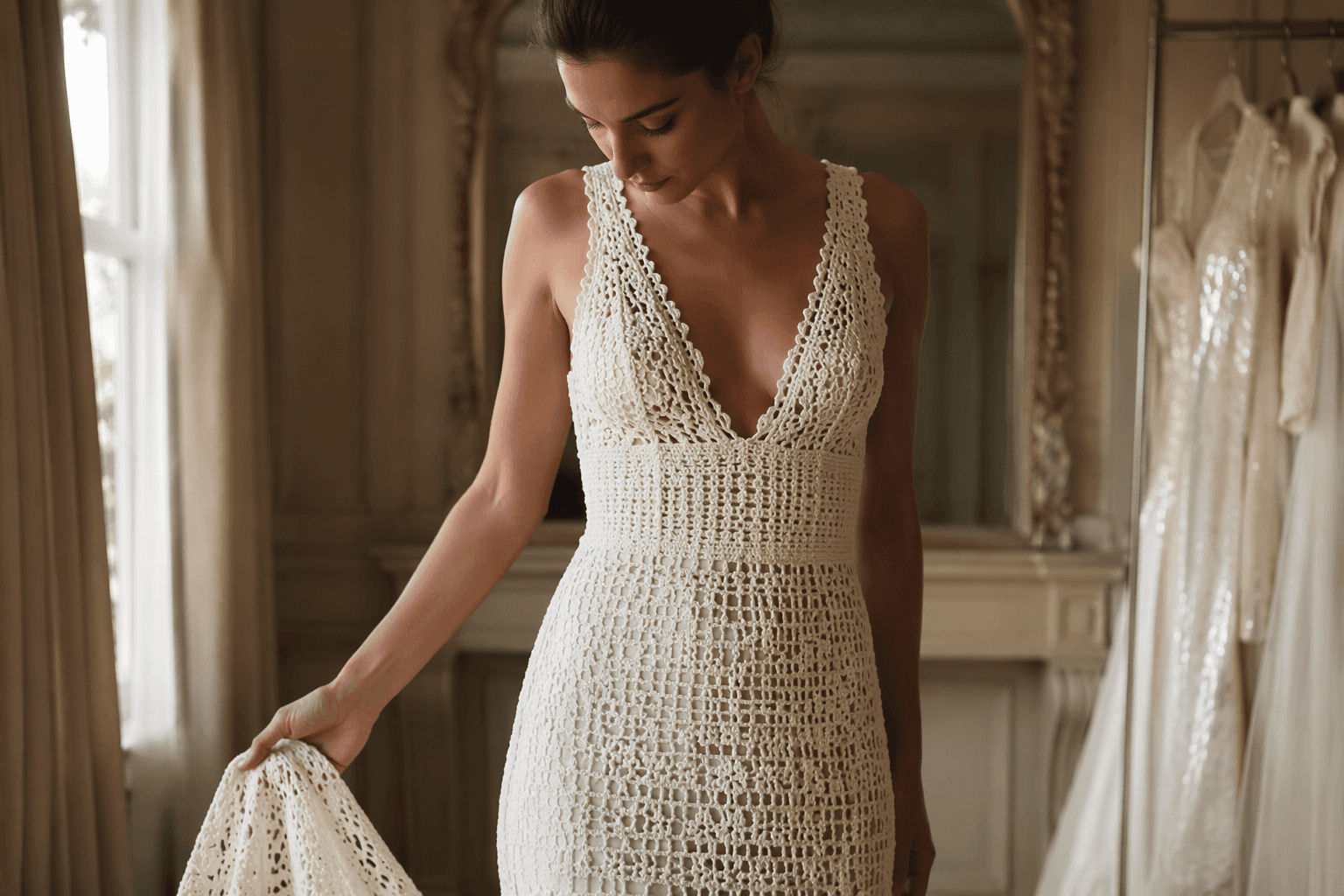
Crochet has returned to bridal because it answers a very contemporary desire: dresses that look made by hand, not merely styled to look expensive. In the 2026 and 2027 collections, the appeal is not nostalgia for its own sake but the way crochet gives a gown surface, air, and intimacy all at once, especially for brides drawn to a softer boho mood without tipping into costume.
That shift matters because bridal is no longer about one rigid idea of formality. The strongest crochet looks read as texture stories first and trend pieces second, which is exactly why they feel fresh now. They work best when the craft is visible, the silhouette is disciplined, and the overall effect feels intentional rather than themed.
Why bridal keeps circling back to craft
Bridal fashion has always mirrored what society wants from ceremony. The Victoria and Albert Museum’s wedding dress collection shows that iconic white gowns reflect changing moods in both fashion and society, from the late 18th century to the present day, and that is still true now. When the market leans toward individuality, the dress follows.
That historical conversation also explains why crochet can feel more than decorative. The Fashion Institute of Technology’s Fashion History Timeline notes that Queen Victoria wore white Spitalfields silk and Honiton lace for her 1840 wedding, breaking with royal custom and helping establish the Western white-wedding tradition. Once you understand that bridal white itself was once a disruptive choice, crochet’s return makes sense as another quiet rebellion, this time against flat, mass-produced surfaces.
The Smithsonian’s lace holdings deepen that story. Its National Museum of American History explains that lace-making includes crocheting among many other techniques and that handmade lace later competed with machine-made lace as industrial production expanded. The institution’s lace collection now numbers about 6,000 pieces, a reminder that bridal has always been shaped by the tension between labor, luxury, and reproducibility.
Why crochet feels relevant again now
The current appetite for crochet is tied to a broader appetite for visible craftsmanship. Brides are looking for garments that signal taste through texture, construction, and touch, not just through sheen or volume. Crochet fits that mood because it reads as artisanal even before it reads as romantic.
It also reconnects to a 1970s memory that still carries cultural force. Vintage and pattern culture place crochet wedding dresses within the decade’s handmade, free-flowing bridal aesthetic, and 1970s boho dressing is still associated with flowing silhouettes, natural fabrics, lace, and crochet details. That reference point is important, but only if it is edited carefully: the best modern versions borrow the ease, not the literal retro styling.
Runway crochet works today because it is often paired with cleaner shapes. A column gown, a narrow sheath, or a slip-inspired underlayer keeps the texture from becoming too busy, while a fuller skirt can push the look into festival territory if the stitching is too open or the trim too literal. The most successful dresses use crochet the way a great tailor uses structure, to shape the eye and give a garment presence.
How to read runway crochet versus wedding-ready crochet
On the runway, crochet can be more conceptual than wearable. Designers can afford larger motifs, more transparency, and stronger boho references because the point is to signal mood and craft at a distance. In real life, the winning version is usually tighter, more controlled, and layered with intention so the dress still photographs beautifully from every angle.
For actual weddings, the safest bet is a crochet panel, yoke, sleeve, or border rather than a fully open-weave gown from neckline to hem. That approach keeps the handmade feeling while preserving the polish most brides want in movement, fit, and coverage. If the dress is already heavily textured, keep embellishment elsewhere to a minimum so the eye lands on the fabric work itself.
A few practical rules make crochet feel modern rather than precious:
- Choose a sleek base silhouette, such as a column, slip, or softly skimming A-line.
- Favor fine, dense crochet over oversized holes if the ceremony is formal or indoor.
- Let the stitch pattern be the statement, then keep veil, jewelry, and shoes restrained.
- Use crochet as an accent on sleeves, hems, or overlays if you want romance without volume.
Where crochet shines most
Destination weddings are an obvious match, but not because crochet is carefree in some generic sense. It works because warmth, breeze, and natural light reveal texture better than a ballroom ever could, and a lighter hand makes the dress feel attuned to the setting. In that context, crochet pairs well with linen linings, soft veils, and simple sandals that let the garment remain the focal point.
Garden ceremonies are equally suited to the craft, especially when the styling stays refined. Crocheted lace reads beautifully against greenery and flowers, but the silhouette should stay clean enough to avoid competing with the landscape. Think pared-back necklines, modest trains, and a texture that catches sunlight rather than swallowing it.
It also has real potential for culturally inflected ceremonies, where handmade detail can resonate with family traditions, embroidery languages, and the value placed on visible workmanship. The key is to treat crochet as one textile voice among many, not as a costume shorthand for bohemian identity. In mixed or multi-day weddings, crochet can be especially effective for a welcome dinner, an outdoor ceremony, or a second look that wants ease without sacrificing elegance.
The modern bridal message
Crochet’s return says something larger than a trend cycle. Brides want dresses that show the hand, honor craft, and still feel current in silhouette and proportion. That is why the best crochet gowns do not look like relics of the 1970s or souvenirs of a craft fair; they look like thoughtful, contemporary wedding clothes that happen to be deeply made.
In bridal, that is a compelling proposition. Crochet offers romance with structure, softness with discernment, and history with a clear modern edge, which is exactly why it belongs back on the aisle.
This article was produced by Prism’s automated news system from verified source data, official records, and press releases, then run through automated quality and moderation checks before publishing. The system is built and supervised by the people who set the standards it runs under. Read our full AI policy.
Know something we missed? Have a correction or additional information?
Submit a Tip