25 unique bridesmaid dresses from real weddings to inspire style
Bridesmaid dressing has moved past matching uniforms. This gallery makes the case for color stories, mixed fabrics, and silhouettes that look chosen, not assigned.
1. Jewel-tone satin
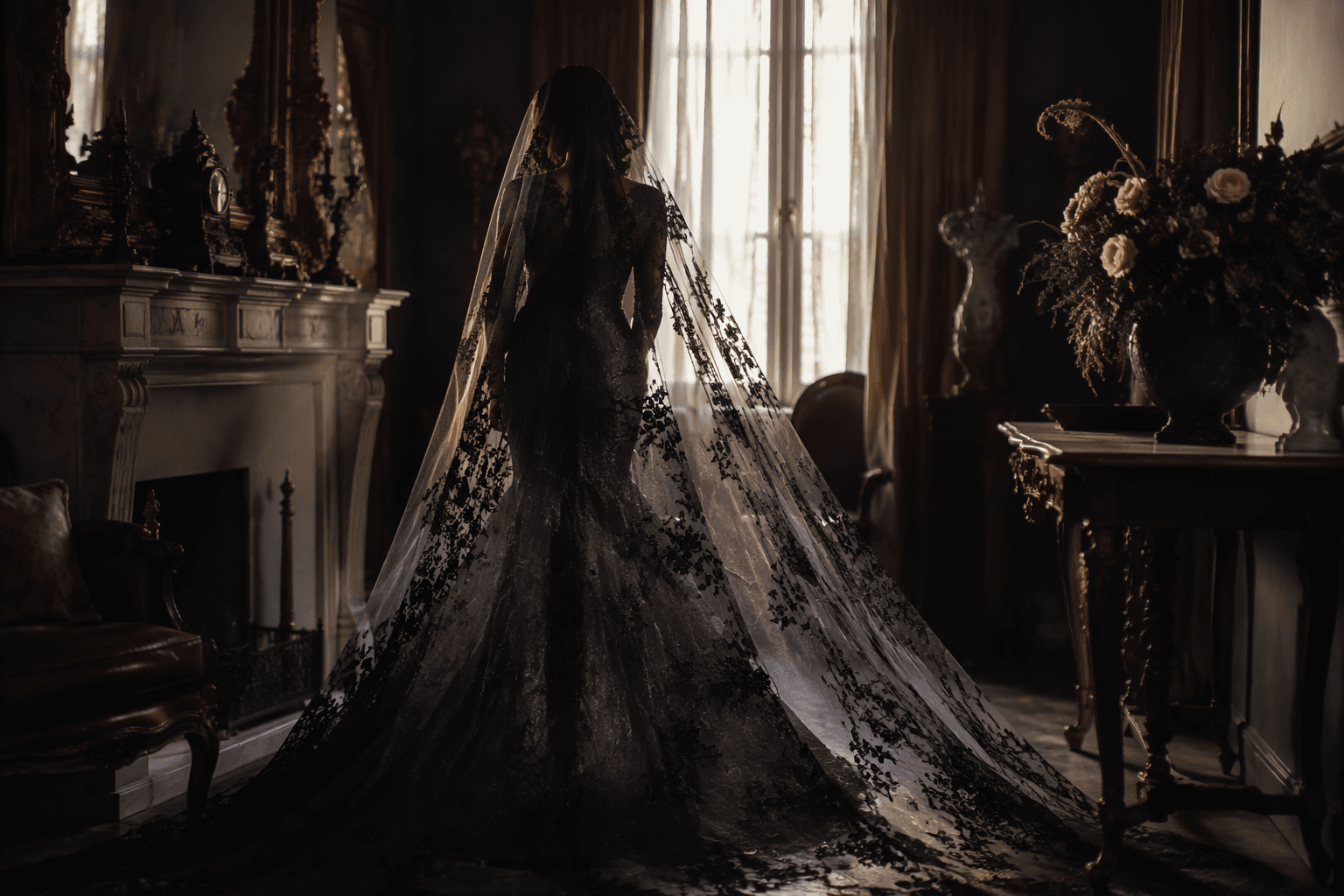
Rich emerald, sapphire, garnet, and amethyst shades bring instant depth to a bridal party, especially when the ceremony leans formal or the photos are set against dark wood, candlelight, or evening skies. Satin keeps those colors looking polished rather than heavy.
2. Pastel shades with a softer edge
A pale palette works best when the bride wants the party to feel airy, romantic, and visually quiet without disappearing.
3. One color, many finishes
Matching color does not have to mean matching fabric. A single hue looks far more modern when one dress is satin, another is chiffon, and a third has a matte surface, which gives the lineup movement without losing cohesion.
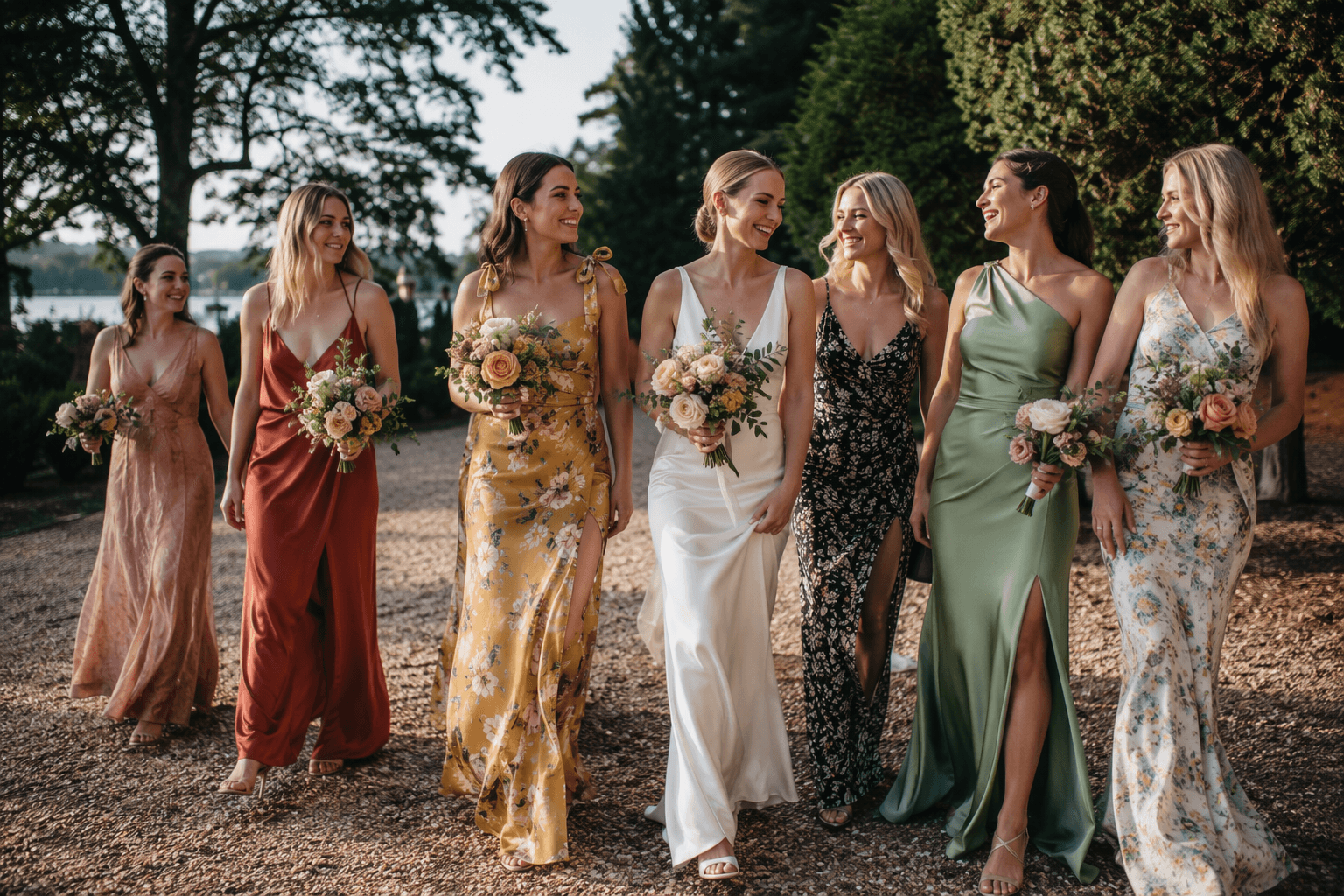
4. Mismatched dresses in the same family
Keep the palette tight, then let each person wear a cut that flatters her best.
5. Deep green for a garden wedding
Green reads especially well in outdoor settings because it nods to the landscape instead of fighting it. A deep, saturated version feels chic for a summer garden party or an autumn ceremony with a lot of foliage.
6. Blush pink with structure
Soft pink is still romantic, but it looks far sharper when the dress has a clean neckline or a defined waist. That balance makes it a strong choice for brides who want sweetness without tipping into costume territory.
7. Blue in more than one register
Sky blue, dusty blue, and navy all serve different moods. Blue works beautifully when the bride wants a cool, composed palette that still photographs with contrast.
8. Black for a city wedding
Black bridesmaid dresses have become one of the clearest signs that the old pastel-chiffon rule is gone. They suit a late-night urban celebration, a black-tie reception, or any bride who wants the party to read sleek rather than saccharine.
9. Champagne and metallic undertones
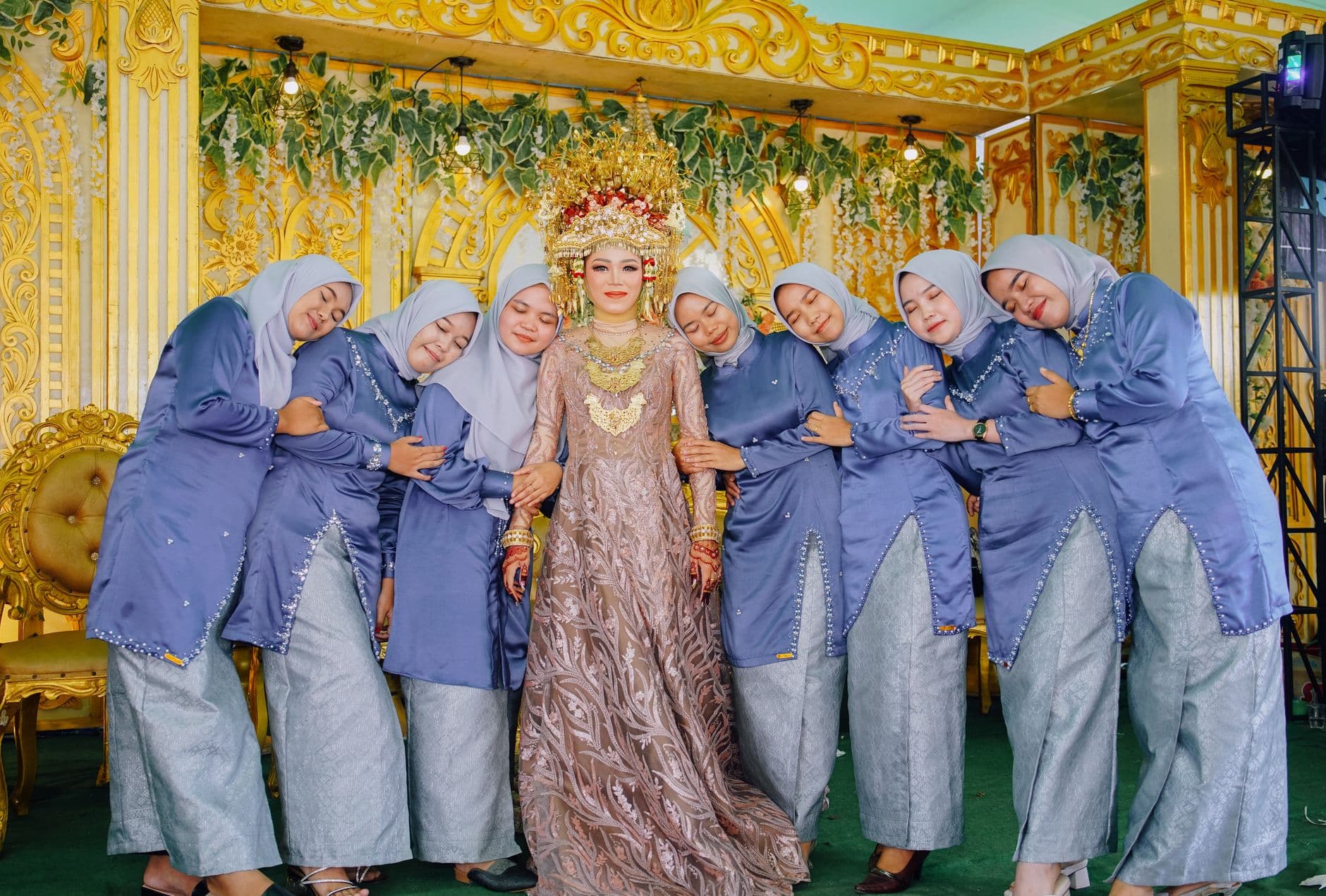
A bridesmaid dress with a champagne or subtle metallic finish adds shine without competing with the bridal gown. It is the right move when the wedding has a formal dress code and the bride wants the bridal party to glow under low light.
10. Bright red for a decisive color story
Red is not for the indecisive, which is exactly why it works. In a bridal party, it creates immediate impact and suits couples who want the attendants to look editorial, confident, and unmistakably dressed for the occasion.
11. Chiffon with real movement
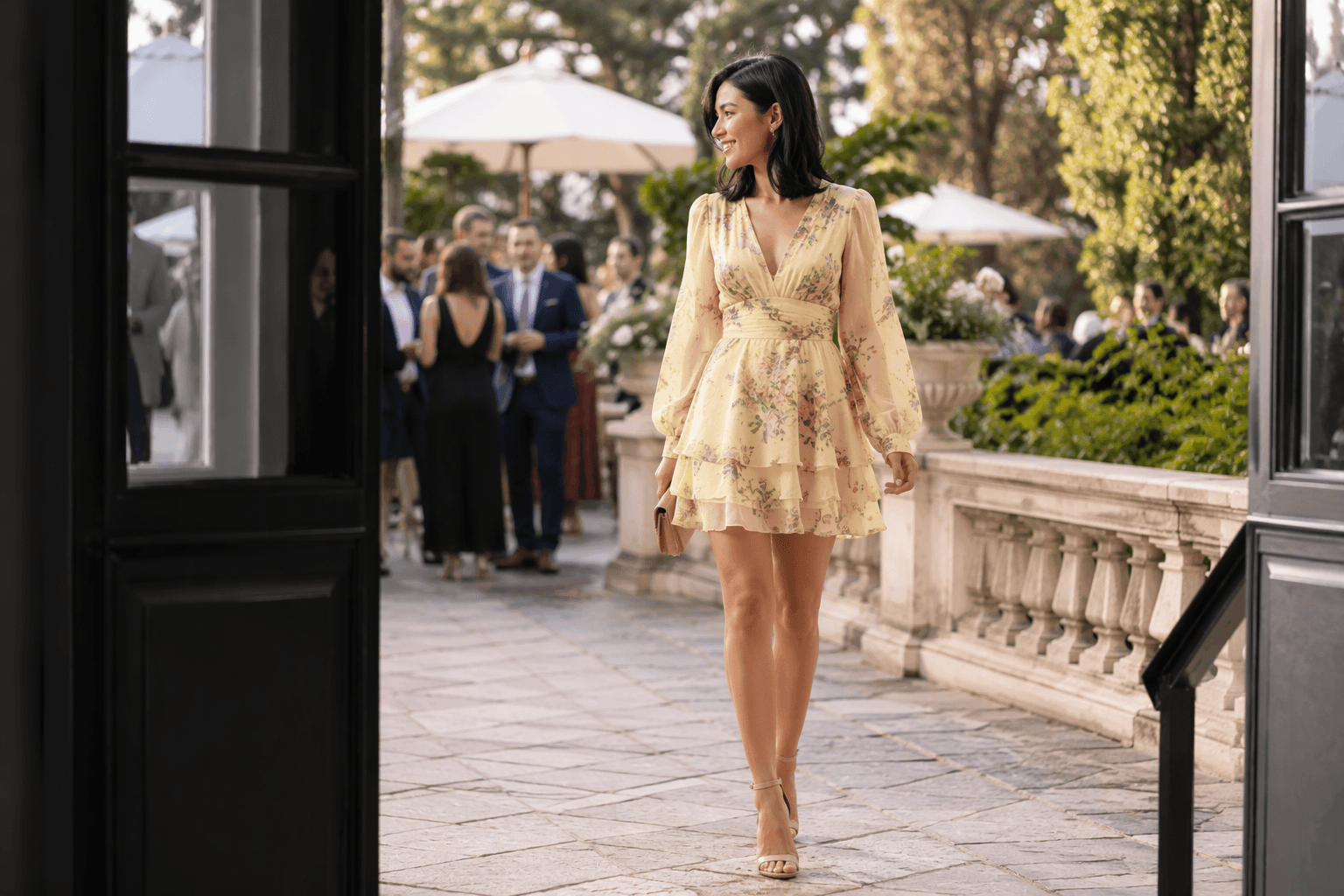
The old “chiffon dresses in pastel shades” stereotype is gone. The smartest chiffon now looks less generic and more fluid. It still suits warm-weather weddings, but only when the cut and color feel intentional.
12. Satin with a clean neckline
Satin can turn glossy fast, so the best versions are paired with simple necklines that let the fabric do the talking. This formula works for brides who want one strong material moment without extra embellishment.
13. Crepe for a sharper line
Crepe gives bridesmaid dressing a more tailored feel than soft drape fabrics do. It is a good choice for brides who want the party to look elegant and architectural rather than floaty.
14. Lace for texture, not excess
Lace works best when it appears as texture rather than ornament overload. A lace bridesmaid dress feels fresh when the shape stays simple and the color stays restrained.
15. Statement sleeves
Statement sleeves are one of the clearest ways to make a bridesmaid look feel fashion-led. They suit a bride who wants visual drama without relying on bright color, and they give the lineup a more runway-minded attitude.
16. Puff sleeves for a romantic frame
Puff sleeves soften the shoulder line and add volume in a way that feels playful, especially in pastel or blush. They are ideal for brides who want the wedding party to feel a little more whimsical than traditional strapless dressing allows.
17. One-shoulder asymmetry
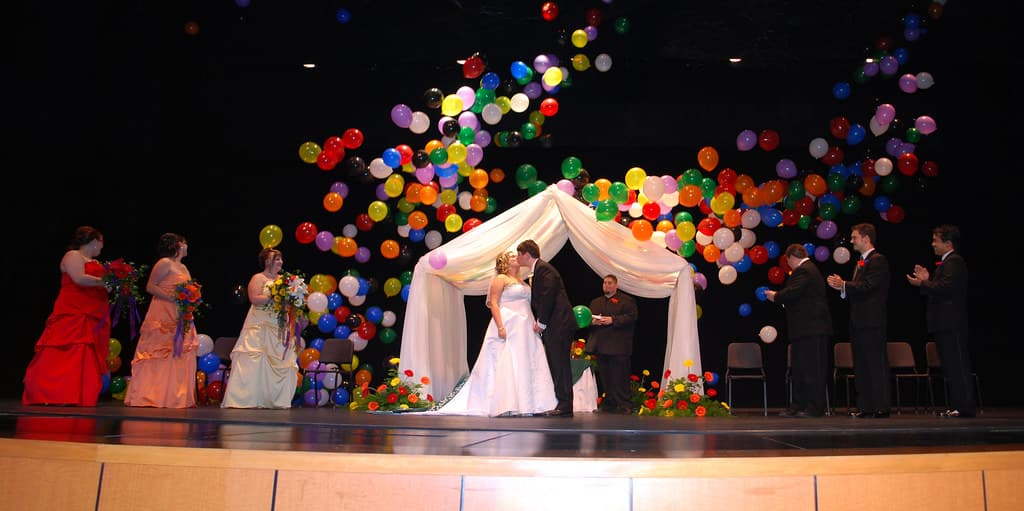
A one-shoulder dress is an easy way to break up a row of otherwise similar gowns. It gives the bridal party a modern, slightly sculptural edge and works well when the bride wants a polished but not formal-uniform effect.
18. Off-the-shoulder draping
Off-the-shoulder necklines keep the look romantic while still exposing enough skin to feel current. This shape works best for brides who want softness, movement, and a little old-world glamour in the same frame.
19. Halter necklines
A halter gives structure to the upper body and makes the look feel deliberate. It is especially strong for bridesmaids who want support, a cleaner shoulder line, and a silhouette that photographs crisply from the front.
20. Square necks for a quiet modernist note
Square necklines have the kind of restraint that reads expensive. They are a smart option when the bride wants the dresses to feel tailored and elegant without depending on heavy embellishment.
21. Slip dresses for minimalist brides
A slip dress does the opposite of fuss, which is why it keeps showing up in fashion-forward bridal circles. It is best for intimate weddings, late-summer celebrations, or brides who prefer ease and sheen over volume.
22. Column silhouettes for a long, lean line
Column dresses create a streamlined effect that feels especially strong in monochrome palettes. They flatter a party that wants to look elongated and refined, not overly styled.
23. A-line ease for mixed body types
A-line dresses remain one of the most practical choices because they give shape without clinging. For a bridal party with different heights and proportions, the silhouette helps everyone feel comfortable while keeping the visual line consistent.
24. Mixed lengths for a less rigid lineup
Not every bridesmaid dress needs to fall at the floor. Mixing midi, tea-length, and full-length hems adds energy to the group and works well when the bride wants the party to feel collected rather than identical.
This article was produced by Prism’s automated news system from verified source data, official records, and press releases, then run through automated quality and moderation checks before publishing. The system is built and supervised by the people who set the standards it runs under. Read our full AI policy.
Did this article answer your question?