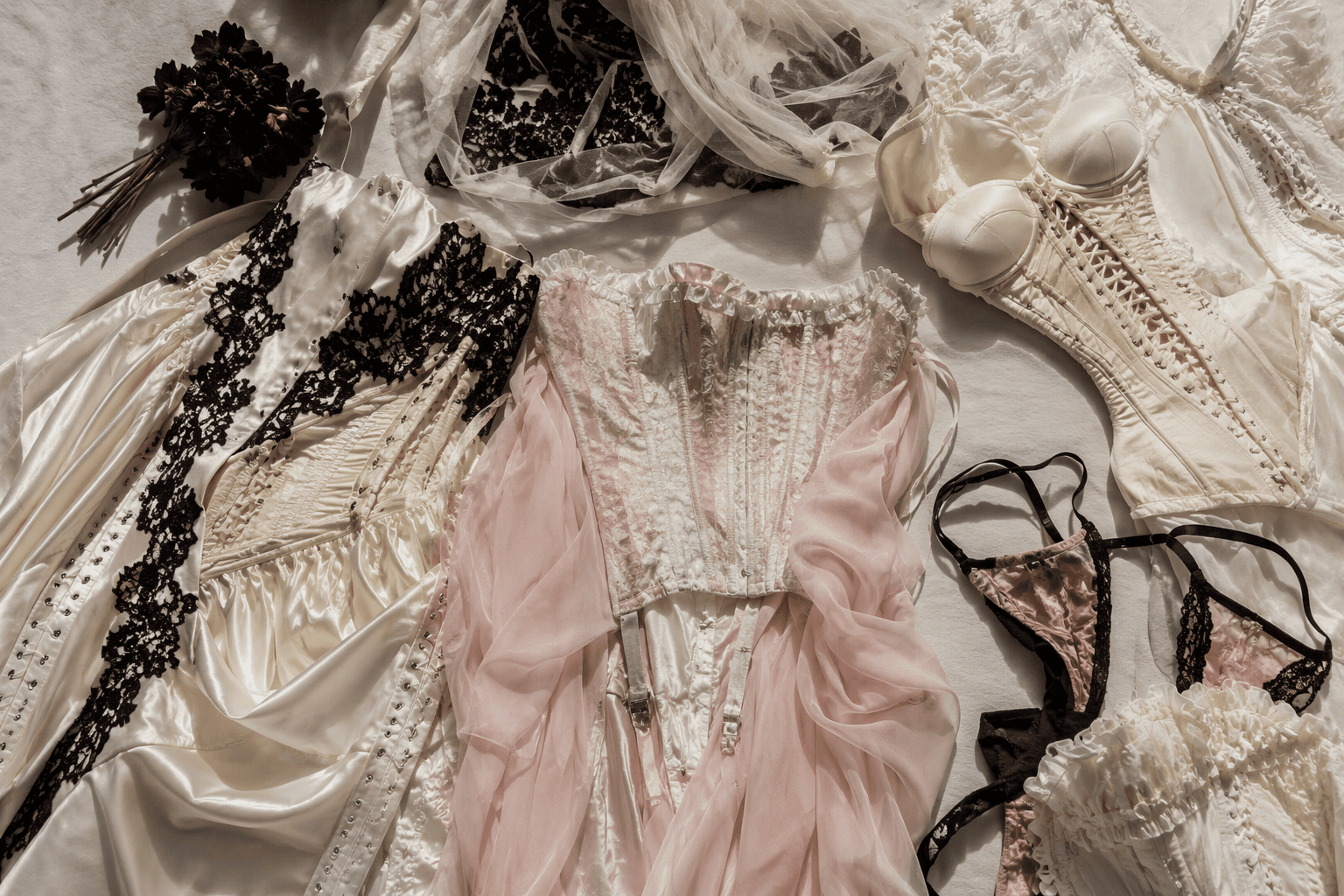
Emma Roberts’ veil fuels a Victorian, gothic bridal shift
Emma Roberts’ black Monique Lhuillier bridal look turns the veil into a gothic statement, pushing wedding style toward Victorian romance and away from strict minimalism.

Emma Roberts wore a face veil that read almost like a lace eye-mask for her intimate ceremony with actor Cody John in Sun Valley, Idaho. Paired with a custom Monique Lhuillier dress, the look gave bridal fashion a darker, more theatrical silhouette to orbit around.
A wedding look built around mood, not just polish
The strongest detail is the face veil effect, which reads almost like a lace eye-mask and shifts the entire mood from sweet to severe. Roberts appeared in Vogue during her final wedding dress fitting with Monique Lhuillier. The dress was custom Monique Lhuillier, and she wore black on her wedding day. The result is a bridal image that is less pristine white fantasy and more romantic shadow play.
Instead of serving as a soft afterthought to the gown, it becomes the point of view, turning a familiar bridal formula into something moodier and more deliberate. The result feels closer to Victorian portraiture than to the sleek, minimalist bridal aesthetic that has dominated so many recent celebrity weddings.
Why this feels like a wider shift
Roberts’ veil lands inside a broader turn toward old-world reference points. Juliet cap veils are a romantic bridal trend sweeping the wedding scene. Modern brides are increasingly drawn to more distinctive veil silhouettes. Renaissance-inspired headdresses and highly Victorian stays and bustles are major references shaping the most popular veil looks for 2025 and 2026.
The commercially translatable pieces
The most wearable versions are not full costume, but a handful of sharply chosen details that carry the atmosphere without overpowering the bride.
- Face veils: A short veil that frames the face or skims the eyes gives instant gothic charge, especially when the rest of the look stays clean. The trick is scale, not drama overload.
- Lace eye coverage: A sheer lace veil that lightly obscures the eyes can create that Victorian, almost mournful feeling without requiring a heavy headpiece. It works best with pared-back makeup and one strong structural detail in the dress.
- High-neck silhouettes: A high collar or illusion neckline brings the old-world tension that makes the veil feel intentional rather than trendy. In satin or crepe, it reads elegant; in lace, it reads more period and should be balanced with modern tailoring.
- Jet-bead detailing: Jet beads are one of the smartest ways to add gothic richness because they catch light without the obvious sparkle of crystal. Used along a neckline, cuff, or veil edge, they give depth and a faintly antique gleam.
- Renaissance and Victorian references: Headdresses, bustles, and stays are the bolder end of the spectrum, but even a whisper of that construction can change the silhouette. A rigid bodice, a defined waist, or a lightly structured basque seam can nod to the era without turning the bride into a costume figure.
How to wear the look without tipping into costume
The key is to choose one focal point and let everything else stay disciplined. If the veil has a face-covering or eye-brushing effect, the gown should be comparatively clean, with a restrained neckline or a smooth fabric that lets the lace or tulle do the talking. If the dress is already ornate, with lace, jet beadwork, or a high Victorian collar, the veil should be more spare so the look stays balanced.
Monique Lhuillier’s custom gown gave the image a polished bridal framework, which kept the darker styling from sliding into theatrical excess. For real weddings, Victorian-gothic references need structure, good fabric, and a clear hierarchy of detail.
This article was produced by Prism’s automated news system from verified source data, official records, and press releases, then run through automated quality and moderation checks before publishing. The system is built and supervised by the people who set the standards it runs under. Read our full AI policy.
Did this article answer your question?