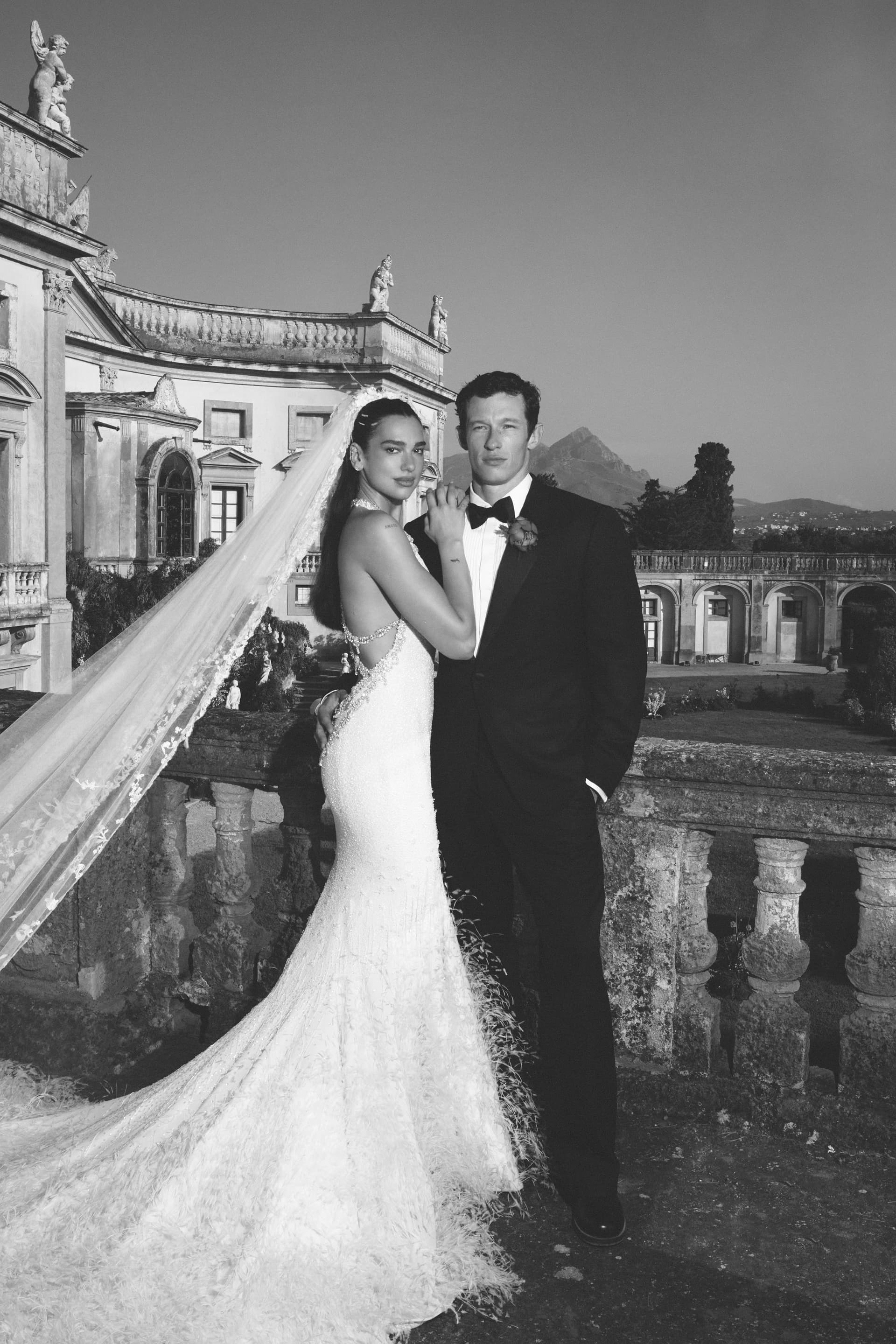
Bridal clutches become the finishing touch for Indian wedding looks
The bridal bag now works like jewelry and storage in one, moving from mehendi potlis to reception minaudières with real wedding-day purpose.
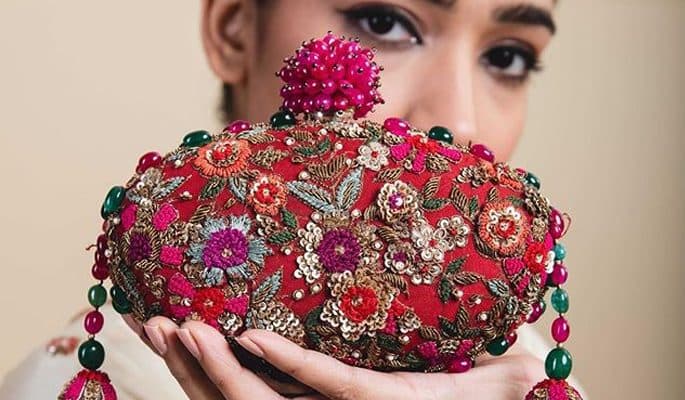
Why the smallest accessory has become the smartest one
Tarun Tahiliani has spent decades proving that Indian bridal dressing works best as a full composition, not a pile of separate purchases. He founded Ensemble in 1987, launched his eponymous label in 1994, and has hosted an annual bridal exposition since 2009, building a world where textile, silhouette, and ornament all speak the same language. That is exactly why the bridal clutch suddenly feels essential: it is no longer the thing you carry after the outfit is done, but the final detail that completes the look.
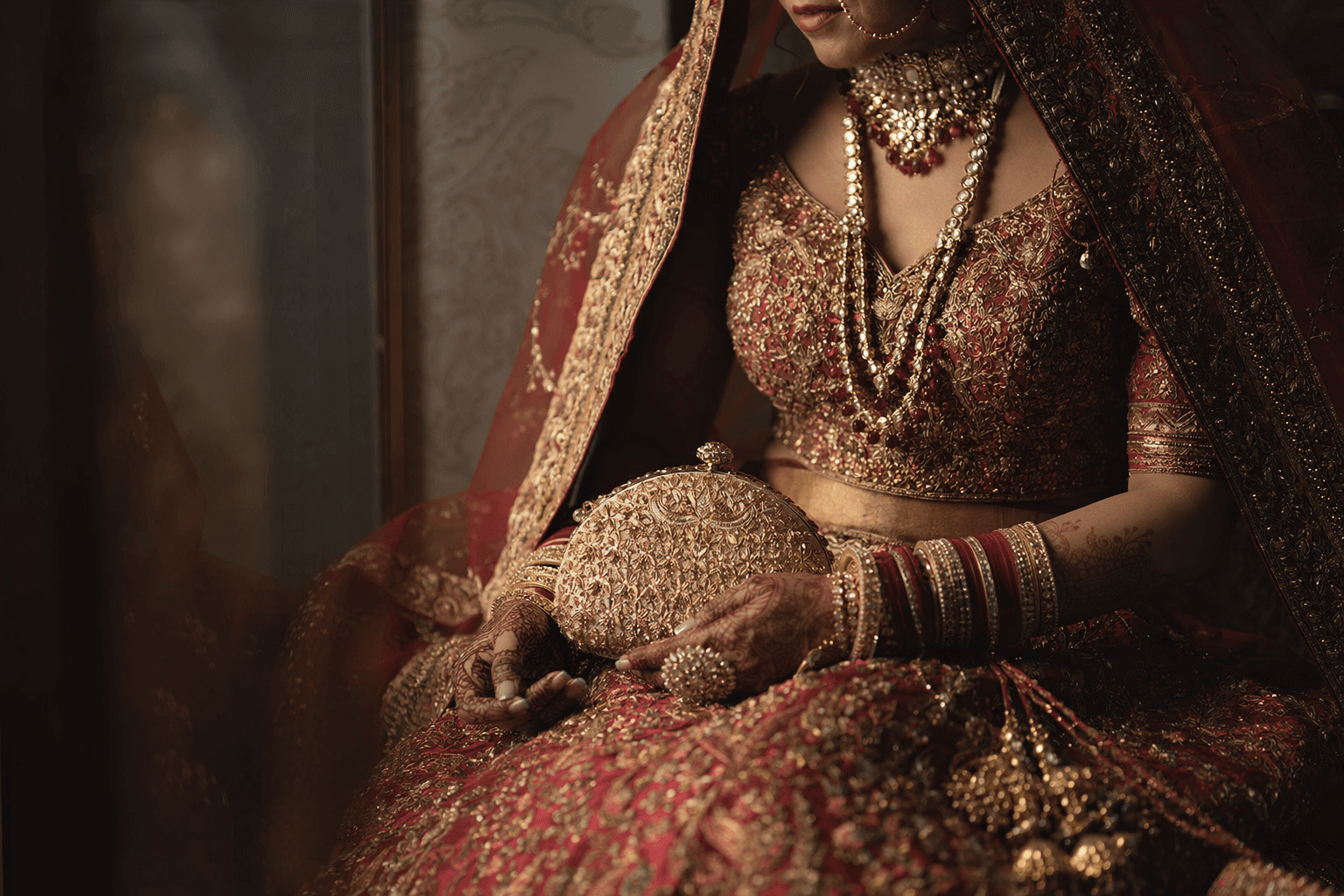
The shift makes practical sense. Financial Express reported that Indian wedding budgets rose 14.29% year over year in 2024 to an average of Rs 32 to 35 lakh, while average guest lists grew 6.25% to 119 people. The same reporting noted that weddings with more than 300 guests rose 16.29%, while intimate weddings with fewer than 100 guests rose 26.66%, which means bridal wardrobes are now being built for both spectacle and precision. When every function is photographed, reposted, and scrutinized, a small bag has to earn its place by doing two jobs at once: acting like jewelry and holding the few things a bride actually needs.
Destination weddings have only sharpened that demand. Jaipur, Udaipur, and Goa remain the familiar hubs, but couples are increasingly choosing Nainital, Dehradun, and Wayanad, which favors accessories that travel easily, survive multiple outfit changes, and photograph beautifully in different light. In that context, the clutch is not a decorative afterthought. It is one of the most efficient styling tools in the bridal wardrobe.
Potli: the sentimental choice that still feels current
The potli remains the most emotionally resonant option because it carries history with it. The Times of India has noted that potli bags have been part of Indian culture since ancient times, and that heritage still matters at mehendi, haldi, temple weddings, and daytime pheras. A good potli softens a heavily worked lehenga, adds tactility to a silk saree, and keeps the mood romantic rather than overly polished.
It is also the most forgiving shape for brides who want charm without stiffness. A hand-embroidered potli can look as fresh with a pastel lehenga as with a jewel-toned sari, especially when the rest of the styling leans rich and layered. What it should hold is simple: lipstick, tissues, a couple of safety pins, mints, and a slim card holder or folded notes.
Minaudières: the evening bag that behaves like jewelry
Vogue India’s bridal coverage has given bags their own moment, with a dedicated roundup of 32 bridal bags, and that kind of attention tells you where the market is heading. The minaudière sits at the center of that shift because it is less about utility than it is about finish. Hard, jeweled, sculptural, and usually small enough to disappear into the hand, it reads like an accessory and a piece of adornment at once.
This is the shape for receptions, cocktail nights, and any event where the bride is wearing a sharper silhouette, whether that means a streamlined lehenga, a sari with a crisp border, or a blouse cut with modern restraint. Harper’s Bazaar India featured a Sabyasachi minaudière priced at 79,500, which places the category squarely in jewelry territory and explains why these bags have become such a powerful styling signal. At that level, the bag is not meant to be practical in the everyday sense. It is meant to punctuate the look, then carry a phone, a compact, lipstick, tissues, and perhaps a tiny perfume vial.
Box clutches: structure for the functions that go long
Box clutches have become the neat answer to one of the hardest bridal problems: how to carry essentials without softening the architecture of the outfit. Brides Today has treated box clutches as a real wedding category, and that makes sense, because the form works particularly well for sangeets, cocktail receptions, and dinner functions where the bride needs more freedom of movement than a rigid minaudière always allows.
Their appeal lies in their balance. A box clutch has enough structure to look intentional, but enough capacity to be useful through a long evening of greetings, dancing, and photographs. It pairs naturally with sculpted lehengas, contemporary drapes, and sarees worn with more angular blouses. Pack only what belongs there: phone, compact, lipstick, tissue, and a key card or folded note.
Envelope clutches: the clean-lined choice for the minimalist bride
If the potli is ornate and the minaudière is jeweled, the envelope clutch is the quiet confidence piece. It gives a polished finish to minimal looks and keeps a heavily embellished outfit from feeling overworked. For engagement dinners, civil ceremonies, registry lunches, and intimate receptions, it is the shape that lets the clothing stay in charge.
The beauty of the envelope clutch is how easily it moves beyond the wedding season. It is the least ceremonial of the bridal bag family, which is exactly why it often becomes the most wearable afterward. It should hold the same edited essentials, but the silhouette itself does the heavy lifting, making the hand look composed rather than overloaded.
The playful turn: when bridal bags become the conversation piece
The Times of India has also pointed to a more whimsical direction, describing elephant-shaped oxidised silver purses, nano or mini bags, disco-ball purses, and other bejewelled clutches as alternatives to the familiar potli. That is not novelty for novelty’s sake. It reflects how Indian wedding dressing now works across multiple moods, from deeply traditional to unapologetically playful.
An elephant-shaped purse feels right for a mehendi where the bride wants a nod to heritage without defaulting to the expected. Nano and mini bags make sense for the sangeet, where the dress code often pushes toward glamour and movement. Disco-ball and bejewelled clutches belong to reception looks that need light-catching energy. The bag has become a functional plus-one, not a decorative extra.
Why stylists keep returning to the category
The Hindu reported that luxury Indian weddings increasingly rely on stylists such as Anaita Shroff Adajania and Mohit Rai to coordinate opulent wardrobes and manage social-media scrutiny. That kind of styling environment makes the clutch far more important than its size suggests. Every bead, clasp, and metallic finish is visible in a close-up, which means the bag has to work with the embroidery rather than compete with it.
That is also why editorial interest keeps growing. Vogue India has elevated bridal bags as a dedicated topic, Brides Today has explored non-conventional clutches and box clutches, and luxury labels keep pushing the category further into collectible territory. The message is clear: in Indian bridal dressing, the smallest piece is often the one that decides whether the look feels finished.
This article was produced by Prism’s automated news system from verified source data, official records, and press releases, then run through automated quality and moderation checks before publishing. The system is built and supervised by the people who set the standards it runs under. Read our full AI policy.
Did this article answer your question?