Five Summer 2026 Bridal Trends, From Statement Jewels to Styled Celebrations
Summer 2026 bridal is all about sharper jewels, warmer metals and celebrations with a point of view, not a preset template.
Statement diamonds are back, but they are doing a different job now
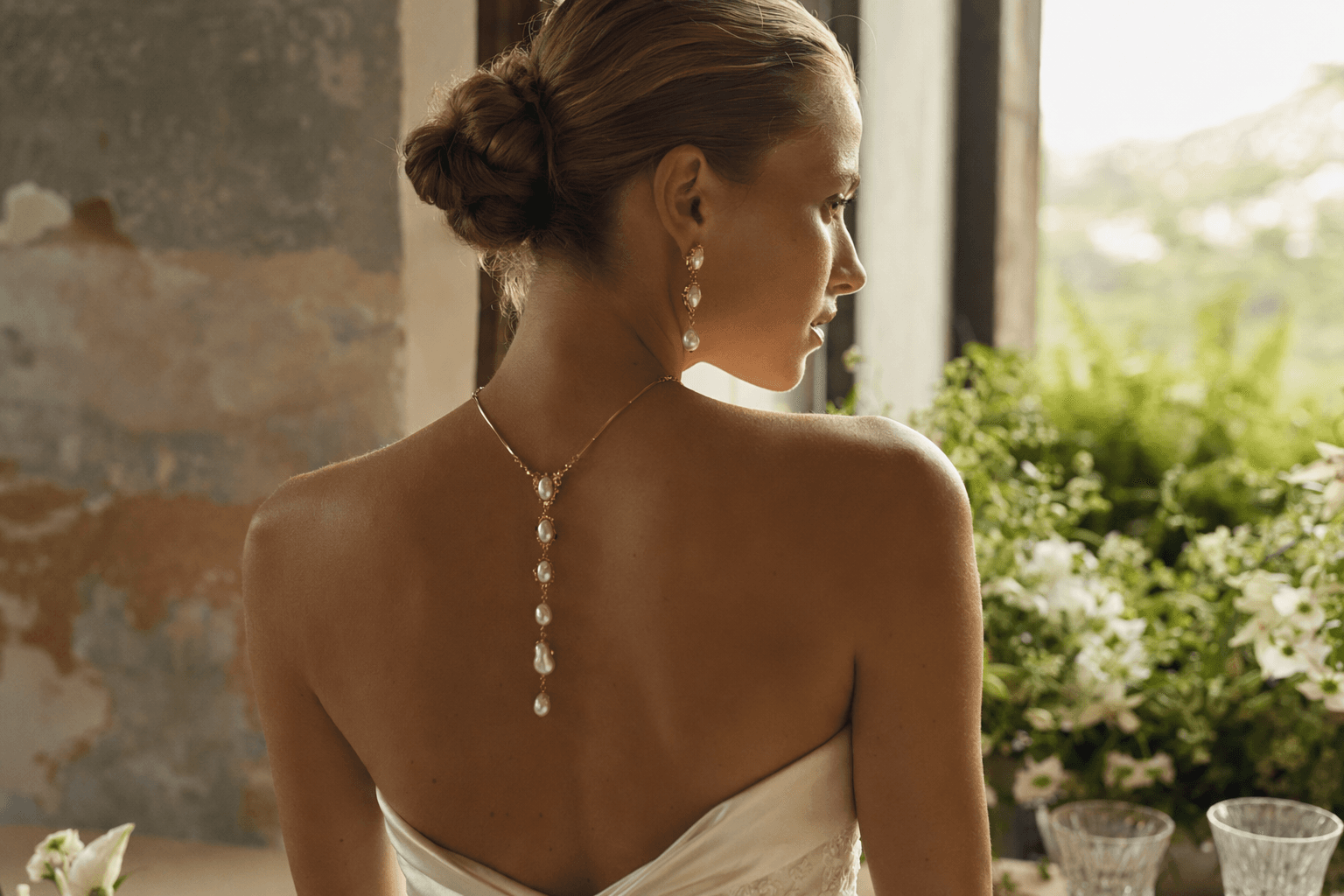
The loudest bridal move of the summer is not excess for its own sake. It is the return of the single, confident jewel that does the visual heavy lifting, whether that means a larger center stone, a cleaner setting, or a ring that reads as intentional from across the room. The mood is less fussy princess, more editorial polish: a diamond that gives structure to a simple satin gown, a column dress, or a destination ceremony look that needs one precise point of glamour.
What feels fresh here is the scale. The Knot’s 2026 study found that lab-grown center stones made up 61% of engagement ring purchases, and the average stone size reached 1.9 carats. That is a meaningful shift in bridal style, because it gives brides permission to go bolder without tipping into old-school ostentation. For a ceremony look that leans minimal, a statement diamond is now the whole sentence, not the punctuation.
The smartest version of this trend is selective. A dramatic pear or oval can elongate the hand and soften a square neckline; a marquise brings a sharper, more fashion-forward edge; even a round stone looks more modern when it is set low and clean. If you want the effect without rebuilding your entire bridal vision, let the ring be the largest gesture in the room and keep the rest of the styling precise.
Yellow gold is no longer the warm afterthought, it is the frame
If statement diamonds bring the sparkle, yellow gold brings the glow. The Knot found that 39% of couples chose yellow-gold rings, up 140% over the past five years, which tells you this is not a niche revival but a real shift in bridal taste. After years of cooler metals dominating the conversation, yellow gold now feels sunlit, flattering, and right for brides who want their jewelry to look lived-in rather than overly formal.
This is also one of the easiest trends to translate across the wedding calendar. Yellow gold reads beautifully in bright outdoor ceremonies, especially for destination weddings where strong sunlight can make white metals feel almost clinical. It also plays well with after-party dressing, because the metal warms sequins, silk, and satin without competing with them. A gold ring beside a bare arm and a sharp blazer has a very different energy from the same stone in platinum: softer, richer, more relaxed.
The newness here is less about invention than confidence. Yellow gold has moved from nostalgic callback to default style choice for brides who want their jewelry to feel like part of the outfit rather than a separate bridal category. Even a plain gold band can deliver the mood if you want to nod to the trend without committing to a larger stone or a more elaborate setting.
Lab-grown diamonds have moved from alternative to expectation
The most decisive shift in the summer 2026 bridal landscape is the rise of the lab-grown center stone. Lisa Ingram, vice president of merchandising at Kay Jewelers, put it plainly: lab-created diamonds are no longer just an alternative. That change matters because it reframes the conversation from compromise to preference. Brides are choosing stones with an eye to look, size, and lifestyle, not simply the most traditional option on the tray.
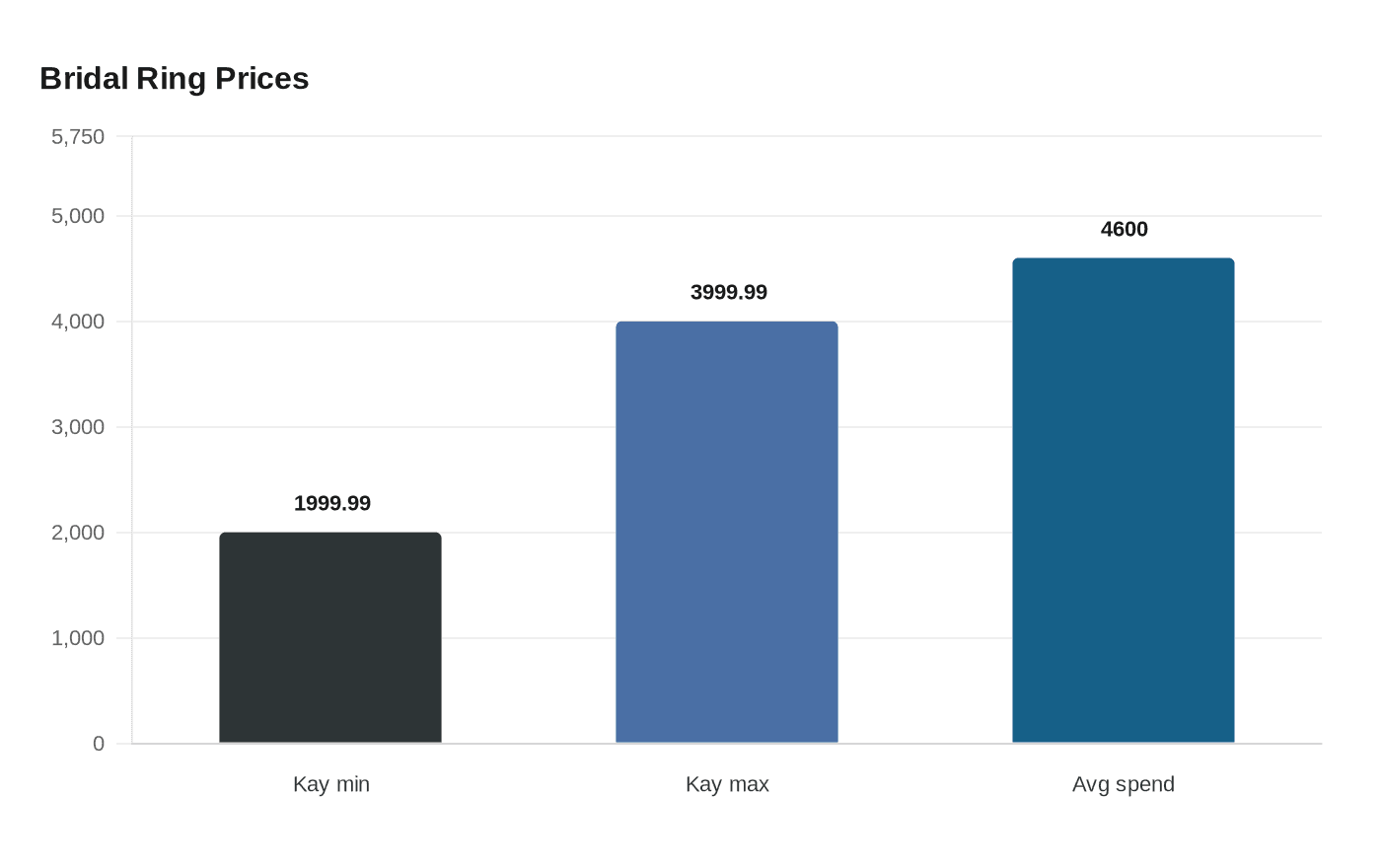
The numbers explain why this feels so current. In The Knot’s study, lab-grown center stones were up 239% since 2020, while average engagement-ring spend landed at $4,600. Kay Jewelers’ Signature lab-grown bridal collection, priced from $1,999.99 to $3,999.99, sits below that average and lands neatly in the range many couples actually seem to inhabit. In other words, this trend is not about chasing an unattainable fantasy piece. It is about getting a larger, more expressive diamond without making the ring the only budget line that matters.
For brides, that opens up a more fashion-led way of thinking. A lab-grown stone can be the route to a more dramatic silhouette, a cleaner mount, or a shape that feels personal rather than predictable. Ingram said shoppers want rings that feel personal, tell their story, and fit their lifestyle, which is exactly why this trend looks so modern on the hand. It is less heirloom theater, more self-editing.
Shopping for the ring now looks a lot like shopping for the dress
The old image of a proposer making a quick, solitary purchase no longer fits. The Knot found that 79% of ring recipients were involved in the shopping process, 64% of proposers bought in person, and 57% began searching more than six months before proposing. That tells a very specific bridal story: the ring is being chosen with the same scrutiny as the dress, with time, opinions, and context all folded into the decision.
That slow, collaborative approach is one reason personality is winning over perfection. JCK’s coverage of the same data noted that pears, ovals, and marquise cuts are gaining ground alongside round stones, which makes sense in a climate where brides want a ring that feels like a signature rather than a standard issue. If you are curating a ceremony look with a sharp neckline or a clean tailored suit, the ring can become the most expressive piece in the whole ensemble.
This is the detail worth copying now: choose one element that reveals character, then keep the rest edited. A marquise stone, a yellow-gold mount, or a slightly unexpected carat size can carry more style than a fully decked-out set. That is especially useful if you are moving between ceremony, dinner, and after-party dressing and want one piece to hold the narrative the whole way through.
Styled celebrations are replacing cookie-cutter wedding weekends
The broadest shift in Summer 2026 bridal is not just about what is worn, but how the whole wedding is staged. The Knot describes a $100B wedding industry being reshaped by personalization and AI-assisted planning, and its Gen Z trend reporting points to smaller guest lists, delayed engagement posts, and unconventional vendors as defining behaviors. Ashley Powell, a talent manager at SEA MGMNT and lead consultant at Frost & Co., says these weddings are about “unification, cultural expression, and personal storytelling.”
That is why the most convincing bridal looks now feel connected to the celebration around them. A destination ceremony wants ease and clarity. An after-party can handle more shine, more movement, more jewelry. A hens weekend or pre-wedding dinner can lean into coordinated individuality rather than lockstep dressing, because the event itself is no longer one fixed image but a sequence of moods. The strongest summer bridal style stories will be the ones that let those moods change without losing the thread.
What makes this trend genuinely different is its emotional logic. Couples are not just buying a dress and a ring, they are building a visual language for a wedding that may include multiple locations, multiple outfits, and multiple registers of celebration. The result is a bridal moment that feels more edited and more alive: less about matching a template, more about designing a weekend that looks like the people inside it.
This article was produced by Prism’s automated news system from verified source data, official records, and press releases, then run through automated quality and moderation checks before publishing. The system is built and supervised by the people who set the standards it runs under. Read our full AI policy.
Did this article answer your question?