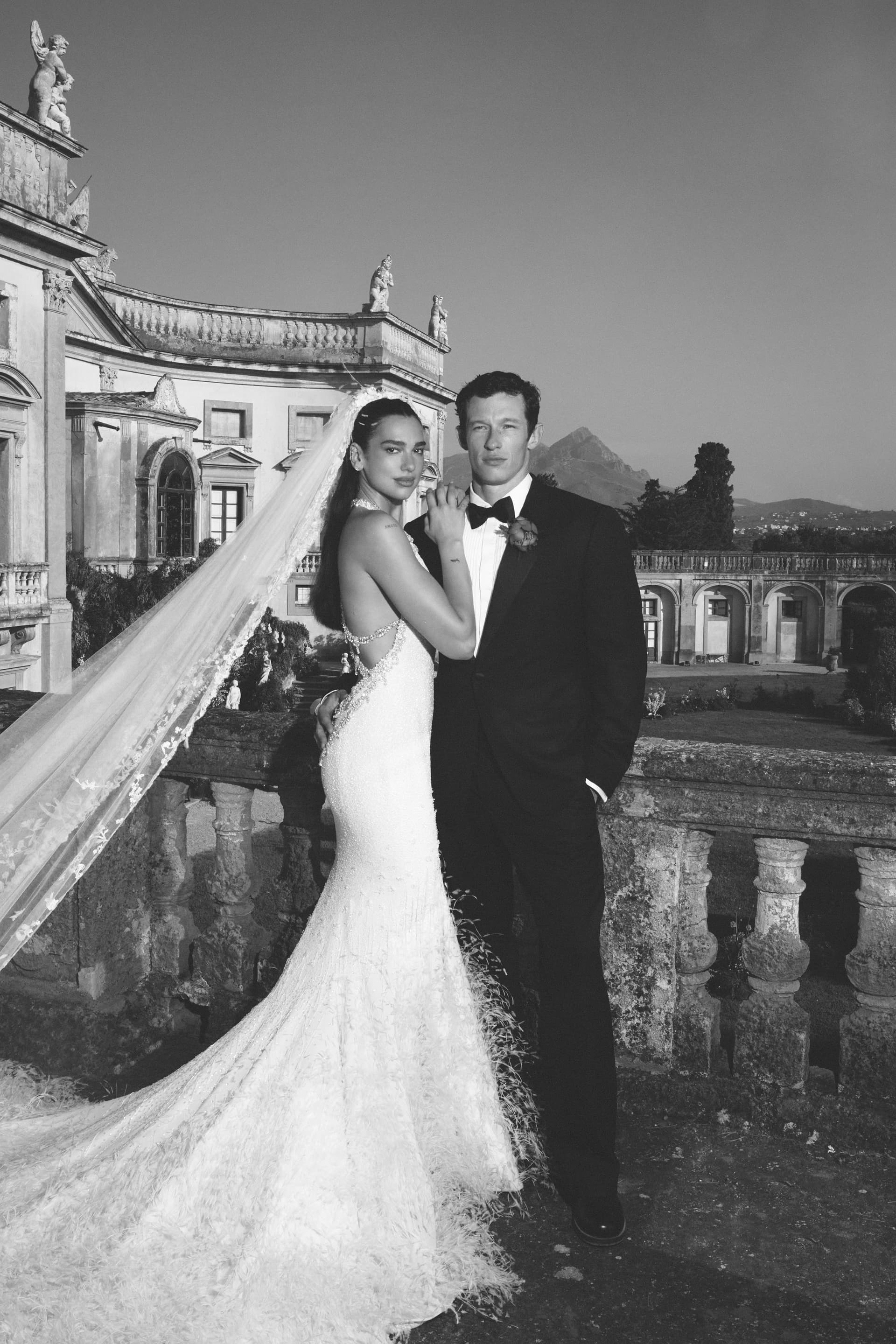
Modern Bridal Heirlooms, How to Restyle Family Treasures Sustainably
Family heirlooms feel freshest when the sentiment stays intact but the silhouette changes. The modern move is to edit, tailor, and reframe treasured pieces for how brides actually dress now.
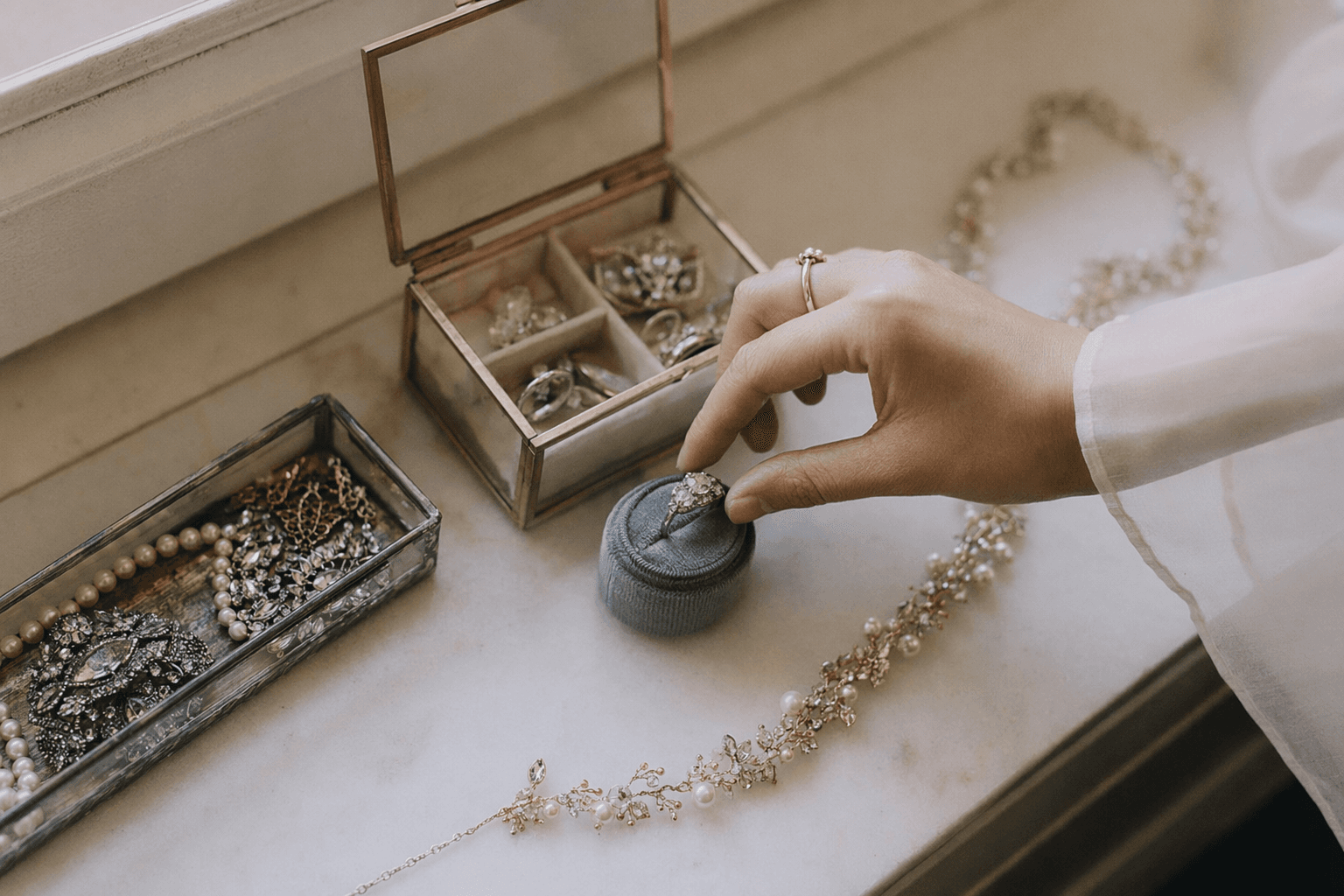
The hardest part of wearing a family heirloom is not the memory, it is the styling. A grandmother’s jewels, a mother’s saree, or a bordered dupatta can feel deeply personal and still look locked in another era if the proportions are wrong, the blouse is too ornate, or the finishing is too literal.
That is why heirloom restyling has become such a compelling bridal story. Fashion still runs on a linear model, and the Ellen MacArthur Foundation argues for a circular economy instead, one where products are used more, made to be made again, and built from safe, recycled, or renewable inputs. The scale of the problem is not abstract: it estimates that more than half of fast fashion is discarded in under a year, and that the textiles industry relies on 98 million tonnes of nonrenewable resources every year. UNEP places fashion and textiles inside the triple planetary crisis of climate change, biodiversity loss, and pollution and waste, and its 2025 Zero Waste messaging pointed directly at overproduction and overconsumption. In bridal dressing, that makes heirloom reuse feel less like a clever styling trick and more like a smart, beautiful answer to waste.
Start with the piece you want to save
The most successful heirloom look begins by choosing one object to lead. A heavy necklace, a maang tikka, a saree border, or a single embroidered panel can carry the emotional charge of the family story without forcing the whole outfit into costume territory. The mistake is treating every inherited element as equally important; the modern eye reads restraint as confidence.
Jewelry is often the easiest place to begin because it can be worn almost as an accent rather than a full inheritance set. A recent Jaipur wedding feature in Vogue India showed exactly how fresh this can look, with a bride wearing a 100-year-old maatha patti alongside jewelry designed by the groom. That pairing mattered because it did not freeze the old piece in time. It set the historic ornament against something personal and contemporary, proving that heirloom jewels can feel current when the rest of the styling is clean, sharp, and edited.
A few practical moves make the difference:
- Let one heritage piece dominate, then keep the rest of the jewelry quiet.
- Pair dense traditional metalwork with a modern neckline, such as a square blouse or an illusion neckline, so the face and collarbone stay open.
- Reset older stones into lighter, more wearable forms if the original setting feels too heavy for a sangeet or reception.
- Wear a maatha patti or nose ring with sleek hair rather than piling on more ornament, so the line stays contemporary.
Turn a saree into a silhouette, not a relic
A mother’s saree carries both emotional and visual value, but it rarely needs to stay exactly as it was. The most compelling updates come from changing the architecture: shift the drape, shorten the blouse, or recut the fabric into a lehenga skirt, corseted bodice, or sculpted sari gown that still preserves the original textile. The point is not to preserve every inch untouched. It is to preserve the feeling while making the shape work for how brides move through a wedding now.
This is where tailoring matters. A saree with a rich border can be re-engineered so that the border frames the hem or the pallu instead of pooling in a dated way. A blouse can be modernized with sharper straps, a lower back, or a cleaner seam line, while the old textile does the sentimental work. If the fabric is delicate, a skilled maker can line it, reinforce it, or combine it with a new base cloth so it holds up through mehendi, sangeet, ceremony, and reception.
Veils and dupattas deserve better than storage
A veil or dupatta is often the most emotionally loaded heirloom in the room because it sits so close to the face. That is exactly why it should be styled with precision. A bordered dupatta can become a veil for the ceremony, a shoulder drape for the reception, or a layered panel over a simpler outfit, allowing the heirloom embroidery to read as intentional rather than old-fashioned.
The strongest modern versions keep the original border or edge work and remove anything that overwhelms the body. If the piece is heavily embellished, pair it with a pared-back dress or lehenga in one quiet tone. If the fabric is sheer, let it stay light and floaty instead of over-structuring it, so the piece feels bridal without becoming bulky or theatrical. The best result is a line that glides, not one that announces itself at every step.
Embroidery and fabric scraps are the new luxury language
There is real fashion energy in using the smallest remnants well. The Hindu has tracked Indian designers including Amit Aggarwal, Injiri, Studio Medium, and Graine as they turn scraps, offcuts, and yardage rags into jackets, quilts, and other zero-waste pieces. That idea has clear bridal implications: if a family textile is too damaged to wear in full, its embroidery, trim, or border can still be cut down and rebuilt into something new.
Think in fragments rather than total garments. A panel of zardozi can become a blouse cuff, a neckline insert, or the front of a clutch. A printed silk can be reworked into a sash, a pocket detail, or a reception cape. Even heavily worn fabric can be useful when it is treated as material for composition instead of as a failed garment.
The visual payoff is modern because it breaks up the predictability of bridal dressing. A quilted jacket made from old fabric, a patchworked veil border, or a block of inherited embroidery on an otherwise minimal silhouette feels closer to fashion than archive. It also aligns with the wider zero-waste movement, where preservation is not nostalgia but design intelligence.
How to place heirlooms across the wedding calendar
For mehendi, choose the lightest interpretation: a single piece of jewelry, a shortened dupatta, or a small embroidered insert that keeps movement easy. That is the day for color, comfort, and a looser relationship to tradition.
For sangeet, lean into contrast. A historic necklace against a modern blouse, or an old textile cut into a sharper party silhouette, gives the outfit enough edge for evening without losing family resonance.
For the ceremony, let one heirloom take ceremonial priority. A maatha patti, a veil border, or a transformed saree can carry the emotional center while the rest of the look stays controlled and clean.
For the reception, edit hardest. This is where old embroidery, metalwork, or fabric can be distilled into the sleekest shape, with fewer layers and a clearer line, so the heirloom reads as high fashion rather than historical dress-up.
That is the new bridal balance: memory without stiffness, sentiment without spectacle. When an heirloom is cut, reset, or draped with intention, it stops looking like a keepsake from the past and starts reading as the most personal kind of modern luxury.
This article was produced by Prism’s automated news system from verified source data, official records, and press releases, then run through automated quality and moderation checks before publishing. The system is built and supervised by the people who set the standards it runs under. Read our full AI policy.
Did this article answer your question?