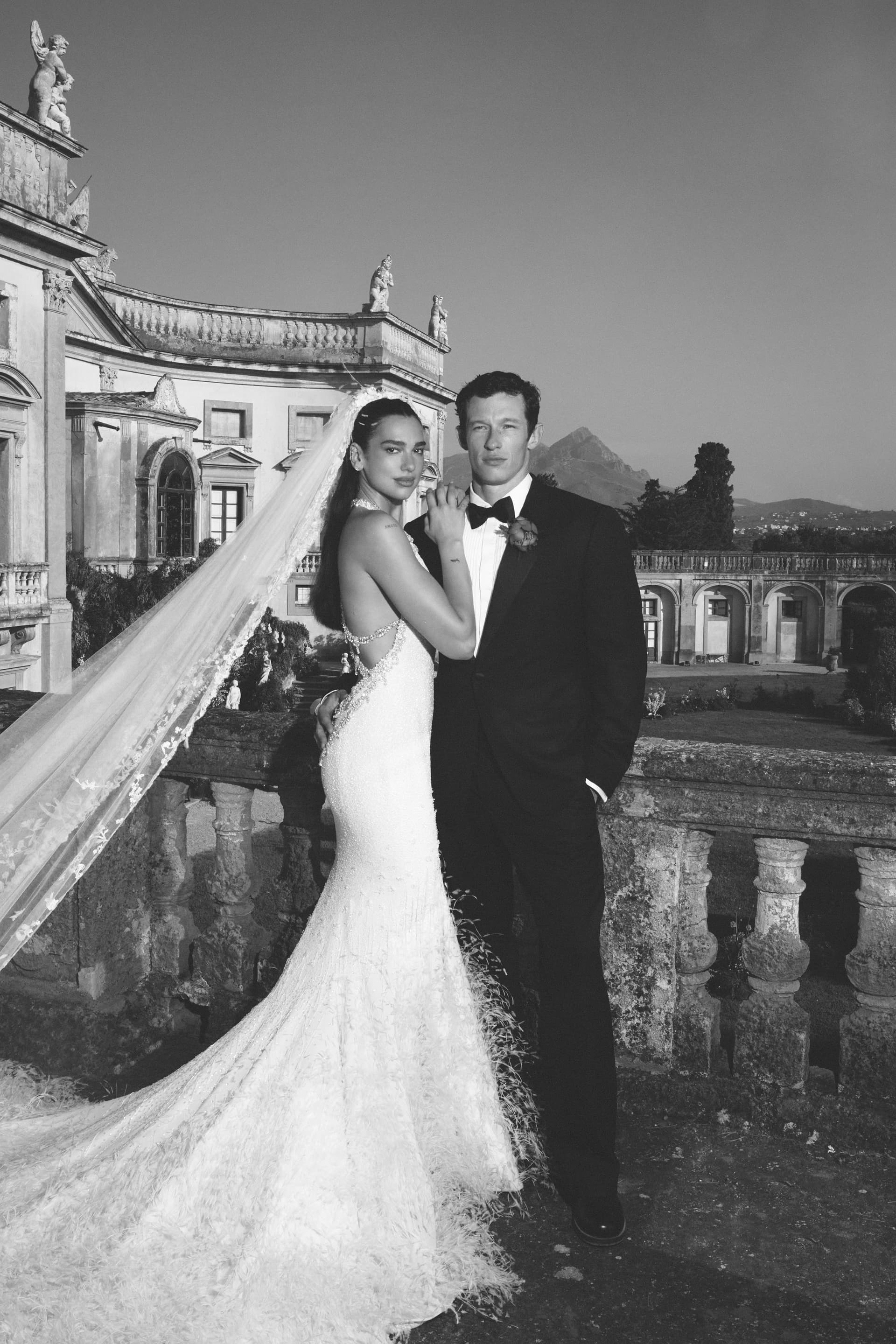
How to Preserve, Alter, and Repurpose Your Wedding Gown After the Big Day
Your gown cost thousands and lived one day — here's how to clean, preserve, or transform it into something you'll actually wear again.
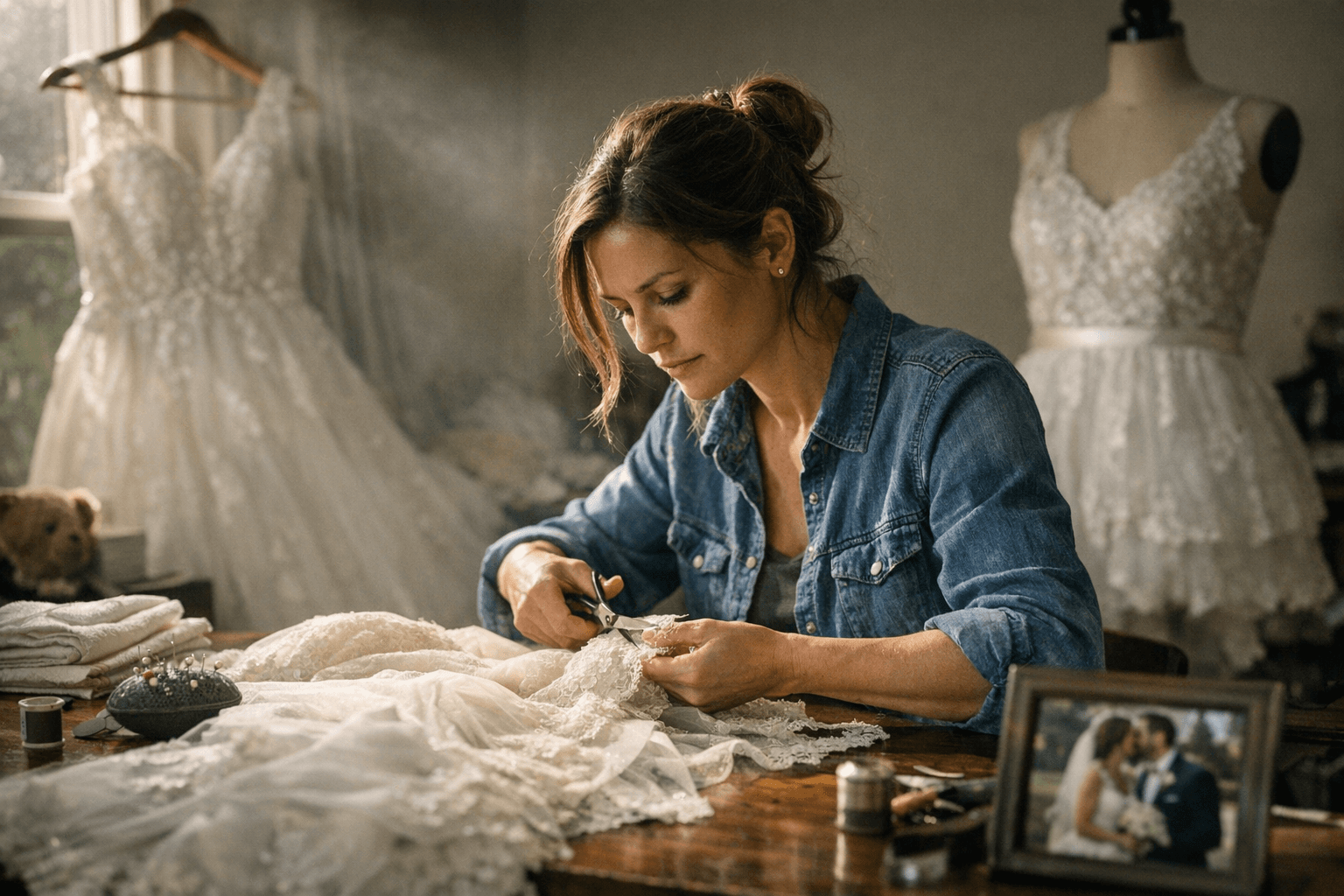
The dress hangs on the back of the bathroom door, champagne on the hem and a loose bead at the shoulder, and suddenly the most expensive garment you've ever owned needs a decision. Not next week. Now. What you do in the first 24 hours after your wedding sets the trajectory for everything: whether the silk survives intact for your daughter, whether the bodice becomes a bolero you'll actually reach for, or whether the whole thing gets sold on to the next bride for a fraction of retail. That decision tree starts with the fabric in front of you and the sentiment attached to it.
The First 24 Hours: What to Do Before You Sleep
Time is the enemy of wedding gown stains, and the first night is when most brides lose the battle. Before hanging the dress on any hook, do a quick sweep of the hem, bodice, and underarm seams, the three zones most likely to show damage. If you find a spill, resist every instinct to scrub. Blot with a clean white cloth, working from the outer edge of the stain inward, so you're corralling it rather than spreading it across the fabric. For transport, lay the gown flat in a garment box or loosely fold it over your arm; never cram it into a car boot still in its bag.
At home, hang the dress on a padded hanger, never a wire one, which can snag delicate lace or leave stress marks in the shoulder seam. This is strictly a short-term measure. Long-term hanging stretches even the most structured gown, particularly if it has a weighted train. The aim of night one is to give the dress air, assess the damage with clear eyes, and get it to a professional within the week.
Professional Preservation vs. At-Home Storage
Once the honeymoon is booked, the preservation question needs an answer. Professional wedding dress cleaning typically runs between $200 and $300 when you go direct to a specialist cleaner; routing through a local boutique that outsources the work can push that to $350 or more. Full preservation, which includes cleaning, acid-free packaging, and archival boxing, generally sits between $300 and $400, though specialist conservators working on heavily beaded or aged gowns can charge well above $1,000.
What you're paying for beyond the clean is the seal. A properly preserved gown is folded in acid-free tissue and housed in an archival box, often with a clear window so you can see the dress without breaking the seal. Do not open that box casually. Exposure to oxygen accelerates yellowing, meaning an unsealed gown needs to be cleaned and re-preserved all over again. Cedar chests and plastic garment bags are both off the table: cedar produces acidic gases that degrade fabric over time, and plastic traps moisture that breeds mildew.
Before committing to any cleaner, ask the right questions:
- Do they inspect and photograph the gown before and after cleaning?
- Can they treat beading, embroidery, or vintage lace without damage?
- What solvents do they use, and are they safe for silk and chiffon?
- Is the work done in-house or sent to a third party?
- What does their insurance cover if something goes wrong?
Replace the storage tissue and box every three years. It's a small maintenance step that makes a significant difference over a decade.
The Decision Tree: Preserve, Alter, or Repurpose?
Not every gown is a candidate for preservation, and not every bride wants to keep hers sealed in a box. The fabric, construction, and condition of the dress, combined with how much emotional weight it carries, should guide what happens next.
If the gown is intact, structurally sound, and made from heirloom-quality fabric like duchess satin, silk mikado, or hand-worked lace, preservation is the obvious call. If the dress has significant staining, damage to the construction, or you simply know you'll never pass it on, alteration or repurposing is a more honest use of both the fabric and your money.
Reworking Ideas: Five Ways to Give the Gown a Second Life
*The mini dress.* Removing a full skirt below the knee and rehemming the bodice into a short cocktail dress is the most dramatic transformation, and often the most wearable result. A structured ballgown skirt yields enough fabric for a separate mini skirt, leaving the fitted bodice intact as an evening top. Expect to pay a skilled alterations artisan between $200 and $500 depending on the complexity of the hem and whether boning needs to be removed or repositioned. Timeline: two to four weeks.
*The anniversary top.* If the bodice is the piece you loved most, separating it from the skirt and adding a clean waistband or invisible hem turns it into an evening crop or structured blouse you can actually rewear. Silk and lace bodices work particularly well here; heavily corseted structures may need some internal adjustment to sit comfortably without the skirt's counterweight.
*The christening gown.* Transforming a wedding gown into a christening or baptism dress is one of the most emotionally resonant repurposing routes available. The cost ranges from $150 to $600 depending on the original gown's construction, fabric, and the complexity of the new design, with intricate lace or beaded detailing driving costs higher. A skilled bridal seamstress can use the train fabric for the gown body, keeping the more embellished sections for the yoke or hem. Timeline: four to eight weeks.
*The veil or cape.* Detachable trains made from chiffon, organza, or tulle have a natural second life as a floor-length cape or occasion veil. The seam work is relatively minimal compared to structural alterations, making this one of the more cost-effective conversions, often between $100 and $250. It's a particularly elegant option for cathedral or royal trains that feel wasteful to simply fold away.
*Keepsakes and accessories.* Bodice fabric can be cut and hand-rolled into pocket squares or handkerchiefs. Oversized bow details, a signature of recent bridal seasons, can be detached and relined as hair accessories or bag charms. Lace panels work beautifully framed in a shadowbox alongside a photograph from the day. These smaller projects often cost under $100 and can be done by a skilled seamstress in a single session.
Sustainable End-of-Life: Resale, Rental, and Beyond
If none of the above feels right, the resale market has never been more robust. Platforms like Stillwhite, which lists over 100,000 pre-owned gowns globally, and Nearly Newlywed operate specifically in the bridal space and connect sellers directly with buyers who are already searching. Facebook Marketplace and local consignment are viable for more accessible price points. Brides who sell through these channels typically recoup 40 to 60 percent of the original retail price, provided the gown has been professionally cleaned and is photographed honestly, with accurate measurements and alteration history declared.
For gowns with strong resale value but no immediate buyer, consignment boutiques will handle the listing and negotiation in exchange for a commission, typically around 40 to 50 percent of the final sale price. Rental is an emerging option for designer gowns that hold their shape well across multiple wears, particularly structured ballgowns and clean column silhouettes.
If the gown is too fragile, stained, or structurally compromised for any of these routes, upcycling fabric into memorial items or donating to organizations that create gowns for charitable purposes are both meaningful exits.
What to Ask Before You Commit
Whether you're speaking to a bridal salon about alteration options, an alterations artisan about a rework, or a preservation service about cleaning, a few questions will sharpen your decision quickly:
- What fabrics do you specialize in, and have you worked with this specific construction before?
- Can I see examples of similar work you've completed?
- What is the timeline, and what happens if there are complications mid-project?
- What is included in the quoted price, and what would trigger additional charges?
- Do you offer a written estimate before work begins?
Timelines and Budgeting at a Glance
The overall costs break down roughly as follows: professional cleaning and preservation sits at $300 to $400 for most modern gowns; structural alterations like the mini dress conversion or bodice separation range from $200 to $500; a christening gown conversion runs $150 to $600; smaller keepsake projects come in under $100. Allow at minimum two weeks for any alteration and four to six weeks for preservation and archival boxing from a reputable service.
The gown you wore for one day can, with some intention and the right hands, become several things: a family heirloom, a wearable piece of your own wardrobe, a garment for the next generation, or the seed of another bride's story. The worst outcome is doing nothing while the fabric yellows in a plastic bag at the back of a wardrobe. The best outcome is whatever decision you make deliberately.
This article was produced by Prism’s automated news system from verified source data, official records, and press releases, then run through automated quality and moderation checks before publishing. The system is built and supervised by the people who set the standards it runs under. Read our full AI policy.
Did this article answer your question?