The Ultimate Guide to 2026 and 2027 Wedding Dress Trends
Sculptural waists, convertible silhouettes, and a full-on maximalist-versus-minimalist split: bridal fashion for 2026 and 2027 is making the dress the entire conversation.
Right now, bridal fashion is doing something it rarely pulls off cleanly: moving in two opposite directions at once and making both feel inevitable. The 2026 and 2027 collections are split between full fantasy maximalism and razor-sharp architectural restraint, with a handful of genuinely new silhouette ideas sitting between the two poles. If you're shopping for a gown in the next two years, knowing how to read these trends on the hanger, rather than just on the runway, is what separates a dress you love on a mood board from one you'll love in photos for the rest of your life.
Sculptural Silhouettes and the Waistline Revolution
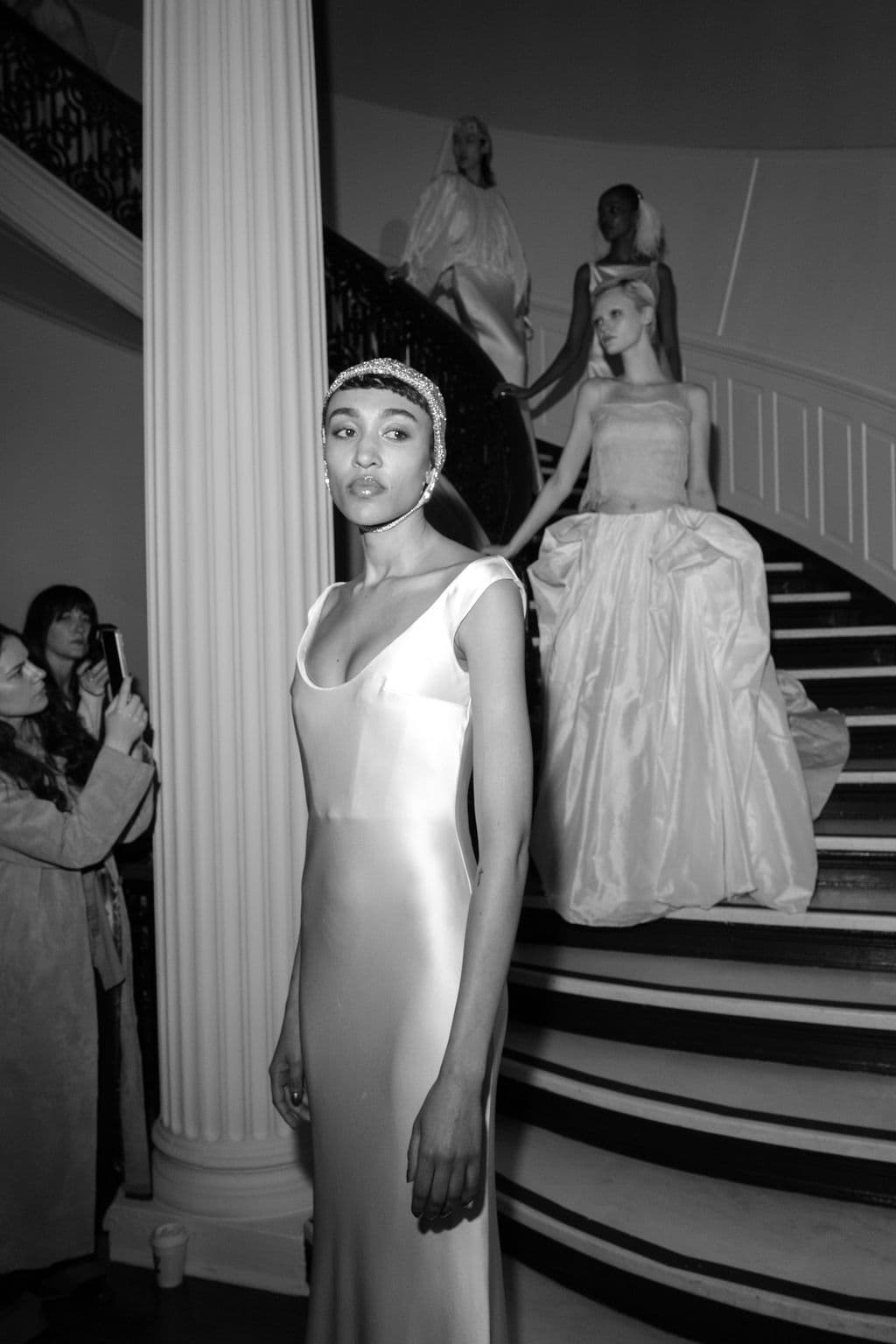
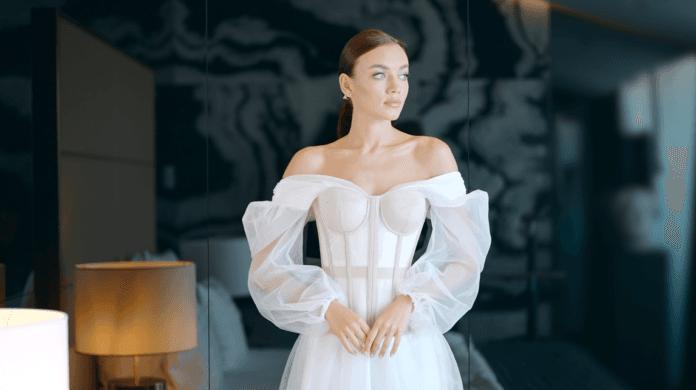
The single biggest structural shift across 2026 and 2027 collections is happening at the waist. Low basque waists, where the seam dips below the natural waist into a V or U shape, are appearing everywhere, from Moonlight Couture's beaded ball gowns to Pronovias's architectural satin columns. Dropped waists are equally prominent, creating elongated proportions that feel more editorial than traditional. Victorian-inspired corsetry has also returned, but with modern lightness: visible boning, lacing, and transparent panels are being used not as costume references but as precision construction details that genuinely flatter.
- A basque seam that sits 2-3 inches below your natural waist, which elongates the torso
- Structured boning inside the bodice (ask to see it open; couture-level construction will show individual bones, not just a stiff panel)
- Dropped waist seams that hit the high hip, best balanced with a fluid skirt below
What to look for on the hanger:
Who it flatters: Basque and dropped waists work particularly well on tall frames and hourglass shapes, but structured corsetry is genuinely flattering on any figure because it creates definition rather than relying on it. Best venues: Formal ballrooms, cathedral ceremonies, winery estates. Alteration question to ask: "Can the waist seam be let out or taken in independently of the bodice?" A well-constructed basque waist should allow this.
Innovative Necklines Worth Knowing
The crescent neckline is predicted to be universally flattering, described as "sleek, soft, and sculptural all at once, giving brides something new without straying too far from tradition." It reads as a softened square neckline with a gentle upward curve at the center, and it photographs exceptionally cleanly. Alongside it, angular corset-inspired necklines with sharp geometric edges are appearing as a counterpoint: harder, more fashion-forward, and particularly striking in structured fabrics like mikado or duchess satin.
- A crescent neckline should follow a smooth, even curve with no puckering at the ends, which signals poor pattern-cutting
- Angular corset necklines need precise boning at the top edge to hold their shape over a full day
- High necklines emerged as a defining trend on spring 2026 bridal runways, offering a sophisticated alternative to the low-cut designs that have recently dominated bridal fashion
What to look for on the hanger:
Who it flatters: Crescent cuts suit wider shoulders and collarbone-forward figures. Angular corset necklines work best on longer torsos. Best venues: Crescent necklines are effortlessly versatile; angular styles suit modern, design-forward venues. Alteration question to ask: "Can the neckline edge be reinforced if the fabric softens?" This matters most for structured corset tops.
Convertible and Modular Dressing
This is the trend with the most practical upside and the most room to overspend if you're not strategic. Spring 2026 bridal collections have seen a wholesale rethinking of how a wedding dress functions, with brides stepping beyond the one-and-done gown and wearing multiple looks across their wedding weekend. Convertible silhouettes with removable skirts, detachable sleeves, and layering pieces let brides reinvent their look throughout the day with minimal effort. Layered skirts, detachable sleeves, and convertible trains make this trend as functional as it is fashionable.
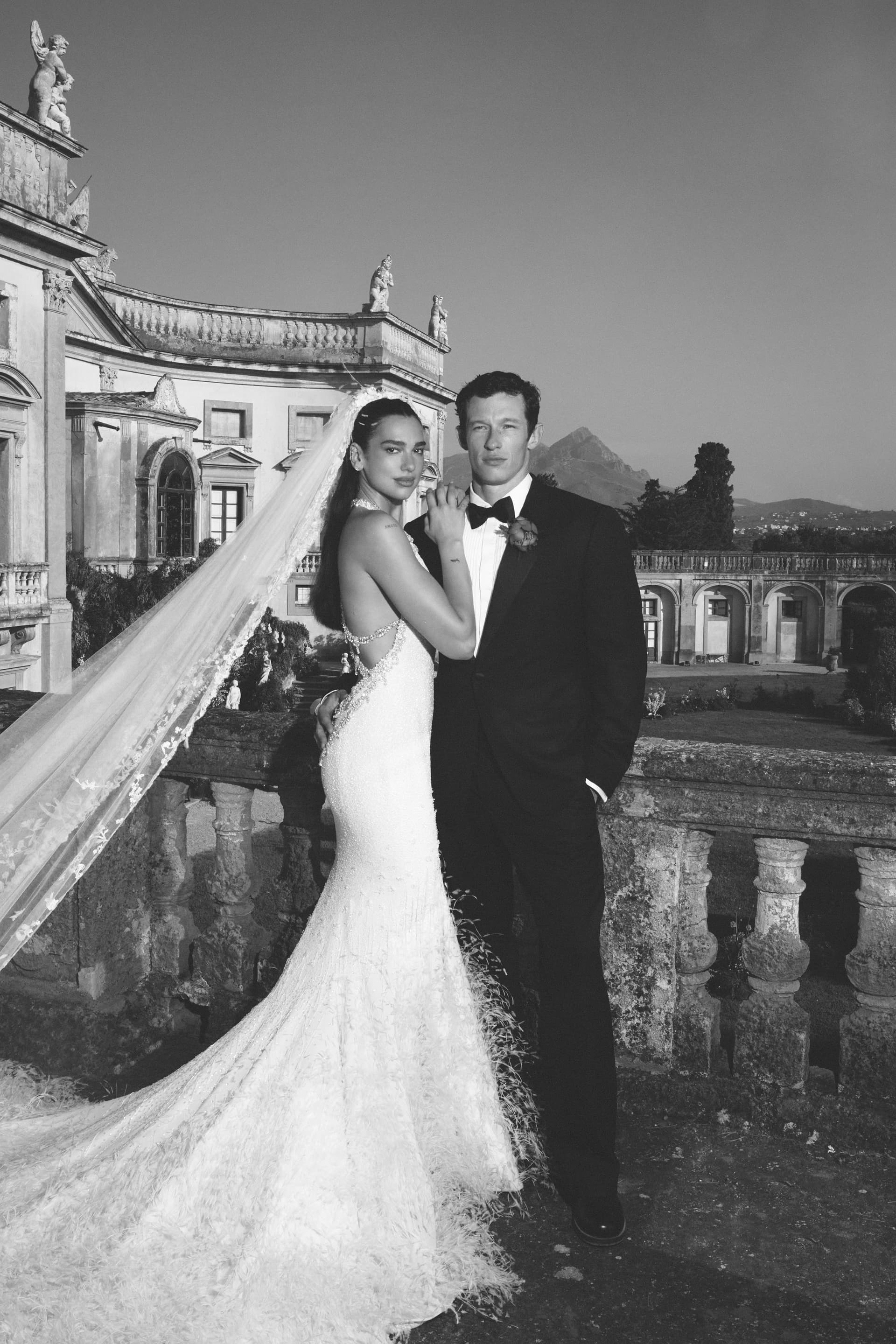
Brands like Graceloveslace have made this concrete with pairings like a mini dress base and a detachable full-length lace skirt. The concept scales down too: a detachable capelet or a removable long sleeve can shift a ceremony gown into a reception look without a full change. Dramatic trains are gaining popularity in 2026, and removable overskirts are popular for their elegance and versatility, allowing brides to transition seamlessly from ceremony to reception.
- Attachment points for detachable pieces should be concealed and secure (hidden hooks, not just ribbons that can slip)
- Check that the base dress reads as complete on its own, not like something is obviously missing
- Detachable sleeves should have enough structure to stay put through dancing
What to look for on the hanger:
Who it flatters: Every body type, because the modular approach lets you calibrate coverage and volume for different moments. Best venues: Multi-venue weddings, destination weekends, or any event with a distinct ceremony-to-reception transition. Alteration question to ask: "Can the attachment points be reinforced or repositioned?" Custom placement makes a huge difference in how natural the detachable piece reads.
The Big Split: Disney Princess Core vs. Architectural Minimalism
This is where 2026 and 2027 bridal get genuinely interesting. Rather than one dominant silhouette, the market has polarized into two distinct camps and you should figure out which one you're actually in before you step into a fitting room.
Ball gowns are back in a significant way, with modern brides embracing volume, drama, and that quintessential princess moment. These aren't just any ball gowns: they feature architectural details, unexpected fabrics, and glamorous embellishments. Think layers of sparkle tulle, lace appliqués, and exaggerated skirts in organza as well as structured fabrics that hold their shape without the weight of traditional crinoline. This is the Disney Princess Core end of the spectrum, unapologetically full and romantic.
On the other side: minimalist wedding dresses crafted from luxurious satins, crepes, or mikado fabrics feature elegant drapes, subtle architectural details, and impeccable tailoring. This trend speaks to the bride who believes less is truly more. In 2026, the focus returns to the fundamentals of great design. Clean lines, architectural structure, and impeccable construction redefine timeless bridal shapes with a contemporary edge. Designers like Viktor & Rolf and Jenny Yoo have championed this direction, with gowns where the fabric weight and seam placement do all the work.
- Princess Core: even distribution of volume in the skirt, no sagging panels, and a bodice with enough structure to support the skirt weight
- Minimalist: check that seams lie flat and the fabric has enough body to drape cleanly rather than clinging unevenly
What to look for on the hanger:
Who it flatters: Volume flatters petite and pear-shaped frames when the fullness starts at the hip rather than the waist. Minimalist architectural styles suit tall, lean, or athletic builds, but a well-placed seam in a structured crepe works on most figures. Best venues: Princess Core suits grand ballrooms, estate lawns, and anything with a processional aisle long enough to appreciate the drama. Minimalist styles belong in modern galleries, boutique hotels, and city halls. Alteration question to ask for Princess Core: "Can the skirt volume be adjusted post-fitting?" A good atelier can reduce or redistribute tulle layers.
Sustainability and Fabrics That Actually Photograph Well
Sustainability is a major focus in 2026 wedding fashion, with brides opting for eco-friendly fabrics and versatile designs that can be worn beyond the wedding day. Designers now use organic silk, recycled lace, and low-impact dyes, and eco-friendly can be luxurious. Pronovias predicts that fabric will lead the conversation for 2026 and 2027. Upgraded mikados, luminous satins, fluid voiles, airy chiffons, updated jacquards, and subtle embellishments create movement and texture while maintaining a refined aesthetic.
The photography angle matters more than it gets credit for. Matte crepes and voiles read softly and avoid harsh light reflection, while luminous satins catch directional light beautifully in golden hour outdoor portraits but can flatten under harsh ceremony lighting. Chiffon layers create movement in video that still photography can't always capture. Before committing to a fabric, consider your specific venue lighting and whether your photographer shoots film or digital, each responds differently to sheen.
- Ask about fabric origin: "Is this an organic or recycled fiber?" is a completely normal question in 2026 bridal retail
- Hold the fabric up to the store's overhead light to see how it reflects; this is often closer to church or hall lighting than outdoor light
- Sustainable laces and silks now rival conventional options in hand and drape; don't assume a lower environmental footprint means lower quality
What to look for on the hanger:
The strongest instinct you can apply across all five of these trend directions is this: buy the dress for the dress, not for the trend label. The sculptural waistlines, convertible elements, and photogenic fabrics of 2026 and 2027 are all pointing toward one coherent idea, namely that a wedding gown should work harder for the woman wearing it. When a dress does that, the trend becomes irrelevant.
This article was produced by Prism’s automated news system from verified source data, official records, and press releases, then run through automated quality and moderation checks before publishing. The system is built and supervised by the people who set the standards it runs under. Read our full AI policy.
Did this article answer your question?