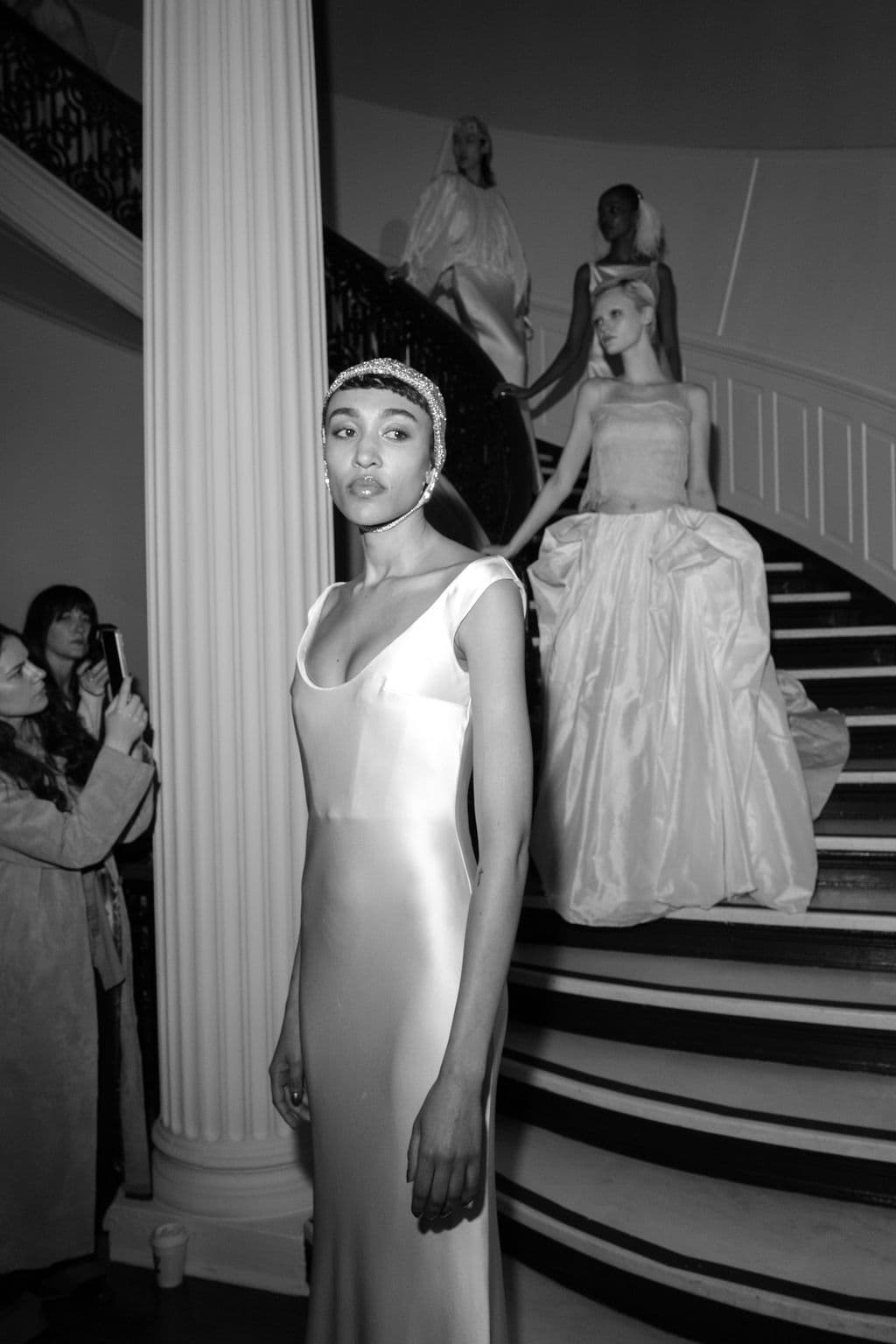
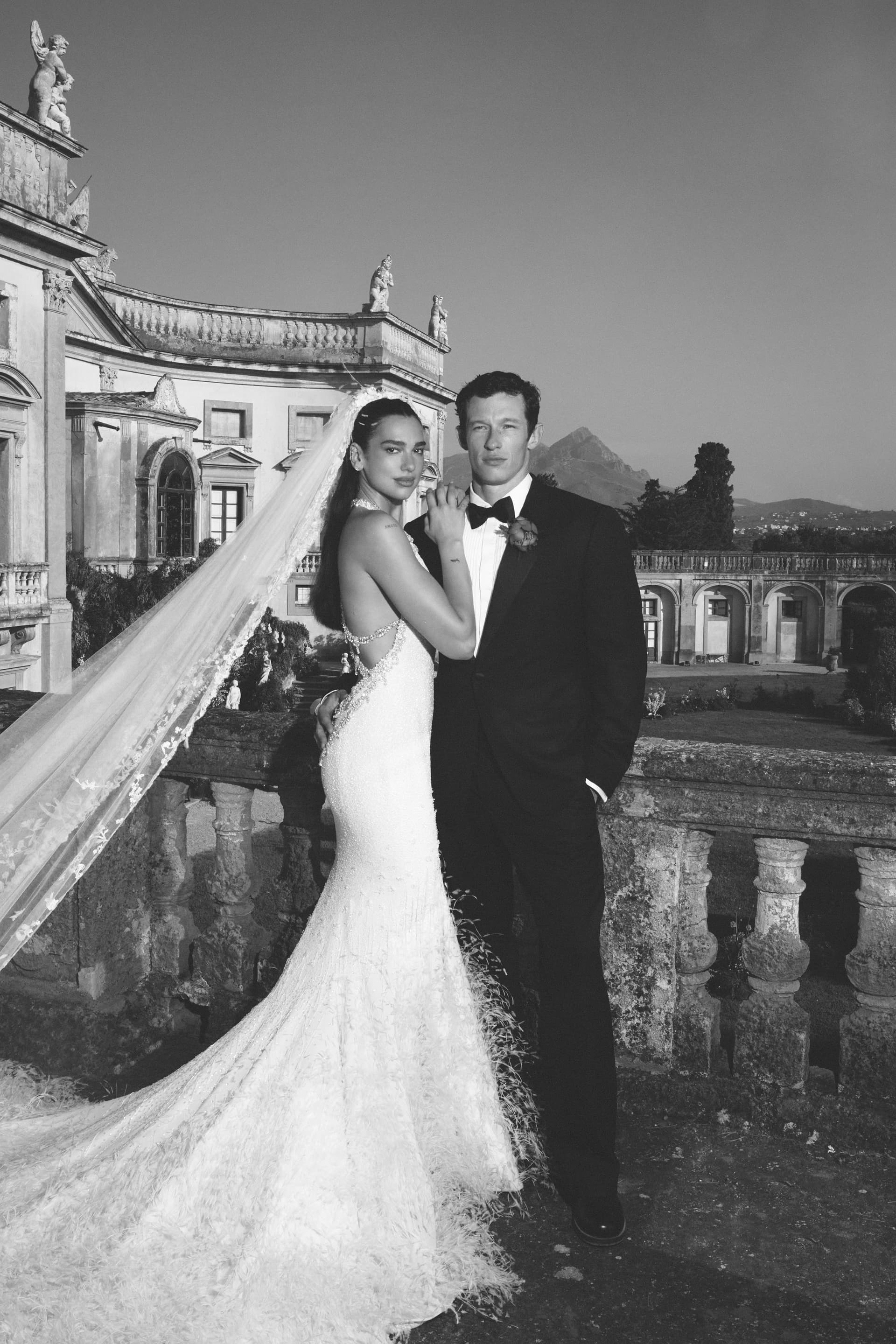
Indian Bridal Fashion Turns Softer, Favoring Comfort and Fluid Silhouettes
Indian bridalwear is getting lighter, smarter, and easier to move in. Pre-draped saris and fluid silhouettes now deliver the drama without the drag.
The new bridal brief is softness without surrender
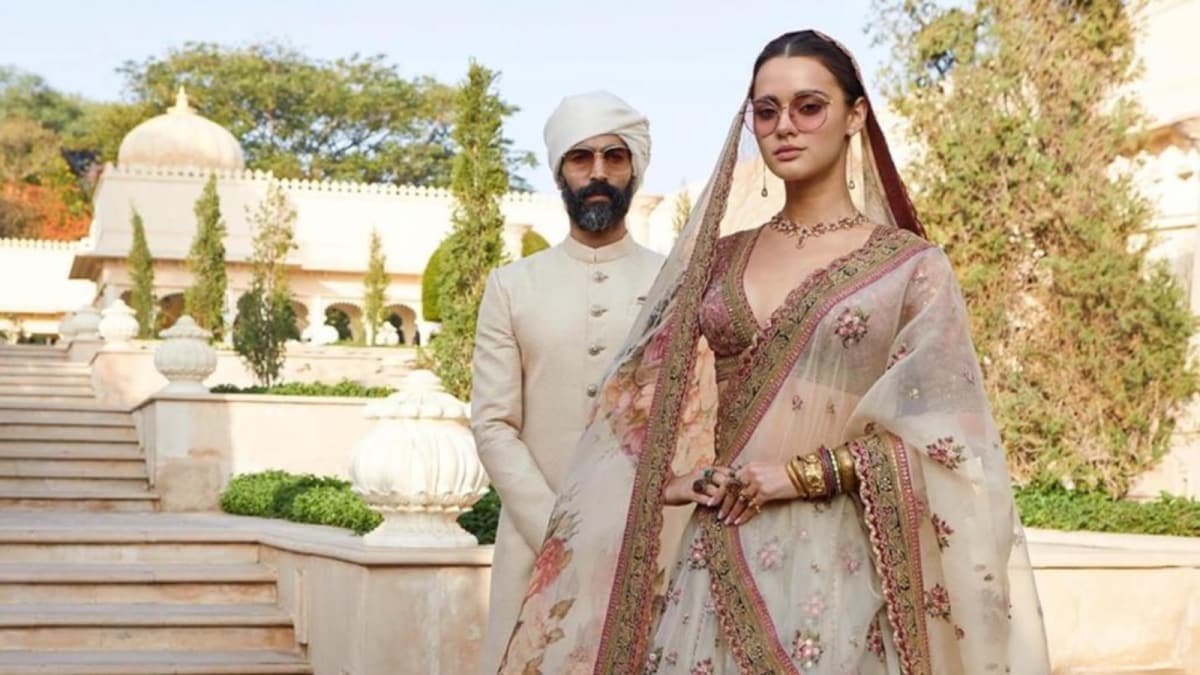
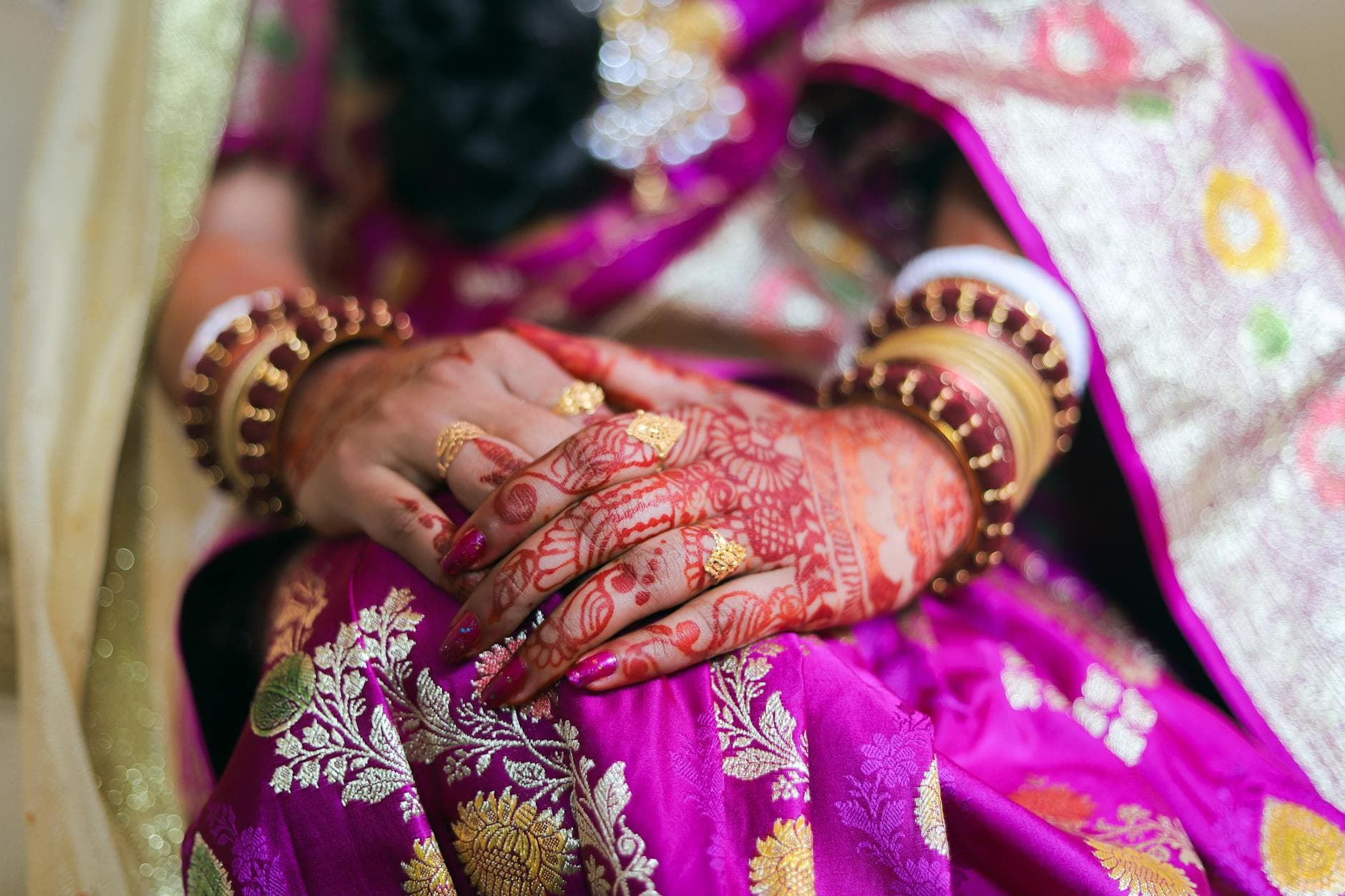
Indian bridal fashion is having a beautifully sensible moment. The old equation of wedding dressing, more embroidery, more weight, more effort, is giving way to something far more compelling: clothes that still look ceremonial but feel wearable enough to let a bride breathe, walk, dance, and actually enjoy the day. A fuchsia pre-draped sari and a dramatic lehenga can now sit in the same conversation, but the mood has shifted. The spectacle is still there. The burden is not.
That change matters because Indian bridalwear has always lived at the intersection of emotion and endurance. The sari and the lehenga are not just garments; they carry family memory, regional identity, and the visual grammar of celebration. What feels new is the insistence that that richness should not come at the cost of comfort. The most persuasive pieces this season are the ones that understand a bride does not need to be armored to look unforgettable.
Why pre-draped dressing is winning brides over
India Today called pre-draped saris and coordinated sets major bridal trends for 2024, and the appeal is obvious once you watch how a wedding day actually unfolds. A traditional sari demands pleating, pinning, adjusting, and re-adjusting, often across several functions and several outfits in one weekend. By contrast, pre-draped silhouettes remove that friction. They free the body, reduce saree-handling hassles, and make getting dressed feel closer to sliding into a finished look than assembling a ritual.
That ease is especially attractive for summer brides and destination weddings, where heat, travel, and long guest lists can make heavy construction feel punishing. A lighter sari, a fluid skirt, or a coordinated set with an embellished cape can still read as formal and rooted in tradition, but it moves with the wearer instead of against her. For brides moving through multiple events, that flexibility is a small luxury with a large emotional payoff.
The shift also speaks to re-wear value, which is becoming impossible to ignore. A pre-draped sari can be worn with a different blouse later. A corset can be paired with a skirt for another celebration. A cape can temper a simpler outfit in a way that still feels elevated. In a bridal market that now prizes both memory and practicality, that kind of modular dressing is not a compromise. It is intelligence.
The sari’s old-world authority still anchors the story
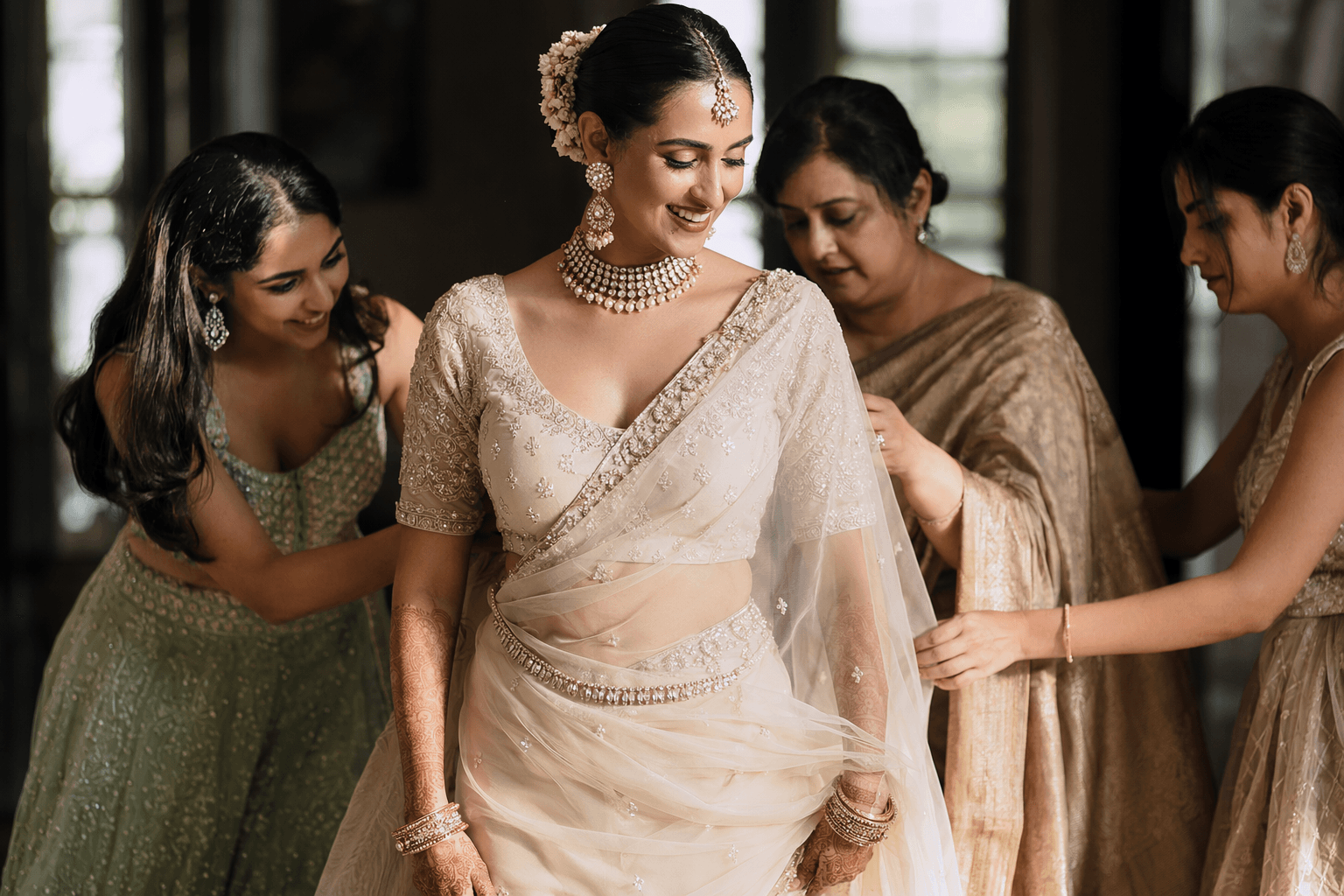
What makes this softer turn feel culturally grounded, rather than trend-chasing, is that it remains tethered to one of India’s oldest and most adaptable garments. National Geographic traces the first mention of the sari to the Rig Veda, around 3000 B.C., and notes that the garment is especially suited to India’s hot climate. That history gives the current wave of pre-draped versions real legitimacy. This is not a rejection of tradition. It is a re-engineering of a form that has always understood climate, movement, and drape.
That is why the best modern bridal interpretations do not look like costume. They feel like evolution. When a sari is pre-set, lighter, or styled with a more contemporary blouse, it preserves the long line and unmistakable romance of the original while making the garment work for present-day weddings. The result is not less Indian. It is more usable, which in bridalwear can be its own kind of reverence.
Amit Aggarwal pushes bridal dressing beyond the predictable lehenga
If there is a designer who captures this new mood with real authority, it is Amit Aggarwal. At India Couture Week 2024, he showed 53 looks that stretched bridal and occasion wear far beyond the standard heavy lehenga formula. Among them was a deep red deconstructed Banarasi sari gown made from recycled plastics, cotton, and industrial materials, a piece that felt equal parts rooted and futuristic.
Aggarwal’s point was clear: couture should be celebrated beyond the lehenga, and it should center the wearer’s individual journey. That matters in a bridal market where many women want grandeur but not sameness. His work does not flatten tradition into minimalism. Instead, it reframes it through structure, texture, and material experimentation, so that a bride can still feel ceremonial without being trapped inside the expected silhouette.
The deconstructed Banarasi sari gown is especially telling because it takes one of the most loaded forms in Indian dress and loosens it. Banarasi weaving carries enormous cultural weight, but Aggarwal treats that weight as a starting point, not a limit. The use of recycled plastics and industrial materials gives the garment a sharper edge, while the sari reference keeps it emotionally legible. That balance, between innovation and memory, is exactly where modern bridalwear is heading.
The market is big enough to reward comfort
This softer aesthetic is not emerging in a vacuum. WedMeGood estimated 4.8 million weddings in India between October and December 2024, with those celebrations expected to generate 6 trillion in business. The average wedding budget came in at 36.5 lakh, while destination weddings averaged 51.1 lakh. Those numbers explain why bridal wear is being treated with such seriousness: each outfit is part of a much larger production, and brides are increasingly choosing pieces that have to perform across several settings.
The wider wedding services market reinforces the point. The Hindu put India’s wedding services market at about 8.64 trillion in 2024, with projections to reach 18.94 trillion by 2030. In a market of that scale, the smartest design ideas are often the ones that solve real problems: heat, time, travel, crowding, and the sheer physical strain of moving through a packed calendar of ceremonies. Comfort is no longer a side note. It is part of the value proposition.
Why the look is shifting now
CBC Life’s 2024 bridal fashion forecast found that Indian wedding labels were expecting a mix of traditional and contemporary dressing, from modern pastels to regal angarkhas and fusion looks. That is the broader picture here: brides are mixing silhouettes, colours, and references more freely than they did five years ago. A summer-weight palette can sit beside a richly worked lehenga. A pre-draped sari can feel as occasion-ready as any more elaborate form.
The best part of this movement is that it does not ask brides to choose between culture and comfort. It treats mobility as part of elegance and ease as part of luxury. In that sense, the new Indian bridal wardrobe is not less opulent than before. It is more practical, more personal, and in many cases, more beautiful because it finally lets the woman inside the clothes take center stage.
This article was produced by Prism’s automated news system from verified source data, official records, and press releases, then run through automated quality and moderation checks before publishing. The system is built and supervised by the people who set the standards it runs under. Read our full AI policy.
Did this article answer your question?