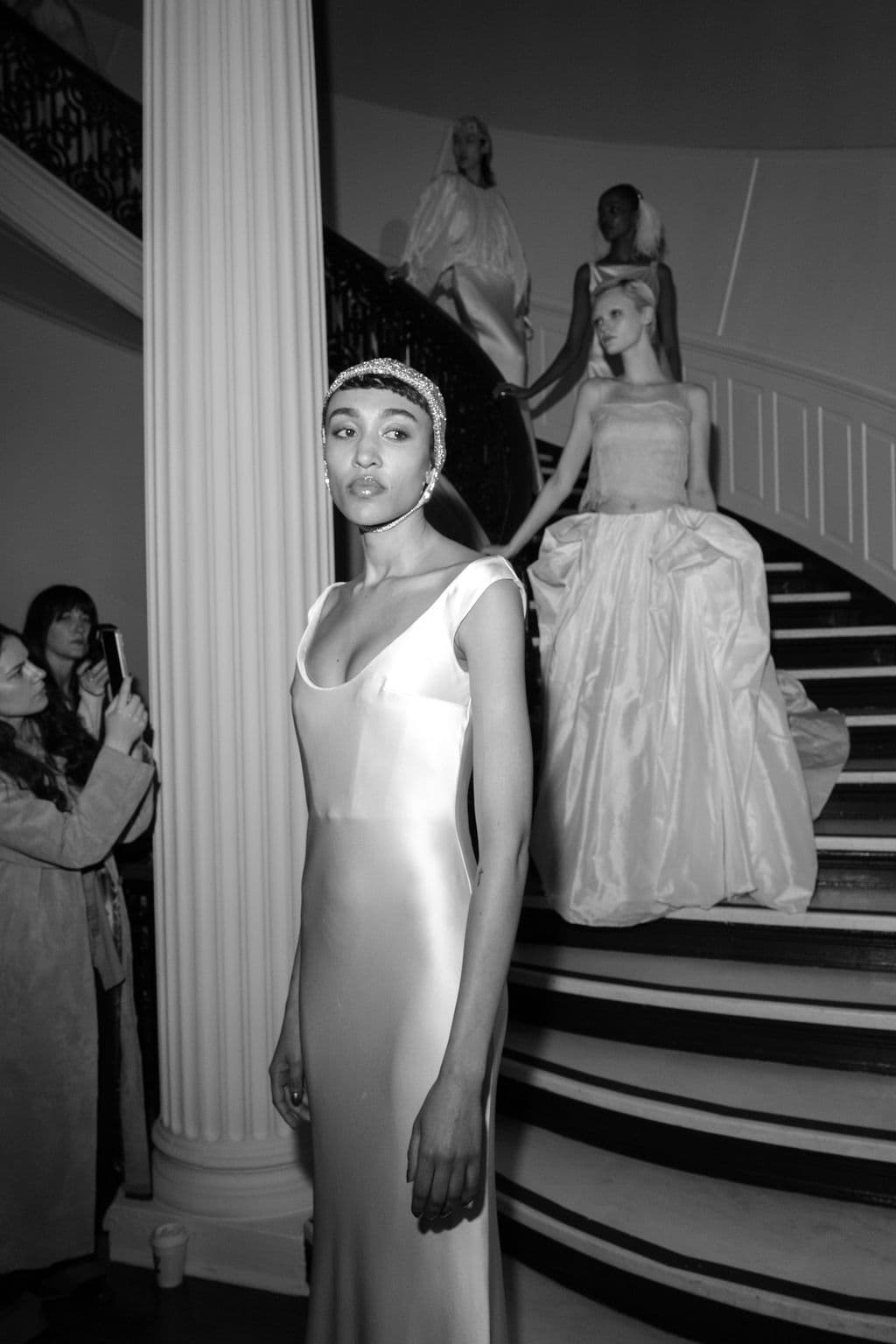
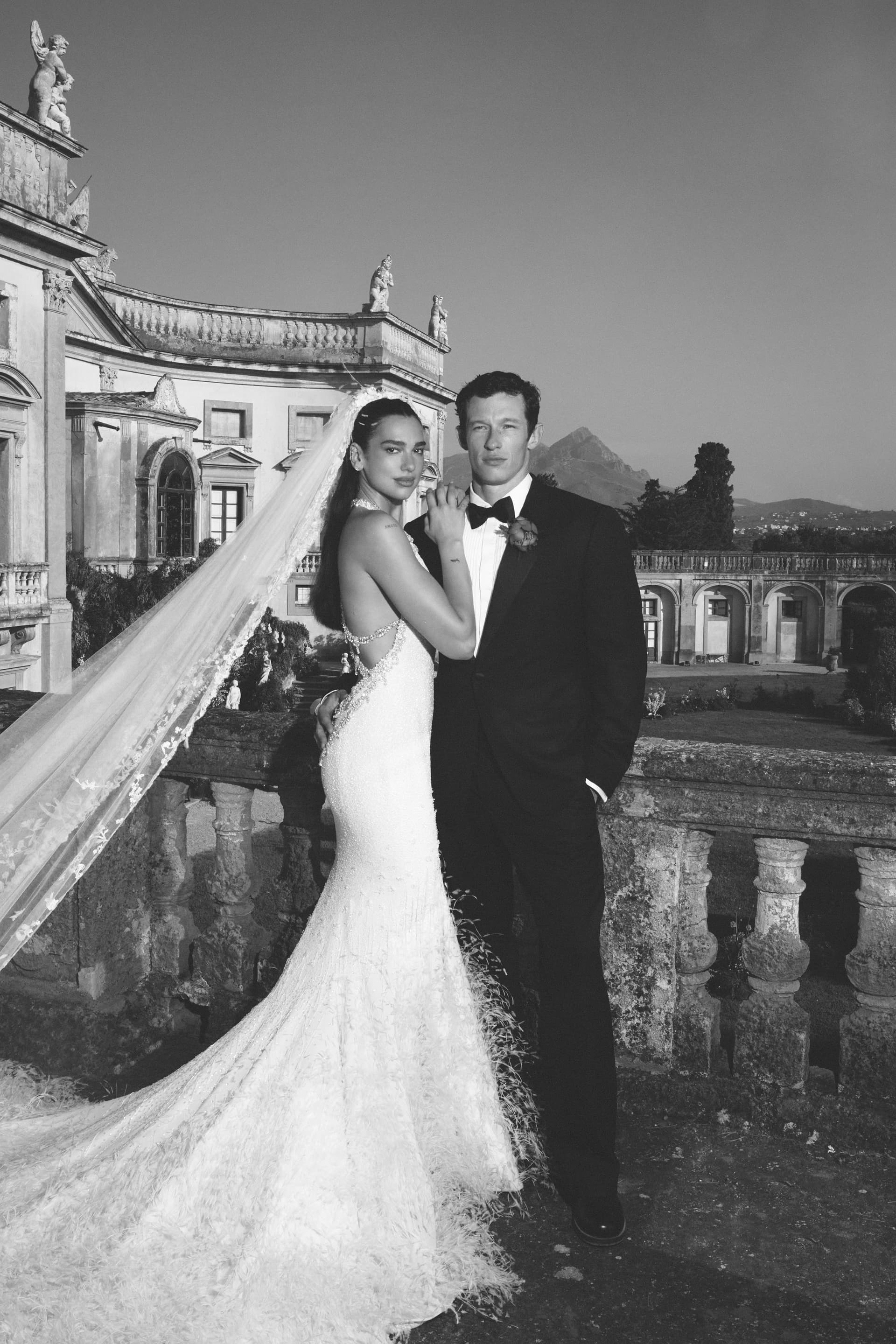
I’ve been mother of the bride or groom four times. These are my style tips
After four weddings as mother of the bride or groom, Baroness Helena Morrissey has learned the hard way what to wear and what to skip.
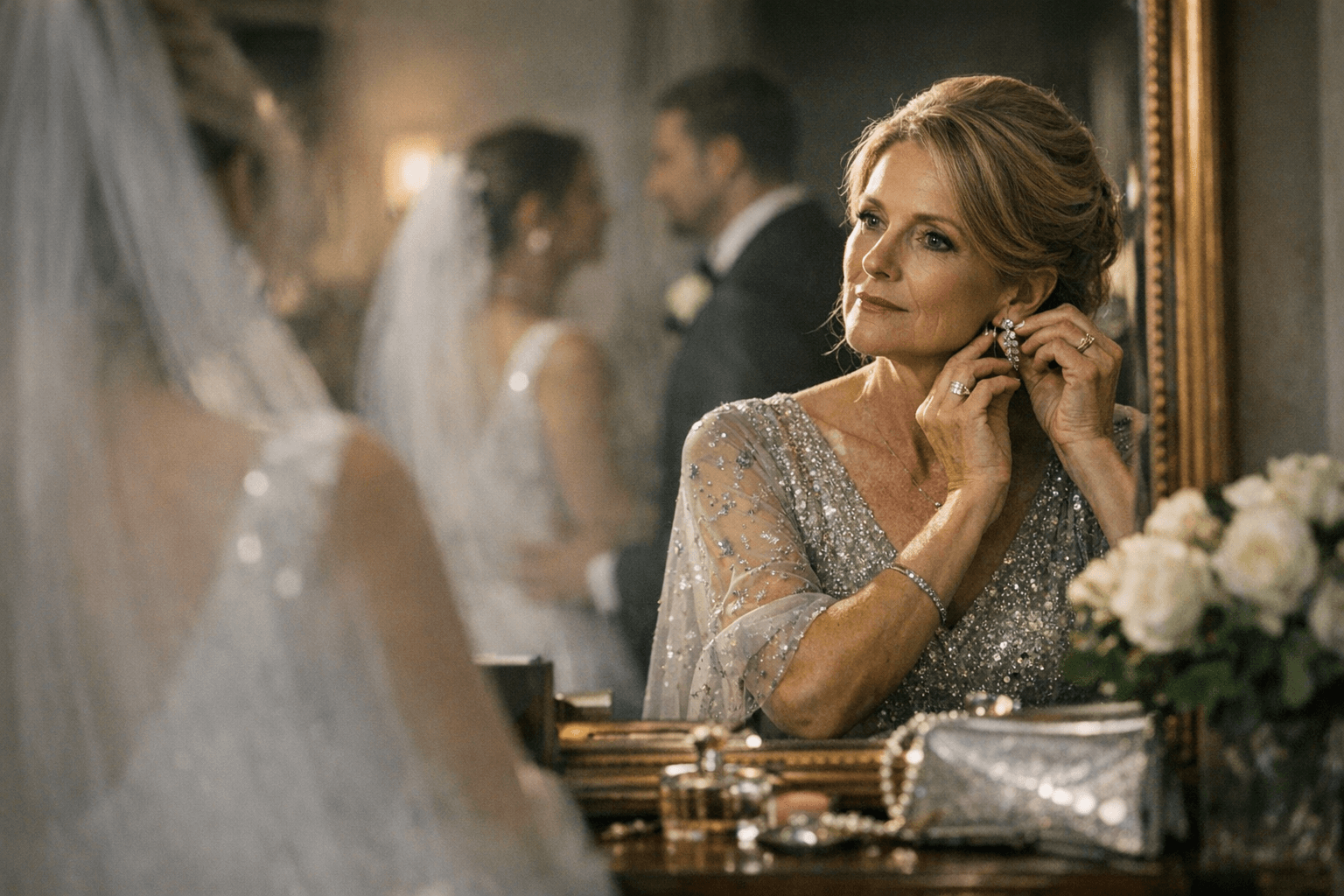
Four weddings. Four times standing at the intersection of personal pride and someone else's spotlight. Baroness Helena Morrissey has navigated the mother-of-the-bride and mother-of-the-groom role more than most, and the lessons she's gathered across those experiences cut through the noise of trend reports and bridal retail with something rarer: earned opinion.
The role is unlike any other dressing occasion. You're photographed almost as much as the couple, expected to look polished through a ten-hour day that moves from a chilly church to a sun-baked terrace to a candlelit reception, and you're doing all of it while quietly managing family logistics and trying not to cry during the vows. What you wear has to work across all of it.
Comfort and fit come first, always
The single most common mistake mothers make is choosing an outfit led by trend rather than by fit. Morrissey's experience across four family weddings consistently returns to the same point: flattering tailoring matters more than what's currently on the runway. A beautifully cut dress in a considered fabric will outlast any moment-driven silhouette in both photographs and memory.
Softer tailoring is the sweet spot. Think fluid crepe rather than stiff brocade, a well-placed dart rather than aggressive corseting. The goal is an outline that feels effortless, not constructed. If you're holding your breath or tugging at a hem every forty minutes, the outfit has already failed you, regardless of the label.
Getting the fit professionally adjusted is non-negotiable. Even a modest alteration, taking in a waist, lifting a hemline, nipping a shoulder seam, transforms how a garment photographs and how you carry yourself in it. The difference between a dress that fits and a dress that fits you is everything on a day when every moment is being captured.
The colour rules that matter
Two colours are off the table entirely: bridal white and funereal black. Morrissey is clear on both. White in any shade, ivory, champagne that reads as cream, anything that could blur the boundary between mother and bride, is a quiet act of outfit theft. Black, while elegant in almost every other context, carries the wrong register for a celebration; it reads as mourning at a moment that demands joy.
Between those two poles, the palette is wide. Soft neutrals such as dove grey, taupe, and warm blush have real longevity in photographs without competing with the bridal party. Rich jewel tones, deep emerald, sapphire, plum, work particularly well for evening weddings where the light is low and warmth of colour reads beautifully on camera.
Colour clashes in group photographs are worth thinking about early. A quick conversation with the mother of the groom (if you're the mother of the bride, and vice versa) avoids the awkward moment where two women who've both chosen dusty rose arrive in nearly identical outfits. You don't need to coordinate formally, but you should at minimum ensure you're not accidentally twinning or clashing at opposite ends of the spectrum.
Dress for the venue and the weather
A country house wedding in April and a rooftop ceremony in July require entirely different thinking. Morrissey's advice here is grounded in practicality: read the venue and season first, then build the outfit around those conditions rather than retrofitting a dress you love into a context that doesn't suit it.
For outdoor or garden settings, breathable fabrics such as chiffon and soft organza are worth prioritising. A wrap or tailored jacket that coordinates with the dress gives you something to reach for when the temperature drops as the evening progresses, without disrupting the overall line of the outfit. For formal interiors, a more structured silhouette in a heavier fabric earns its place.
Venue also affects your footwear calculation. Grass, cobblestones, and gravel are the enemy of a stiletto. Dressing for the venue means thinking below the ankle.
The footwear question
Long wedding days expose bad footwear decisions within the first hour. Morrissey's guidance is sensible: choose a heel you can genuinely wear across an eight-to-ten hour day, not one that looks correct in the mirror at 9am and becomes a problem by the speeches.
A block heel or a kitten heel offers height without the instability of a narrow stiletto. Dressy flats are a legitimate choice, particularly for outdoor venues where a thin heel will sink into soft ground. The key is testing footwear in advance, not just trying them on in the shop but actually walking in them for a sustained stretch, because wedding days involve far more standing and moving than most occasions.
Breaking shoes in beforehand is basic but frequently overlooked. New shoes at a wedding are a gamble.
Avoid the costume trap
There's a version of mother-of-the-bride dressing that tips into theatricality: the perfectly matched hat, gloves, bag, and shoes that read more as a performance of the role than a genuine expression of personal style. Morrissey flags this as a pitfall. The result tends to look costume-like in photographs, disconnected from the woman wearing it.
Personal touches, a piece of meaningful jewellery, a colour you've always loved, a silhouette that reflects how you actually dress, anchor an outfit in authenticity. The goal isn't to disappear into the background or to wear something generic that ticks the boxes; it's to look like yourself on one of the most significant days of your family's life.
Overly matched ensembles also risk looking dated quickly. Photographs from the day will be looked at for decades. An outfit that's too firmly of its particular moment, or too coordinated in that distinctive way that signals formal dressing rather than personal style, ages faster than something chosen with a quieter confidence.
On changing norms and family dynamics
What's considered appropriate for this role has shifted considerably. The once-rigid expectations around length, formality, and even colour have loosened, and Morrissey reflects on how family context shapes the decision as much as fashion rules do. A relaxed destination wedding demands different thinking than a formal church ceremony followed by a seated dinner. The couple's aesthetic, the formality of the event, the culture of the families involved: all of it informs what feels right.
What hasn't changed is the underlying priority. The day belongs to the couple. Your role, as one of the most visible and photographed people present, is to look joyful and considered without ever pulling focus. The outfit that achieves that is never the most dramatic one in the room; it's the one that makes you feel completely at ease, because ease reads in every photograph, and it shows in how you move through the day.
This article was produced by Prism’s automated news system from verified source data, official records, and press releases, then run through automated quality and moderation checks before publishing. The system is built and supervised by the people who set the standards it runs under. Read our full AI policy.
Did this article answer your question?