Modern Couples Embrace Candid, Editorial Wedding Photography for Lasting Memories
Candid frames now share the brief with couture portraits. In a market of rising wedding costs, the smartest couples plan fashion and photography together.
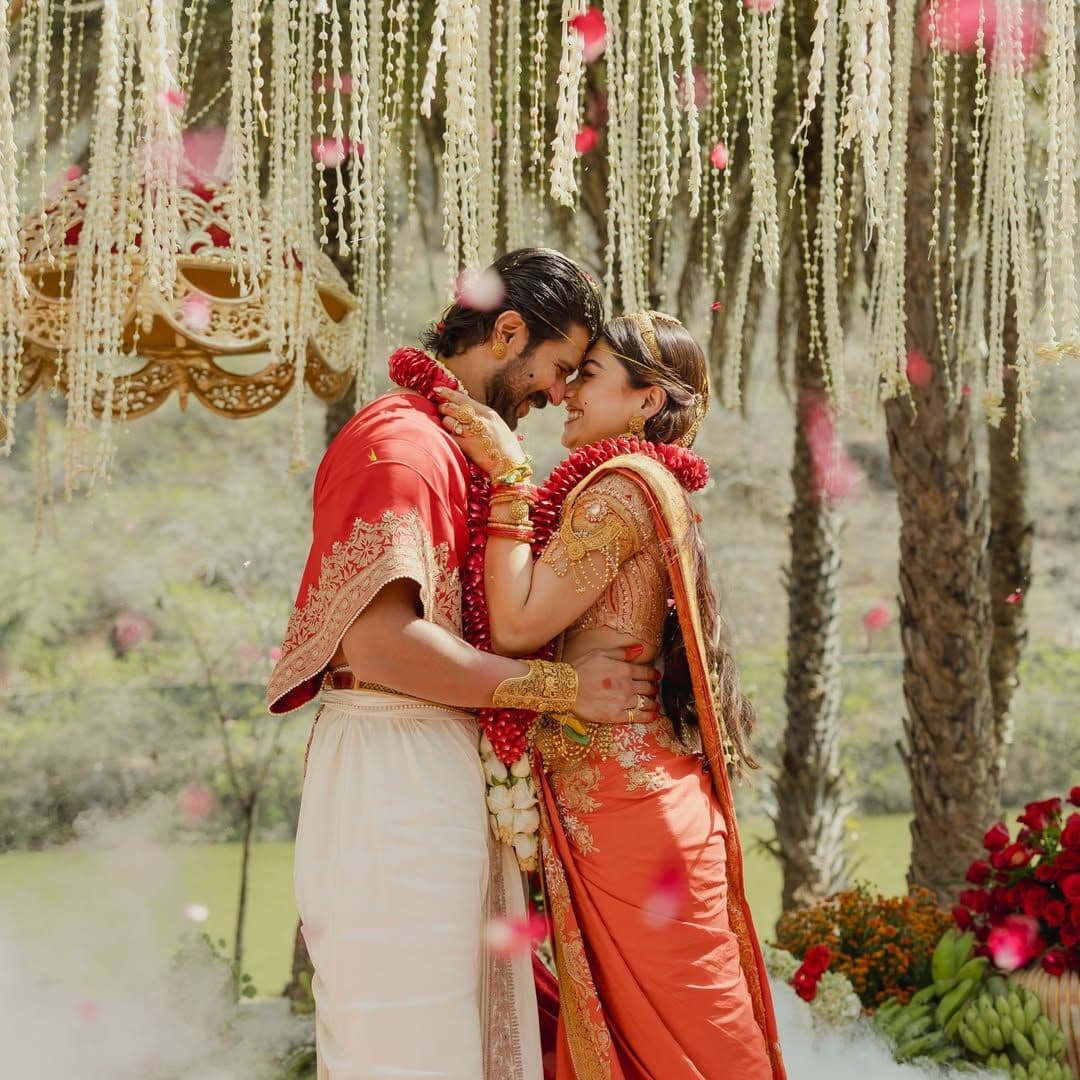
In India’s wedding market, photography is no longer the final, passive record of the day. It is part of the look, part of the timing, and part of the emotional architecture of the celebration, especially in a country that sees roughly 80 lakh to 1 crore weddings a year and where the average wedding cost climbed to 29.6 lakhs, up from 20 lakhs in 2022.
The new wedding brief is both candid and editorial
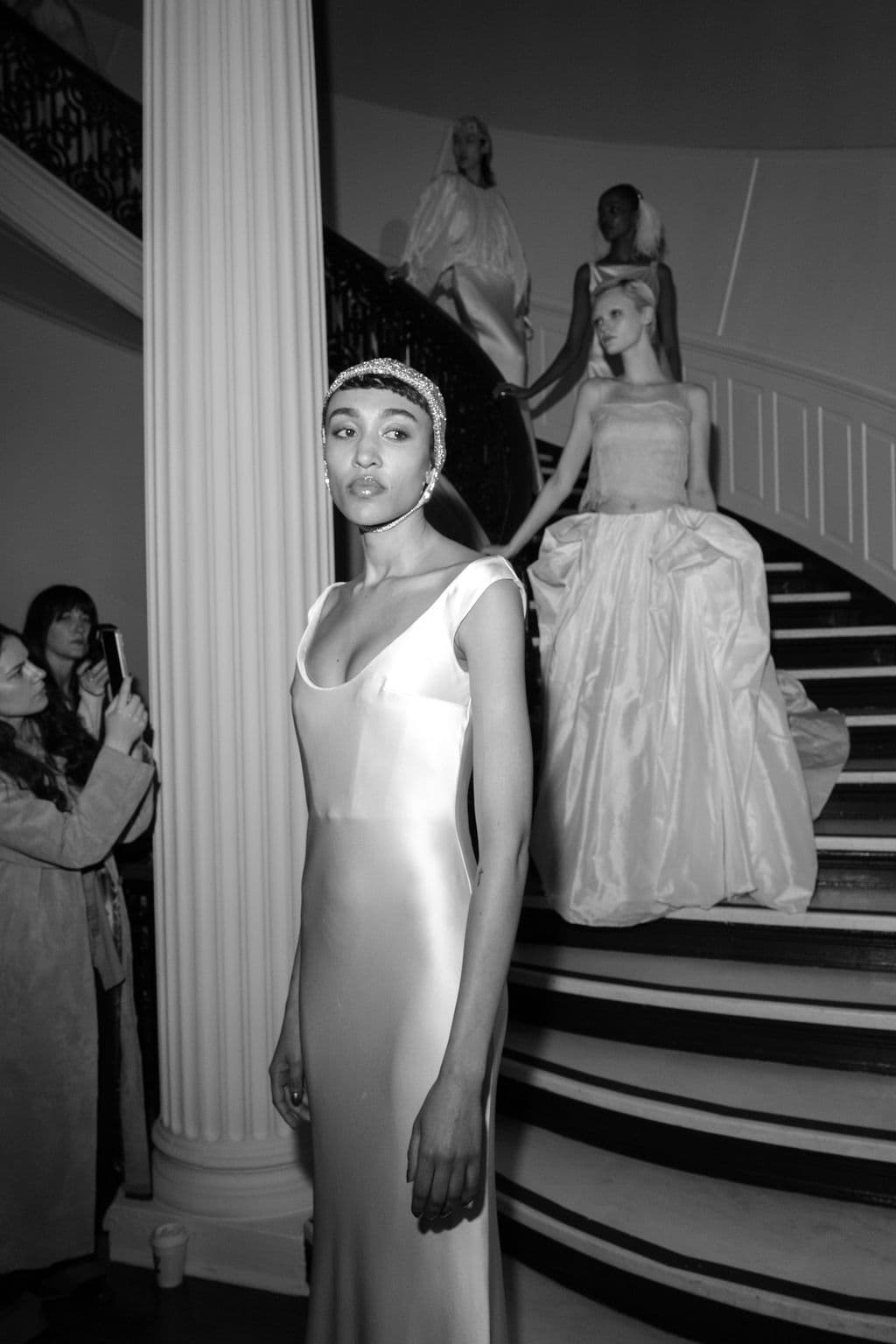
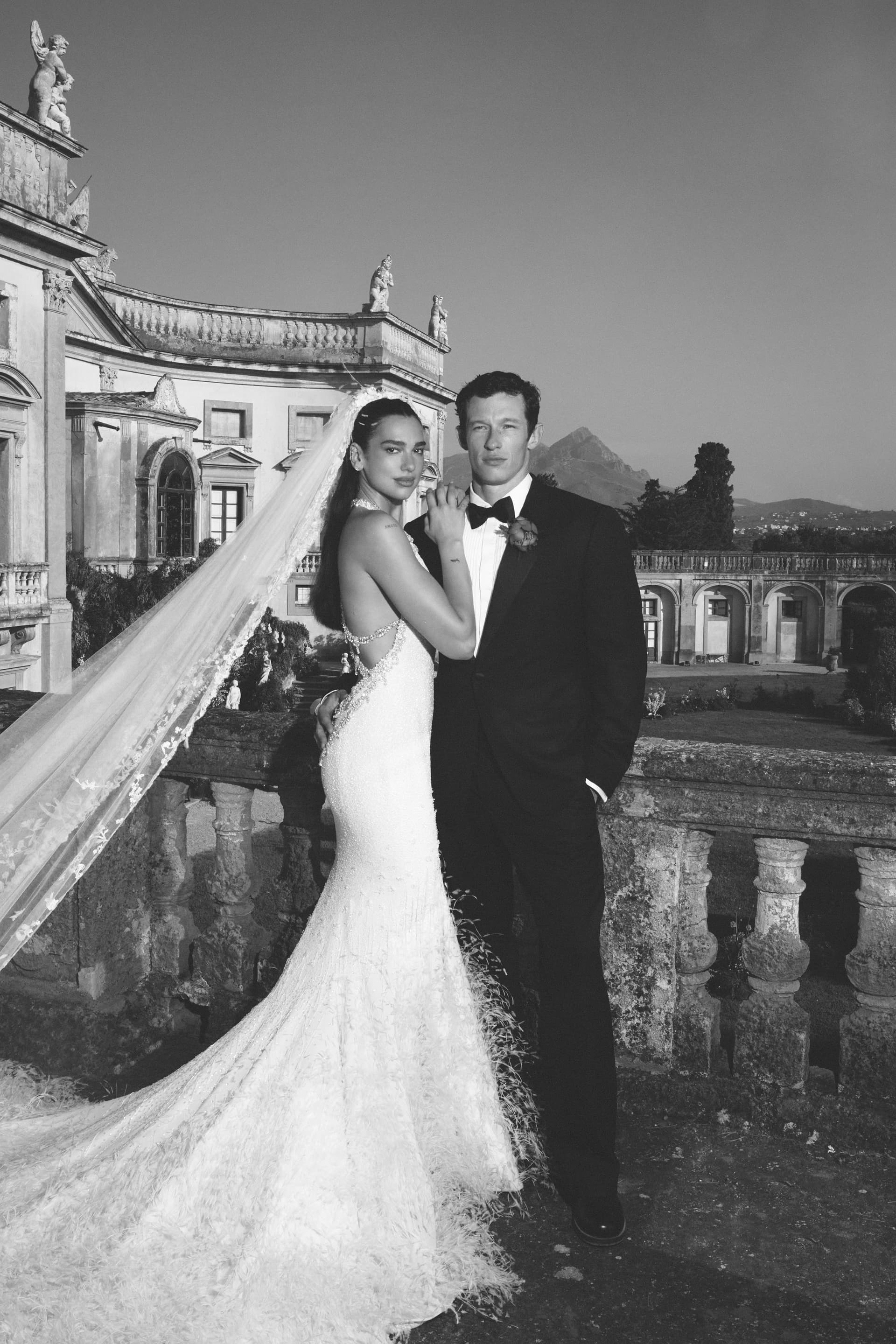
The most interesting shift is not that couples want fewer posed pictures. It is that they want the spontaneity of documentary coverage and the polish of magazine portraits in the same album. That hybrid language, now openly marketed by many photography teams, reflects how modern couples think about memory: not as a series of stiff group shots, but as a visual story where a stolen glance, a close-up of embroidery, and a dramatic veil shot all belong together.
WedMeGood’s 2025-2026 report, based on surveys of more than 2,000 couples and 500-plus wedding professionals, captures that appetite for celebrations that feel more personal and curated. The message for brides is clear: your photographer is no longer just documenting events. They are shaping how your dress, jewelry, rituals, and relationships will be remembered.
Choose clothes that move well and read beautifully on camera
This is where bridal style and photography become inseparable. If you want candid images that still feel editorial, your clothes have to do some of the work. Fabrics with texture and movement, such as silk that catches light softly, net that shifts with motion, or layered surface work that adds depth without looking harsh, tend to read better than overly flat finishes under flash and flashbulbs.
The same goes for silhouette. A sweeping dupatta, a veil with weight, or a train that can be lifted and then released gives the photographer something to play with, while still allowing the image to feel alive. The smartest choice is often not the most maximal one, but the one that can pivot between ceremony and portraiture without losing structure. A look that collapses after two hours will not survive the album, no matter how beautiful it looked on the rack.
Beauty should follow the same rule. Hair and makeup need to withstand both close-cropped emotional shots and longer editorial portraits, which means polish matters, but so does durability. Skin that remains luminous, a lip color that does not vanish after the first round of greetings, and jewelry placement that stays visible from different angles all make the photographs look deliberate rather than accidental.
Plan the timeline around rituals, not around wishful thinking
Indian wedding timelines are notoriously crowded, and that is exactly why portrait time must be planned in advance. WeddingWire India points out that multiple rituals compress the day and make portrait windows difficult, which means the best images rarely happen by chance. They happen because someone made room for them.
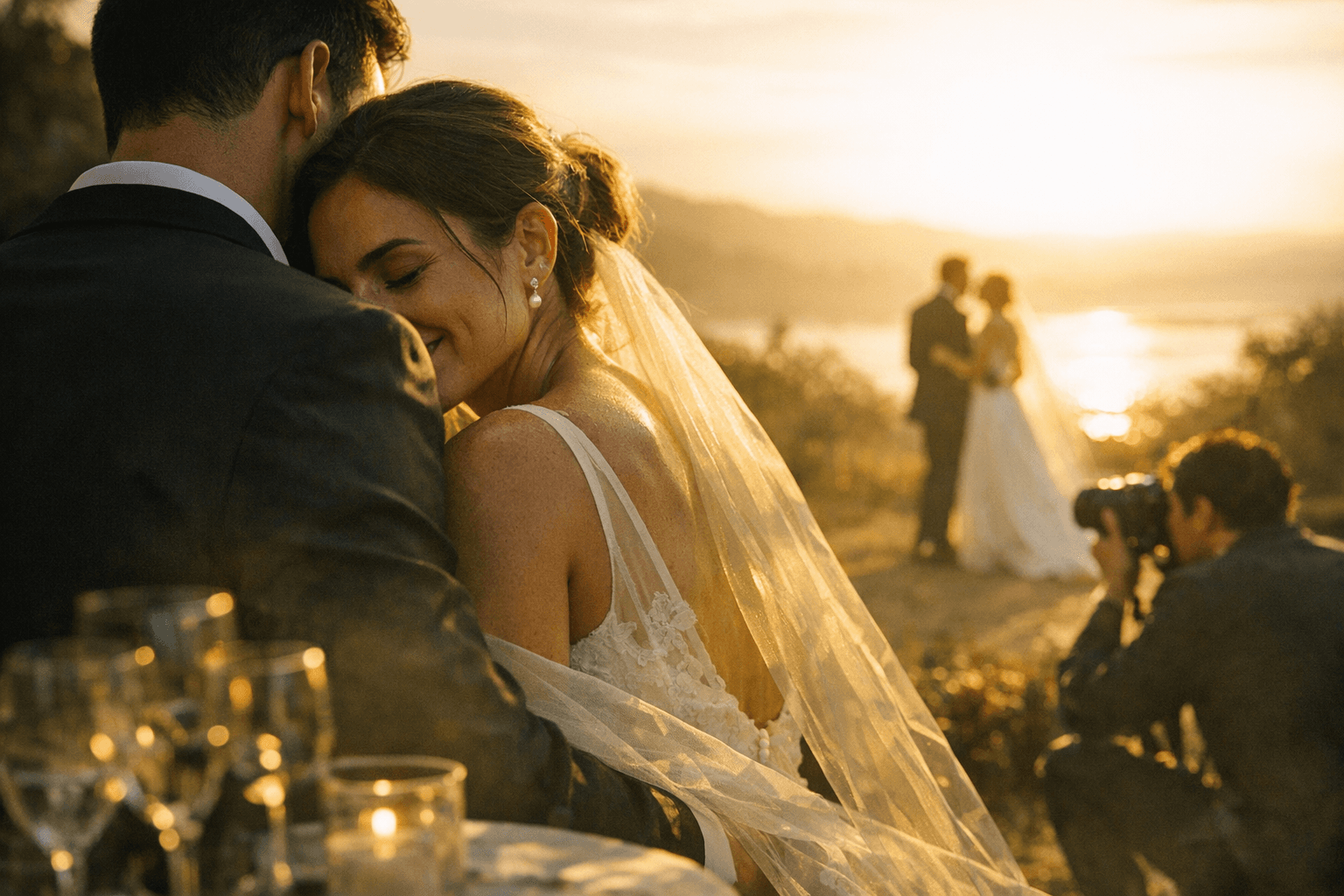
That is also why many photography guides recommend booking photographers six to nine months in advance, especially for peak season. If you wait until the wardrobe is finalized and the invitations are printed, you may already have lost the chance to build in the light you actually want. The most photogenic moments are often the quietest ones: the bride just before she leaves the room, the couple after the ceremony when the jewelry is still perfect, or the half-hour when the venue empties and the frame finally breathes.
- Reserve time for a first-look or private portrait session before the ceremony if you want cleaner, calmer images.
Build the schedule with those moments in mind:
- Leave a buffer after rituals for detailed shots of the lehenga, jewelry, mehendi, and footwear before the outfit gets crowded or creased.
- Ask for one stretch of uninterrupted portrait time when the light is soft, ideally near sunset or another flattering natural-light window.
- Protect family group photographs with a strict order, because crowded Indian celebrations can turn even a short list into a lost half hour.
Tell your photographer what matters before the wedding day does
The best photography brief is specific. A good photographer needs to know which rituals are non-negotiable, which relatives must appear in formal portraits, and which fashion details deserve close attention. If the embroidery on the blouse, the drape of the sari pallu, or the back of the veil matters to you, say so in advance.
It also helps to separate the album into three priorities. First, the candid moments that capture emotion without forcing it. Second, the editorial portraits that make the bride and groom look composed, sculptural, and intentionally dressed. Third, the detail shots that preserve the work of the ensemble itself, because a bridal look is rarely just one garment. It is a layered composition of textiles, styling, gesture, and light.
The most useful photographers today are the ones who understand that a wedding is both event and image. They know when to disappear into the crowd and when to direct a shoulder turn, a veil toss, or a pause at the edge of a doorway. That balance is what turns a photo set into something closer to a fashion story, while still keeping the pulse of the day intact.
Why the shift matters now
This evolution is happening because couples are spending more, expecting more, and caring more about how their wedding looks in real time and in memory. Weddings are not only a family milestone now; they are a visual identity project, a cultural statement, and a major budget item. In that context, editorial photography is not a luxury afterthought. It is the mechanism that lets the clothes, the rituals, and the emotion all survive the day with their dignity intact.
The modern wedding album, at its best, is no longer a record of what happened. It is a carefully composed account of how the bride moved, how the fabric fell, how the family gathered, and how the celebration felt from the inside.
This article was produced by Prism’s automated news system from verified source data, official records, and press releases, then run through automated quality and moderation checks before publishing. The system is built and supervised by the people who set the standards it runs under. Read our full AI policy.
Did this article answer your question?