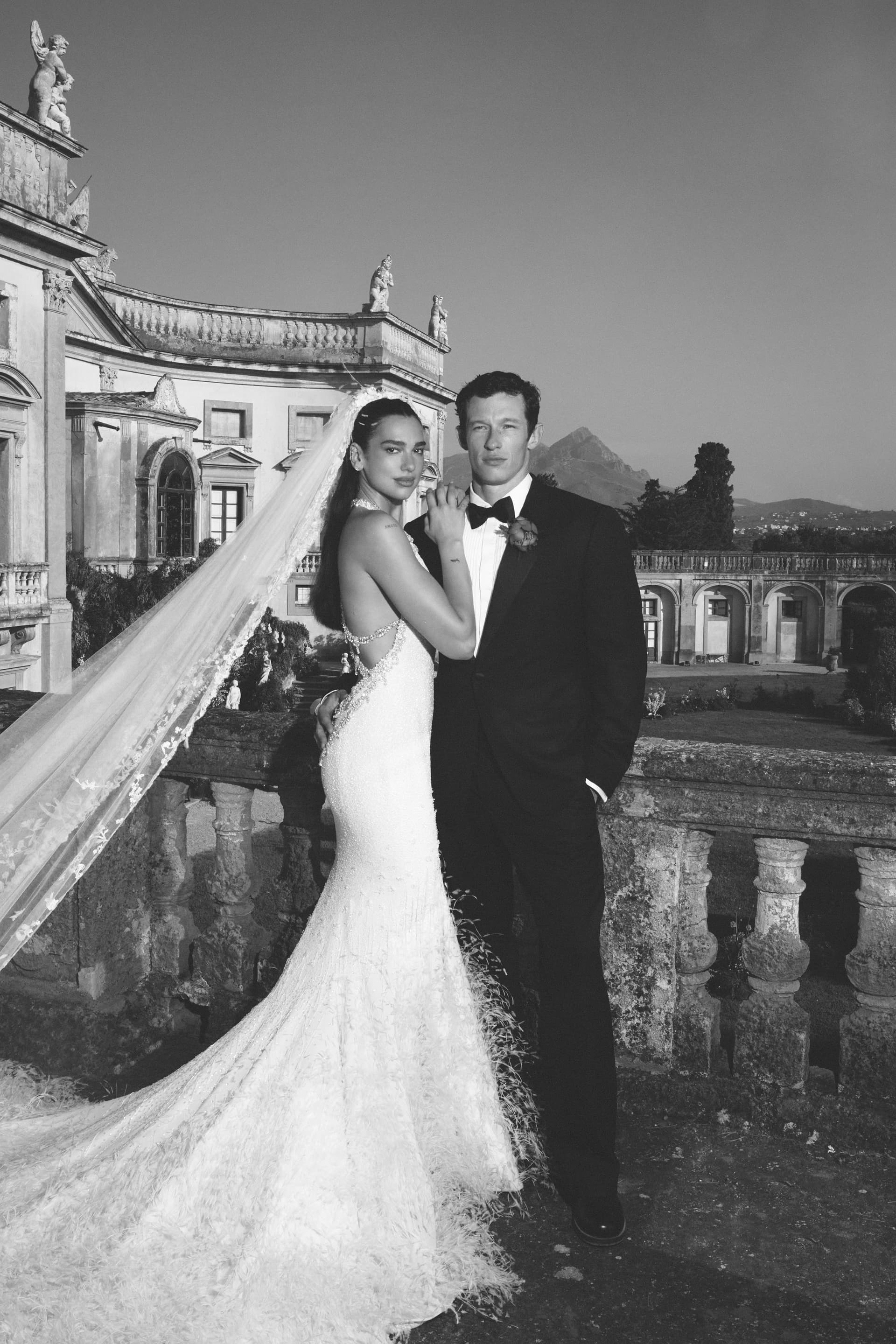
White Bridal Dressing in India Gets Richer with Craft and Texture
White lehengas are shedding their minimalist reputation. In India, craft, pearls, and heritage borders are turning ivory into the most personal bridal statement.
White is no longer the blank option
The new white bridal lehenga is not trying to disappear. It is trying to hold the eye, and that is the shift changing Indian bridal dressing right now. Vogue India’s April 24 bridal feature makes the point plainly: ivory, alabaster, and pearl are moving beyond minimalism through texture, craft, jewellery, and styling, so the palette reads as deliberate rather than pared back.
That matters because the white story is no longer a niche mood. Vogue India’s wider wedding coverage on April 26 also included a Rajasthan wedding that fused Scandinavian minimalism with Indian grandeur, a sign that the magazine is tracking a broader bridal appetite for restraint with bite. White and neutral dressing is becoming a serious language in itself, especially when it is cut, embroidered, and styled with enough conviction to feel like a choice, not a fallback.
Craft is doing the heavy lifting
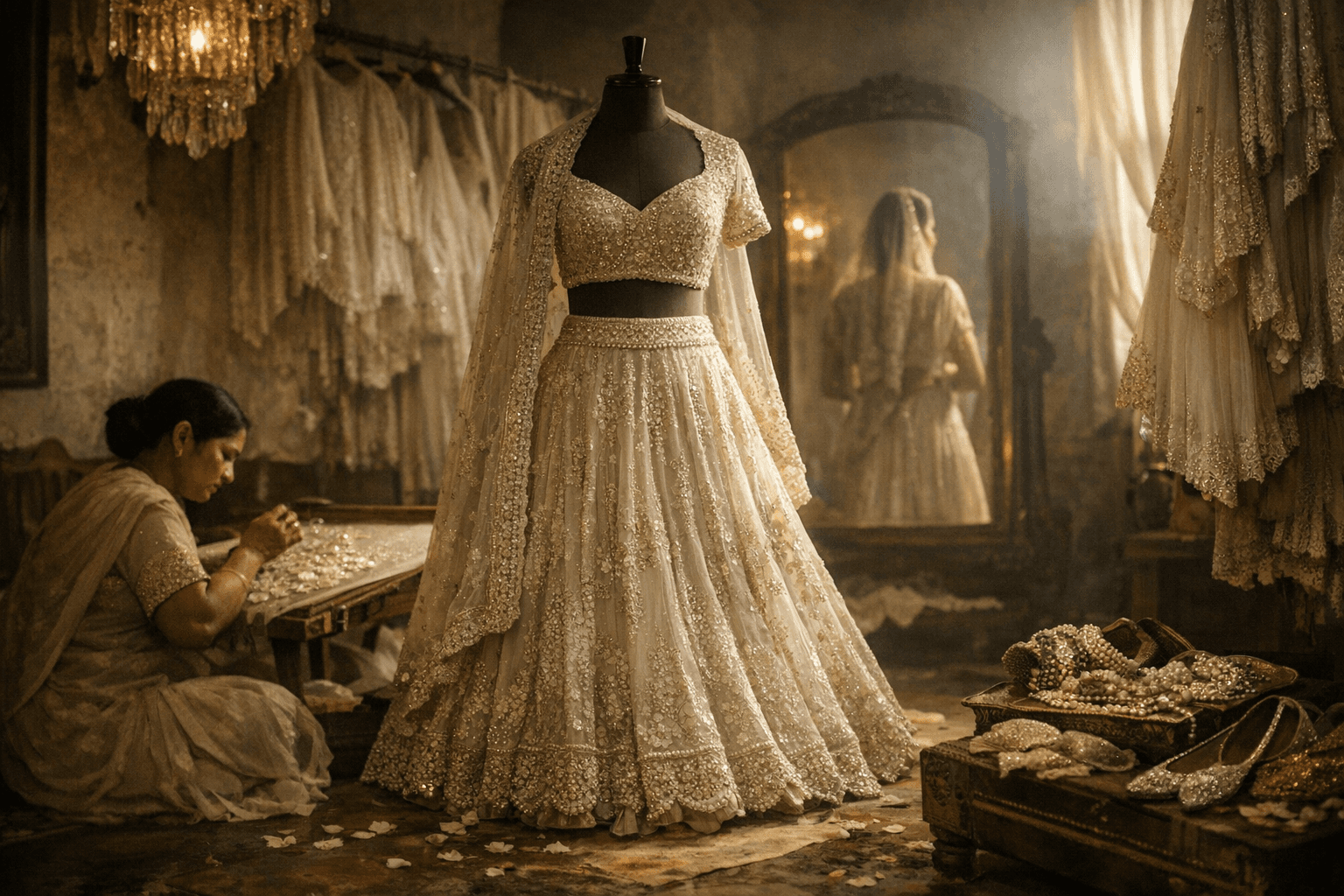
The quickest way to make white feel distinctive is also the oldest: give it work to do. Tarun Tahiliani’s India Couture Week 2025 collection offered 95 looks built around chikankari, resham, kasheedakari, shaded threadwork, jaali, and zardozi, a reminder that pale cloth becomes far more compelling when the surface carries depth. On white, these techniques do not compete with color; they create shadow, movement, and density.
That is why a white lehenga can look so different from one bride to the next. A layer of chikankari softens the fabric into something whisper-light. Zardozi or jaali brings a sharper, more jewelled finish. Shaded threadwork gives ivory a sense of gradation, so it catches light in motion instead of reading as flat from a distance. The best white bridal looks are not about stripping away decoration, they are about choosing the right kind of decoration.
Pearls, zari, and the right kind of shine
Suhana Khan’s hand-embroidered ivory lehenga, detailed with pearls and zari in Vogue India’s lehenga coverage, shows how the palette can feel current without losing richness. Pearls shift white bridal dressing away from a sterile gloss and toward something softer, more tactile, while zari adds the kind of glow that sits beautifully against ivory, especially under warm wedding lighting.
This is where styling becomes as important as construction. A white lehenga needs contrast in at least one direction, whether that is a jewelled surface, a sharper border, or a more old-world piece of jewellery. Otherwise the eye skims over it. When the embroidery is dense, the bride can keep the rest of the look quieter. When the embroidery is delicate, the jewellery can do more of the talking. The point is balance, not blankness.
White in India has cultural roots, not just fashion cachet
One of the most persuasive arguments for white bridal dressing in India is that it is not foreign to Indian wedding culture. Radhika Merchant’s ivory Abu Jani Sandeep Khosla lehenga and dupatta set, bordered in red, was read by The Indian Express as an homage to Gujarat’s Panetar tradition, where brides wear red and white. That framing matters. White in this context is not an imported Western shorthand for simplicity; it is part of a regional bridal vocabulary with its own meaning.
The Panetar reference gives the ivory ensemble a narrative spine. Red borders anchor the white, and suddenly the look feels ceremonial rather than merely modern. The Indian Express described the ensemble as an “ivory masterpiece,” but the real force of the outfit was cultural symbolism. It showed how a pale palette can still carry the emotional weight of a bride’s family, geography, and identity.
Why designers are watching the white shift so closely
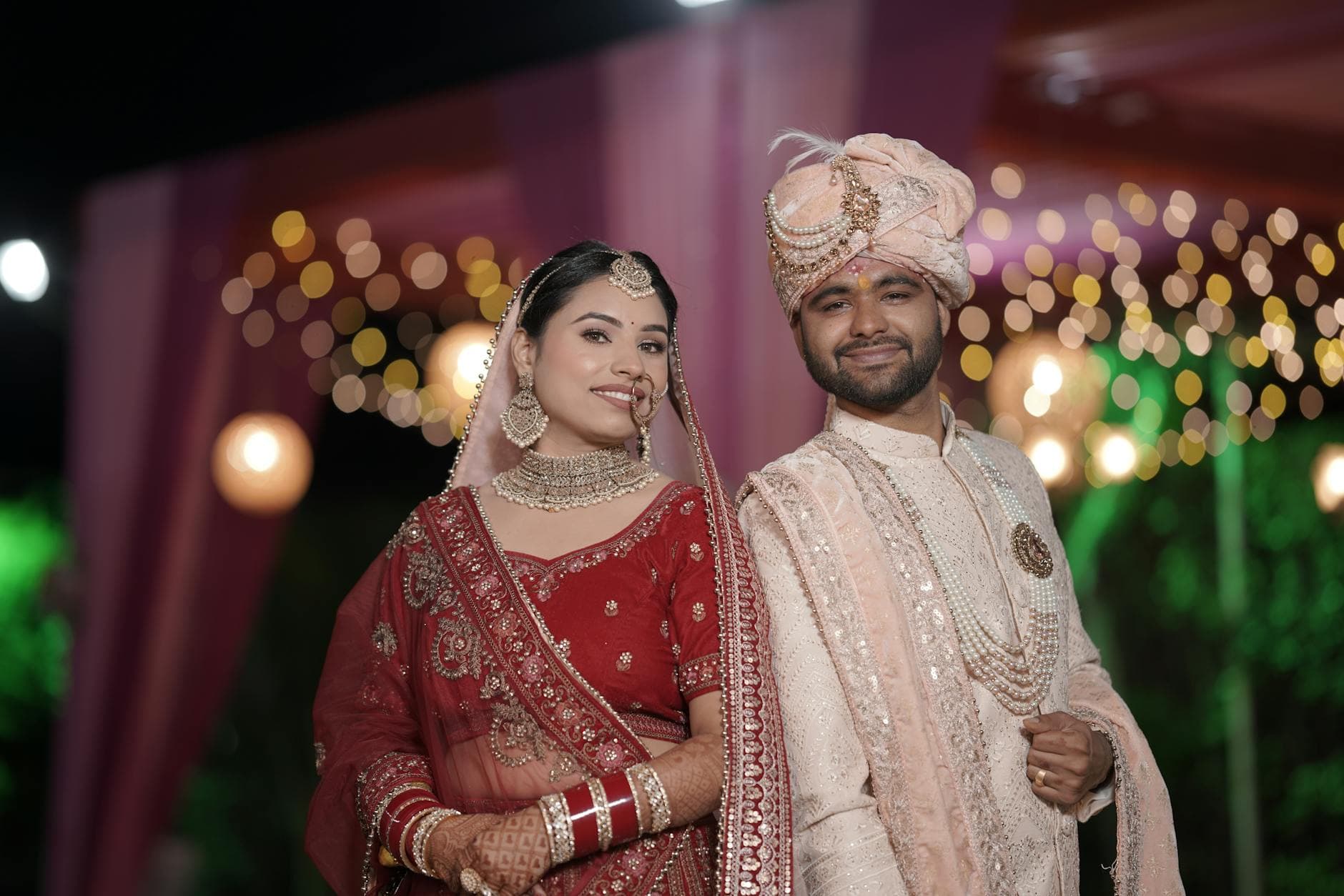
Bridal fashion in India is not a small conversation. The Hindu reported in August 2025 that the country’s wedding market was worth about 8.6 trillion and was expected to nearly double by 2030. That scale explains why designers are paying close attention to what brides want from white, ivory, pearl, and alabaster looks. When the market is this large, a subtle color shift becomes a meaningful commercial signal.
It also explains why white bridal dressing keeps showing up in celebrity and runway conversation. Vogue India’s lehenga coverage has already put ivory looks front and center, with Suhana Khan as one of the clearest examples. Coverage of figures such as Katrina Kaif in bridal lehengas keeps the conversation in mainstream style, while designers like Abu Jani and Sandeep Khosla, Tarun Tahiliani, and Palak Godara help frame white as a canvas for individuality rather than a minimalist default.
How to make ivory feel unmistakably yours
The most useful lesson from this season’s white bridal dressing is not to choose less. It is to choose better. A white lehenga becomes distinctive when every component earns its place, from the thread on the hem to the border on the dupatta to the jewellery at the throat and ears.
- Choose visible handwork, such as chikankari, zardozi, jaali, or shaded threadwork, so the fabric has depth in motion.
- Add contrast through a border or trim, as Radhika Merchant’s red-edged ivory set did with Panetar references.
- Let pearls or zari handle the shine, as Suhana Khan’s embroidered ivory look showed.
- Treat white as heritage-coded, not neutral, so the ensemble feels rooted in place and memory.
That is the real story behind India’s richer white bridal dressing: the palette is staying pale, but the meaning is getting deeper.
This article was produced by Prism’s automated news system from verified source data, official records, and press releases, then run through automated quality and moderation checks before publishing. The system is built and supervised by the people who set the standards it runs under. Read our full AI policy.
Did this article answer your question?