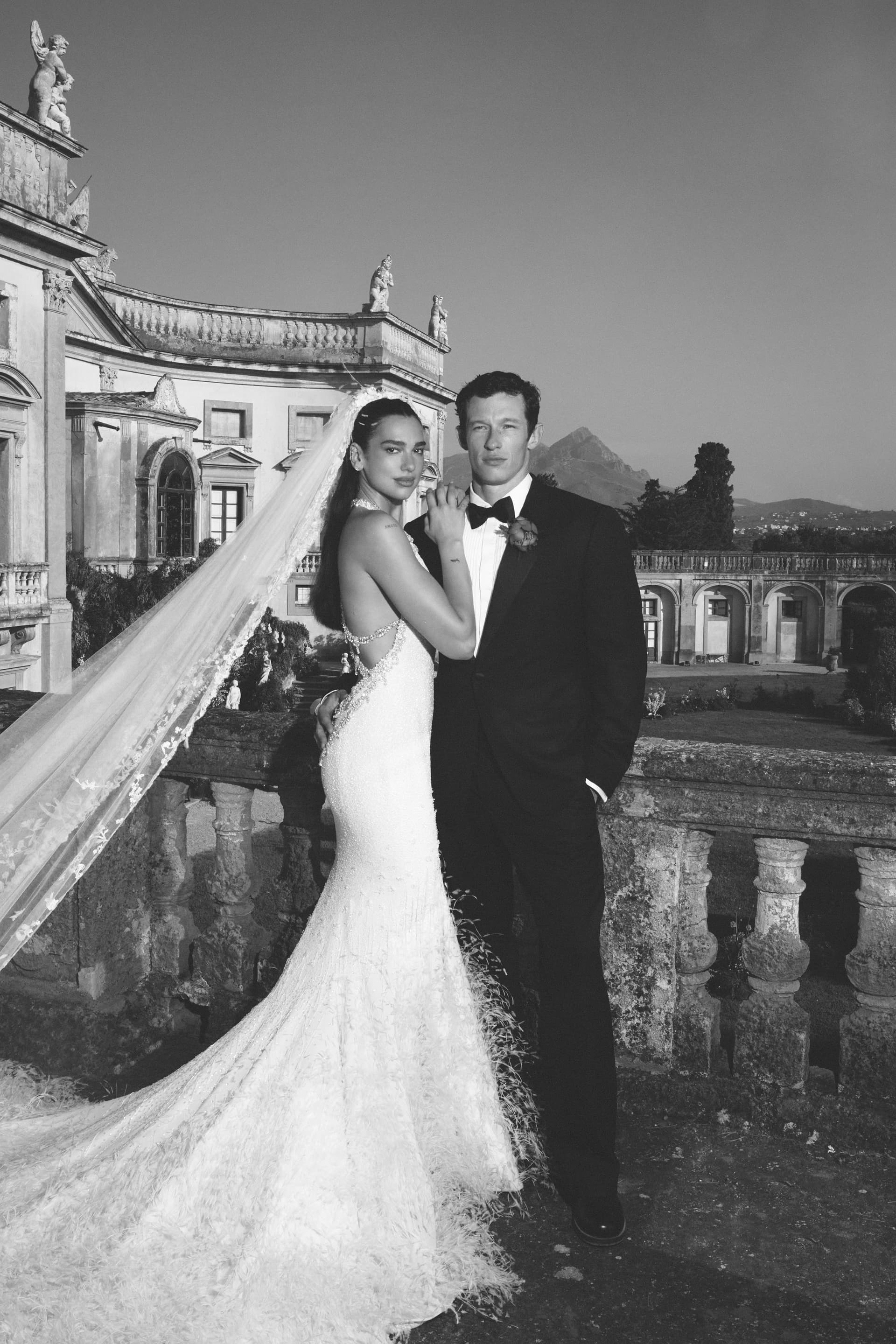
Rajasthan Wedding Blends Scandinavian Minimalism With Indian Grandeur
A Rajasthan wedding showed that restraint can sharpen grandeur, not soften it, when every detail is edited with intent.
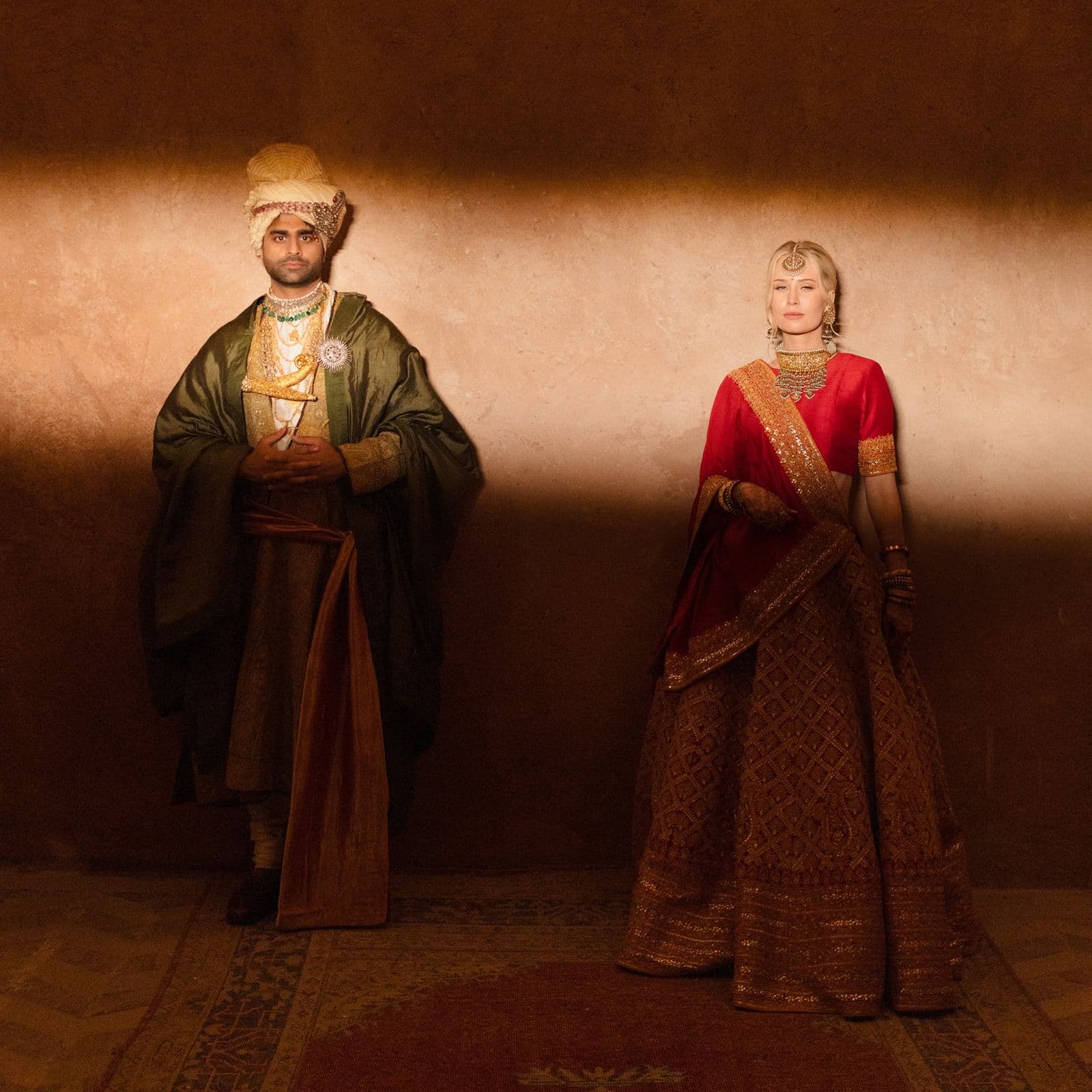
The new bridal balance is not a compromise, it is an edit
The most compelling thing about this Rajasthan wedding is the refusal to choose between calm and spectacle. Vogue India’s April 26, 2026 Weddings feature by Sara Hussain turned that tension into the point: Scandinavian minimalism and Indian grandeur can coexist when the couple edits with discipline, not when they simply pile one aesthetic onto another.
That is why the story lands so cleanly inside Vogue India’s recent wedding coverage, which has been moving through Udaipur, Jaipur, Lake Como, Tuscany, Goa, Dubai, and Thailand with the same appetite for highly personal, destination-driven celebrations. The mood across those stories is unmistakable: less “bigger is better,” more “every detail should earn its place.”
Start with a palette that lets the architecture speak
In a setting like Rajasthan, the setting already carries scale. Palaces, forts, and heritage hotels deliver the grandeur before a single floral stem is placed, which means the smartest palette is often the quietest one. Think softened neutrals, stone, ivory, sand, muted gold, and one restrained accent color that appears in measured doses rather than in every corner of the event.
That is the essential Scandinavian lesson applied to an Indian wedding: visual rest matters. When the architecture is ornate, the color story should create a pause, not a competition, so the eye can move between carved stone, textiles, ritual objects, and the bride herself without fatigue.
Choose one hero silhouette and let the rest support it
Bridal dressing works best here when the silhouette is edited down to a single statement. A clean-lined gown, a pared-back saree, or a lehenga with controlled embellishment can feel more luxurious than a surface crowded with beadwork, simply because the fabric gets room to fall properly and the movement looks intentional.
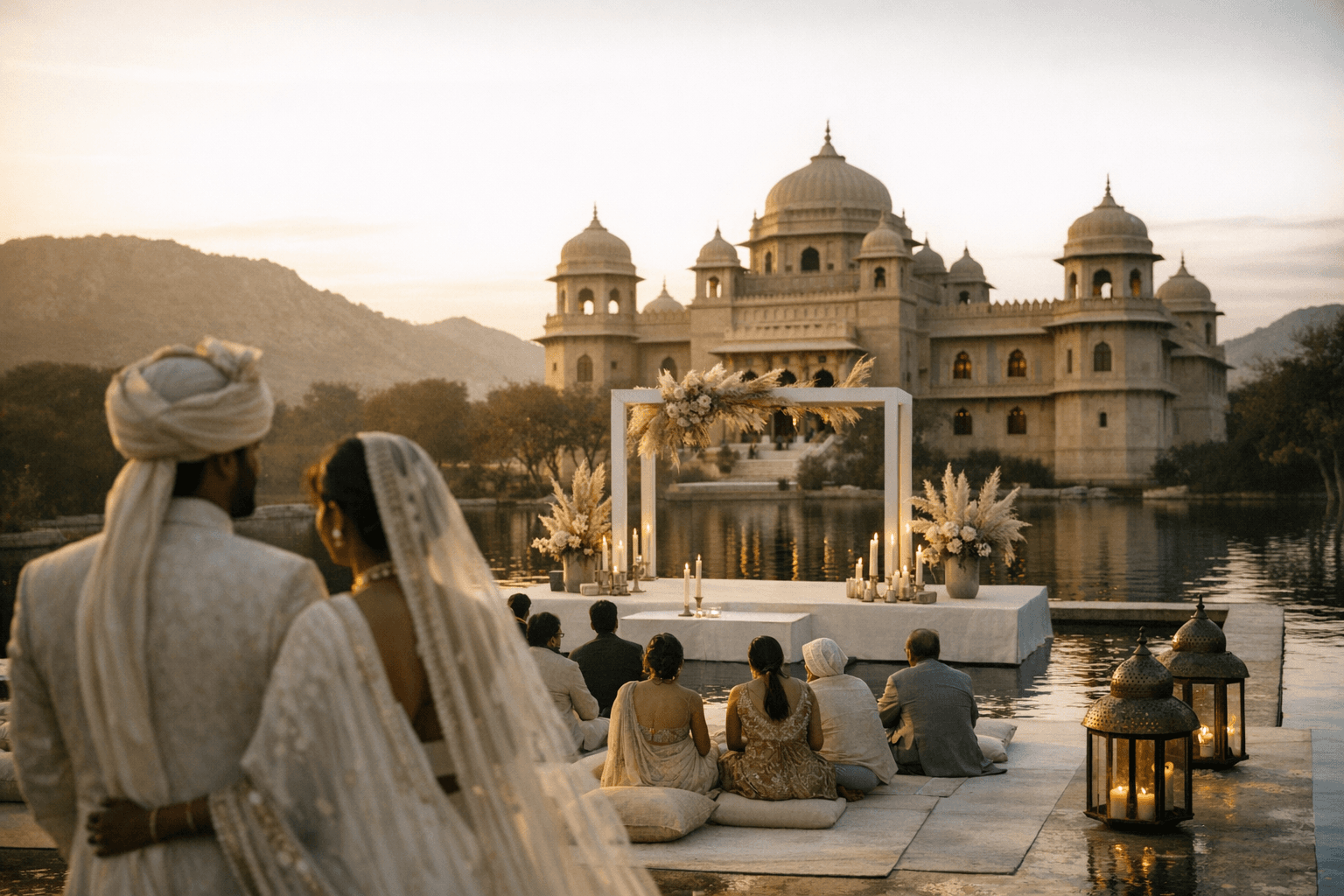
This is where the tension between restraint and grandeur becomes useful rather than decorative. A bride does not need to abandon Indian occasion wear to achieve a modern look; she needs to choose a cut, drape, or train that lets the ceremony move with her. The strongest effect comes from one focal gesture, whether that is an architectural blouse, a precise veil, a sharply framed dupatta, or a skirt that opens in a clean line instead of a cloud of volume.
Keep florals sculptural, not saturated
The same logic applies to flowers. In a wedding shaped by Scandinavian restraint, florals work best in clusters, arcs, and concentrated moments of impact rather than in a full-room flood of color. That approach preserves the richness of Indian ceremony while avoiding the visual excess that can flatten both the bride and the setting.
Use density where ritual demands it, then let the surrounding spaces breathe. A mandap can hold more ornament than the aisle; the entry can carry a stronger floral gesture than the dining area; the ceremony stage can be layered, while the surrounding décor stays low and textural. That contrast is what keeps the celebration elegant instead of over-programmed.
Ceremony styling should feel rooted, not crowded
Personalization is now the clearest rule in modern Indian weddings, and WedMeGood’s 2025 to 2026 annual report makes that shift hard to ignore. The survey reached over 2,000 couples and more than 500 wedding professionals, and its conclusion is direct: weddings are moving beyond tradition into celebrations that showcase love, culture, and individuality.
That is the blueprint for ceremony styling too. Keep the rituals central, but strip away anything that competes with them. A carefully edited aisle, a clear view to the mandap, restrained seating accents, and a disciplined floral palette allow the cultural heart of the wedding to read with more authority, not less.
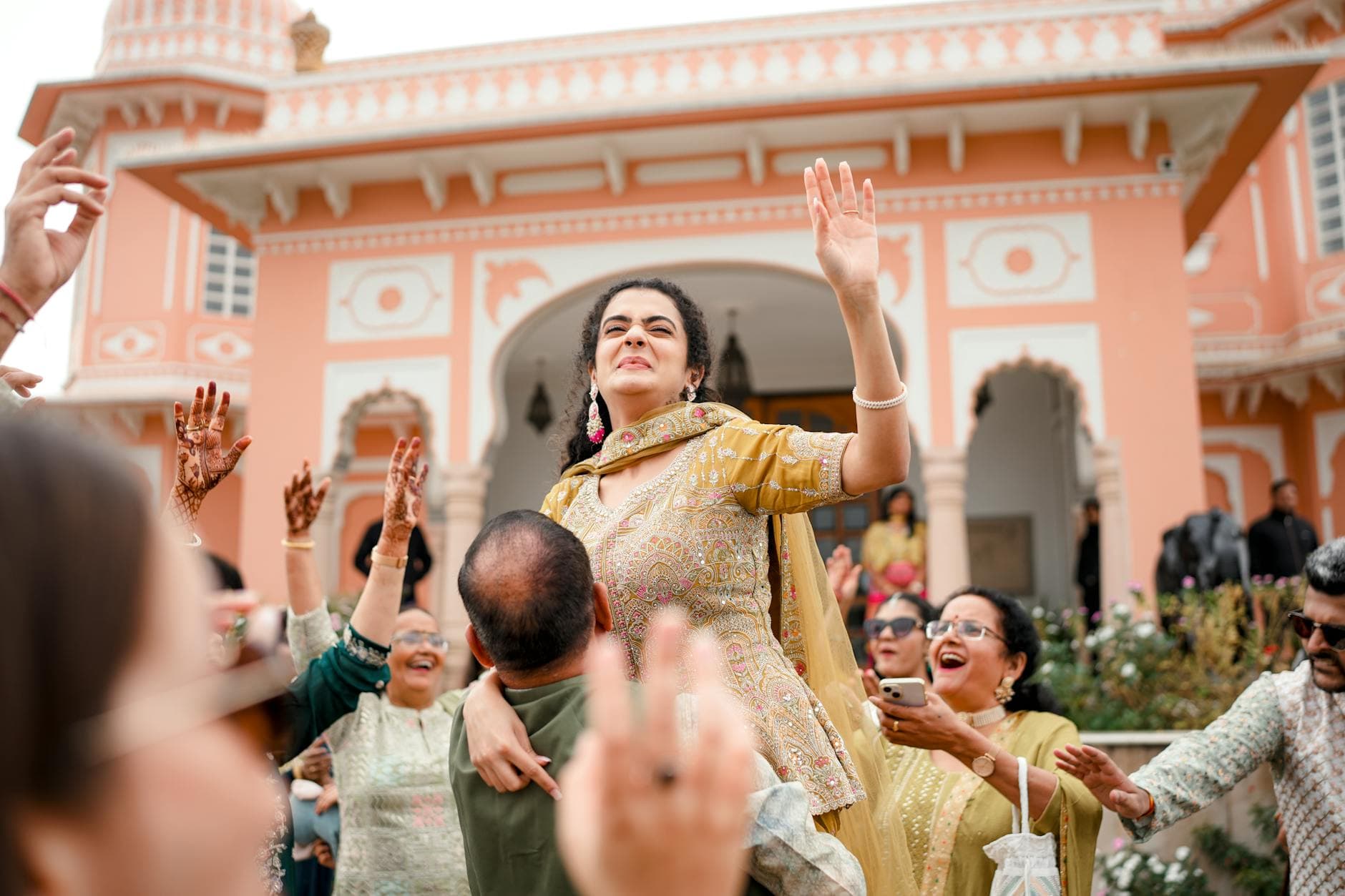
Why Rajasthan remains the most persuasive stage for this idea
Rajasthan continues to dominate destination-wedding conversations for a reason. Its palaces, forts, and heritage hotels already offer the kind of built-in drama that many couples spend months trying to manufacture elsewhere, and that makes it the ideal setting for a wedding that wants both majesty and control.
The wider market supports that instinct. One 2025 analysis estimated India’s destination wedding market at USD 16.25 billion in 2024 and projected it to reach USD 55.39 billion by 2033, growing at a CAGR of 14.8 percent from 2025 to 2033. In other words, this is not a niche indulgence anymore; it is one of the clearest directions in how couples are choosing to marry, celebrate, and stage identity.
The real luxury is editing with intention
What makes this Rajasthan wedding resonate is not the novelty of mixing two aesthetics. It is the discipline required to make that mix feel inevitable, where Scandinavian clarity gives Indian ceremony room to breathe and Indian grandeur gives minimalism emotional weight.
That is the lesson for brides drawn to cultural richness without visual excess: keep the palette controlled, choose silhouettes that move beautifully, limit décor to moments that matter, and let the setting carry some of the drama. When every detail is chosen rather than added, the wedding looks richer, feels calmer, and lingers far longer in the memory.
This article was produced by Prism’s automated news system from verified source data, official records, and press releases, then run through automated quality and moderation checks before publishing. The system is built and supervised by the people who set the standards it runs under. Read our full AI policy.
Did this article answer your question?