Nontraditional Wedding Dresses, From Ivory to Red, Redefine Bridal Style
Ready-to-wear bridal is giving nontraditional brides more than pretty white dresses. The smartest options now come in ivory, blush, and red, with enough style to wear again.
The new bridal brief
The easiest wedding dress to wear this season is the one that does not behave like a wedding dress at all. Ready-to-wear brands are stepping into bridal with pieces that solve real problems: a courthouse ceremony that still deserves drama, a destination wedding that cannot wait on long lead times, a second look that needs to move, and a color-loving bride who wants something other than predictable white.
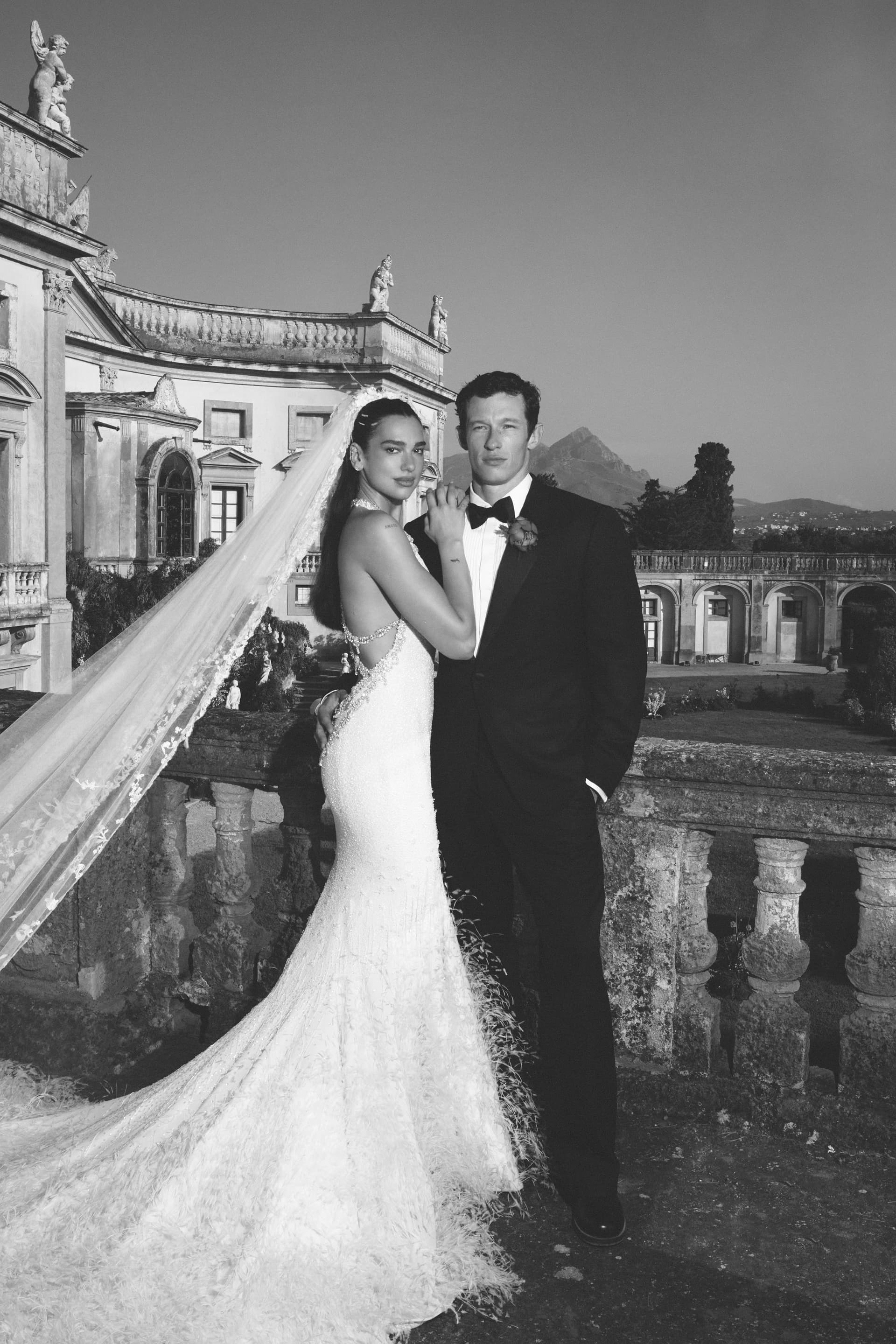
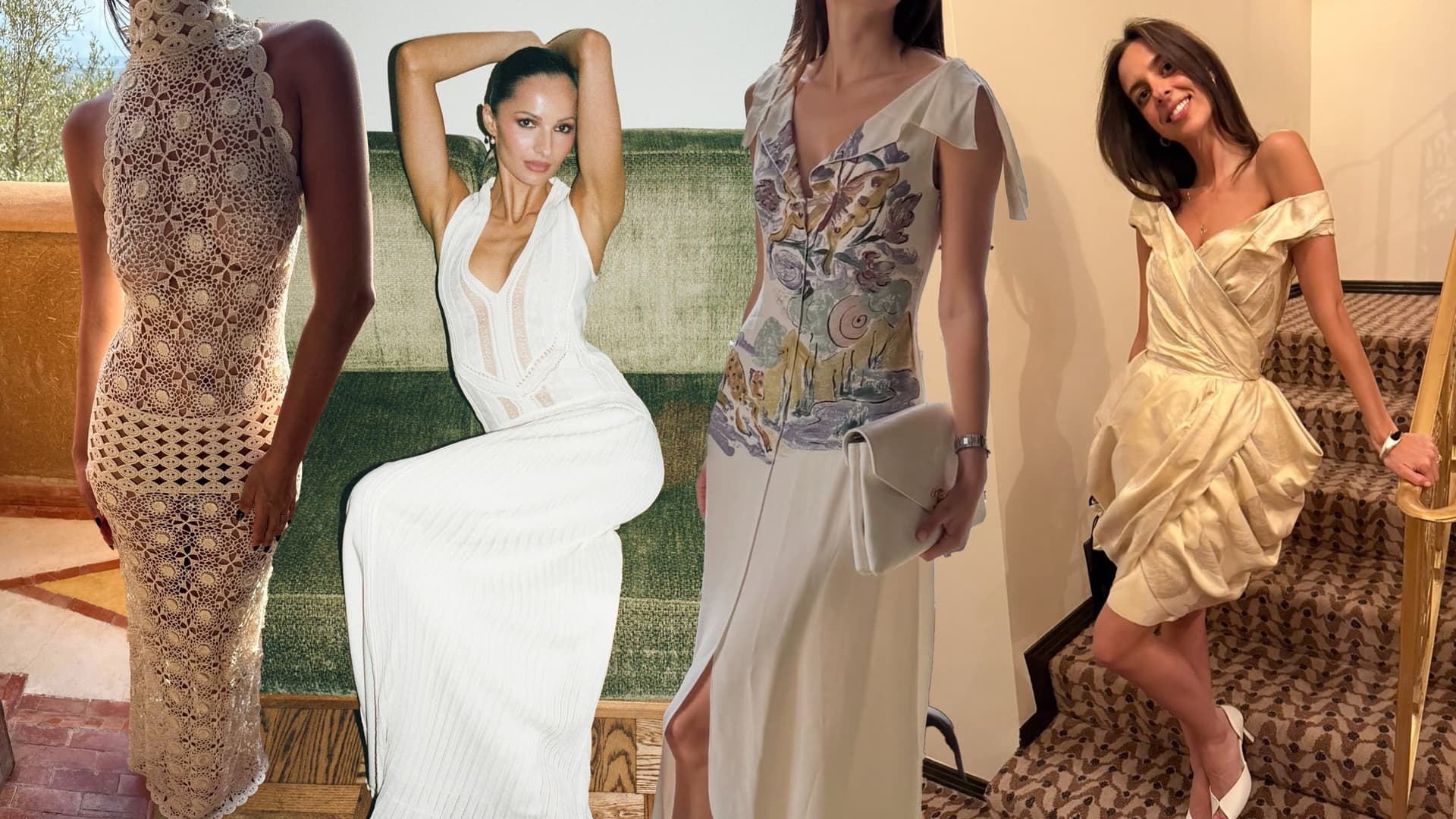
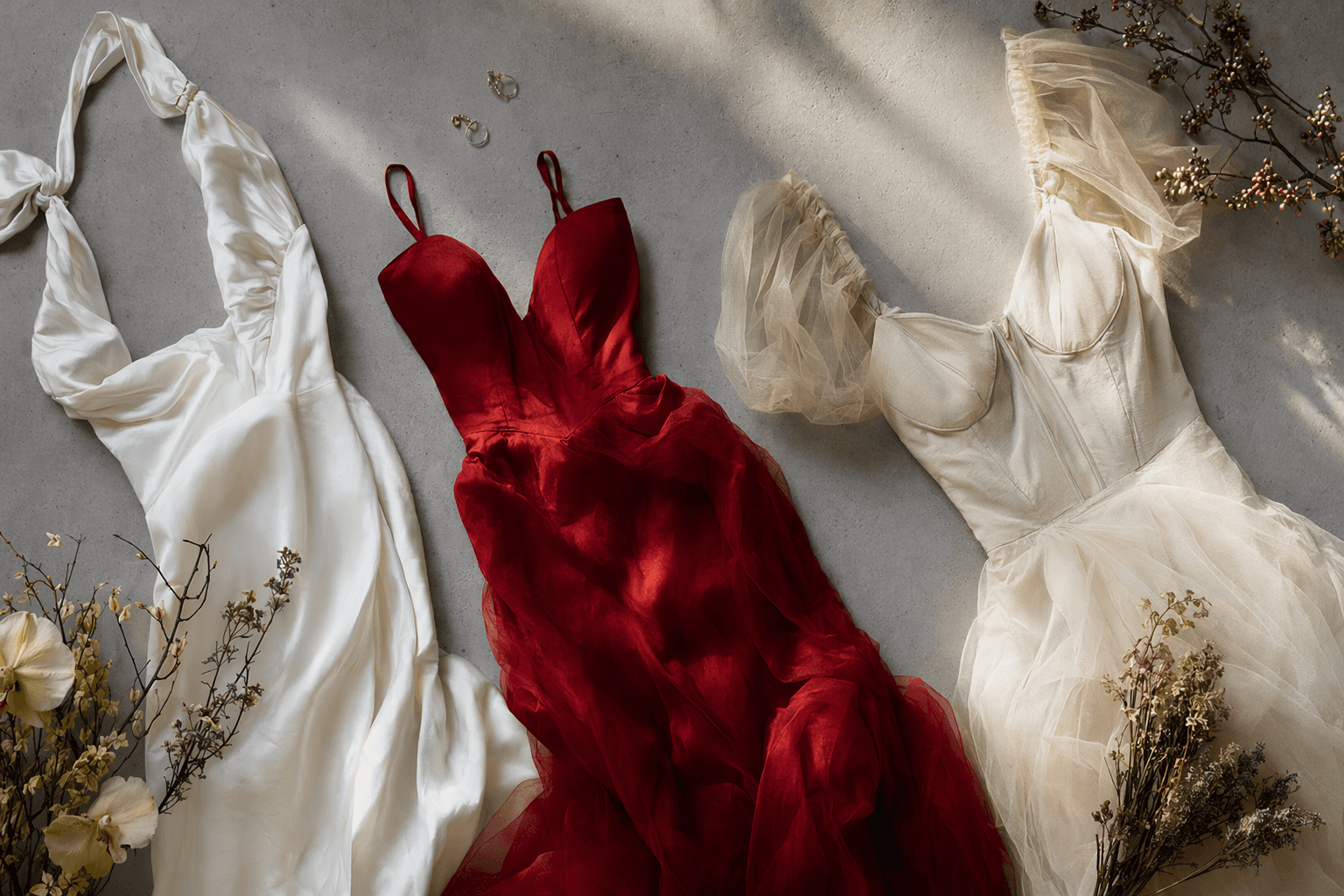
That shift is what makes the current crop of nontraditional wedding dresses feel so useful, not just pretty. Who What Wear’s edit of 29 ready-to-wear wedding dresses for 2026 spans true white, ivory, muted pink, and red, with silhouettes that run from formal ball gowns to minimalist dresses that make sense for a small city hall ceremony. This is bridal dressing with range, and it is exactly why it feels fresh.
Why ready-to-wear is winning
Bridal salons still matter, but ready-to-wear is offering a different kind of luxury: speed, ease, and clothes that can live beyond one aisle moment. For brides who want fashion-editor credibility without the waste or the wait, these dresses deliver service as much as style. They are made by labels known for ready-to-wear instincts, so the cuts feel sharper, the fabrics feel more familiar, and the styling reads less costume, more wardrobe.
That is also why the appeal is broader than the classic wedding crowd. A bride in ivory silk can wear the dress with sculptural earrings and clean heels for a civil ceremony, then style it down with a jacket for dinner. A bride in muted pink or red gets a look that feels intentional, even slightly subversive, without sacrificing refinement. The point is not to reject bridal; it is to make it more usable.
The designers setting the tone
The names behind this shift matter. Khaite, Silvia Tcherassi, Marina Moscone, A.L.C., Batsheva, Silk Laundry, and Cult Gaia all appear in Who What Wear’s 2026 selection, which immediately tells you this is not a fringe category anymore. These are designers with clear identities, and that confidence translates beautifully to bridal because the dresses already know what they are trying to say.
Batsheva stands out for another reason: this marks the brand’s first foray into bridal. That matters because Batsheva Hay has built a following around vintage-inspired silhouettes that feel witty, feminine, and a little off-center in the best way. A bride choosing Batsheva is not looking for a generic gown; she is choosing personality, and that is a very modern kind of romance.
What the best dresses actually solve
The strongest ready-to-wear bridal pieces answer a specific scenario before they try to impress from a distance. Ball gowns still have their place, especially for formal celebrations where a bride wants volume and presence, but the minimalist dresses are arguably the sharper smart buy. A pared-back column in ivory or a clean white midi can handle a courthouse wedding, a rehearsal dinner, or an after-party without looking overworked.
That versatility is the point. These dresses are not built only for the aisle, and that makes them easier to justify, easier to rewear, and easier to style with personality. A red dress can feel unexpectedly elegant for a city ceremony. A soft pink slip can read bridal without leaning on convention. A sculpted white gown can look especially current when the details are restrained and the shape does the talking.
The details brides are buying into
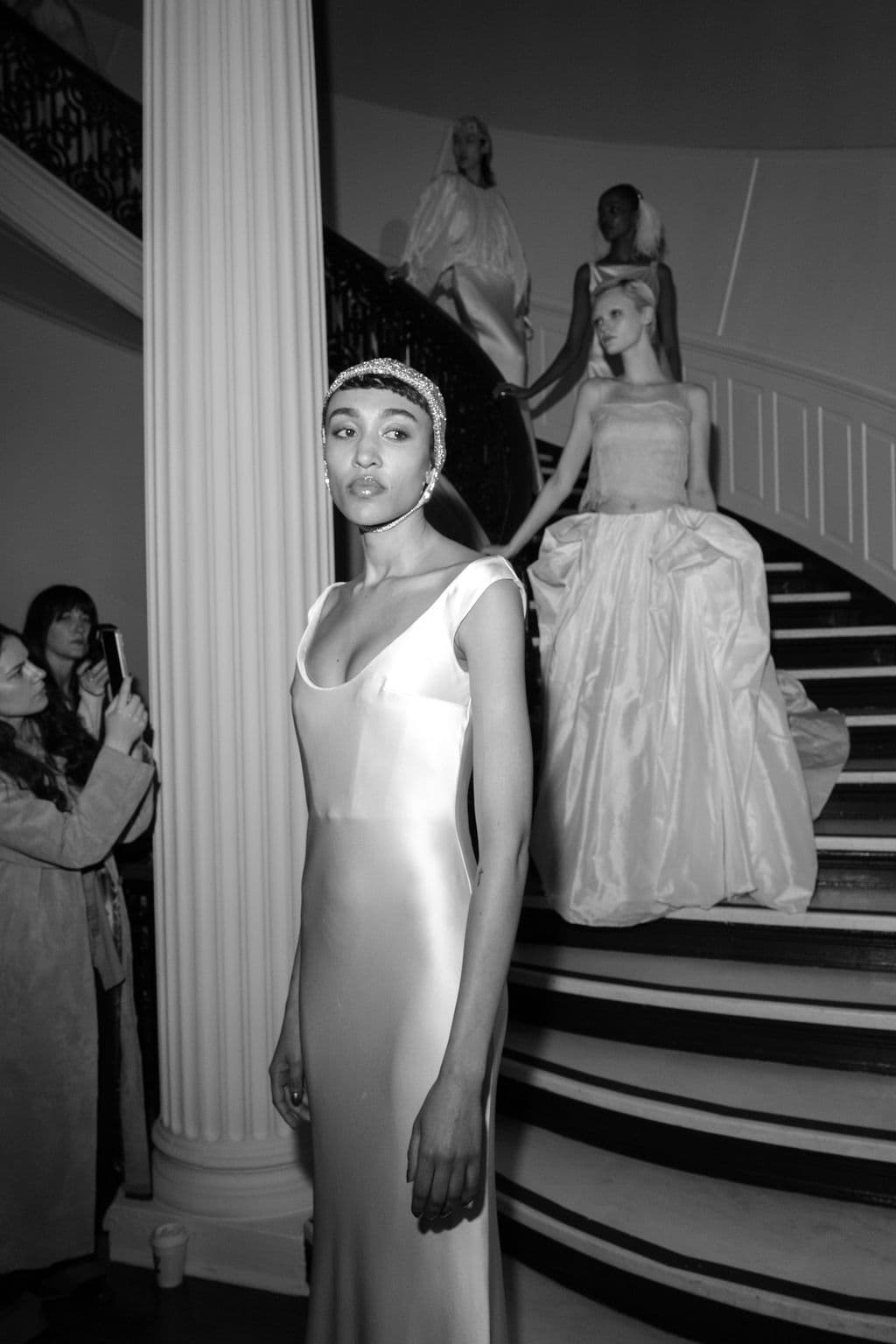
The 2026 bridal conversation is not just about color. At spring 2026 Bridal Fashion Week in New York, designers leaned into corsetry, bow details, rounded volumes, all-over lace, tactile textures, and experimental fabric techniques. Those elements give even the most understated dress some edge, which is why so many of the season’s best options feel editorial without feeling unwearable.
Who What Wear’s fall 2026 coverage also points to color moving beyond classic white into soft ivory and muted champagne tones. That matters because it expands the definition of bridal from pure white perfection to a fuller spectrum of pale shades that flatter more skin tones and feel less costume-like. In practice, it means brides can choose subtle warmth instead of stark brightness, which often looks more luxurious in daylight and photographs with a softer finish.
Why the bridal calendar still matters
New York Bridal Fashion Week remains the industry’s best preview of where wedding style is headed. It is a biannual event where editors and buyers see the dresses that will later appear in salons nationwide, so even the ready-to-wear pieces are being measured against a much bigger market. The Knot says it attends New York Bridal Fashion Week twice a year and sees hundreds, if not thousands, of gowns across four days, which gives a sense of how much information is packed into this corner of fashion.
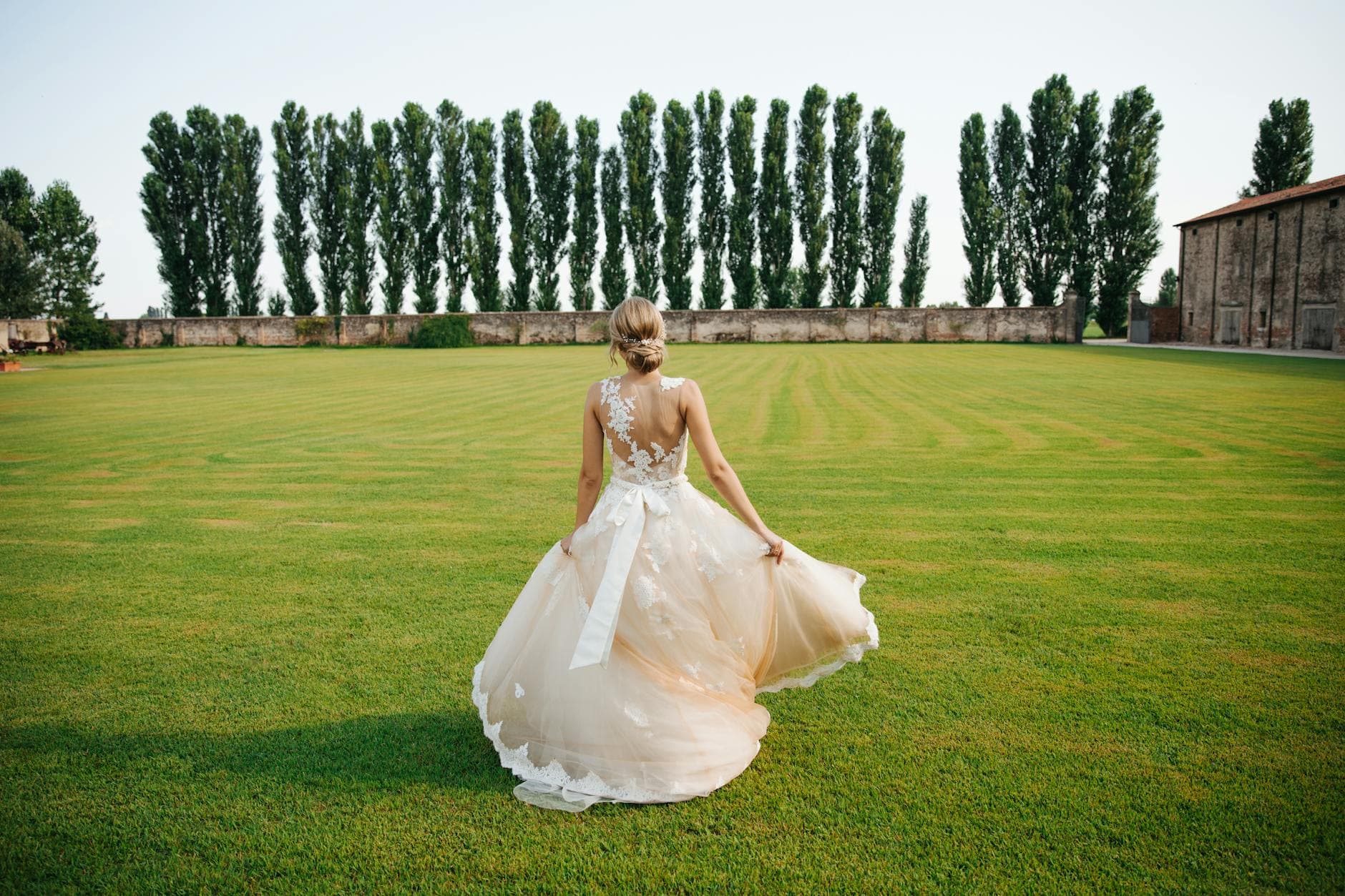
That constant flow of runway and salon previews is part of why bridal now feels more personal. Designers and editors are looking at a vast range of dresses and forecasting what brides will actually want next, not just what tradition says they should want. The result is a broader, more flexible market where a bride can find something formal, something minimal, something colorful, or something with just enough edge to feel like herself.
The long view on color
The move away from bridal white is not a rejection of history so much as a correction to it. White became dominant in Western weddings after Queen Victoria wore it for her 1840 wedding, but brides across cultures have long worn color. Red and violet have both appeared in bridal traditions, which makes today’s return to color feel less like a novelty and more like a restoration.
That history gives the current crop of ivory, blush, and red dresses real meaning. These are not simply fashion statements for their own sake. They are a reminder that bridal style was never supposed to be one-note, and that individuality has always been part of the category, even when the market tried to narrow it.
The new standard
The smartest nontraditional wedding dress is not the loudest one. It is the one that understands the setting, the calendar, and the life a bride wants after the ceremony is over. In 2026, that can mean a Khaite slip in ivory, a Batsheva dress with vintage spirit, a Marina Moscone silhouette with polish, or a red look that turns expectation into something sharper and more memorable.
Bridal style is broadening because brides are asking for dresses that feel special without being sealed off from real life. That is the lasting appeal of this ready-to-wear moment: it makes wedding dressing look less like a one-day performance and more like the best version of personal style.
This article was produced by Prism’s automated news system from verified source data, official records, and press releases, then run through automated quality and moderation checks before publishing. The system is built and supervised by the people who set the standards it runs under. Read our full AI policy.
Did this article answer your question?