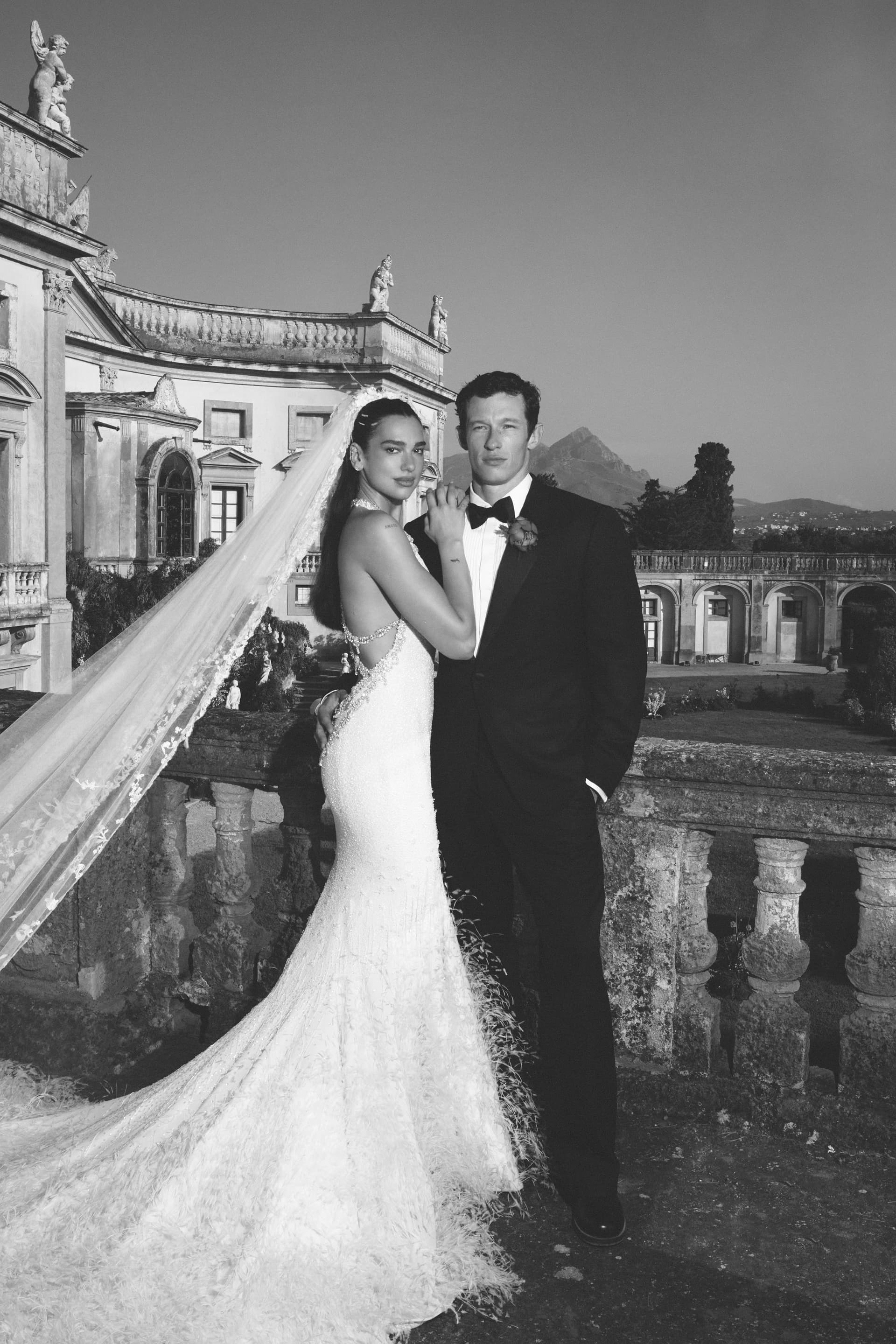
U.S. brides turn to Vietnam for custom wedding dresses at lower cost
Ginny Deaza is paying under $2,500 for a custom Vietnam-made gown that would top $15,000 in the U.S., using remote fittings and AI to keep costs down.

Ginny Deaza is making one of the sharpest bridal moves on the market right now: commissioning a custom wedding dress in Vietnam and cutting the bill to under $2,500, a price she says would have run well over $15,000 in the United States. That is not a small savings. That is the difference between a salon fantasy and a full-blown budget reset.
The appeal is obvious if you know how bridal pricing works. The Knot’s 2026 Real Weddings Study puts the average U.S. wedding dress cost at about $2,100, but custom is still its own lane, and a growing one. The Knot says about 19% of brides wore custom-made attire in the most recent survey data it cites, and roughly 20% chose a custom wedding dress in 2023. Once you start stacking the usual cost drivers, fabric sourcing, design elements, labor, alterations, construction, retailer location, and brand reputation, the price climbs fast. In other words: the markup is real.
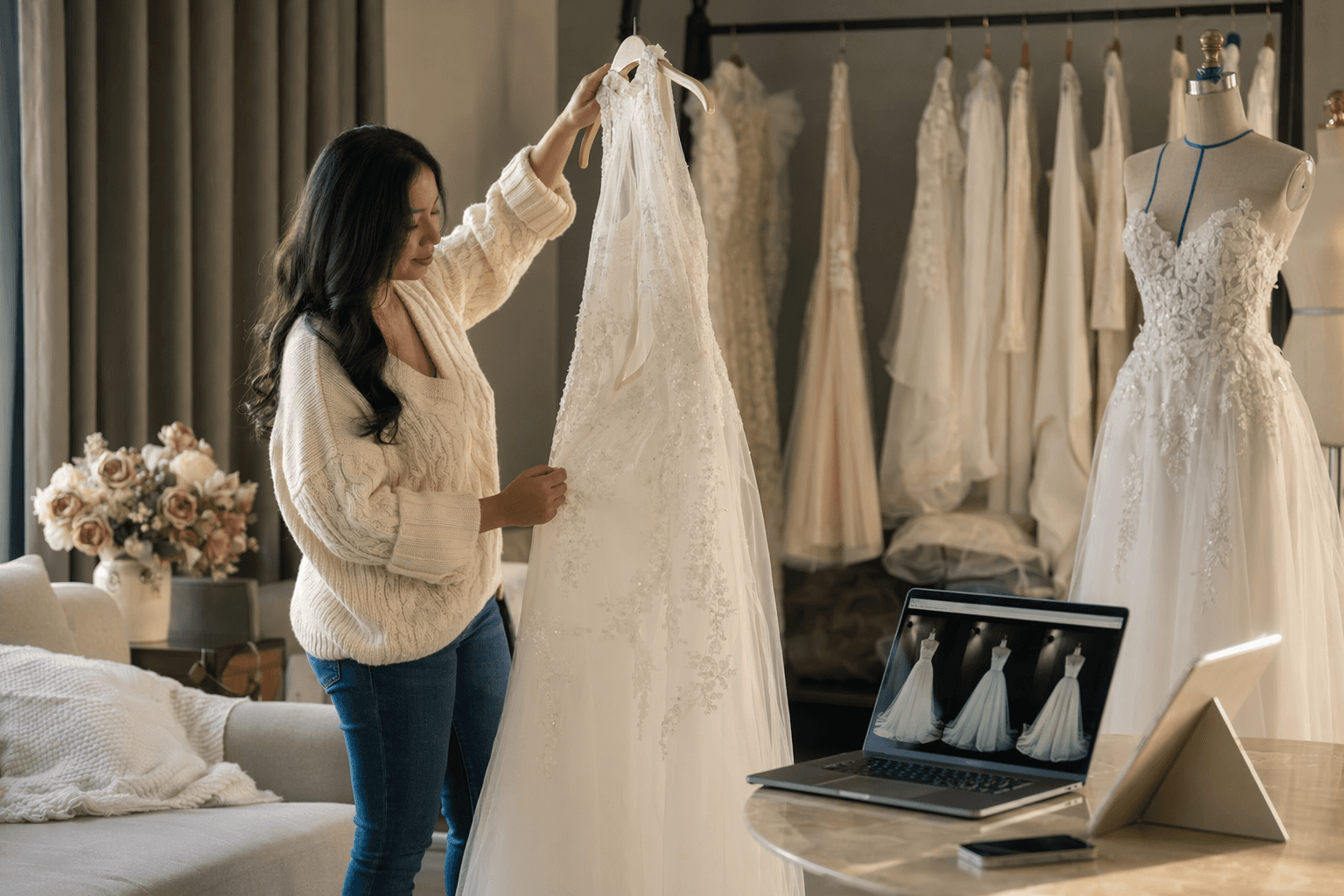
Vietnam is stepping into that gap with a pitch that is hard for budget-minded brides to ignore. Linh Bridal advertises custom-sized, handmade-in-Vietnam gowns priced from $200 to $1,000. LAHAVA says its custom-made dresses start at $300 and can ship worldwide in as fast as six days. VI Dressmakers says it crafts gowns in Saigon and fits brides remotely. That mix of made-to-measure work, international shipping, and prices that sit far below U.S. salon averages explains why brides are looking beyond New York and Los Angeles for couture-level looks without couture-level pain.
The other shift is digital. Deaza’s process leans on remote fittings and AI-assisted sharing, which is exactly the kind of tech bridge bridal retail has been building toward. David’s Bridal has already introduced AI-enabled shopping and planning features, a sign that digital customization is no longer a novelty but part of how brides are being sold to. The old model was all in-person hand-holding, endless appointments, and a local salon doing the translation. The new one asks for sharper measurements, cleaner communication, and a lot more trust in the factory.
That tradeoff matters. This route works best for brides who want full custom work, can handle remote communication, and are willing to manage the risk of fit corrections, shipping delays, customs, and the absence of in-person salon support. For the right bride, though, the math is brutal in the best way: a dress with real craft, a lower bill, and no need to pay American retail for the privilege.
This article was produced by Prism’s automated news system from verified source data, official records, and press releases, then run through automated quality and moderation checks before publishing. The system is built and supervised by the people who set the standards it runs under. Read our full AI policy.
Did this article answer your question?