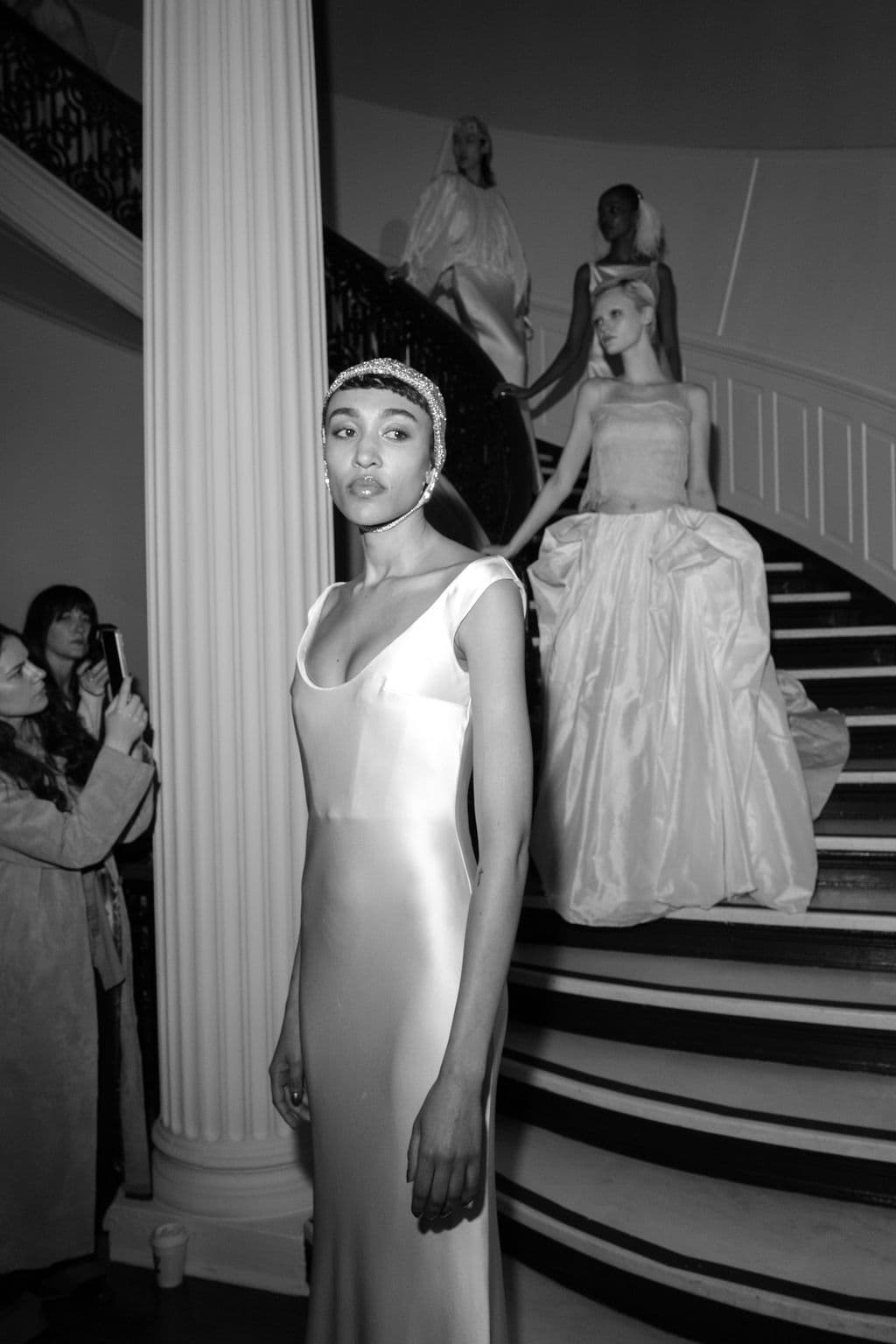
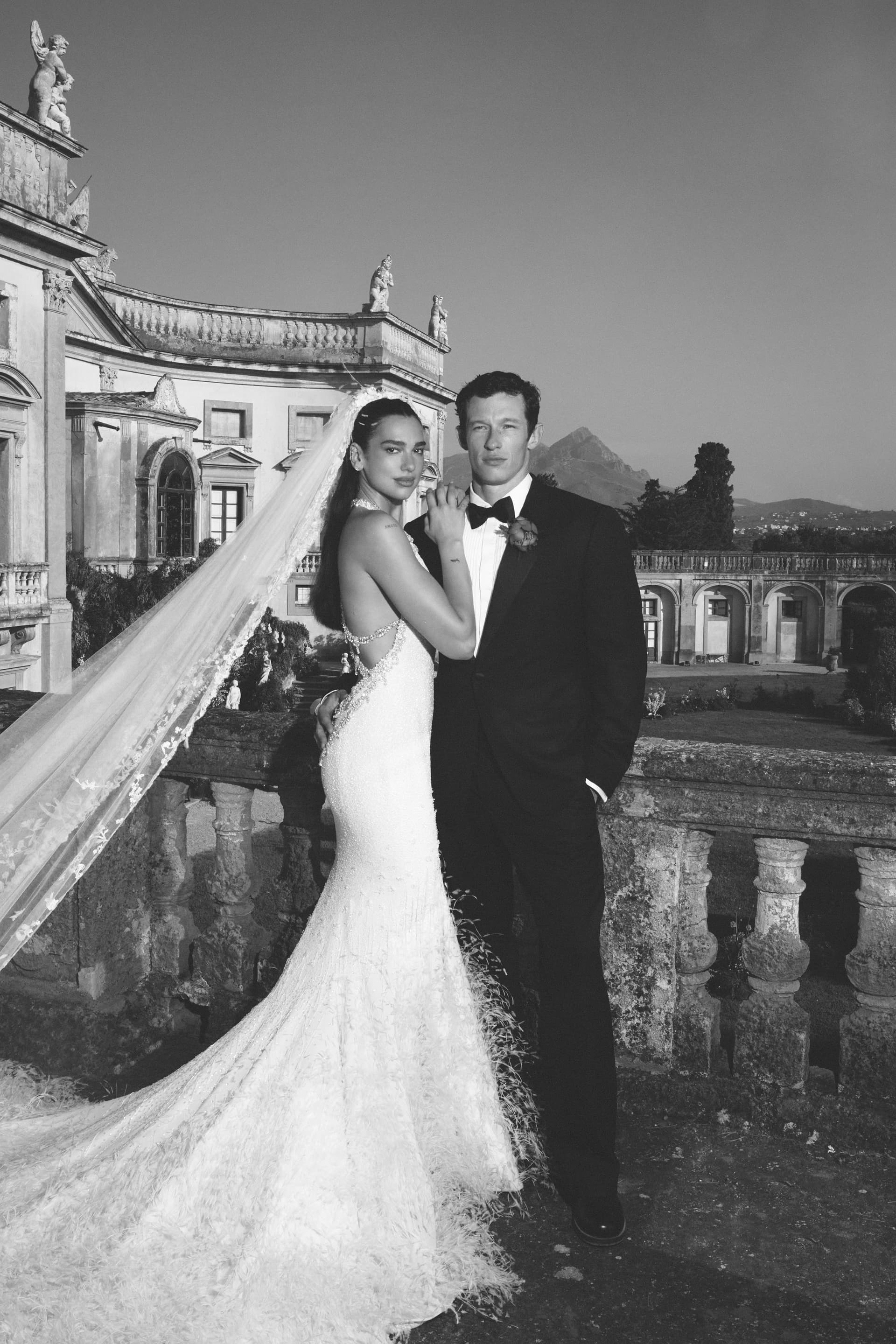
What wedding dresses cost, from off-the-rack to custom gowns
Wedding dress prices start with fabric and handwork, then climb with fittings, location, and brand cachet. Here is how to read the real bill before you fall for the lace.
What the average bride is actually spending
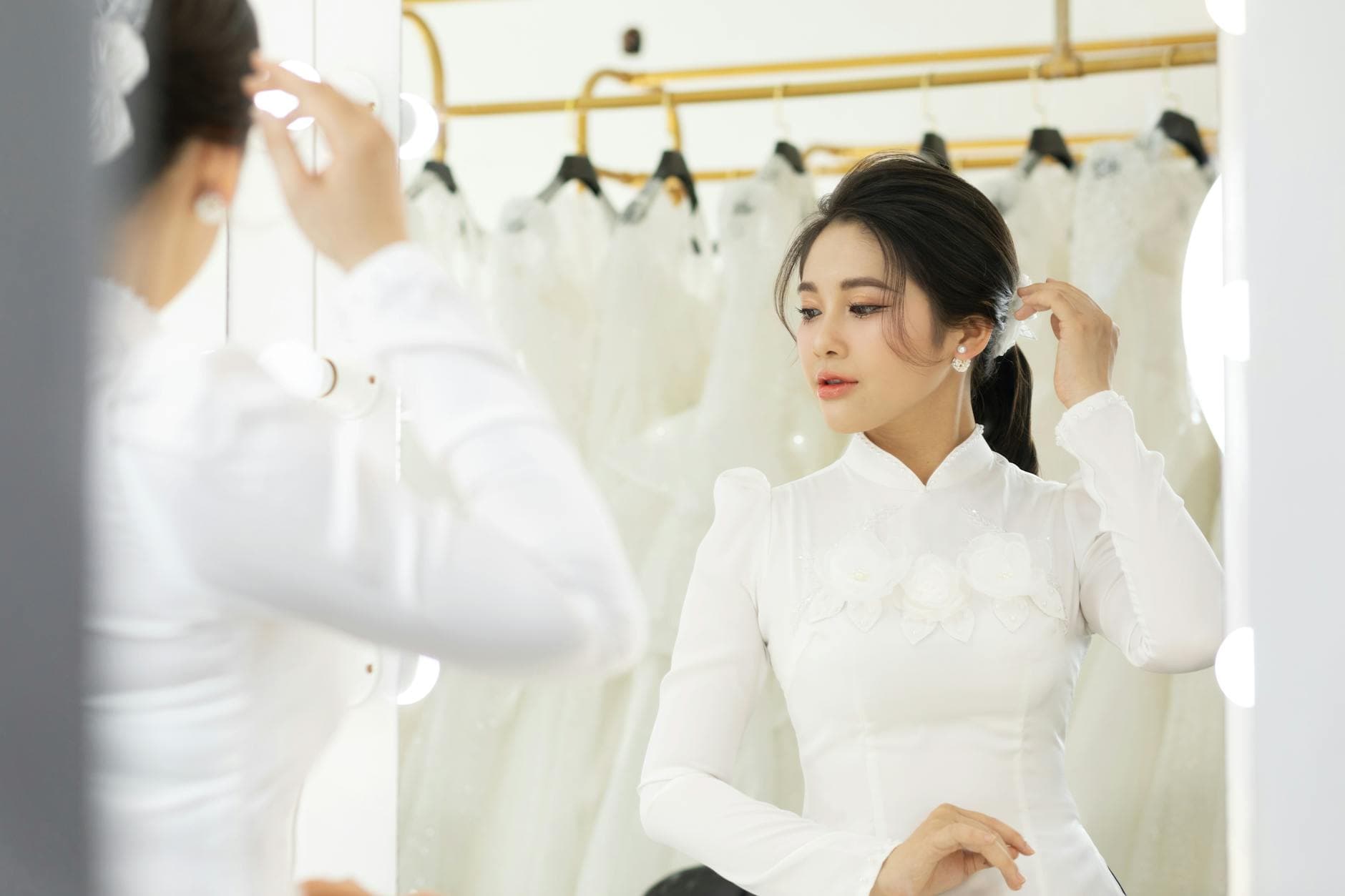
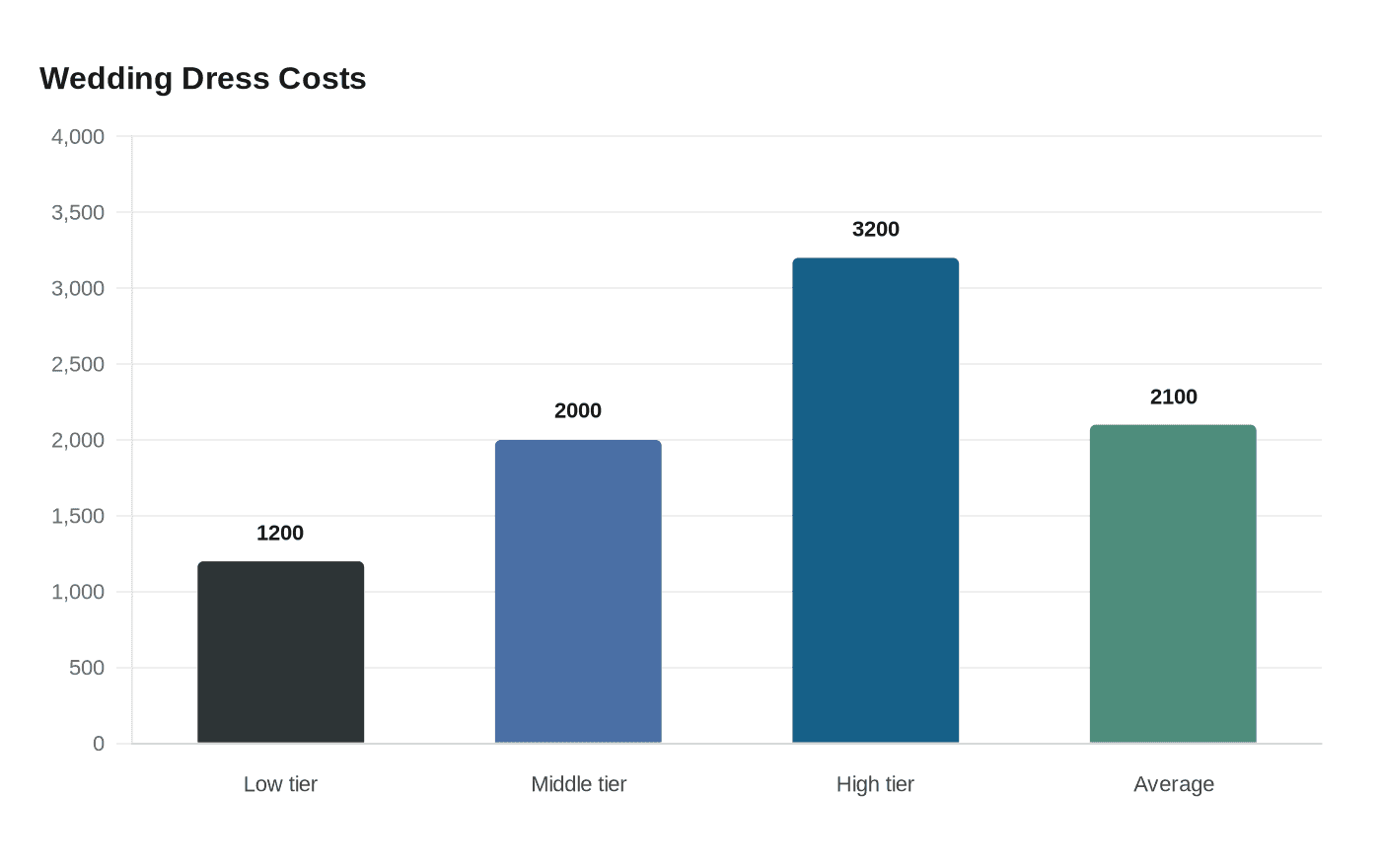
A wedding dress can feel like a single, emotional purchase, but the numbers tell a broader story. The Knot’s 2026 Real Weddings Study puts the average dress cost at about $2,100, drawn from 10,474 U.S. couples married in 2025. That average mostly reflects off-the-rack and made-to-order gowns, not full custom work, because only 19% of female survey participants wore custom-made attire.
The budget bands are just as useful as the headline average. Brides in the low-budget tier spent about $1,200, the middle tier about $2,000, and the high-end tier about $3,200. Those figures are the fastest way to calibrate expectations: a clean crepe sheath and a heavily hand-finished ballgown may both be “wedding dresses,” but they live in very different financial worlds. If your target budget sits below the average, off-the-rack will usually keep you closest to reality; if you want couture-level detail, custom begins to make sense only when you are ready for a bigger leap.
The fabric is the first invisible cost
Fabric is not just a line item, it is the first place a dress becomes expensive. Yuliia Lobachova of Ricca Sposa and Alyssa Hoersten of Alyssa Kristin both point to fabric composition and sourcing as major price drivers, and you can see why the moment a gown moves from plain satin to silk mikado, tulle, lace, or beaded net. Specialty textiles cost more to buy, more to handle, and more to transform into the structured, photogenic shape brides expect.
Then there is the supply chain. WWD reported that nearly 90% of wedding gowns and formalwear are manufactured in Asia, including China, Vietnam, the Philippines, India, and Myanmar, where factories and specialized embroidery and lace capabilities shape pricing. That global production network helps explain why a dress with complex surface work can cost far more than its silhouette suggests. If you are choosing between a sleek gown and one covered in embroidery, decide whether you want the fabric to whisper or perform, because the second option almost always costs more.
Handwork, structure, and labor are where prices climb fast
The most expensive dresses are rarely expensive because of one dramatic detail. They become costly through accumulation: beading, lacework, satin layers, boning, internal corsetry, and multiple underlayers that make a skirt float rather than collapse. Sareh Nouri has described a luxury wedding dress as something that can take days or weeks to make, which is exactly the kind of labor a bride pays for when she wants a gown to sit properly on the body and move beautifully in motion.
Domestic production raises the bill even further. WWD noted that U.S.-made bridal work carries higher labor and sourcing costs, and that skilled dressmakers are difficult to find because the trade is an old craft that demands constant investment. This is the quiet math behind a gown that fits like it was drawn on the body instead of simply sewn. If the dress needs visible handwork or complex internal construction, custom or domestic production is worth it only when fit and finish matter more to you than keeping the price close to the median.
Off-the-rack, made-to-order, and custom are not the same purchase
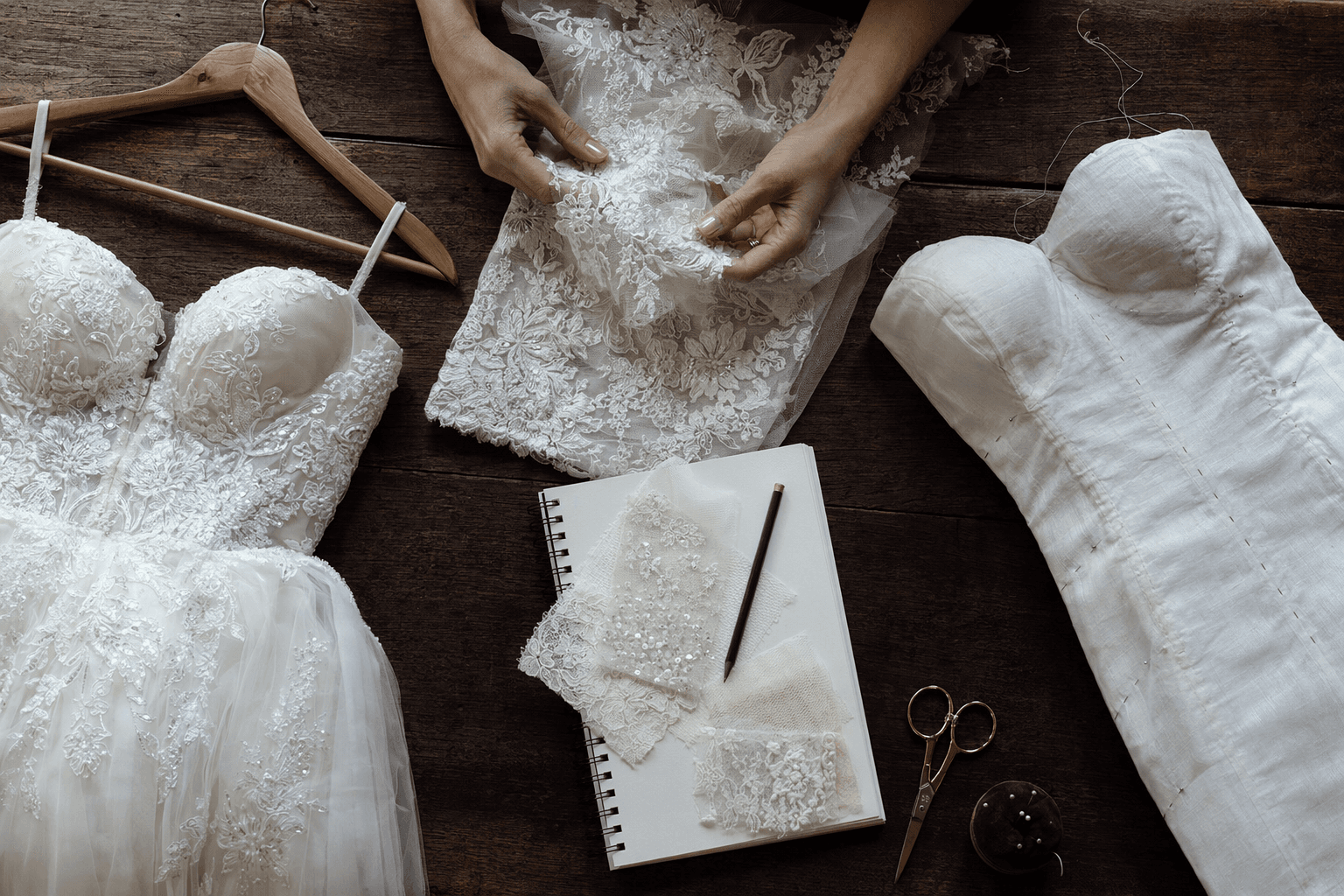
Bridal shopping often blurs these categories, but the price difference is real. Off-the-rack usually means the dress exists already, which can save money and time. Made-to-order gives you the same design language with less risk than full custom, but you still pay for construction, ordering, and the salon’s service structure. Custom is the most expensive path because it folds in design development, specialized labor, and multiple rounds of fitting and adjustment.
The Knot’s data shows why off-the-rack and made-to-order dominate the average. With only 19% of survey participants wearing custom-made attire, most brides are not commissioning a gown from scratch. That matters because the average price of $2,100 is not a couture benchmark, it is a real-world middle ground. If you want a tighter budget and fewer unknowns, choose a gown that already exists and only needs light alterations; if you want a silhouette built around your body and vision, custom is the point where the cost begins to reflect that intimacy.
What salons add, and why location matters
A bridal salon is not just a hanger and a mirror. Retailer overhead covers appointment space, inventory, trained stylists, storage, and the service of guiding you through a category that is emotionally loaded and technically specific. Yuliia Lobachova and Alyssa Hoersten both point to retailer location as a cost driver, and the difference between a salon in a high-rent fashion district and one in a smaller market can be meaningful before a needle ever touches the hem.
Brand reputation adds another layer. A name that carries fashion-world cachet often prices not only the garment but the confidence that the cut, finish, and styling will hold up under scrutiny. In bridal, prestige can be real, but it is not always proportional to fabric cost or labor hours. If your goal is value, ask whether you are paying for the dress itself or the address, the brand story, and the appointment experience around it.
Alterations are not optional, and they are rarely free
Even a well-made dress usually needs adjustments, and those are part of the real purchase price. The Knot’s 2026 coverage names alterations and additions as one of the main drivers behind final cost, alongside labor, construction, fabric, retailer location, and brand reputation. Hemming a train, taking in the bodice, adjusting straps, adding cups, or changing a neckline can all move the bill upward after you have already said yes to the gown.
That is why deposit structure matters too. Many retailers and designers require a 30% to 50% deposit when the order is placed, with the remaining balance typically due at pickup. In practice, that means the dress is rarely one payment, it is a sequence. If you are budgeting, make room for alterations from the start, because a lower sticker price can become a higher final price the moment the dress is on your body instead of the hanger.
Why the bridal bill keeps rising
The wedding dress does not exist in a vacuum. WWD reported that total wedding-related spending topped $100 billion in 2025, and that the U.S. hosts about 2 million weddings annually. That is a large, resilient market, supported by roughly 15,000-plus independent bridal stores and 300,000 workers in the supply chain. When a category is that specialized, it carries its own economics, separate from everyday apparel.
It also carries the pressure of broader inflation. The U.S. Bureau of Labor Statistics said consumer prices rose 3.8% over the 12 months ending April 2026, and bridal feels that strain in fabric, freight, labor, and retail overhead. The Knot’s 2023 Real Weddings read-out showed average combined ceremony and reception spending of $35,000, up $5,000 from 2022, which is a useful reminder that the dress is only one line in a larger, climbing budget. If wedding spending is already stretched, the smartest dress decision is the one that protects the look you care about most while refusing to pay extra for details you will never notice in photos.
The clearest way to decide what to spend
Use the dress the way you use the rest of your wedding budget: by separating what is fixed from what is negotiable. Fabric, handwork, construction, and labor are the hard costs, while brand name, salon location, and the level of service around the gown are the softer ones. Off-the-rack saves money when the shape already works for your body; made-to-order is the middle path when you want more refinement without full custom expense; custom is worth it when you care deeply about fit, finish, and a dress that exists only for you.
A bridal budget is never just about the price tag on the tag. It is about how much of the dress you are buying in cloth, how much in craft, and how much in the experience of being fitted into the one garment that has to do so much on a single day.
This article was produced by Prism’s automated news system from verified source data, official records, and press releases, then run through automated quality and moderation checks before publishing. The system is built and supervised by the people who set the standards it runs under. Read our full AI policy.
Did this article answer your question?