Vogue maps 2026 bridal trends, romance, individuality, and bold headwear
Bridal is splitting into more looks, more personality, and more headwear. The biggest 2026 shift is not a new silhouette so much as a new wedding dress code.
Pinterest says couples made over 7 billion wedding-related searches and saved more than 16.7 billion wedding ideas globally last year. For 2026, the bridal conversation is no longer about one perfect gown. It is about a wardrobe of moments, from low-key pre-wedding dinners to the after-party, and about a bride who wants the whole weekend to feel visibly like hers. Pinterest, Zola, and The Knot Worldwide all point to the same commercial truth: romance is getting bolder, individuality is getting louder, and bridal businesses are being pushed to make room for both.
The new bridal brief
Pinterest’s 2026 Wedding Trends Report puts the mood in two phrases: “maximum romance” and “modern individuality.” That is less a soft-focus mood board than a product brief for the entire category, from invitations and table settings to what hangs in the bridal salon.
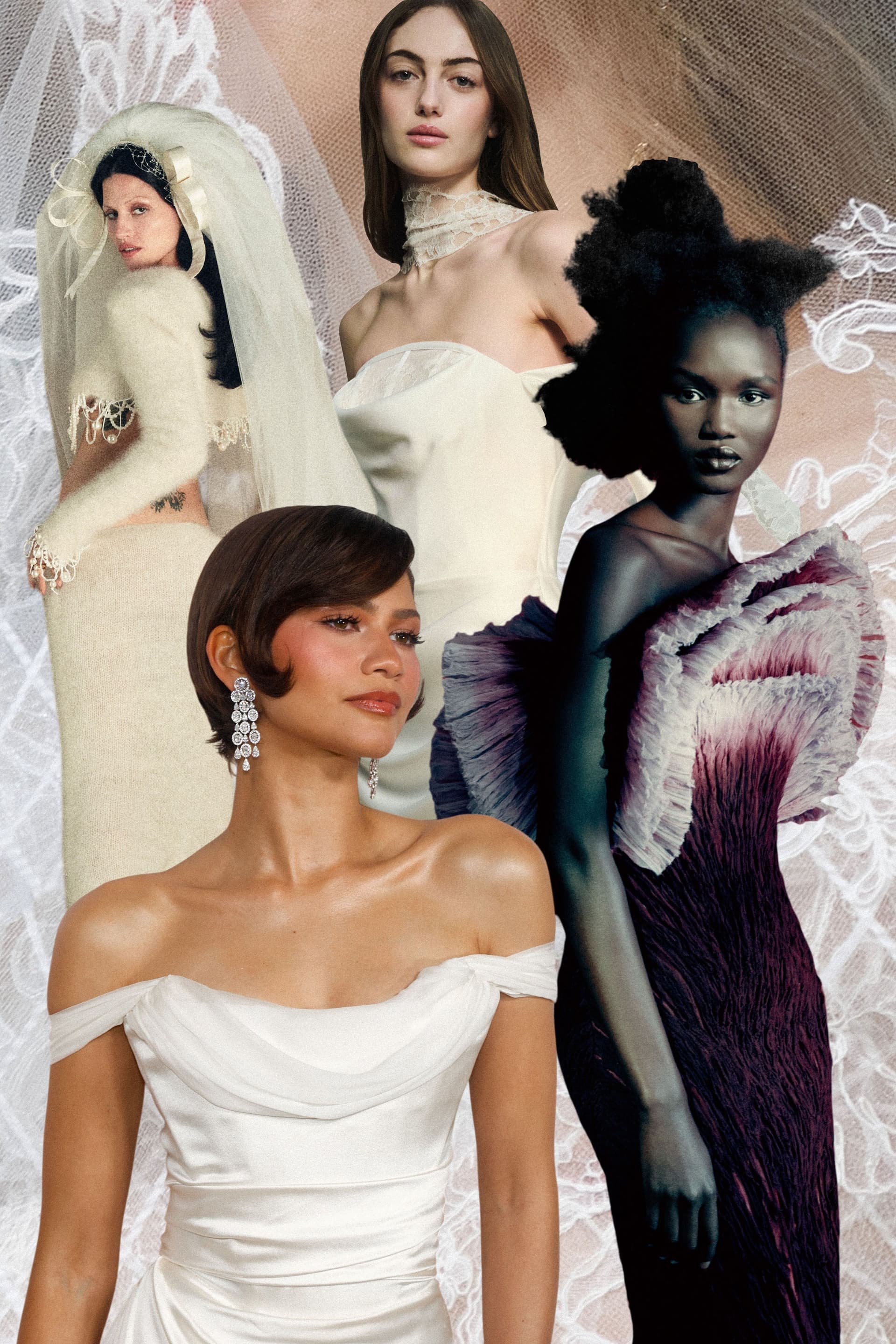
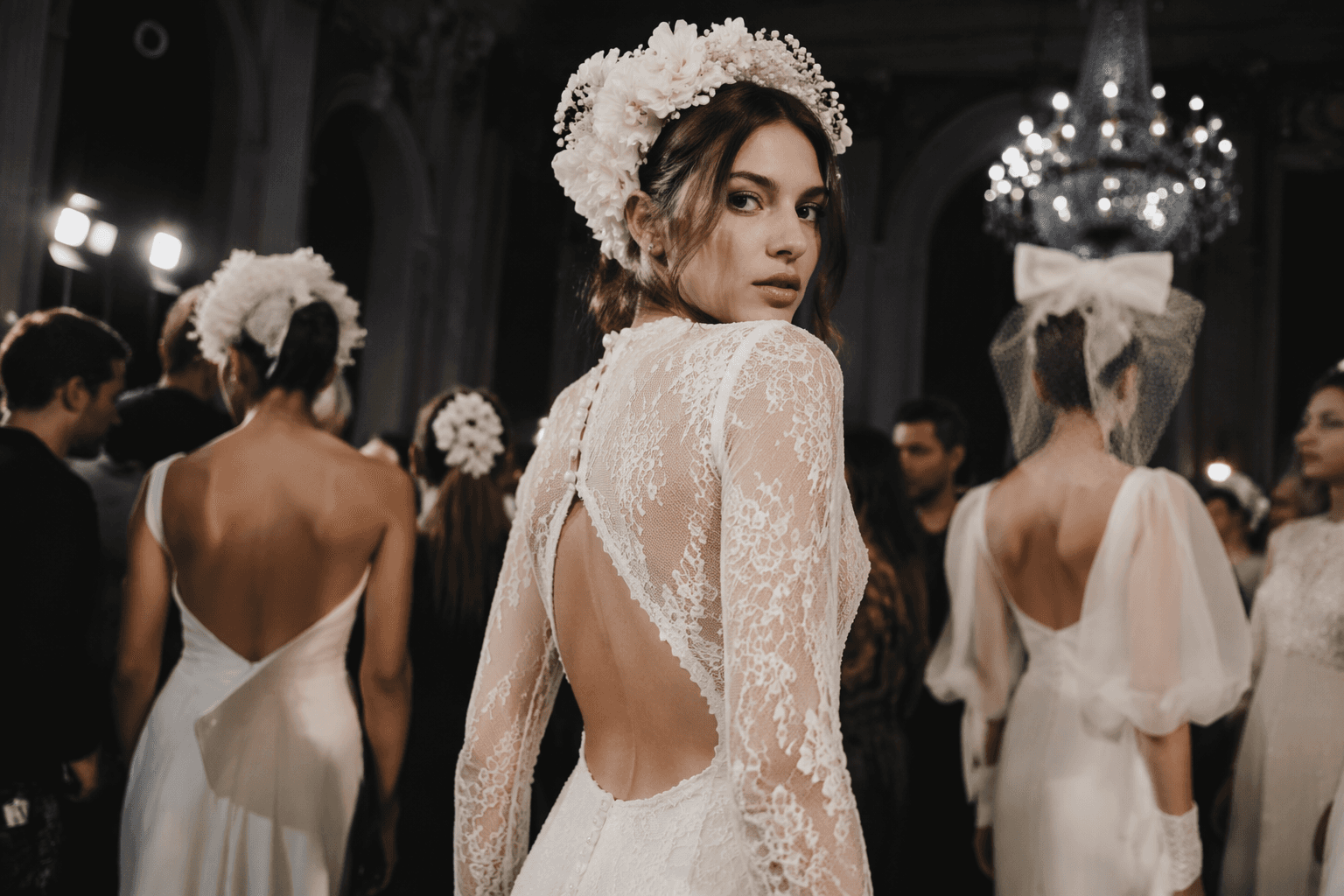
The new fantasy runs through low-key pre-wedding soirees, opalescent palettes, speakeasy venues, and bold bridal headwear, including crowns, caps, and cool-girl veils. Pinterest says the top reason unconventional weddings appeal to couples is simple: they reflect their personalities.
Gen Z is changing the timing as much as the style
In Zola’s survey of over 11,500 couples getting married in 2026, Gen Z made up the majority of engaged couples surveyed for the first time, nearly 1 in 5 couples were already in full planning mode before the proposal, and the average wedding cost held at $36,000 for the second year in a row. Zola found more than half of couples now get wedding inspiration from TikTok, which helps explain why wedding style is moving faster and looking more intentional at every stage.
If planning starts before the proposal and inspiration comes from short-form video, then the strongest collections will not just deliver a gown, but a sequence: engagement-party polish, rehearsal-dinner ease, ceremony drama, reception movement, and after-party confidence.
One dress is no longer the whole story
One of the clearest shifts at New York Bridal Fashion Week, highlighted by Vogue Singapore, was brides wearing different looks for the ceremony, reception, after-party, and rehearsal dinner. That detail is reshaping how retailers edit their salons and how designers build collections, because brides are no longer shopping for a single endpoint. They are shopping for a sequence of entrances.
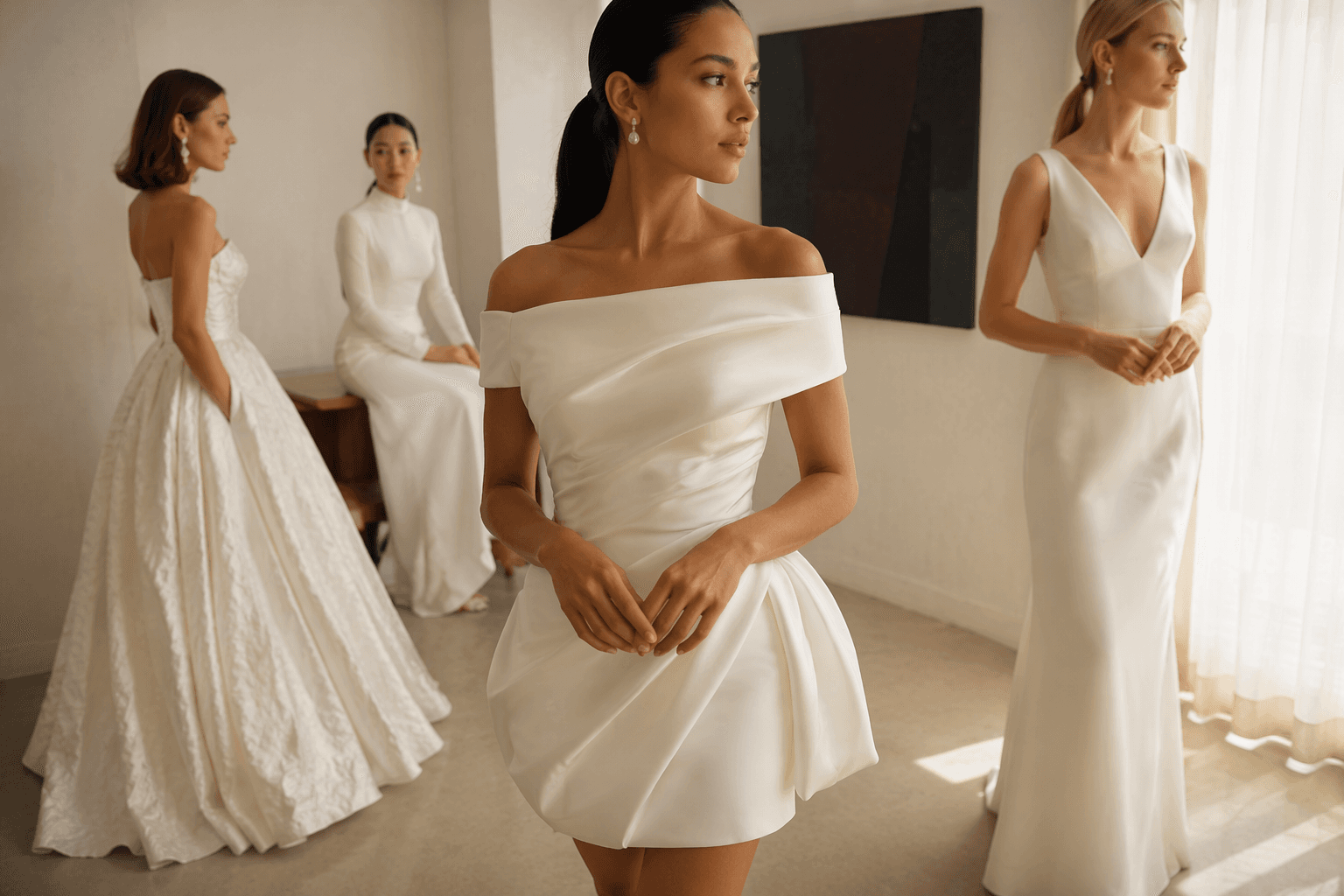
The spring 2026 collections shown in New York leaned into that reality with bubble skirts, draped basque waists, non-white gowns in muted pastels, and updated lace treatments. Across 2026 collections, the same language keeps resurfacing: bubble hems, separates, sheer layers, dramatic veils, corsetry, and more expressive color.
What brides should wear now
The smartest bridal buys for 2026 are the ones that do more than one job. A draped basque waist gives shape without feeling overworked. A bubble skirt brings volume with movement, which matters if the goal is a gown that looks good from dinner to dance floor. Separates make sense because they can be mixed across events, and because they let brides shift from ceremony formality to reception ease without feeling like they changed personalities.
Headwear is the easiest way to buy into the new mood without overcommitting to a costume. Crowns and caps push the look toward fashion; cool-girl veils keep the romance but strip away the museum-piece stiffness that once came with bridal accessories. Pastel gowns and opalescent finishes also fit the direction, especially for brides who want color without abandoning softness. What to skip: a look that feels frozen in one tradition, or a dress that cannot move beyond the altar.
What brands should make next
The Knot Worldwide puts the U.S. wedding industry at roughly $100 billion, with around 2 million couples marrying in the U.S. in 2025 and average wedding spend at $34,000 with an average guest count of 117. It also puts Gen Z at 41% of the wedding market, AI use among engaged couples at 36%, and lab-grown center stones at 61% of engagement-ring purchases. Those numbers point to a customer who is more digitally fluent, more budget-aware, and more open to rethinking tradition when the value proposition makes sense.
For bridal labels, that means the most useful collections will be the ones that can be worn in more than one setting and photographed from every angle. Think modular separates, veils that feel like accessories rather than obligations, and dresses that can shift from ceremony precision to reception ease with a change of styling.
The mood that will last
Carly Katz-Hackman of Pinch Food Design says Gen Z couples care more about shareability and personal expression, while planner Akeshi Akinseye of Kesh Events says Gen Z is pushing personalization further, with less tradition and more boldness.
This article was produced by Prism’s automated news system from verified source data, official records, and press releases, then run through automated quality and moderation checks before publishing. The system is built and supervised by the people who set the standards it runs under. Read our full AI policy.
Know something we missed? Have a correction or additional information?
Submit a Tip