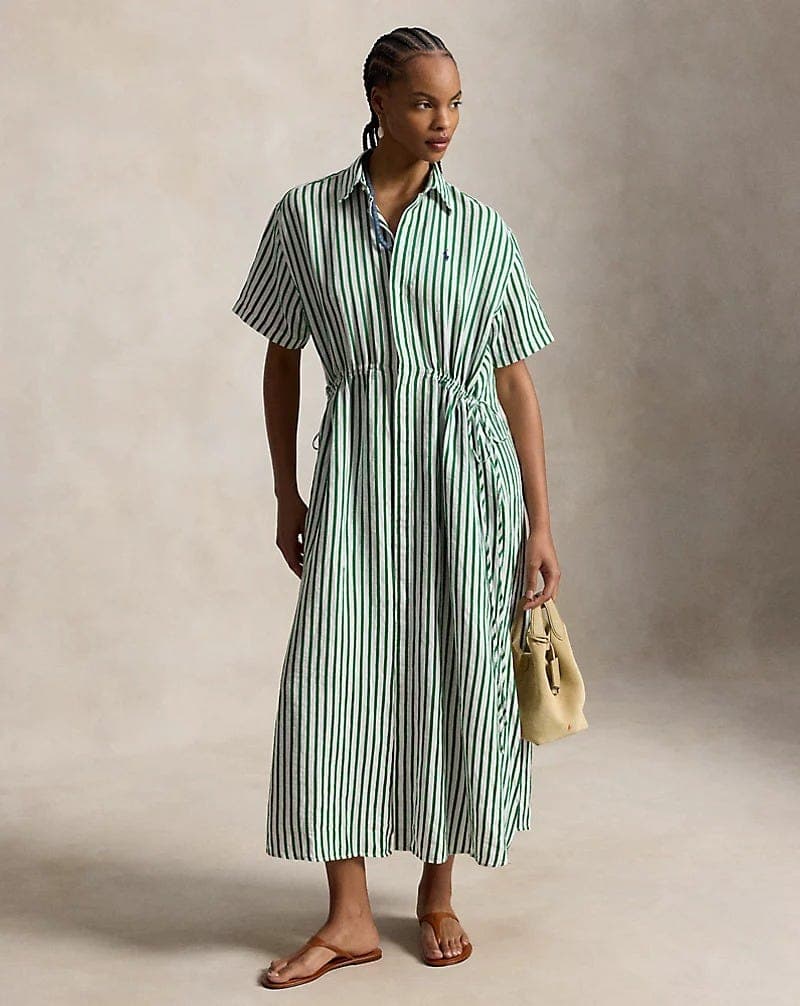
Budget capsule wardrobes merge style, savings, and sustainability
Thirty pieces, 100+ outfits, half your current clothing spend: the capsule wardrobe math that's quietly reshaping how fashion-aware shoppers buy.
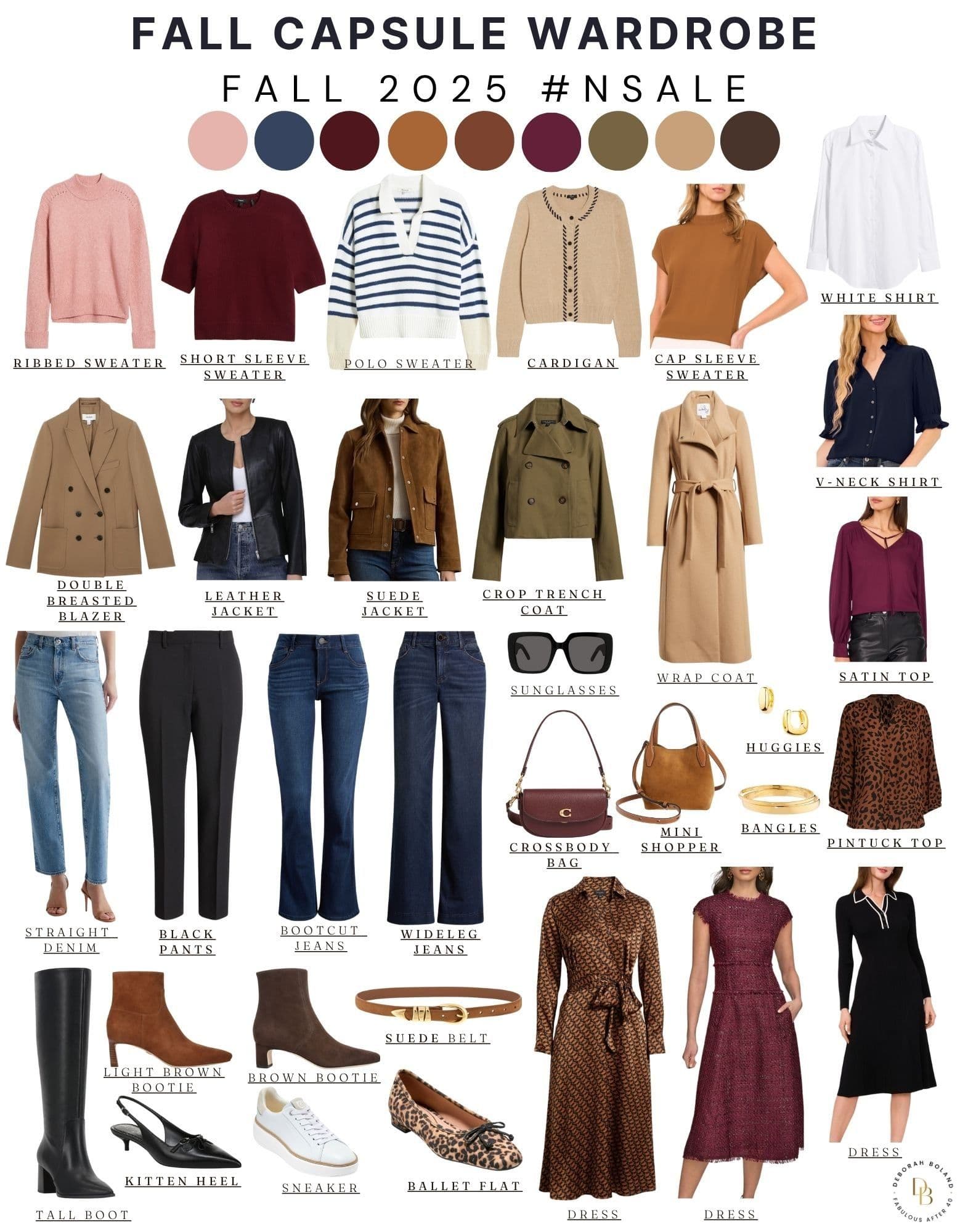
The average wardrobe holds 166 pieces. A quarter of them went completely unworn last year. That single statistic from a 2025 Indyx wardrobe analysis is the sharpest argument for the capsule approach: not that owning less is virtuous, but that owning smarter is simply more efficient. In 2026, that efficiency argument has become the dominant frame in fashion, pulling together budget-conscious shoppers, sustainability advocates, and anyone exhausted by a closet full of clothes and nothing to wear.
The Capsule Math You Can Actually Copy
The numbers are more compelling than any trend forecast. A 20-piece capsule built around versatile, mix-and-match pieces generates 45 or more distinct outfits; scale to 30 pieces and most style guides put the combination count well above 100. At the entry-level end, a disciplined 10-piece build costing under $200 can reliably produce 30-plus outfits, according to Zeagoo's 2026 capsule guide, which maps the combinations explicitly: five foundation pieces (white button-down, well-cut trousers, a neutral knit, dark denim, and a structured layer) at roughly $107, supplemented by five accent items, unlock a working wardrobe for under the cost of two impulse fast-fashion hauls.
The 20-to-40-piece range has become the consensus sweet spot across guides published this season, whether the focus is work dressing, sustainable fashion, or pure budget efficiency. A 20-piece work capsule, for instance, can generate over 100 unique outfit combinations, making the math self-evident: fewer decisions, more outcomes.
The Cost-Per-Wear Calculation That Changes Everything
Cost-per-wear is the metric that reframes every purchase. A $100 jacket worn 100 times costs $1 per wear. A $20 blouse worn twice costs $10 per wear. The practical implication: the "budget" move is nearly always the better-made piece, bought intentionally and worn repeatedly, not the cheaper piece that gets discarded after a season.
Applied across a full wardrobe, the savings compound quickly. American consumers currently spend an average of $1,800 to $2,500 per year on clothing. A capsule strategy, built on deliberate purchases and higher per-wear frequency, can cut that figure roughly in half. Guides targeting sustainable builds suggest savings of $1,200 to $3,000 annually once the impulse-buy cycle is broken.
The deliberate shopping window is the tactical tool that makes this possible: rather than browsing continuously and buying reactively, capsule practitioners identify gaps in their existing wardrobe, set a specific purchase window (many guides recommend quarterly edits), and shop with a list. The pause is the point; it interrupts the reflex spending that inflates wardrobe size without increasing outfit yield.
Build on Neutrals, Accent with Intention
The palette logic underpinning every effective capsule is straightforward: approximately 70% of pieces in neutrals (ivory, warm black, soft beige, camel, olive) with one or two deliberate accent tones (terracotta, deep green, and cobalt are recurring 2026 recommendations) creates the combinatorial flexibility that makes high outfit counts possible. When every piece can plausibly pair with every other piece, the mathematics of combination work in your favor. When a wardrobe mixes conflicting tones and competing prints, it fragments into isolated outfits rather than a system.
This is where many wardrobes fail despite containing more than enough pieces: the 80/20 rule, drawn from the Pareto Principle, holds that most people wear 20% of their clothes 80% of the time. The explanation is almost always palette incoherence and impulse buying, not a shortage of items.
Sustainability as a Savings Lever
The environmental case for capsule dressing has sharpened into a financial one. The fashion industry generates 92 million tonnes of textile waste annually, according to UNEP figures, and clothing utilization has dropped 36% over the past 15 years; the average garment is now discarded after just seven wears. Against that backdrop, buying fewer, better pieces is both the sustainable and the economically rational choice.
The secondhand market extends the logic further. Platforms including ThredUp, Depop, Poshmark, Vestiaire Collective, and The RealReal have made it possible to source quality pieces at significant discounts, often from brands whose new-retail prices sit above budget-build thresholds. A silk blouse or structured wool blazer that retails at $180 can frequently be sourced secondhand for $35 to $60, with no meaningful difference in wear life when cared for properly. Repair, too, functions as a savings lever: a cobbler's resoling or a tailor's hem refresh can extend a well-made piece's life by years, keeping its cost-per-wear figure falling rather than plateauing.
The Quality Tiers Worth Knowing
Budget doesn't mean one tier. Guides published in 2026 consistently identify a workable three-level structure:
- Entry-level foundations from brands like Uniqlo, Amazon Essentials, and Quince, where a complete work capsule of 20 pieces can be assembled for under $500, with per-piece cost often under $1 per wear after six months of regular rotation
- Mid-tier investment pieces from Everlane, Mango Premium, and similar labels, where a relaxed blazer at around $105 delivers elevated cut and longer fabric life than entry pricing allows
- Considered secondhand buys from higher-end labels, sourced through resale platforms, where the per-wear economics are often the strongest of all three categories
The strategic move is to combine levels rather than commit exclusively to one: buy foundations at entry pricing, invest slightly more in the outerwear and structured pieces that define a silhouette, and fill quality gaps through the resale market.
The Eco-Edit as a Capsule Framework
The sustainable capsule specifically, built on organic cotton, Tencel/lyocell, recycled polyester, hemp, and regenerative wool rather than conventional synthetic blends, has moved from niche to mainstream framing in 2026 editorial coverage. Its appeal is partly ethical and partly practical: natural and semi-synthetic fibres generally wear and drape differently from virgin polyester, and pieces built from them tend to hold their appearance across more wears before showing fatigue. That longevity is the sustainability argument translated directly into cost-per-wear math.
The practical capsule build for 2026 is not an ascetic exercise. It is a portfolio decision: concentrate spend on pieces with the highest return in outfits per dollar, eliminate the dead weight of unused inventory, and let the wardrobe become a tool that works consistently rather than a collection that requires constant additions to feel complete.
This article was produced by Prism’s automated news system from verified source data, official records, and press releases, then run through automated quality and moderation checks before publishing. The system is built and supervised by the people who set the standards it runs under. Read our full AI policy.
Did this article answer your question?