Spring Capsule Wardrobe Checklist — (evergreen tactical checklist & outfit formulas)
12 pieces can generate 30 outfits, but only if you build with intent. Here's the exact checklist and outfit math to audit your closet in 10 minutes.
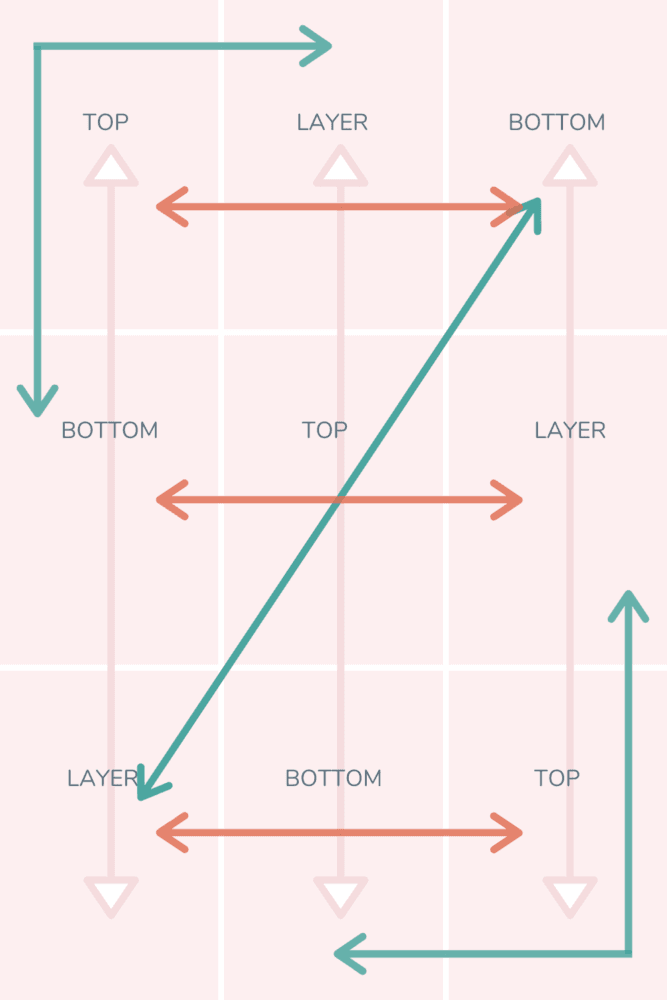
The concept of a capsule wardrobe has been around since Susie Faux coined the term in the 1970s, but the math behind it still trips people up. The promise isn't magic; it's combinatorics. An outfit is just a series of slots: top plus bottom (or a dress), shoes, and an optional layer or accessory. Once you understand the slot system, the numbers stop feeling aspirational and start feeling inevitable. Twelve intentional pieces can yield 30 real outfits. Twenty well-chosen ones push past 100 permutations. A 30-piece build, structured correctly, has been documented at 88 distinct combinations for everyday casual wear. The issue is almost never quantity. It's whether each piece genuinely connects to at least two others in your existing closet.
The 10-Minute Closet Audit
Before you buy a single thing, pull everything out. Keep only items you've worn in the last 90 days that actually fit your current life and body. Everything else gets sold or donated. This sounds dramatic, but it's the step that makes the rest of the system work. A crowded closet creates decision fatigue; a clean one creates clarity.
Once you're looking at your keepers, organize by category: outerwear, tops, bottoms, shoes, and accessories. The question to ask of each piece isn't "do I love it?" but "how many other things in this pile does it work with?" One piece worn five ways earns its space. One piece worn one way, no matter how beautiful, is a costume.
Color is where most audits go sideways. The working formula for spring is 70% neutrals (ivory, soft black, warm beige, olive) plus one or two accent colors. Navy deserves specific mention here because it functions as a neutral in a way it rarely gets credit for; it reads with pink, red, yellow, and green without any visual conflict. If your current closet is running on more than two accent colors that don't overlap, that's the root cause of "nothing to wear" syndrome.
The Spring Checklist by Category
Start with bottoms. This is the rule that unlocks everything else: bottoms dictate both the tops and the shoes that can work with them, so they're the anchor for every decision that follows.
- Light wash denim: The single biggest seasonal swap. Retire the dark wash until fall; lighter, softer blue instantly freshens every outfit without purchasing anything new.
- White denim: Crisp and more versatile than it gets credit for. Pair with knits now, breezy tops through May and June.
- Wide-leg trousers in a neutral: The workhorse bottom that crosses from errands to office without any additional effort.
- A midi or knee-length skirt: The knee-length silhouette has been dominating thoughtful dressers for two seasons running and shows no sign of stopping.
For tops, the rule is that neutral tops paired with classic bottoms form the foundation of most outfits. Build here first, then add one or two printed or colored options for interest.
- White tee in structured cotton: Look for a slightly boxy fit and fabric that won't go sheer. This is the piece that runs through every outfit formula in the system.
- Linen or cotton button-down: The rare piece that works under a blazer, tied at the waist as a standalone, or layered over a swimsuit. Size up for the most versatile version.
- A lightweight knit or neutral cotton sweater: Spring is not reliably warm, especially in the first half of the season. A lighter-hued knit bridges the gap without bulk.
- One elevated casual top, either a blouse or a satin camisole: This is what turns a jeans outfit from weekend to dinner.
For outerwear, two pieces cover most spring scenarios.
- Trench coat: The spring layer that pulls any outfit together in rain, shine, and everything between. If you already own one in good condition, do not replace it this season.
- Twill utility jacket or oversized blazer: The cooler, more structured alternative for days that don't call for a trench. If you own both a trench and a blazer, skip the utility jacket entirely. Three outerwear pieces in a 20-piece build is one too many.
For shoes, three options cover the full range of spring dressing.

- Clean white sneaker or low-profile trainer: The casual workhorse.
- Loafer (flat or mule): The piece that reads polished without effort.
- Going-out sandal in a neutral or metallic: For spring evenings, block heels and flat sandals are equally valid; the priority is a tone that doesn't compete with the rest of the outfit.
Outfit Formulas That Actually Work
These five formulas cover the majority of spring scenarios. They're not aspirational; they're the combinations that come up on repeat.
- White tee + light wash jeans + trench coat + loafer: The daily default. Works for coffee, errands, and low-key meetings.
- Wide-leg trousers + linen button-down + blazer + block heel sandal: The smart-casual office formula. Add a belt if the proportion needs anchoring.
- Midi skirt + lightweight knit + clean sneaker: The weekend formula that reads intentional without feeling overdressed.
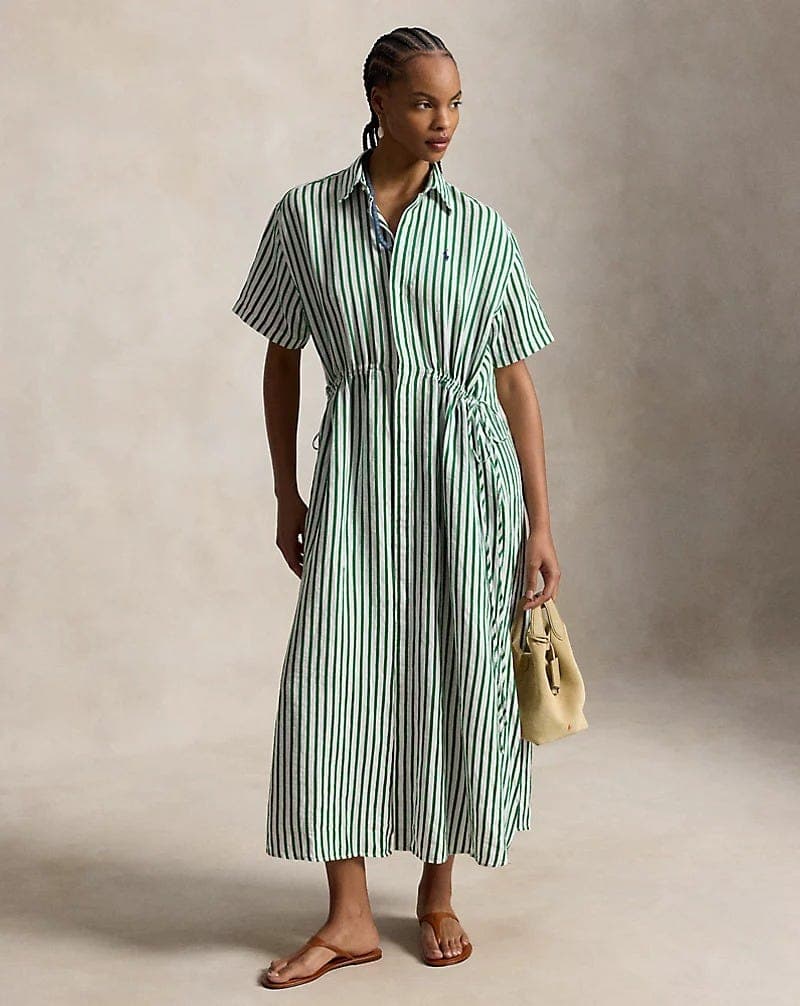
- Shirt dress (belted) + loafer mule: One piece, zero thinking. This is what the shirt dress earns its slot for.
- White denim + satin camisole + trench + going-out sandal: The evening-ready formula that starts from your most basic pieces.
Decision rule: If an outfit formula requires buying something new to complete it, it doesn't belong in your capsule yet. Build the formula first with what you already own; shop only for the genuine gap.
The 12/20/30 Builder
Scale your capsule to your actual life, not to someone else's wardrobe goals.
The 12-piece travel capsule prioritizes compression over variety. Target: 30 outfits. Structure it as four tops (including at least one tee and one elevated top), one outerwear piece, two bottoms, one dress or skirt, and two pairs of shoes. Every top must work with every bottom. The trench coat doubles as both your warmth layer and your polished layer.
The 20-piece all-season edit is the most versatile build for everyday life and yields 100-plus outfit permutations. Add a second outerwear option (the utility jacket or blazer), a third bottom, and a couple of additional tops. This is where accessories start to meaningfully expand your combinations; a statement necklace or woven tote can shift the register of an outfit without taking up a clothing slot.
The 30-piece full seasonal build supports 88-plus documented outfit combinations for casual everyday wear, with room to incorporate one or two trend pieces per season. At this scale, the bottoms-first rule becomes even more important: map your three to four bottoms first, then build tops and shoes off of them. One printed or patterned piece adds significant variety; more than two prints usually starts to create the coordination problems the capsule was designed to eliminate.
Regardless of which build you choose, the audit rule holds: check what's actually getting worn every few months. A capsule isn't static. A piece that earned its slot in March may be dead weight by May. The system works because every item multiplies your options. The moment a piece stops doing that, it's taking up space that belongs to something that will.
This article was produced by Prism’s automated news system from verified source data, official records, and press releases, then run through automated quality and moderation checks before publishing. The system is built and supervised by the people who set the standards it runs under. Read our full AI policy.
Did this article answer your question?