Culottes Emerge as Spring 2026’s Smart Workwear Middle Ground
Culottes solve spring’s hardest dressing problem, giving one wardrobe slot the polish of trousers and the airiness of shorts.
The new workwear math
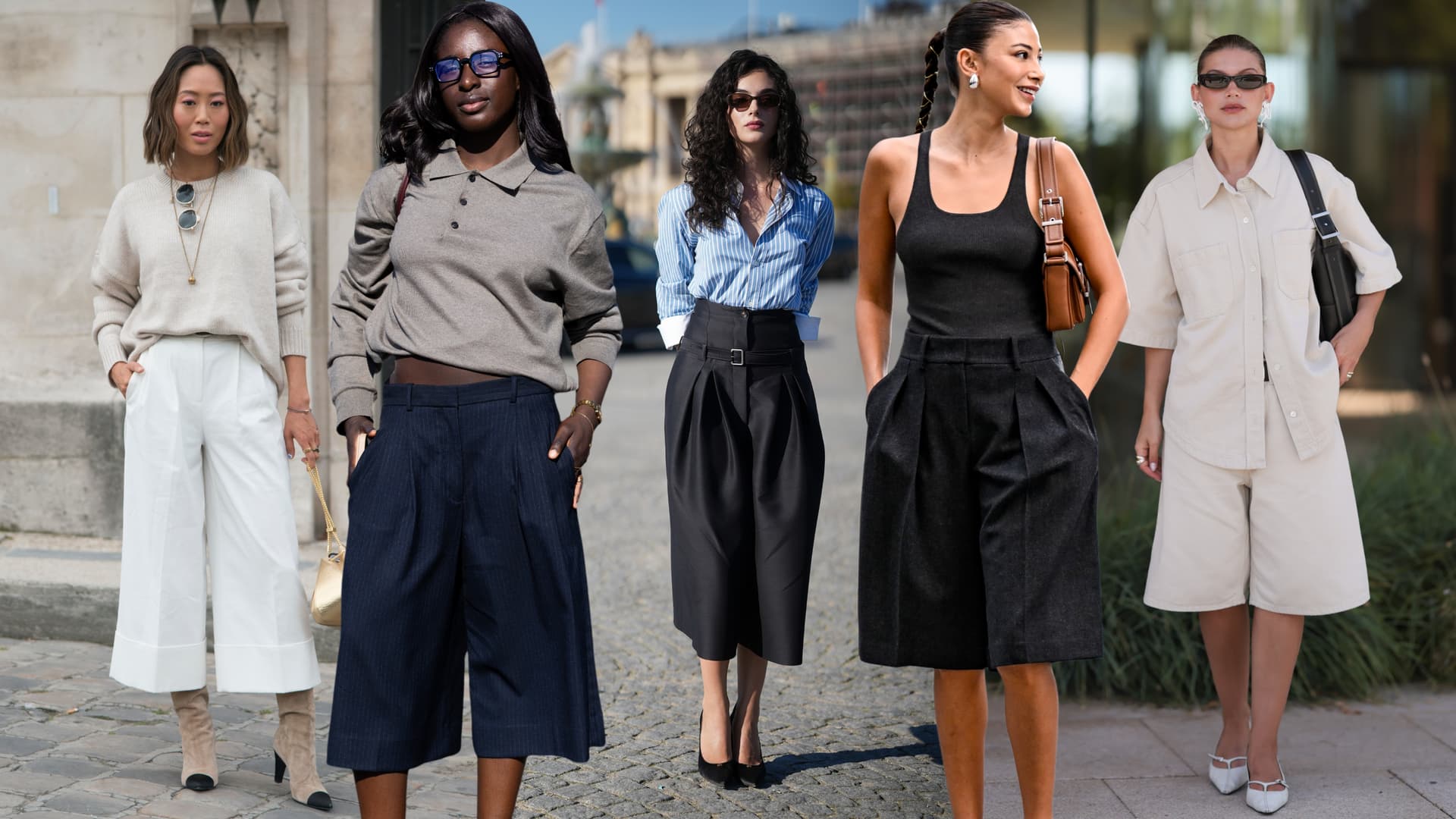
The smartest spring capsule pieces do more than look current, they earn their keep. Culottes make a strong argument because they split the difference between categories that usually force a choice: full-length trousers that can feel heavy, and shorts that often stop short of office polish. In the cleanest version of wardrobe math, one good pair should cover the hours when it is too warm for proper pants but still not quite right for bare legs at work, and that is exactly where culottes land.
That practical sweet spot is why the silhouette suddenly feels right again. Marie Claire frames culottes as the trouser trend set to define spring workwear, and the appeal is obvious: they are cropped enough to breathe, tailored enough to read intentional, and easy enough to repeat across a lean wardrobe without looking like you are wearing the same outfit on loop.
Why the shape fits spring 2026
Culottes also fit the season’s broader proportion story. Marie Claire’s spring 2026 trend coverage points to bigger, more assertive silhouettes, from oversized suits to a wider shift in proportions. A wide-leg cropped pant belongs in that conversation naturally. It has the volume of a statement bottom, but the abbreviated length keeps it from feeling severe or overbuilt.
That balance matters in workwear, where too much novelty can make getting dressed harder, not easier. Culottes solve for movement and structure at the same time, which is why they can sit in a capsule wardrobe as the bridge piece that softens tailoring, lightens dark suiting, and keeps spring outfits from tipping into either office stiffness or weekend casualness.
A silhouette with a long memory
Culottes are not a new invention dressed up as a trend. Encyclopaedia Britannica defines them as short pants for women or girls shaped like a skirt, which explains the hybrid quality that has always given them their appeal. They borrow the ease of trousers and the drape of a skirt, which is part of why they keep returning whenever fashion wants a softer kind of authority.

The history is even richer than the modern styling. Trousers themselves go back to ancient times and were especially common among equestrian peoples such as the Scythians and Mongols. In Western society, women’s adoption of pants traces to the mid-19th-century dress-reform movement, when some women wore pantslike clothing for exercise or household work, often away from public view. Later, during the French Revolution, the sans-culottes turned the pantalon into a political symbol, rejecting aristocratic breeches in favor of long trousers. Even the name carries that tension: a piece that once signaled class and rebellion now reads as one of the most practical things in a modern wardrobe.
Paul Poiret helped move dressier trouser-like garments from the home toward the street, according to material from The Metropolitan Museum of Art, and fashion history kept circling back. By the 1920s and in later modernist collections, culottes and pants reappeared in new forms, each time making the same case in a different register: women’s tailoring can be elegant, mobile, and wholly public.
Why the trend feels credible, not costume-y
Part of the reason culottes are surfacing now is that the trend story is being validated in a more data-conscious way than the old runway-to-retail cycle. WGSN describes its Spring/Summer 2025/26 fashion trend analysis as rooted in catwalk data and consumer-behavior forecasting, which puts culottes inside a larger industry habit of testing what people actually wear, not just what photographs well.
That matters because culottes succeed when they behave like a real wardrobe tool. They are not the kind of bottom you buy for a single look. They are the kind that can replace two or three less flexible options, which is exactly what makes them compelling in a streamlined closet.
How to wear them to work, travel, and off-duty hours
For the office, culottes work best when the rest of the outfit stays crisp. Pair them with a sharp top or a structured blazer so the silhouette feels deliberate rather than airy for its own sake. The cropped length does the polish work for you, especially when the rest of the outfit stays simple and the proportions are kept clean.

For travel, they earn their place by making long days feel less fussy. Culottes give you the comfort of a wider leg without the swish of a full skirt, so they move easily through airports, train platforms, and all the in-between moments that demand both ease and composure. They are one of the rare bottoms that can look pulled together after hours of sitting.
For the weekend, they slip into that useful middle register between dressy and relaxed. Swap in softer layers and lower-key shoes, and the same pair reads less boardroom, more gallery or brunch. That versatility is the real reason the silhouette deserves a slot in a spring capsule wardrobe: it does not force you to choose between looking dressed and feeling comfortable.
What to look for, and what to skip
The strongest culottes have enough structure to hold their shape, enough volume to feel current, and enough length to stay practical. They should read as intentional, not like trousers that were accidentally cut off mid-leg. The best pair will sit cleanly in a wardrobe alongside suiting, knitwear, and lighter spring separates.
What to skip is anything that turns the silhouette into a novelty. Culottes work when they feel like a considered alternative to both trousers and shorts, not when they try to be either one too hard. Their value is in the middle ground: the part of the closet that makes spring dressing easier, not louder.
That is why culottes are more than a passing proportion trick. In a season defined by bigger silhouettes and sharper wardrobe editing, they offer something rarer than a trend, a piece that can quietly replace several others and still look like the right choice every time.
This article was produced by Prism’s automated news system from verified source data, official records, and press releases, then run through automated quality and moderation checks before publishing. The system is built and supervised by the people who set the standards it runs under. Read our full AI policy.
Did this article answer your question?