From Movie Screens to Virtual Closets — Jenny Wang’s Alta Scales AI‑Powered Fashion Tech Through Major Brand Partnerships
Jenny Wang's Alta hit 100M+ outfits generated and just embedded its AI virtual closet into Public School NYC's website, turning capsule-wardrobe planning into a pre-checkout reality.

About 20% of the clothes in the average wardrobe ever get worn regularly. That statistic, surfaced by Menlo Ventures when it led Alta's $11 million seed round last June, is the number Jenny Wang built an entire company around.
Wang, a Harvard-trained engineer turned founder, launched Alta publicly in June 2025 after raising that $11 million from Menlo Ventures, with participation from Aglaé Ventures (backed by the Arnault family of LVMH), Anthropic's Anthology Fund, Rent the Runway co-founder Jenny Fleiss, DoorDash CEO Tony Xu, and supermodels Karlie Kloss and Jasmine Tookes. The premise is structurally direct: upload your wardrobe, build a digital closet, test outfit combinations on a personalized avatar, and let the platform recommend what to buy based on what you already own rather than what's trending on a homepage.
The platform is named after the Latin word for "elevated" and draws its cultural shorthand from a much older reference. Alta maps almost exactly to the computerized wardrobe system Cher Horowitz used in "Clueless" in 1995, except it runs on more than a dozen AI models and serves users in 40 countries. Since its launch, Alta has generated more than 100 million outfits. Time named it one of the best inventions of 2025; Fast Company put it on its Next Big Things in Tech list.
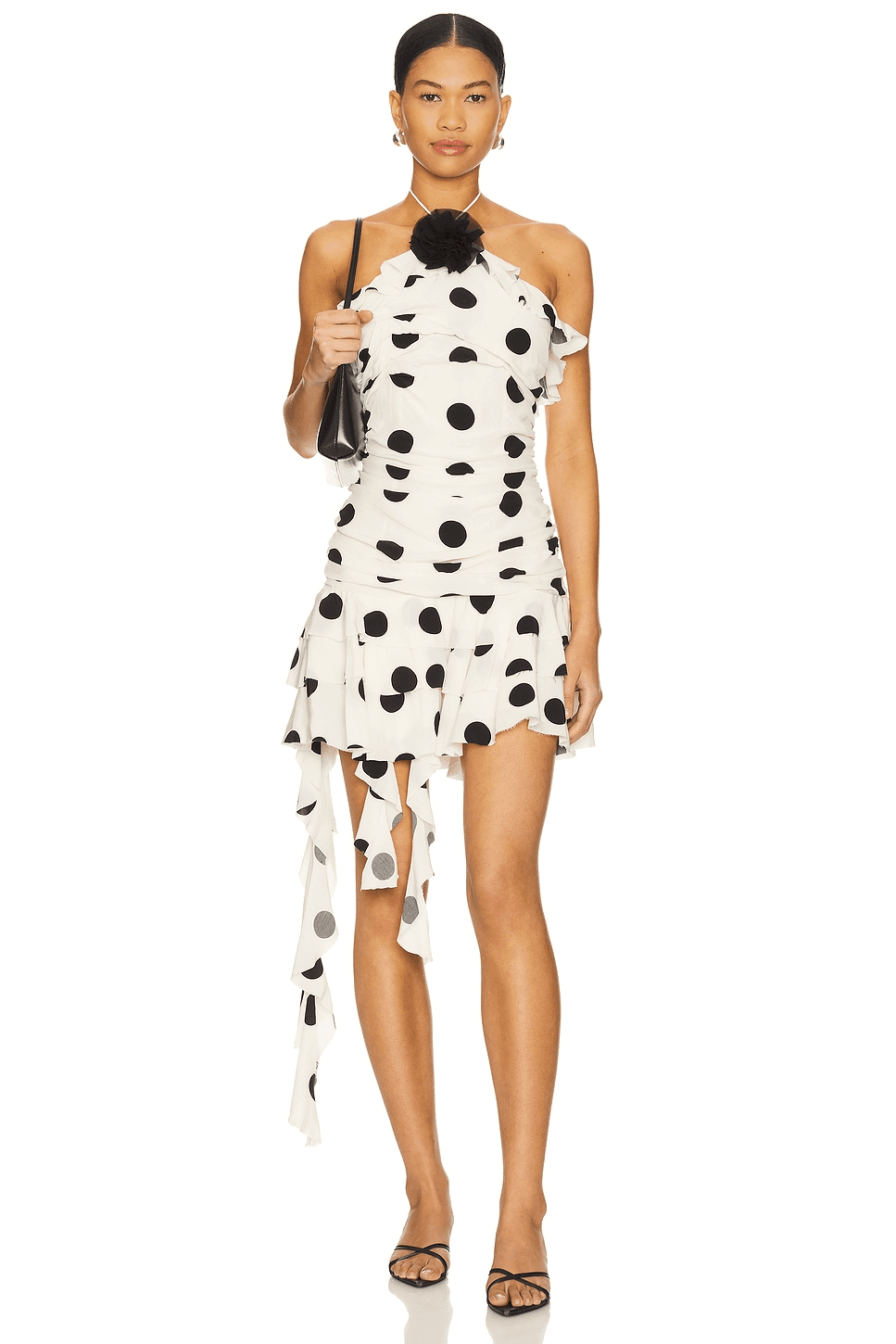
Wang spoke with press during New York Fashion Week earlier this year to discuss Alta's next move, and the answer was enterprise. In February 2026, Alta announced a partnership with Public School NYC, embedding its AI styling tools directly into the brand's website. Shoppers can now style and try on Public School pieces using their existing Alta avatar without leaving the brand's e-commerce flow. Wang framed the intent plainly: "The goal is to bring their community on a new journey to engage with and shop the brand."
The avatar technology is where Alta's technical edge becomes concrete. Alta avatars can process at least eight items within seconds. Zara's comparable digital-avatar system handles only four items and often takes around two minutes. Testing whether a specific jacket actually works with the three pairs of trousers already hanging in your closet requires that kind of speed to be genuinely useful rather than a novelty that gets abandoned mid-session.

Beyond Public School, Alta has formalized partnerships with the Council of Fashion Designers of America, representing 370 designer members, and with Poshmark, connecting resale infrastructure to its outfit-generation engine. The CFDA relationship brought in stylist Meredith Koop, whose expertise fed directly into the platform's AI training. Koop described the output: "Alta's AI system is trained on data and styling logic, including input from experienced people like me. It offers wearable combinations you can build a wardrobe around."
Amy Wu Martin at Menlo Ventures captured the investment thesis: "For years, personalized styling was a luxury reserved for the rarest occasions. Alta is breaking that mold with AI models that can decode fashion and understand personal taste at scale."
Wang's longer-term ambition is for Alta to become the "personal identity layer for the future of consumer AI and shopping." In her framing, agentic commerce cannot function without a foundational data layer built around a shopper's body, style history, and existing wardrobe. The virtual closet is not the product; it is the infrastructure.
That shift has direct implications for how capsule wardrobes get built. When a platform can surface what you own, flag what goes unworn, and stress-test combinations across 100 million outfit permutations before you spend anything, the case for ten intentional pieces over thirty impulsive ones becomes something you can actually see rather than just intend.
Know something we missed? Have a correction or additional information?
Submit a Tip