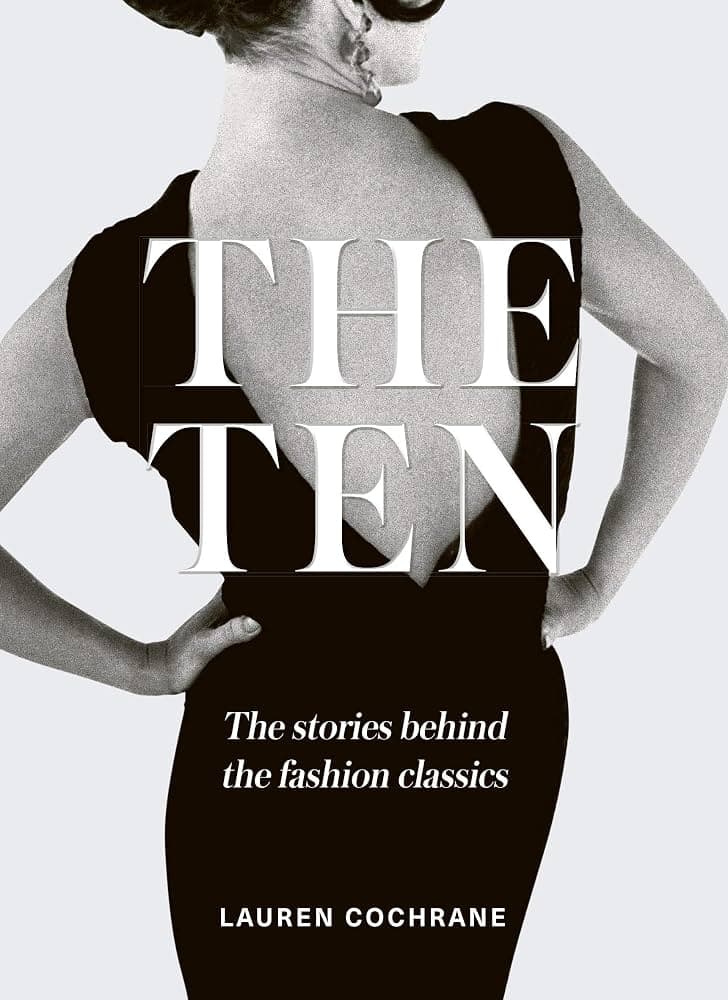
Chanel's 1920s vision made minimalist style timeless
Chanel made simplicity a power move in the 1920s, and the little black dress still anchors the modern minimalist wardrobe through cut, restraint, and sharp tailoring.
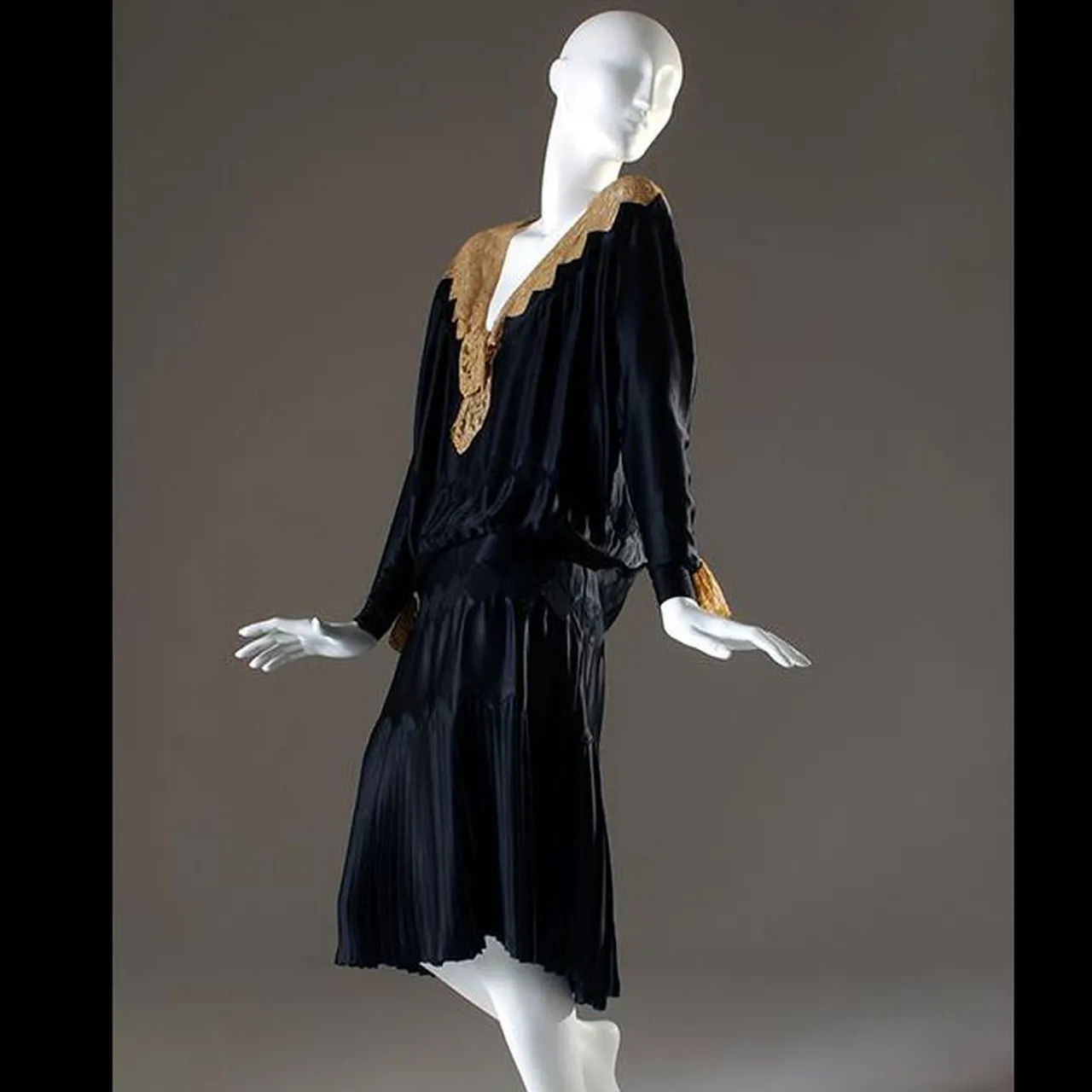
Coco Chanel did not simply simplify fashion, she redrew its power map. By introducing the little black dress in 1926 and pairing it with the conviction that “Simplicity is the keynote of all true elegance,” she turned pared-back dressing into a statement of taste, discipline, and modern life.
The 1926 reset
The little black dress is the clearest proof that minimalism did not arrive as a mood, it arrived as a design decision. Smithsonian dates Chanel’s black dress to 1926, and Vogue later praised it as a “uniform for all women,” a phrase that captures how radical the silhouette looked when ornament was still the default language of status. Today, the piece has its own shorthand, the LBD, but that acronym only works because Chanel made black feel central rather than severe.
The genius of the dress was not its lack of decoration alone. It was the way it made editing feel elegant, even aspirational, and gave women a garment that could move from day to night without costume changes or elaborate styling. That idea still sits at the center of minimalist dressing: not empty, not plain, but carefully reduced until only the strongest line remains.
How Chanel loosened fashion’s grip
Chanel’s broader contribution was to make clothing feel less like architecture and more like motion. CNN notes that she helped free women from corsets and lace frills by offering sailor shirts and wide-leg pants instead, a shift that changed the silhouette as much as the social meaning of dress. The body was no longer squeezed into a rigid idea of femininity; it was allowed to breathe, stride, and function.
The Metropolitan Museum of Art places Chanel firmly inside modernism, describing her revisions to fashion through utility and integrity of materials, along with functional sportswear and menswear appropriations. Those are not just historical footnotes. They explain why Chanel’s language still reads cleanly today: she borrowed from uniforms, from menswear, from sport, and from practical dress, then stripped away anything that weakened the line.
That break with typical haute-couture dress styles and practices is the real origin point of modern minimalist luxury. Chanel did not reject luxury, she relocated it from surface to structure. In her hands, a garment was valuable because of how it was cut, how it hung, and how naturally it belonged on the body.
Why the look still feels current
Minimalism survives because it solves a familiar problem: how to look composed without looking overworked. Chanel’s version was defined by cut over ornamentation, with a palette that EBSCO Research Starters identifies as primarily black, navy, and beige. Those shades endure because they do not compete with the wearer’s body or the rest of the outfit; they give shape, then step back.
The practical language of Chanel’s wardrobe still maps cleanly onto the clothes people reach for now.
- A sharply cut blazer creates the same polish as a more elaborate jacket, without the fuss.
- A crisp shirt recalls Chanel’s bias toward utility and ease, especially when it falls cleanly rather than clings.
- A streamlined dress carries the logic of the LBD, where proportion matters more than embellishment.
- A trouser with a clean drape echoes her wide-leg pants, balancing movement with ease.
- A simple shoe and restrained accessories preserve the line of the outfit instead of competing with it.
What makes this formula persuasive is that it works across eras. A minimal wardrobe can look very different from decade to decade, but Chanel’s core code remains legible: reduced color, disciplined shape, and construction that earns attention quietly.
How contemporary fashion keeps recycling Chanel’s codes
Modern labels keep returning to Chanel because her vocabulary is adaptable. The details change, but the underlying grammar stays the same: black dresses, monochrome tailoring, soft structure, and clothes that look expensive because they are edited rather than crowded. In an era when fashion often cycles through louder trends, Chanel’s influence shows up most clearly in collections that lean on restraint as a form of confidence.
That is why the house still matters as a benchmark. Vogue notes that the Chanel house remains one of the most successful design houses in the world, and that commercial staying power is tied to the same aesthetic logic Chanel established a century ago. Her clothes offered women a cleaner, freer outline, and the industry has kept repackaging that idea because it still reads as modern.
The strongest contemporary interpretations do not copy Chanel’s garments literally. They borrow the thinking: a sharper shoulder instead of excess trimming, a dress that depends on fit rather than sparkle, a palette narrowed to black, navy, beige, or their close cousins. Even when designers update the details, the effect remains recognizably Chanelian because the emphasis is still on reduction, proportion, and ease.
The modern minimalist wardrobe, as Chanel defined it
If Chanel’s legacy can be reduced to one useful instruction, it is this: edit with intent. Minimalism at its best is not the absence of style, but the discipline to choose garments that hold their shape, flatter the body, and leave room for the person inside them. That is why the little black dress endures, why the sailor shirt still feels fresh, and why a wide-leg pant can read as luxurious without a single decorative gesture.
Chanel made simplicity culturally powerful by giving it structure, and structure is what keeps the look from drifting into blandness. That balance, between restraint and authority, is still the engine behind modern minimalist dressing.
This article was produced by Prism’s automated news system from verified source data, official records, and press releases, then run through automated quality and moderation checks before publishing. The system is built and supervised by the people who set the standards it runs under. Read our full AI policy.
Did this article answer your question?