How to dress better, the style rules behind effortless looks
Cochrane’s formula is blunt: control proportion, trust fit, repeat what flatters, and keep one strong layer. That is why easy-looking style keeps getting pulled back into rotation.
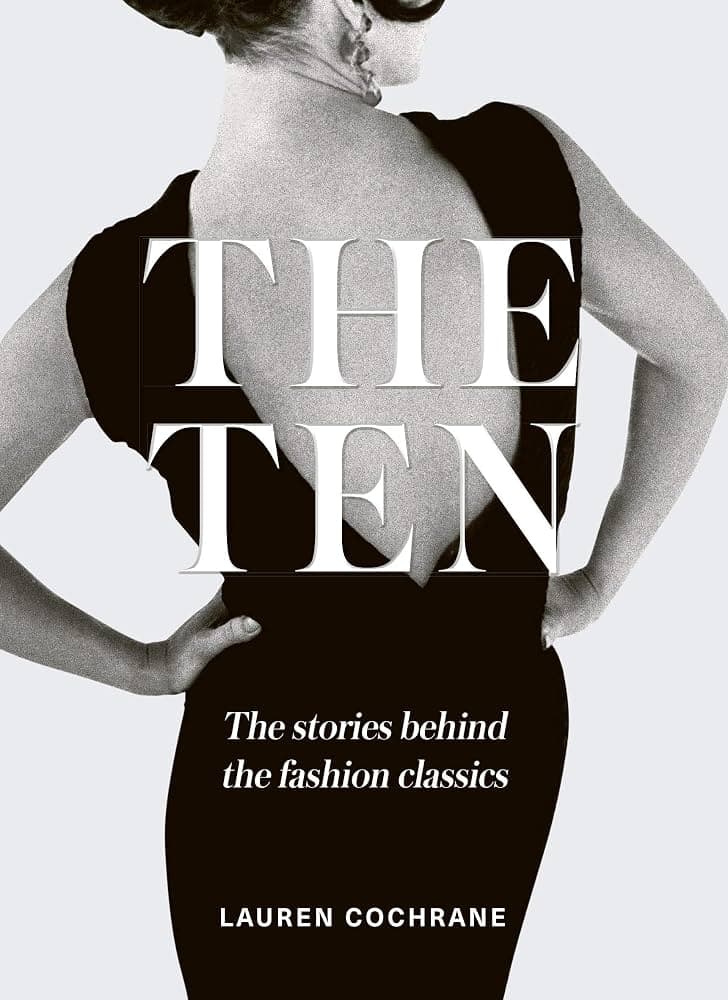
Seven Legally Blonde outfits from a 2001 film still hold up 25 years later. In ELLE UK's *How To Dress: How To Be Stylish And Dress Better*, Lauren Cochrane treats style as something you build, not something you stumble into. Cochrane, a senior Guardian fashion writer and author of *The Ten*, has made a career out of showing how clothes stay relevant when they are repeatable. The whole trick of effortless dressing is that the outfit looks relaxed because the structure is doing the work, with clean proportions, a fit that sits properly on the body, and just one clear idea instead of three fighting for attention.
The rules that make a look feel easy
Polish does not have to mean fuss. Cochrane frames this around the most important style rules to live by, which is the right lens for clothes that need to move from one setting to another without looking overthought. The same logic runs through her book, *The Ten*, rooted in fashion classics and the reasons certain pieces keep working long after the first wave of hype is gone.
The modern version of looking easy is not empty or lazy. It is controlled. A shirt that sits flat, trousers that hang in a shape you have worn before, and a jacket with enough presence to anchor the outfit will do more for you than a pile of extras ever will. Cochrane’s point, in spirit and in practice, is that style gets stronger when you reduce friction.
Start with proportion, not decoration
If an outfit keeps looking wrong in the mirror, the problem is usually shape, not personality. The first rule is to identify the neckline that flatters your face and sits comfortably under jackets and coats. After that comes the trouser shape you can repeat, because the right leg line changes everything: straight, wide, cropped, or softly tapered, it needs to work with the shoes you actually wear.
Once those two pieces are right, the rest gets calmer. One signature outer layer, whether that is a blazer, trench, leather jacket, or wool coat, gives the outfit a frame. Neutral base layers then take pressure off the statement piece, which is why a strong blazer looks better over a plain tee or fine knit than over another competing focal point.
Fit is the quiet flex
Effortless dressing depends on clothes that do not force you to keep adjusting them. Sleeves that hit the right spot, hems that break cleanly on the shoe, and shoulders that follow the body instead of pinching it all make a bigger difference than another new purchase. Tailoring and fabric choice matter here, because even a simple shirt can look expensive when it hangs cleanly and holds its shape.
*The Ten* is a book about fashion classics, which is a useful reminder that durability is often built into construction, not branding. A garment with the right cut can be worn again and again without losing its line.

Repetition is where style starts to look like yours
The easiest outfits are rarely one-offs. They are built from formulas you keep returning to, like wearing the same shirt with different trousers or moving one strong blazer between casual and sharper looks. That kind of repetition creates a signature without turning you into a caricature of yourself.
In Who What Wear, Cochrane uses Elle Woods's Legally Blonde outfits to show why this works. Those looks last because the silhouettes are clear, the pieces are legible, and the styling does not depend on a trick that expires.
A useful way to build from that idea is simple:
- Keep one stable base, a top, trouser, and shoe combination that already works on your body.
- Rotate one signature outer layer so the outfit has a consistent frame.
- Let accessories carry the energy only after the base is set.
- Use shoes to finish the silhouette, not rescue it.
This article was produced by Prism’s automated news system from verified source data, official records, and press releases, then run through automated quality and moderation checks before publishing. The system is built and supervised by the people who set the standards it runs under. Read our full AI policy.
Did this article answer your question?