Fashion sustainability turns to finance at Global Fashion Summit in Copenhagen
At Copenhagen Concert Hall, CFOs turned sustainability into a balance-sheet issue, with a new report warning of raw-material shocks and a 4% profit hit from EPR.

Fashion’s sustainability conversation got harder-edged in Copenhagen. At Global Fashion Summit, the language shifted from aspiration to arithmetic, as CFOs and luxury executives recast climate action as risk management, operational resilience and long-term brand value.
The summit, held May 5-7 at Copenhagen Concert Hall under the theme Building Resilient Futures, brought together more than 1,000 stakeholders from brands, retailers, NGOs, policymakers, manufacturers, innovators and adjacent industries. That breadth mattered. This was not a glossy luxury-only conversation, but a value-chain meeting where the cost of cotton, the pressure on wool, and the price of inaction sat in the same room.
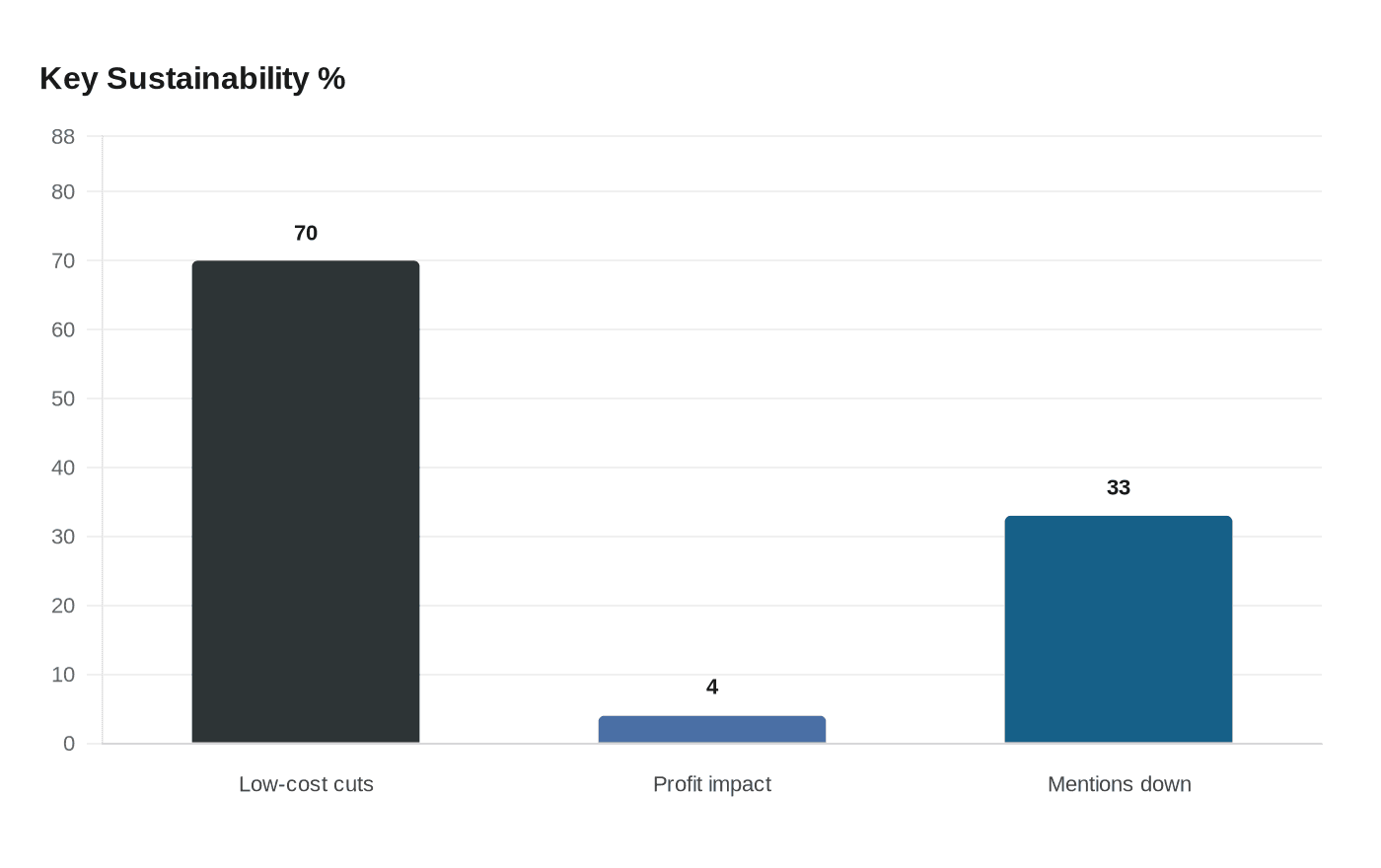
The sharpest example came with the launch of Fashion CFO Agenda 2026: Building Financial Resilience Through Sustainability, created by Global Fashion Agenda and Boston Consulting Group. The report said climate-related disruptions are already driving price spikes of up to two times for key raw materials such as cotton and wool. It estimated that textile extended producer responsibility could cut net profits for large mass-fashion players by roughly 4% by 2030. At the same time, it argued that sustainability is not just a cost center: about 70% of fashion-sector greenhouse-gas emissions can be reduced at low cost or with cost savings, and some circular business models have already delivered double-digit top-line growth.
The report was built from engagement with more than 30 CFOs and senior executives and an analysis of more than 150 fashion brands. It also pointed to a striking disconnect inside corporate communications, noting that sustainability mentions in fashion earnings calls have fallen by about one-third since 2022, even as AI, earnings volatility and trade issues dominate more recent calls. In that context, the finance chief becomes the gatekeeper, deciding what gets prioritized, funded and measured.
That framing ran through summit discussions featuring Kering, H&M Group and Bestseller. Boston Consulting Group’s Catharina Martinez-Pardo said the core job for finance leaders is prioritization, which is exactly where fashion’s next sustainability battle is being fought. Global Fashion Agenda, meanwhile, kept its wider ambition in view: reducing virgin resource use by 50%, ensuring a living wage for all and eliminating emissions and pollution.
LVMH used the summit to reinforce its own collaborative stance, building on its 2025 entry into Global Fashion Agenda’s Strategic Partner network. The company said its 2023 Joining Forces call in Copenhagen, launched by Antoine Arnault, helped shape work on a common ESG assessment framework to reduce supplier fatigue. It also pointed to an initiative supporting the tanning industry in Santa Croce, Italy, as it adapts to climate change and flood risk. The message from Copenhagen was plain: in fashion now, sustainability has to make financial sense, or it will not scale.
Know something we missed? Have a correction or additional information?
Submit a Tip