How French style became the original effortless-chic template
French chic earned its effortless aura at court, then got remixed by modern Paris fashion and stars like Jane Birkin. The look still sells polish as ease.
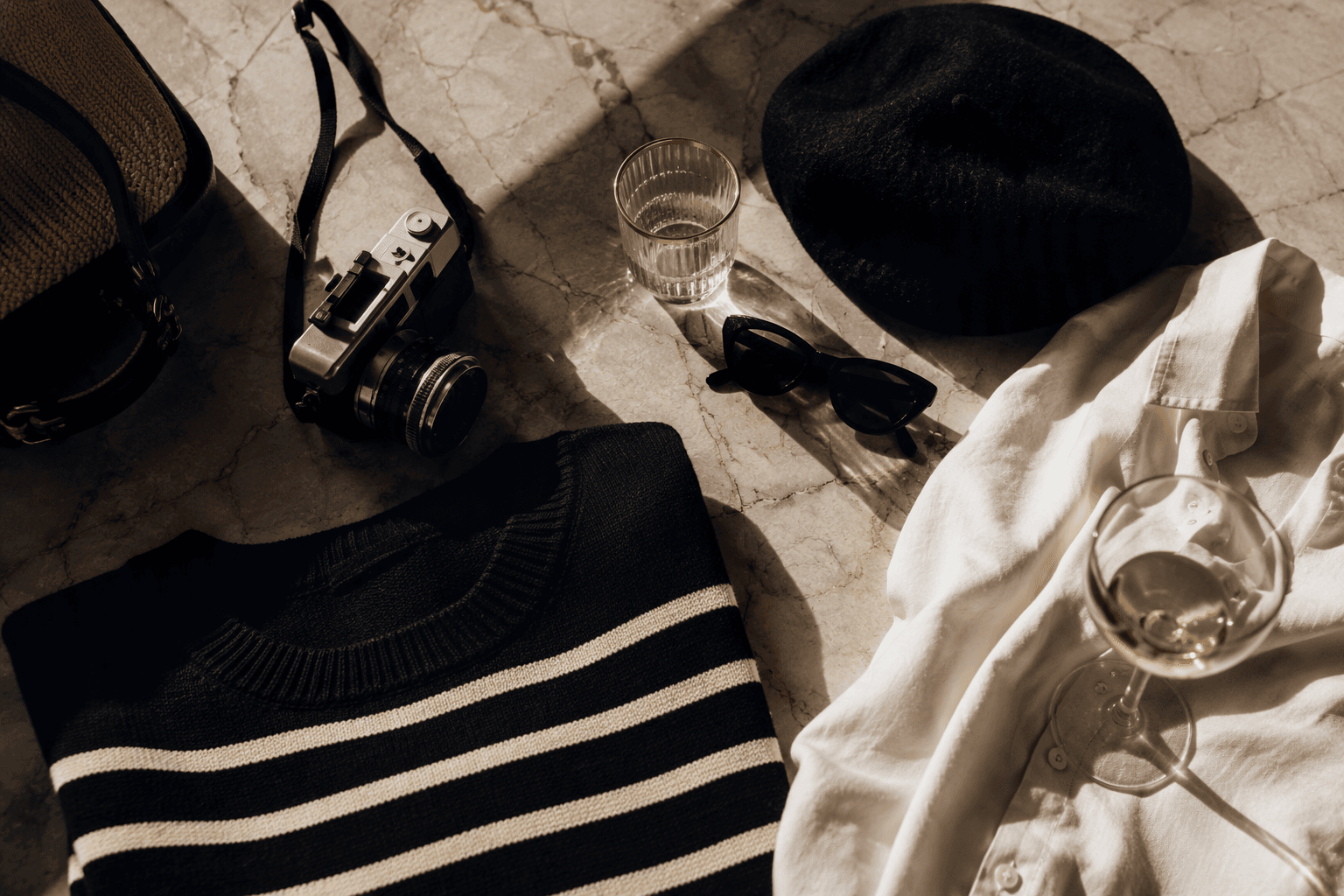
French style won the right to look easy by first looking expensive. The Fashion History Museum traces that reputation to Louis XIV, when keeping up with changing Paris fashions signaled success and good taste, and that old prestige still powers the appeal of Breton stripes, ballet flats, undone hair, and trench coats today.
The court invented the code
Louis XIV understood clothes as more than decoration. The Getty Research Institute says he recognized fashion’s propaganda value as well as its economic importance, and he was deeply invested in establishing France as a center of fashion. Hyacinthe Rigaud’s 1701 portrait of the king, preserved in the Fashion Institute of Technology’s Fashion History Timeline, captures the point in paint: fashion was already a language of power, not just a matter of taste.
That is why “Made in France” never reads as a neutral origin stamp. The Fashion History Museum says the label is more than a tag of manufacture, and in fashion it suggests style and quality by the mere fact of being French. The modern fantasy of effortless chic grows out of that logic, where a place name becomes a promise and polish looks so natural that it hides the machinery behind it.
Kimberly Chrisman-Campbell sharpened that argument in The Atlantic on September 1, 2015, when she marked Louis XIV’s 300th death anniversary as “the birth of haute couture as people know it today.” Her description matters because it places French style inside a system that became seasonal, corporate, media-driven, and French-centered. In other words, the myth of ease was built by an industry that knew exactly how to package it.
How the myth keeps getting refreshed
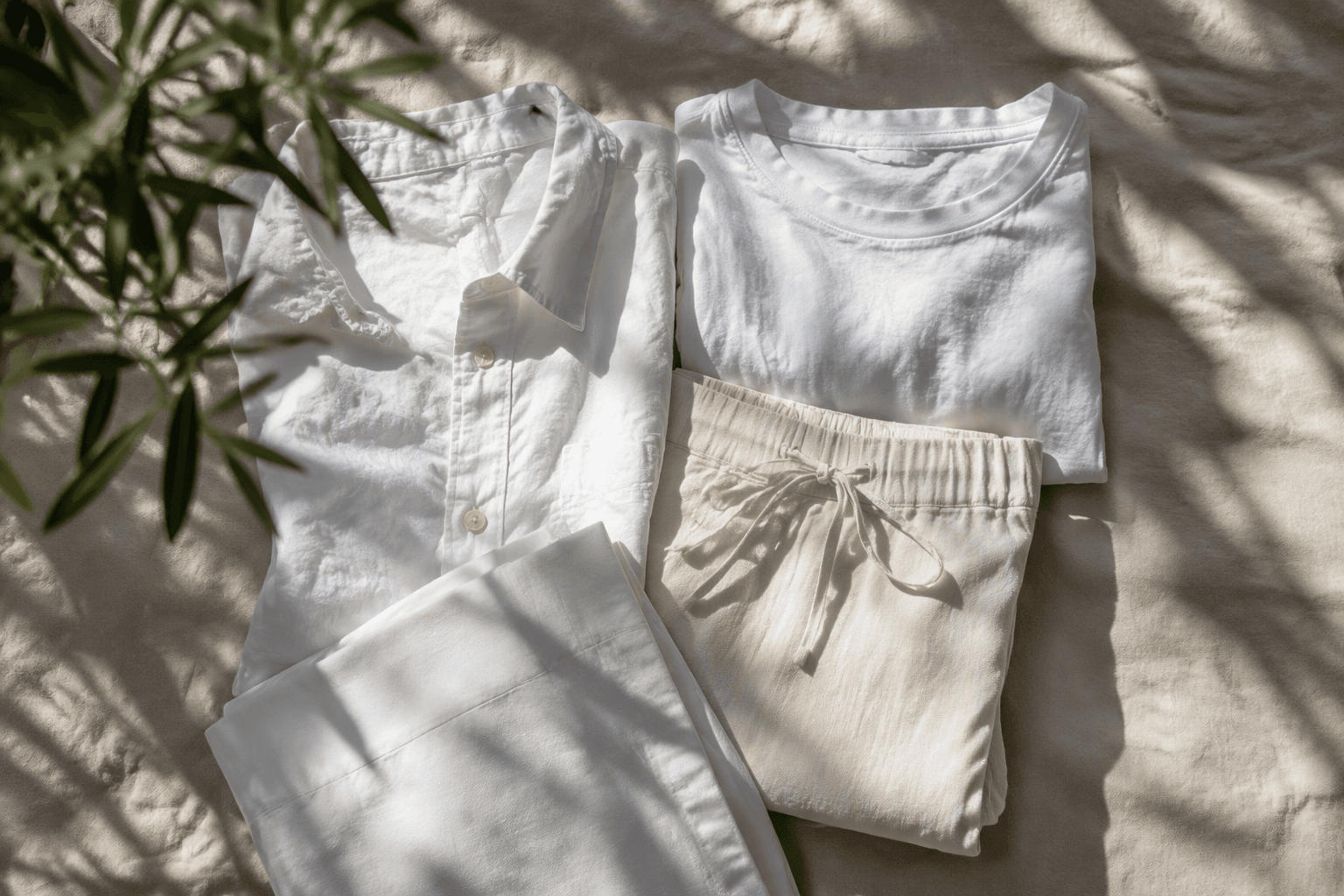
The wardrobe formulas that keep returning are never loud. A crisp shirt, a tailored coat, structured trousers, a neat knit, or a simple dress all do the same quiet work: they make the body look composed without looking overworked. That is the heart of French chic, and it is why Breton stripes, ballet flats, and trench coats keep circling back into shops and street style every few years.
The symbols are effective because they balance reality and fiction. A trench coat is useful before it is romantic, a ballet flat is practical before it is pretty, and a striped top can feel almost stubbornly ordinary until the styling turns it into a signal. Undone hair is the most polished deception of all, because the goal is not actual negligence, but controlled looseness that suggests life has not been paused for the outfit.
French style also keeps renewing itself through modern silhouettes. In a November 18, 2024 video on 1960s Parisian and French fashion, Emma Rosa Katharina describes a decade when the world still looked to Paris for inspiration while Yves Saint Laurent, André Courrèges, and Pierre Cardin redefined elegance with daring shapes that still read as effortless. That is the trick the city has pulled over and over: change the line, keep the attitude.
Jane Birkin is the later shorthand that keeps the story alive. A SELVANE page dated March 20, 2026 uses her name as shorthand for effortless French style, which tells you how durable the archetype remains. Birkin’s appeal was never about looking finished; it was about looking as though a life was happening inside the clothes, not around them.
The city behind the silhouette
Justine De Young’s The Art of Parisian Chic: Modern Women and Modern Artists in Impressionist Paris looks at women and artists in Impressionist Paris from 1855 to 1885, a period when public image became its own kind of performance. FIT says De Young specializes in the intersection of art and fashion and teaches modern art and fashion history, which is exactly the right lens here. Parisian chic was not merely a natural state of being; it was a constructed look, refined in public, then remembered as instinct.
That distinction matters for every reader trying to buy into the style now. The cultural reality was a fashion system built around social fluency, quality, and the ability to read the room; the branding fiction was that the result looked entirely unforced. French style became the original effortless-chic template because it sold a highly edited version of life, one where refinement appeared to happen without strain.
How to wear the formula now
- Start with one strong, simple piece: a striped knit, a trench coat, or a sharply cut blazer.
- Keep the palette restrained, with navy, black, cream, camel, or washed denim carrying most of the work.
- Mix one structured element with one soft one, like tailored trousers with a fine sweater or ballet flats with a coat that falls cleanly.
- Let something look slightly lived-in, whether that is hair, a cuff, or the way a shirt sits under a jacket.
Skip anything that looks too engineered. The point is not a perfect uniform or a head-to-toe theme, but a wardrobe that feels edited, composed, and easy to move in.
French style still holds because it never promised blank simplicity. It promised the more seductive thing, a polished surface with enough life underneath it to look real.
This article was produced by Prism’s automated news system from verified source data, official records, and press releases, then run through automated quality and moderation checks before publishing. The system is built and supervised by the people who set the standards it runs under. Read our full AI policy.
Did this article answer your question?