How Jacqueline Kennedy Onassis, Lil' Kim, and the Olsens defined effortless style
Jacqueline Kennedy Onassis, Lil' Kim, and the Olsens turned jeans, white tees, and relaxed tailoring into the American ease formula that still drives fashion.
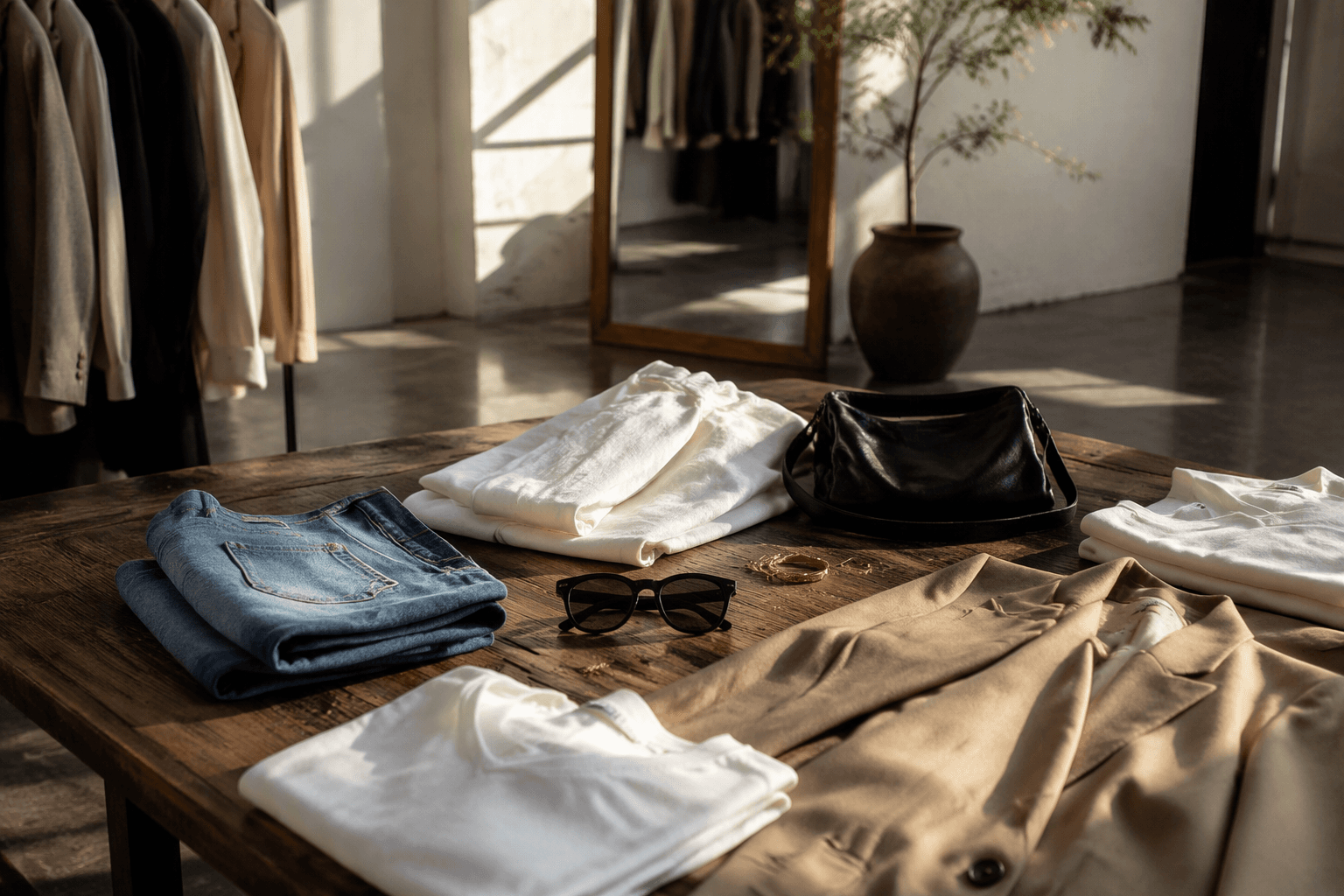
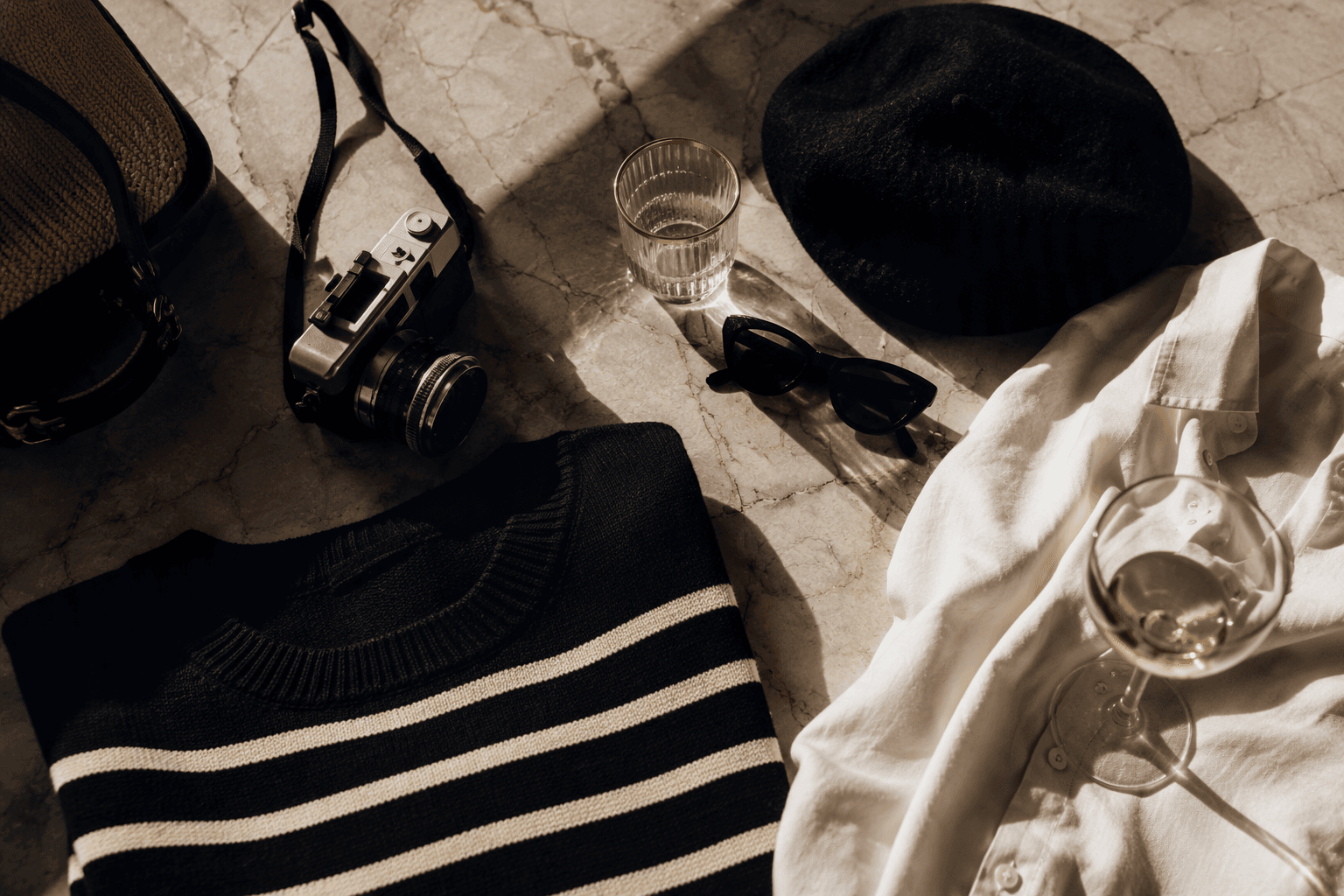
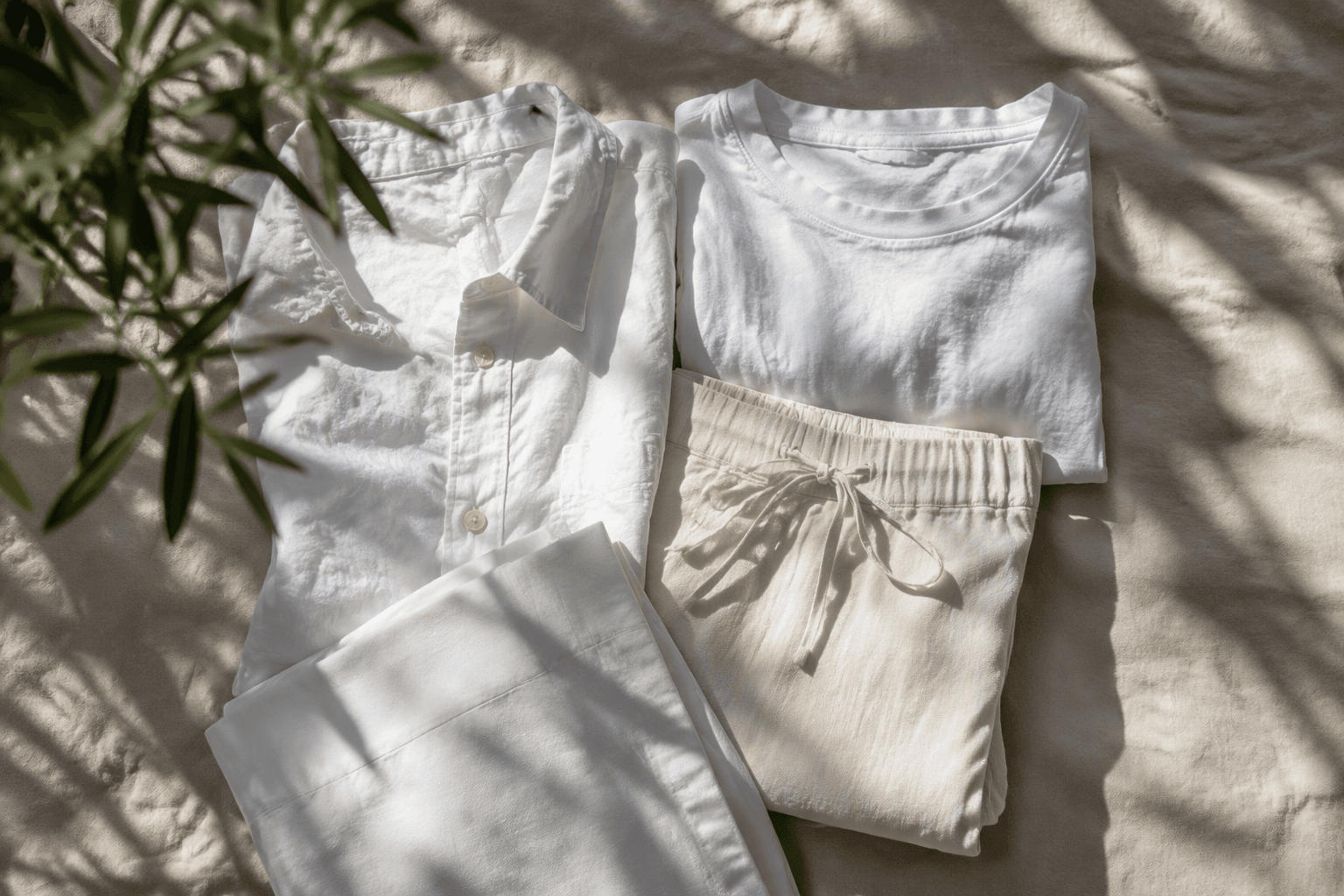
Effortless style in America is not a vibe, it is a formula. It starts with the laid-back ease of jeans and a T-shirt, then sharpens into white shirts, loafers, relaxed tailoring, leather jackets, sneakers, and sunglasses that seem to do the work of a second outfit.
The American uniform is built on ease
Harper’s BAZAAR’s 250th-anniversary framing gets this exactly right: American style is not one fixed look, it is a system built around pieces that feel lived-in from the first wear. British Vogue calls jeans and a T-shirt “the easiest throw-on-and-go ensemble imaginable” and adds that it comes with “a serious style heritage,” which is why the combo keeps reappearing in every decade with barely any adjustment.
That heritage starts with denim as workwear. EBSCO Research traces jeans in America back to Levi Strauss in the 1850s, when they were introduced as durable labor garments, and notes that denim jeans had become accepted fashion staples by the mid-1970s. That arc explains the power of the fabric today: denim can read rugged, polished, sexy, or completely nonchalant depending on the cut, wash, and what you pair it with.
Jacqueline Kennedy Onassis made restraint look expensive
Jacqueline Kennedy Onassis gave American style one of its most durable codes: polish without overstatement. In Harper’s BAZAAR’s American style hero framing, she stands for polished restraint and enduring refinement, the kind of dressing that makes a clean line feel like a point of view.
That lineage did not stop with her. A Bazaar Instagram caption connects her elegance to Carolyn Bessette-Kennedy’s “effortless cool,” built on “clean lines” and “slip dresses.” That is the quiet American luxury thread: a white shirt tucked into straight trousers, a coat that hangs just so, a silhouette that looks composed without ever feeling stiff.
Lil’ Kim proved effortless can be maximal
If Jackie is the cool-down, Lil’ Kim is the voltage spike. Bazaar places her inside the same American style canon because she rewrote what glamour could look like in the United States, bringing bold, high-impact styling into the conversation and making rule-breaking feel native to the culture.
Her inclusion matters because effortless style is often mistaken for understatement. Lil’ Kim shows the opposite is also true: confidence can make even the most decorated, most conspicuous look feel easy, especially in a hip-hop fashion language that thrives on presence. Bazaar has already made that connection explicit with “The 10 Best Hip-Hop Fashion Looks of All Time,” and Kim’s place in it reinforces the idea that American ease can be loud, glossy, and fully charged.
The Olsens made oversized minimalism feel intentional
Ashley Olsen and Mary-Kate Olsen pushed effortless style into its modern, downtown form. Their version is all about oversized proportions, neutral palettes, and a high-low mix that keeps a look from feeling precious. The result is editorial, not sloppy, which is a harder trick than it looks.
What they normalized was the idea that a relaxed silhouette can carry real authority. A slouchy blazer over a tee, wide-leg trousers skimming the floor, a long coat over simple separates, loafers grounding the whole thing: that is the Olsen move. It takes the old American instinct for ease and strips away the chatter until what is left feels clean, slightly off-kilter, and very expensive.
Why these pieces keep coming back
The recurring signature pieces are not random. Jeans, white shirts, loafers, relaxed tailoring, sneakers, leather jackets, and sunglasses all solve the same problem: they make an outfit look finished without looking overbuilt. That is why they keep showing up in American fashion, from street style to campaign images to the shopping floor.
Harper’s BAZAAR’s companion piece “How Does America Get Dressed?” describes a deep dive into American style that runs from “western workwear to Hollywood glamour,” and that range is the whole story. These clothes can move from utility to status, from work to nightlife, from public life to private ease without losing their shape. They are practical, but they also telegraph self-possession, which is why they keep getting recycled by designers and copied by everyone else.
America’s style language has always been unstable, and that is the point
Another Bazaar history piece says the United States has been “an incubator for fashion since its birth 250 years ago,” and describes American style as “in a constant state of flux, morphing from corsets to tracksuits and petticoats to low-rise jeans” over the last 250 years. That instability is what makes effortless style such a durable American category: it is flexible enough to absorb new tastes without losing its core shape.
Read that way, effortless style is not about minimalism in the abstract. It is about a specific wardrobe logic that keeps getting remade by people who understand attitude as much as clothing. Jackie gave it polish, Lil’ Kim gave it power, and the Olsens gave it contemporary restraint with an edge. Together they turned ease into a recognizable American blueprint, one that still runs on denim, a white shirt, and the confidence to make it look simple.
This article was produced by Prism’s automated news system from verified source data, official records, and press releases, then run through automated quality and moderation checks before publishing. The system is built and supervised by the people who set the standards it runs under. Read our full AI policy.
Did this article answer your question?