Isabel Marant turns 30, redefining effortless French style
Isabel Marant’s 30-year run shows how slouch, denim, boots and wedge sneakers became the shorthand for looking polished without looking overworked.

Isabel Marant has spent three decades making a convincing case for clothes that move with you, not against you. Her own brief is disarmingly plain: she wants women to feel “comfortable and not too shitty,” and that instinct still explains why her name sits so firmly inside modern effortless dressing.
The Marant code starts with ease
Marant founded her eponymous label in 1994, after first launching Twen, a knitwear and jersey line, in 1989 when she was 22. That timeline matters because her brand was never built around couture spectacle or rigid polish; it was built around the practical pleasure of getting dressed and leaving the house. The first Isabel Marant boutique opened at 16 Rue de Charonne in Paris, giving the label a specific Paris address, but not a frosty one.
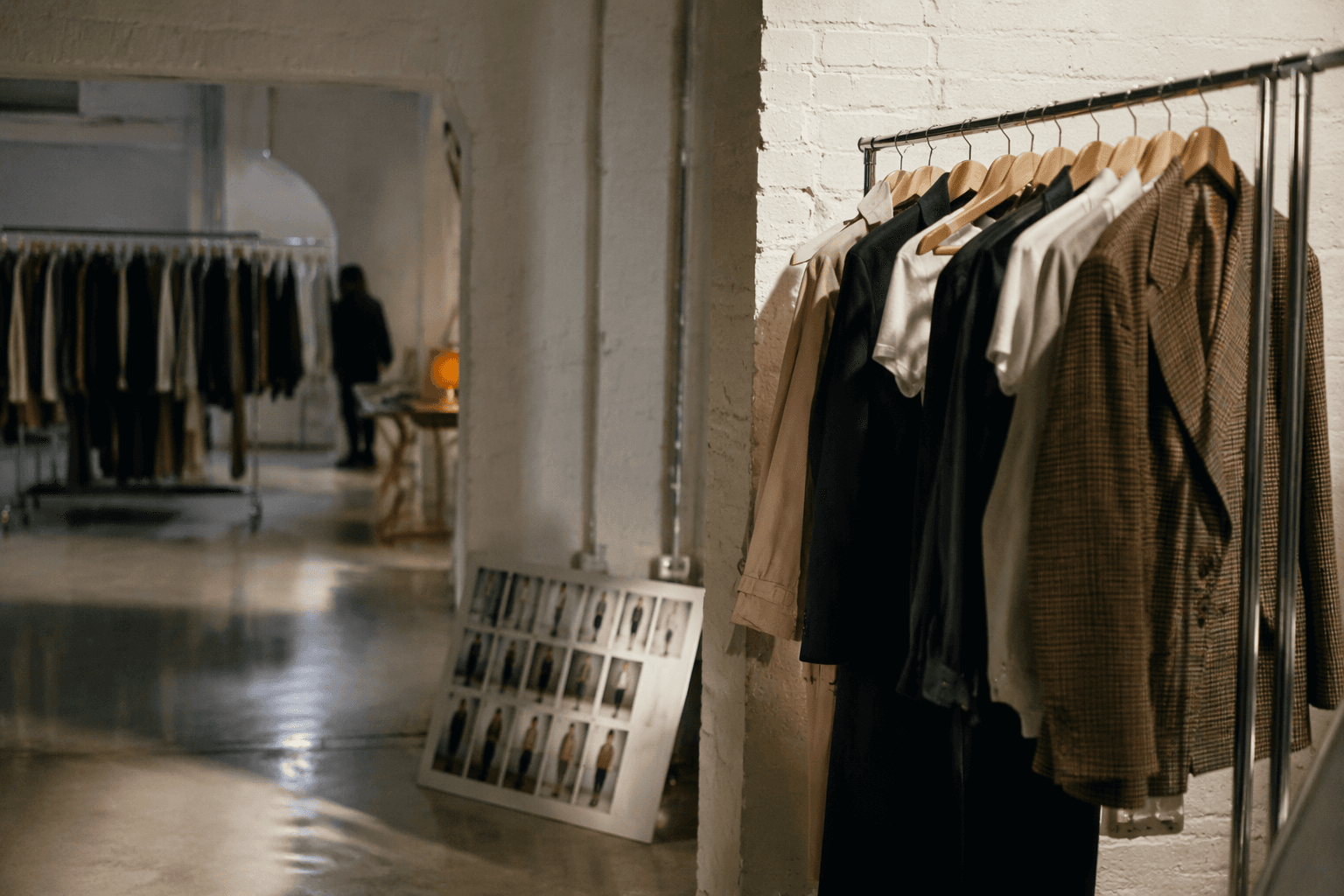
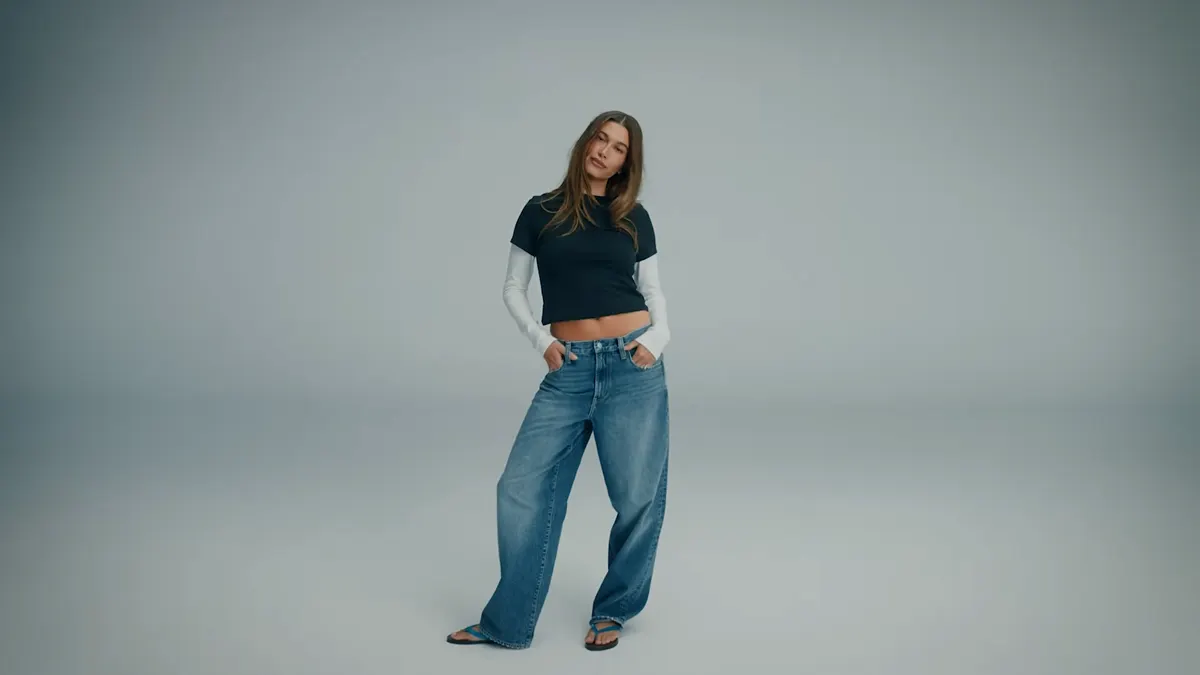
The silhouette that followed became a template women still borrow from without thinking about it. Marant popularized relaxed proportions, easy separates, slouchy knits, denim and boots, then made the mix feel finished enough for city streets and messy enough to feel human. Her genius was never minimalism in the sterile sense; it was high-low polish, the art of looking styled without looking assembled.
What she made look normal
The Marant wardrobe solves a very specific problem: how to look intentional when the clothes themselves are doing the least. A soft knit against straight denim, a boot with a little attitude, a jacket that skims rather than cinches, these are not dramatic gestures, but they change the temperature of an outfit. The effect is casual, but not careless.

The brand’s vocabulary has always been repeatable, which is why it survives beyond one season. A slouchy cardigan, a draped top, an easy trouser leg, a bit of leather or suede, then something sturdier to ground it, that is the architecture of the look. It is the kind of dressing that works for a school run, a lunch booking, a flight, or a front-row seat because nothing about it relies on overstatement.
- comfortable tailoring that relaxes the body instead of boxing it in
- slouchy knits and easy separates that feel lived-in from the first wear
- denim and boots, the anchor pieces that keep the look from floating away
- high-low polish, where practical pieces still read as fashion
The wedge sneaker became the emblem
If one product captured Marant’s grip on effortless style, it was the wedge sneaker, especially the Bekett and Balskee models the brand identifies as iconic. They condensed the whole idea into one object: sporty, padded, slightly subversive, and more polished than a trainer, yet nowhere near a heel. The New York Times called the wedge sneaker “the original ugly sneaker” when it revisited the style’s return, and Marant answered that nostalgia with a new version that carried an even higher heel.
That shoe matters because it showed how Marant worked in the space between comfort and image. The wedge gave height without the usual punishment, and it did so in a way that made casual clothes feel newly considered. Long before the current appetite for hybrid sneakers and soft tailoring, Marant had already mapped out the compromise women actually wanted.
Why the formula still sells
Marant’s staying power is not just aesthetic, it is commercial. FashionUnited describes Isabel Marant as a ready-to-wear brand known for stylish, wearable clothes that exude French style and effortless fashion, which is exactly the balance the label has refined over time. Launchmetrics has called it the success of a modern Parisian brand, and that phrasing is apt because the business has turned ease into identity rather than treating it as an afterthought.
The growth plans have been equally concrete. Ahead of the Spring/Summer 2024 show at Paris Fashion Week, Marant, CEO Anouck Duranteau-Loeper and artistic director Kim Bekker said the company was aiming to reach €500 million in sales within five years. That ambition tells you the house understands something crucial: relaxed dressing is not a niche mood, it is a durable commercial language when it is executed with enough clarity.
Boho, but make it disciplined
Istituto Marangoni notes that Marant’s consistency has paid off as boho chic has come back into view, and that is one of the reasons her work still feels current. She did not chase the trend so much as keep a steady hand on the codes that made it readable in the first place. The result is a brand that can look aligned with a new mood without ever seeming to reinvent itself for applause.
That steadiness is what makes Marant the blueprint. Her clothes make space for movement, for texture, for a little undone hair and a little life in the fabric, while still giving the body shape and the outfit resolve. Thirty years in, she has made ease into a fully formed style system, and the women who wear it are still proving that looking relaxed can be one of fashion’s sharpest moves.
This article was produced by Prism’s automated news system from verified source data, official records, and press releases, then run through automated quality and moderation checks before publishing. The system is built and supervised by the people who set the standards it runs under. Read our full AI policy.
Did this article answer your question?