Saudi Fashion Rises Globally, Heritage Craft and Modern Luxury Lead
Saudi fashion is moving from policy to power. Heritage craft, state support and brands like Ashi Studio are turning a local scene into a global luxury business.
The state-built runway
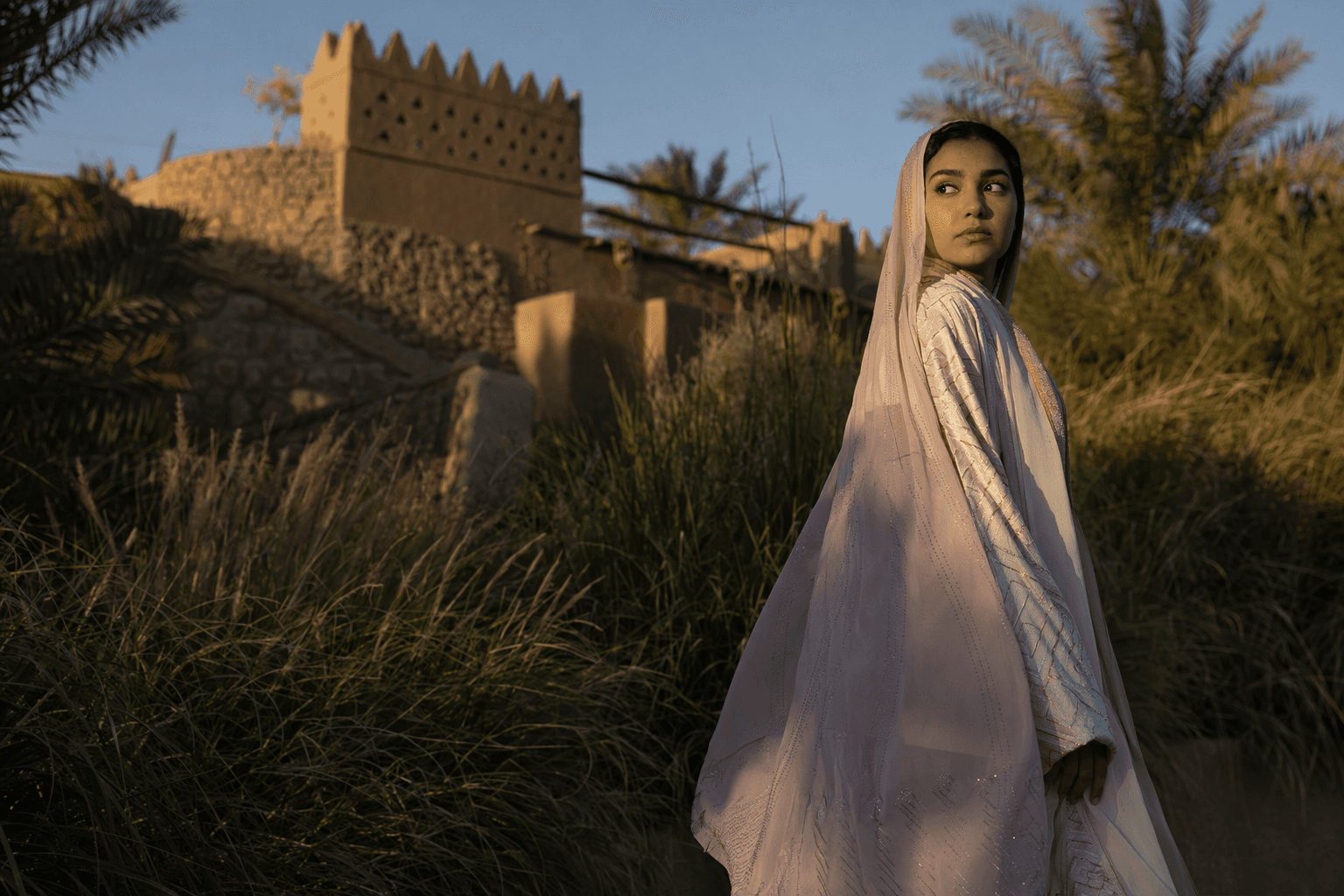
Ashi Studio’s Paris-made couture, dense with handwork and embroidery, is the clearest proof that Saudi fashion is no longer just being introduced to the world. When Mohammed Ashi, the Saudi designer who founded the label in 2007 and later moved his atelier to Paris, showed up at the 2026 Met Gala, it underlined a shift that matters far beyond one red carpet: Saudi names are now arriving on fashion’s biggest stages with a distinct point of view.
The country’s rise has not happened by accident. The Saudi Fashion Commission, established in 2020, was built to develop, produce, exhibit and preserve fashion design across traditional, heritage and contemporary segments. That mandate matters because it gives Saudi fashion a structure most emerging scenes have to build slowly on their own: a public-facing system that can support talent, protect craft and keep the aesthetic conversation from flattening into trend-chasing.
Why the market is taking it seriously
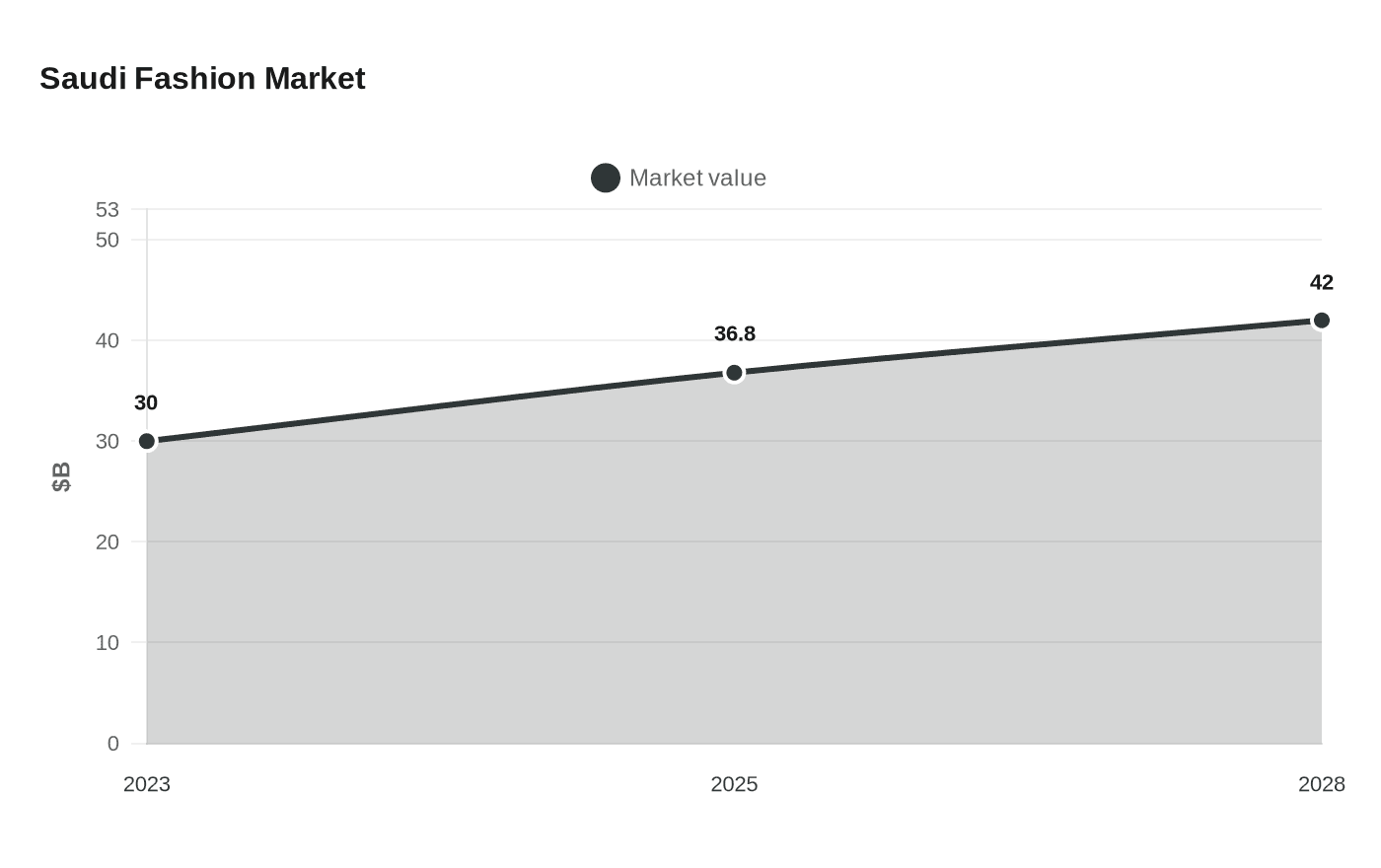
The money tells the story as clearly as the clothes do. Saudi Arabia’s fashion sector contributed 2.5% of GDP in 2023 and supported 320,000 jobs, with women making up 52% of the workforce. The market was valued at about $30 billion that same year and is projected to reach $42 billion by 2028, while the Fashion Commission has described a $33 billion opportunity in Saudi fashion and luxury. In 2025, the commission said the market was estimated to reach $36.8 billion, the largest in the Gulf.
Those numbers are why this feels less like a cultural campaign and more like an industry on the move. When a sector gets that large, it starts to pull in designers, investors, training systems and export ambitions at the same time. The commission has also made the link explicit between investors, funding bodies such as MISA and CDF, and local entrepreneurs, which is exactly how a fashion market turns from domestic promise into international business.
The programs turning ambition into brands
If the commission built the runway, Saudi 100 Brands gave designers a way to walk it. Launched in 2021, the one-year development initiative was designed to support 100 Saudi designers and luxury brands through mentoring, advisory sessions and workshops covering branding, sales, PR, marketing, innovation and leadership. That kind of support is the difference between a talented name and an export-ready label.
Fashion Futures has added another layer of visibility, helping the industry look outward instead of only inward. WWD describes government support, creative freedom and social media visibility as the forces fueling the Kingdom’s expanding influence, and that combination is important. Fashion travels faster when it has both institutional backing and a vivid public image, especially in a market where the audience is already fluent in luxury and highly responsive to what feels new.
Heritage craft, made contemporary
The most compelling Saudi labels are not trying to imitate Paris. They are translating Saudi craftsmanship into a language that can stand beside Paris, Milan, London and New York without losing its accent. Ashi Studio is the sharpest example: hand-crafted couture, fine embroidery and a level of finish that reads as unmistakably luxury. That is the kind of detail international clients understand immediately, because it signals time, skill and intention.
Abadia sits in the same larger conversation, part of the group of designers helping define the Kingdom’s fashion voice. What makes these names interesting is not novelty for its own sake. It is the balance between heritage and modernity, between the tactile weight of craft and the cleaner line of ready-to-wear. In practice, that means pieces that feel built rather than decorated: refined silhouettes, careful texture, and embellishment that looks earned, not applied as noise.
That balance is where Saudi fashion has the strongest chance to break through globally. Pure spectacle can win a moment. Craft with a contemporary point of view can build a brand. A label that understands both can move from the conversation around Saudi fashion to the rack in a luxury store, which is the real test.
The names and aesthetics most likely to travel
The Saudi fashion labels most likely to make lasting international gains are the ones that can do three things at once: carry heritage details, meet luxury standards and work in a modern wardrobe. Ashi Studio already has that credibility through couture and embroidery, and its appearance on fashion’s biggest stages gives it the kind of recognition that buyers and editors notice. The next wave will likely come from designers who can make the same argument in ready-to-wear, not just in eveningwear.
- precise tailoring that feels sharp rather than ceremonial
- embroidery and surface work that is artisanal, not ornamental
- silhouettes that can move between regional identity and global luxury dressing
- brands that treat branding, sales and PR as seriously as design, because that is now part of the product
That means look for:
Saudi fashion is no longer only a state-backed initiative, and it is not merely a story about visibility. It is a market with scale, a talent pipeline with structure, and a design language that is starting to sound distinct enough to travel. The strongest Saudi names are learning how to turn heritage into modern luxury, and that is exactly how a local scene becomes a global one.
Know something we missed? Have a correction or additional information?
Submit a Tip