SCAD’s Bazaar turns fashion students into real-world retailers
SCAD’s Bazaar is where student design meets a real luxury sales floor. In Savannah, the classroom now has a cash register, a fitting room, and actual buyers.

Bazaar is the classroom with consequences
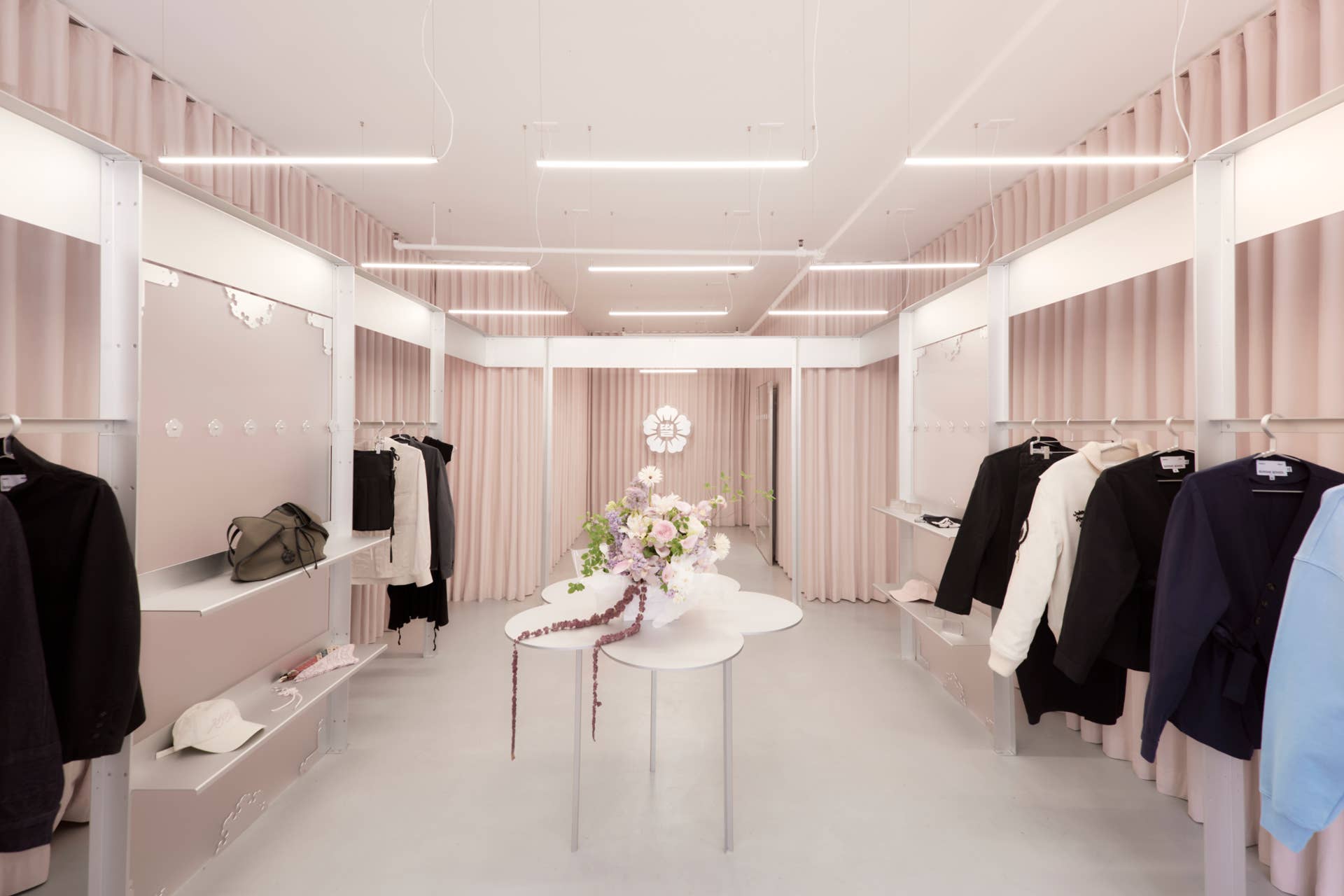
SCAD’s Bazaar by shopSCAD feels like the university finally put fashion students in the wild. At 318 E. Liberty St. in downtown Savannah, the 1,000-square-foot boutique turns student imagination into something harsher and more useful than a critique wall: a real retail floor, where branding, pricing, and client taste all collide. It opened in March 2026, and the point is obvious the second you step inside, this is not a campus shop dressed up to look fancy. It is a salon-style luxury retail experience meant to test whether design talent can survive contact with the market.
That matters because fashion school can reward excess in ways retail never does. In the classroom, a dramatic silhouette or a concept-heavy accessory can live on pure idea alone. At Bazaar, the same object has to earn its place against foot traffic, luxury expectations, and the very specific rhythm of downtown Savannah, where the shop sits within reach of historic district energy, high-end hotels, and dining that already trains shoppers to expect a polished experience.
What’s actually on the floor
Bazaar is built around limited-run and one-of-a-kind pieces, which is exactly the right move if the goal is to make students think like designers and merchants at the same time. The assortment stretches across ready-to-wear garments, accessories, jewelry, ceramics, and objets d’art, so the store reads less like a single-brand boutique and more like a tightly edited creative salon. That mix gives the space real texture: garments with atelier precision beside bench-crafted jewelry and tactile ceramic work, each object asking for a different kind of attention and a different price point.
The opening lineup pulls from both current students and alumni, which makes the store feel like a working archive of SCAD style. Featured student designers include Ellie Warnke, Jinseo Park, Harris Barnes, and Timo Krapf, while the alumni roster includes Christopher John Rogers, Kate Barton, Emily Dawn Long, and Timothy Underwood of Despise Gossip. That blend is smart. It lets younger designers see what a more established name looks like on the same floor, and it gives the whole project enough credibility to feel like a destination, not an assignment.
Why the luxury frame changes the work
Dirk Standen, dean of the SCAD School of Fashion, says the shop gives students firsthand experience selling in a real-world environment, and that is the whole thesis. Bazaar is meant to be an extension of the classroom into professional execution, a bridge to the luxury retail ecosystem where design is only half the job. The other half is product development, sourcing, merchandising, brand storytelling, client experience, and strategic sales, the stuff that decides whether an object becomes a business or just another good idea.
This is the part that makes Bazaar more interesting than a standard student showcase. In a luxury setting, students have to think about how a garment hangs next to jewelry, how a price communicates value, and how a story travels from a sketch to a salesperson to a customer. That pressure should sharpen their taste fast. It also teaches the most unforgiving lesson in style: if your work cannot hold its own in a beautiful store, it is not finished yet.
The people running the room
The boutique is managed by SCAD alum Ash Riddle Williams, which is a strong choice for a store built on translation between school and industry. A manager with SCAD roots can speak both languages at once, understanding what students are trying to make and what a luxury customer expects to see, touch, and justify. That matters in a space like this, where the gap between creative intuition and commercial reality is the whole point.
Bazaar is also designed to stay alive. SCAD says the shop will rotate curation, host special events, welcome designer appearances, and stage trunk shows. That gives the boutique the pulse of a functioning fashion space instead of a static student gallery. One month can lean harder into jewelry or ceramics, another into ready-to-wear, and each reset becomes another lesson in how retail depends on pacing, scarcity, and presentation as much as on talent.
How to shop it like a style person, not a tourist
Bazaar is open Monday and Tuesday by appointment only, then Wednesday through Saturday from 10 a.m. to 5 p.m., and Sunday from noon to 5 p.m. That schedule already tells you this is not a mass-market store. It is calibrated for slower, more deliberate shopping, the kind that lets a client study construction, ask questions, and understand why a piece costs what it does.
If you go, shop the place the way the concept demands. Look for how a student’s work sits next to an alumnus’ name, how the materials feel in hand, and whether the object still holds tension when you strip away the classroom halo. A good boutique teaches you taste by making you look harder, and Bazaar is built for exactly that kind of looking.
Why it matters beyond Savannah
Bazaar also expands SCAD’s existing ShopSCAD model, which continues at Poetter Hall at 342 Bull St. and features artwork and designs by students, professors, staff, and alumni. Together, the two stores make a clear argument for SCAD’s broader playbook: career preparation is not just internships and resumes, it is retail literacy, entrepreneurial discipline, and the ability to move from concept to customer without losing the plot.
That is what makes Bazaar feel timely rather than decorative. Fashion education has spent years promising creativity; now it has to prove it can teach commerce without sanding the edges off style. In this boutique, the lesson is visible in the clothes, the ceramics, the jewelry, and the price tags. The strongest students will learn that personal style is not just self-expression. It is also product strategy, and at Bazaar, that reality is finally on the rack.
Know something we missed? Have a correction or additional information?
Submit a Tip