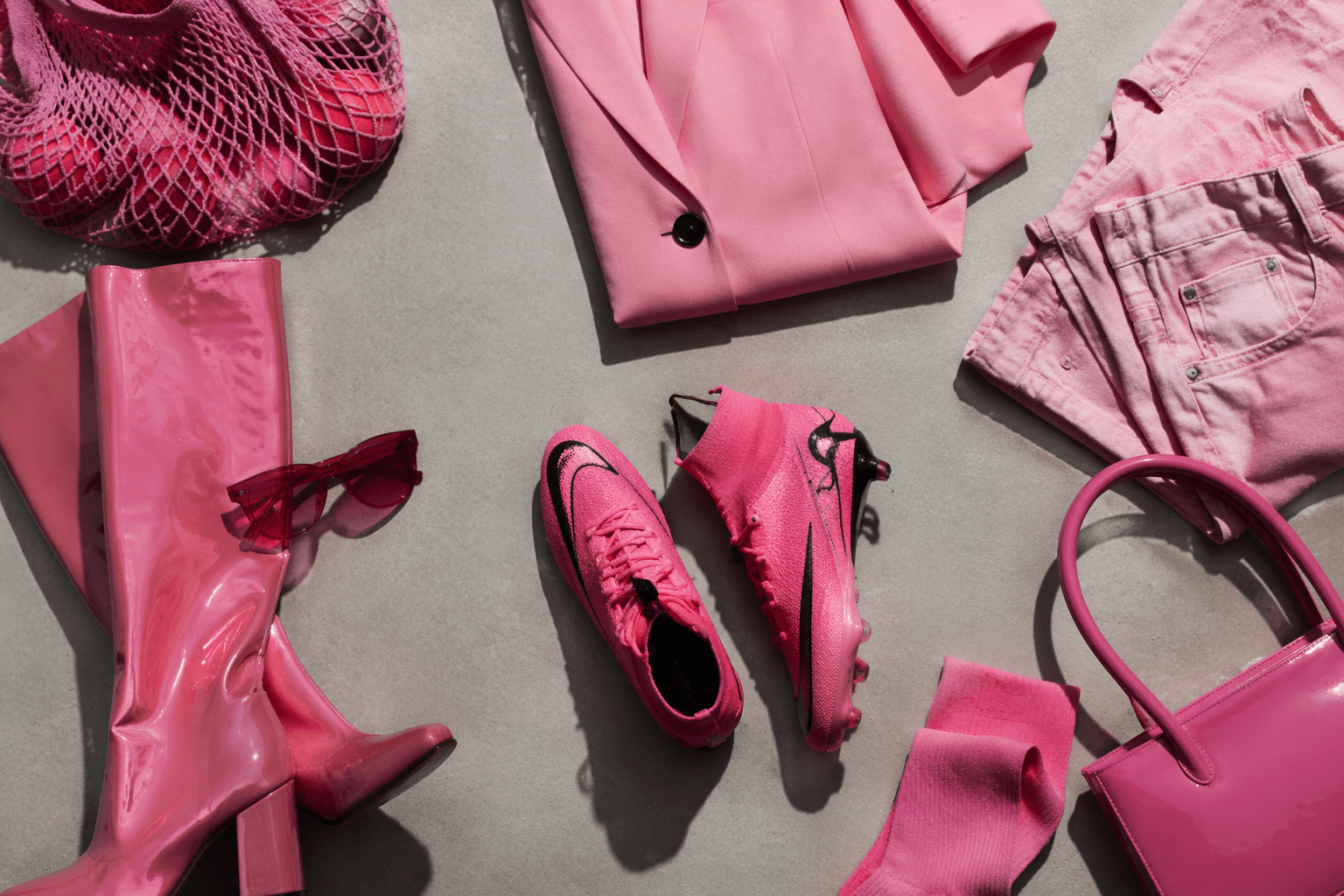
The Seasons Are Changing And Your Wardrobe Should Too
Three pieces, one repeatable formula, a 20-degree swing handled: the layering system that keeps you polished from the morning commute to dinner.
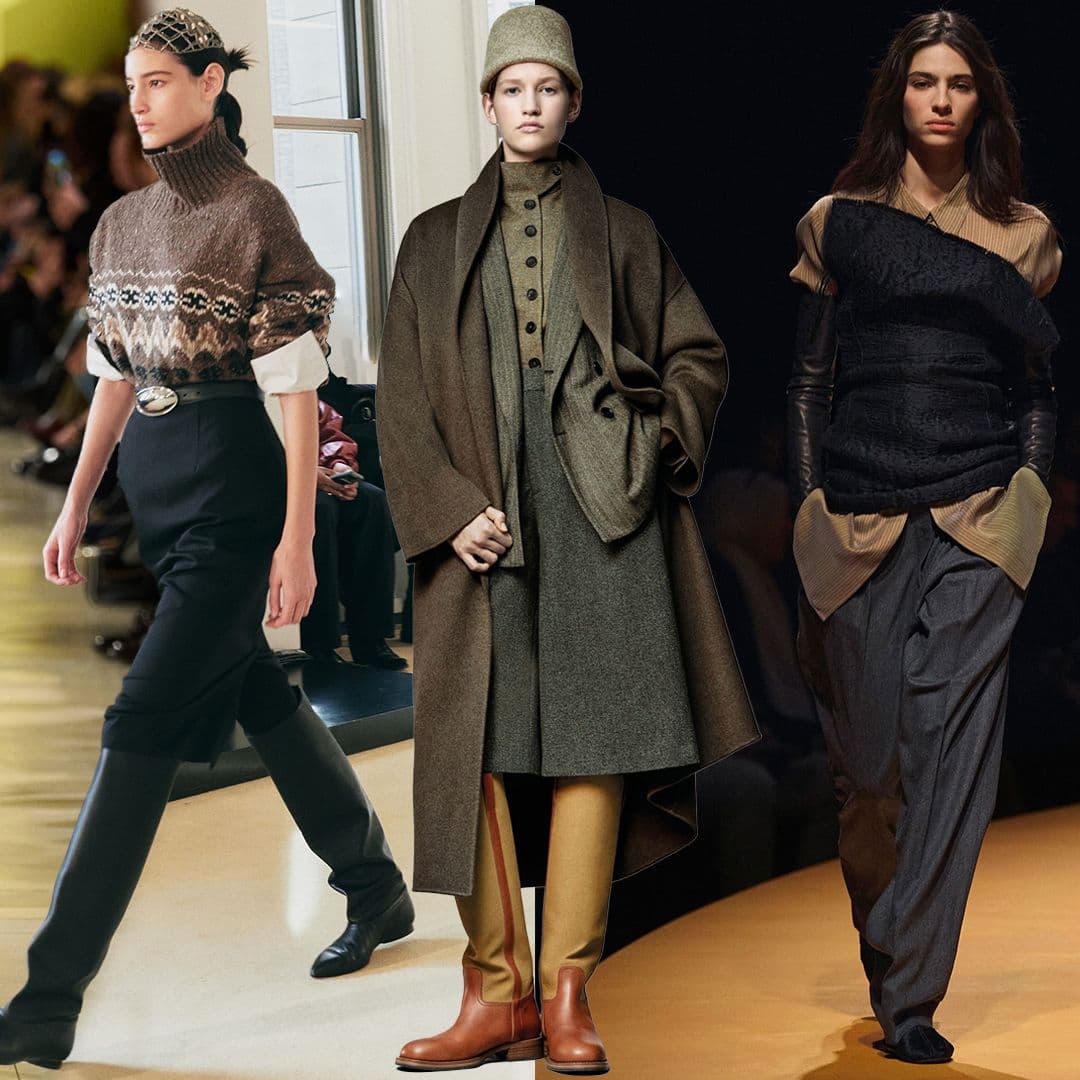
Three layers. That's the whole infrastructure between looking put-together at 7 a.m. and still looking like yourself at 10 p.m. after the temperature dropped, the forecast lied, and you definitely didn't have time to go home and change. I've been dressing around this problem for years, living somewhere that calls spring whatever it feels like on any given Tuesday, and the solution has never been a bigger wardrobe. It's a smarter one built on a repeatable formula you can run without thinking.
The data backs this up. Anusha Couttigane, Principal Analyst at Kantar, noted that "consumers in 2026 are prioritizing versatile outerwear that works across multiple occasions," and pointed to lightweight puffers as the most-searched transitional jacket category globally this year. People aren't confused about trends. They're confused about function. The formula below fixes that.
The Three-Piece Transitional Uniform
The base, the mid, and the shell. In that order, every time. The logic is straightforward: each layer needs to do its job independently so pulling one piece off when the afternoon warms up doesn't break the whole outfit. Get this wrong and you're either too hot, too cold, or visually undone by 11 a.m. Get it right and you've built a system that runs on autopilot.
The Base: The Piece That Carries the Outfit Alone
Your base has to look finished without anything over it, because there will be a window, usually around 2 p.m., when it's working solo. A fitted fine-gauge knit in a neutral, cream, black, or slate, is the highest-utility choice. Silk jersey reads polished, layers thin, and doesn't trap heat, making it the right call for days hovering around 60 degrees. Cotton-modal blends are the everyday workhorse: breathable enough to handle the commute, structured enough to hold shape through a full day. What you're avoiding is anything too thick to sit flat under a mid-layer, anything with heavy shoulder seams that create visible bulk, and anything so casual that it collapses the whole look when the outer layers come off.
The Mid: Where Most Transitional Outfits Fall Apart
People either skip the mid entirely and freeze when the shell comes off, or they overload it with a heavy knit that makes the rest of the day unworkable. The sweet spot right now is contrast: slimmer knits tucked just so into relaxed jeans, cropped sweaters layered over longer tees, and lightweight knits styled under structured outer layers. Acne Studios' oversized relaxed blazer has been one of the most-spotted mid-layer pieces this season, exactly because it's light enough to function as a layer but substantial enough to read as a full statement when you're indoors. Fine-gauge knits, soft wool, and cashmere blends keep outfits streamlined; heavier textures are used sparingly for impact. The rule for the mid: it should fold without creasing, and it should look just as considered as a standalone piece as it does underneath the shell.
The Shell: Your One Non-Negotiable
This is the piece working through temperature extremes, surprise rain, and all the ambient chaos of a day that didn't go as planned. Modern Gore-Tex membranes and DWR-treated fabrics have gotten light enough that a proper weather-resistant shell now packs down to roughly the size of a water bottle. That's the baseline standard: if your outerwear doesn't compress, it's working against you. A longer car coat silhouette gives you coverage without looking bunker-ready; Zoë Kravitz's car coat and grey jeans combination from earlier this season is the reference point. If your climate skews toward genuine rain rather than light drizzle, a DWR-treated shell worn over a mid-weight blazer is the combination that actually handles it without sacrificing polish.
The Practical Checklist
Before building any transitional outfit, run through these four variables:
- Fabric breathability. Breathable fabrics like cotton, lightweight knits, and blends work best for fluctuating temperatures. Synthetics can trap heat fast once you're inside; if you're layering them, make sure the base breathes freely. Heavy textures belong at one layer only, used for impact rather than warmth stacking.
- Hem staggering. Each layer should sit at a visibly different length for the look to read as intentional rather than bundled. Base hits the hip, mid falls slightly shorter or longer depending on cut, shell clears both by at least two inches. Cropped sweaters layered over longer tees are doing this on purpose, and that visual logic is exactly what separates deliberate layering from just piling on.
- Shoe choice. Water resistance is non-negotiable for a day when the forecast says "partly cloudy" and you still end up in a surprise downpour. Grenson's Milo Chelsea boot, built on a waterproof welt construction from the Northamptonshire workshop that has been making footwear since 1866, reads as a polished leather dress boot but handles weather without flinching. Seavees' Beyond & Back combines a water-resistant oiled leather upper with a custom-developed Vibram outsole, making it the better call if your day involves more walking than sitting.
- Bag-compatible outerwear. Your coat needs to handle living off your body. If it can't compress into a tote or stuff into a bag pocket, you'll wear it all day even when you're overheating through the afternoon. Nylon mini totes are water-resistant, packable, and come in every color imaginable, giving you a place to stash the shell once temperatures climb without adding visible weight to the rest of the look.
Three Plug-and-Play Outfit Templates
These are built to work with what's already in most closets.
Template 1: The Commuter Classic
Fine-gauge black turtleneck as the base, relaxed cashmere crewneck in camel or grey as the mid, packable technical shell in olive or navy as the outer layer. Grenson Milo Chelsea boots. Structured leather tote. This combination handles a 45°F morning and a 65°F afternoon without a single style compromise, and the shell disappears into the bag by lunchtime without adding visible weight to the rest of the outfit.
Template 2: The Parisian Pivot
White cotton shirt with a slightly longer hem as the base, a slim cropped knit in a tonal neutral as the mid, a tailored car coat in charcoal or camel as the shell. Clean leather sneakers or low block-heel boots in water-resistant leather. A nylon mini tote or leather crossbody. Alexa Chung's Parisian layering approach, which has been circulating consistently this season, offers both practicality and sophistication: it runs on good proportions, a strict tonal palette, and a coat that does real weather work without looking like it's trying.
Template 3: The Casual System
Fitted long-sleeve cotton-modal tee as the base, structured denim overshirt as the mid, lightweight packable puffer in a muted tone as the shell. A Chelsea sneaker hybrid with water-resistant upper. Large nylon zip tote that folds flat when empty. A structured denim overshirt layered over a tee gives you warmth without bulk and carries the evening comfortably once the puffer goes into the bag by noon.
What This Formula Actually Buys You
The payoff is not better outfits. It's fewer decisions at 6:45 a.m. when the weather app is contradicting itself and you're already running six minutes behind. When you stop spending energy wondering whether your outfit will survive the day intact, you have that energy for everything else. Knowing how to layer effectively allows you to stay comfortable while still looking polished and stylish, and that confidence compounds over every day you don't have to think about it. The seasons will keep shifting on short notice. A three-piece system built around real performance means they never get to make that your problem.
This article was produced by Prism’s automated news system from verified source data, official records, and press releases, then run through automated quality and moderation checks before publishing. The system is built and supervised by the people who set the standards it runs under. Read our full AI policy.
Did this article answer your question?