ABB and Syre Team Up to Scale Textile-to-Textile Recycling in Vietnam
ABB and Syre signed an MOU to bring industrial automation to a $1 billion Vietnam plant targeting 250,000 metric tons of recycled polyester per year.
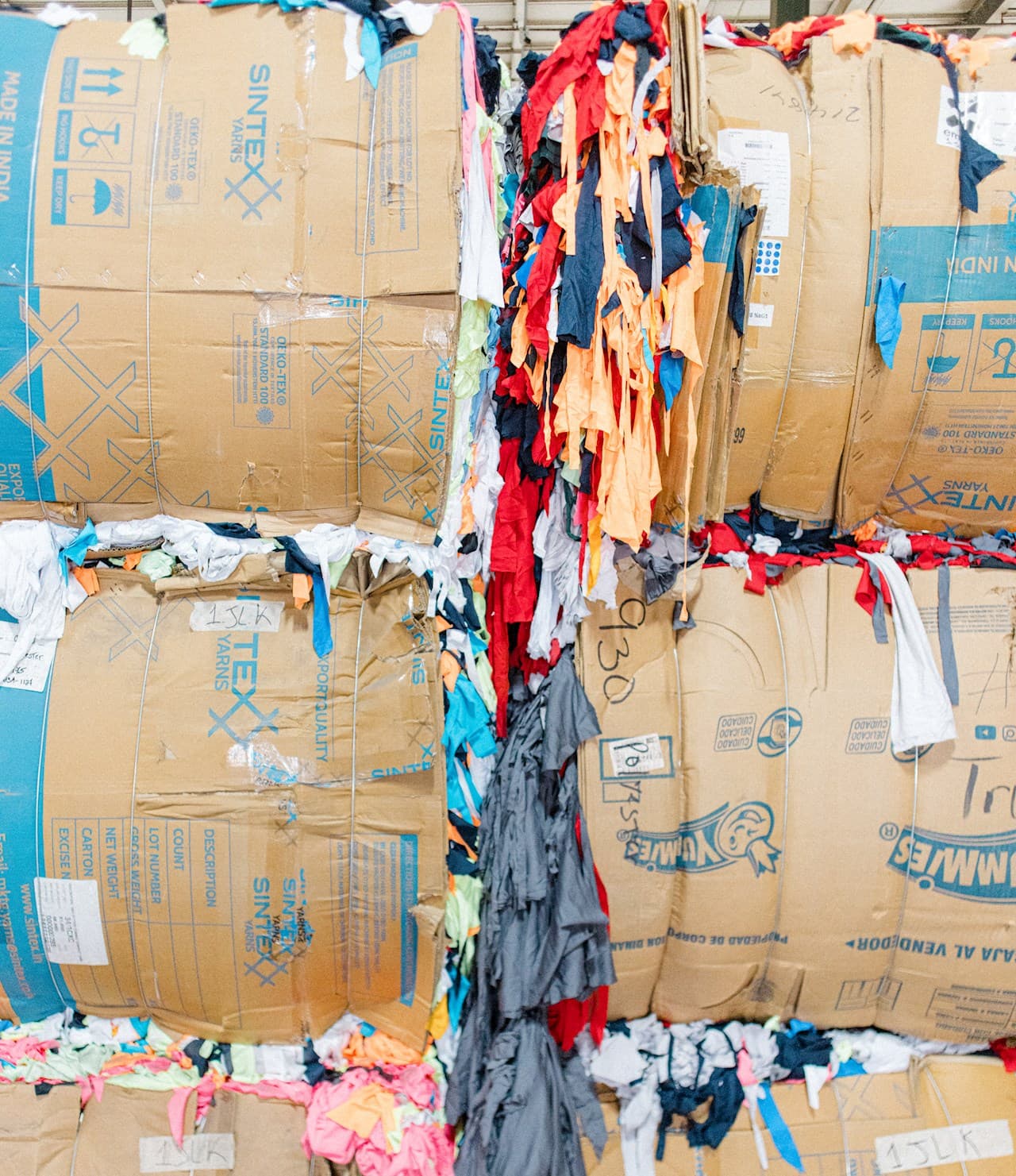
The textile-to-textile recycling conversation has moved decisively from boardroom aspiration to engineering blueprint. The question now is whether the industrial infrastructure exists to match the ambition, and a new agreement between ABB and Swedish impact company Syre signals that the answer may finally be yes.
Under a memorandum of understanding signed March 31, ABB agreed to evaluate how its automation, electrification and digital technologies could support Syre's first large-scale textile-to-textile recycling plant, planned for Gia Lai province in central Vietnam. The collaboration focuses not on chemistry, which Syre has already developed, but on the harder industrial problem: converting a proven process into steady, verifiable throughput at a scale that actually moves the needle on global polyester supply.
The numbers required to move that needle are significant. The Vietnam facility, projected to break ground in 2027, is designed to process between 150,000 and 250,000 metric tons of polyester waste per year, drawing feedstock from post-consumer textiles and industrial waste streams. The investment is estimated at $700 million to $1 billion. At full capacity, the plant would convert worn polyester garments into high-quality PET pellets for spinning, producing a recycled fiber that Syre claims reduces CO2 emissions by up to 85 percent compared with virgin polyester made from crude oil.
That claim matters because less than one percent of the global textile fiber market currently comes from recycled textiles, against 71 million tons of polyester produced annually from fossil-based inputs. For textile-to-textile recycled polyester to shift from pilot curiosity to reliable supply, plants like the one in Gia Lai need to reach industrial throughput, maintain consistent quality, and run cost structures that compete with virgin fiber. That is precisely where ABB enters the picture. Its role under the MOU covers process automation, electrical systems and digital monitoring, the same toolkit the company deploys across pulp, paper and chemical processing.
Wilson Monteiro, ABB's Global Business Line Manager for Pulp, Paper and Fiber, framed the partnership as a natural extension of existing industrial expertise. "Together with Syre, we will explore how our experience in fiber processing, chemicals and advanced process industries can be applied to polyester recycling," Monteiro said.
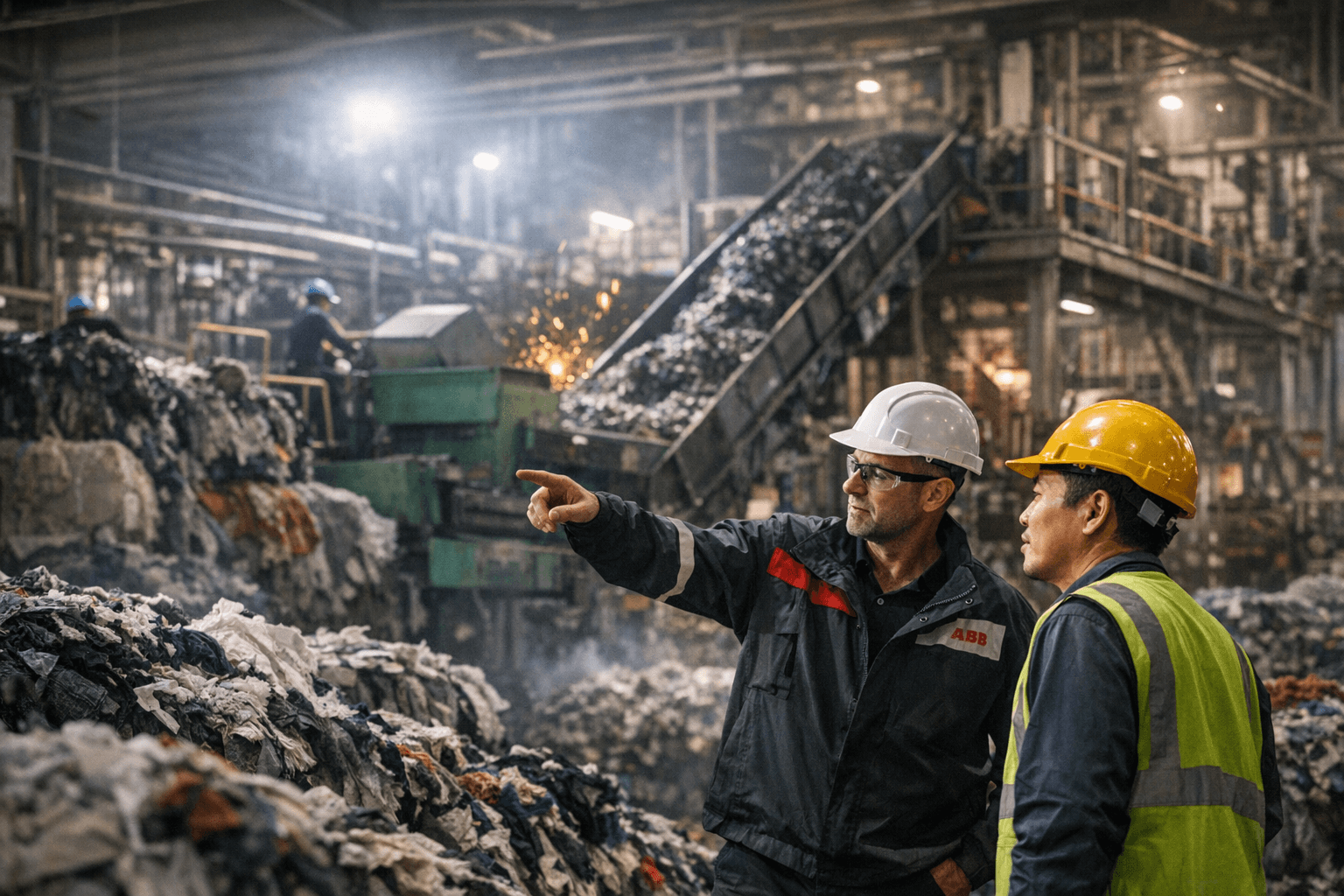
For Syre CEO Dennis Nobelius, the ABB agreement represents a structural requirement, not a strategic nicety. "Industrialising textile-to-textile recycling is a complex undertaking, and while strong customer demand is essential, it must be matched with best-in-class industrial partners," Nobelius said. "ABB brings exactly the depth of expertise and execution capability needed; they are a cornerstone of the industrial ecosystem we are building."
The demand side is already partially secured. H&M Group, one of Syre's founding partners, holds a $600 million offtake agreement covering seven years and a significant share of the retailer's long-term recycled polyester needs. Gap, Target and outdoor brand Houdini have also committed. Nobelius has set a target of 10 to 12 gigascale plants operating globally by 2032, collectively producing three million metric tons of circular polyester per year.
What that trajectory means for brands and their customers is a genuine shift in supply availability, not just a marketing claim. Certified textile-to-textile recycled polyester, unlike bottle-to-fiber rPET which remains a linear process, creates a closed loop for garments at end of life. If ABB's systems enable the Vietnam plant to hit its capacity targets on schedule, brands currently struggling to source verified circular feedstock could gain access to a stable, traceable supply at industrial scale for the first time. The Gia Lai groundbreaking in 2027 is the first real test of whether that premise holds.
Know something we missed? Have a correction or additional information?
Submit a Tip