Brain Dead turns subculture style into a mainstream fashion force
Brain Dead has turned graphic, subcultural chaos into a bigger business, using sell-out drops and sharp collaborations to grow without going clean.
The formula: keep the fringe intact
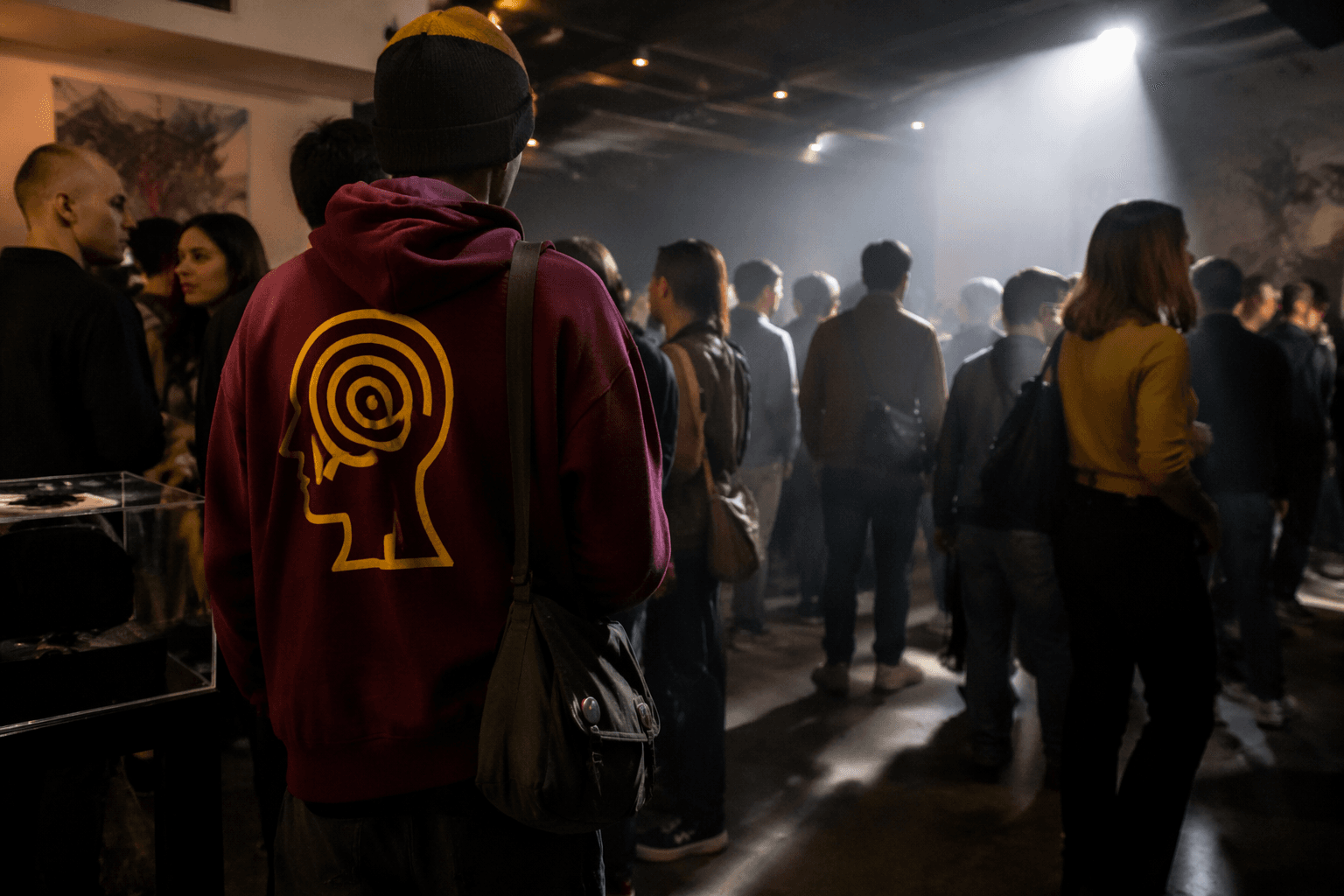
Brain Dead has figured out the hardest trick in fashion: how to get bigger without looking safer. The Los Angeles label has built real mainstream reach from a graphic, nerdy, deeply referential aesthetic, but it has done so without sanding off the strange details that make people care in the first place.
That tension is the whole story. Brain Dead describes itself as a creative collective and a meeting place for contemporary subcultures, and its language still comes out of post-punk, underground comics, the natural world, and obscure horror films. In other words, this is not a brand trying to be universally agreeable. It is a brand using specificity as its growth engine.
Why the sell-out drop matters
The sell-out drop is not just a retail event for Brain Dead. It is proof that the label’s ideas travel. When a brand with a cult following can move product quickly, it signals more than hype; it suggests a recognizable point of view that customers want to wear before everyone else does. Brain Dead’s mix of bold graphics, offbeat references, and collectible energy gives each release the feel of a cultural object, not just another sweatshirt or T-shirt.
That is why the brand’s business model reads like a playbook for cult labels trying to scale. Keep the code language intact. Release product in a way that feels current and scarce. Let collaboration widen the audience, but never flatten the identity. Brain Dead is not selling basic wardrobe staples with a logo on top. It is selling access to a world.
A Los Angeles label with real-world footprint
The brand’s physical presence makes that world feel more tangible. Brain Dead operates at least two Los Angeles retail locations: 611 N Fairfax Ave. and Brain Dead Fabrications at 3819 W Sunset Blvd. Those stores matter because they turn the label from a digital mood board into something you can walk into, touch, and understand in person.
That offline footprint is part of the strategy. A cult brand becomes more powerful when it has a geography, and Brain Dead’s Los Angeles base gives it one of the clearest identities in the market. Fairfax and Sunset are not just addresses. They are proof that the brand has moved beyond niche fandom and into a more durable fashion business.
The origin story keeps shifting, but the point stays the same
Brain Dead says it was founded in 2014 by Kyle Ng and Ed Davis. WWD’s May 30 profile places the brand’s establishment in 2015 and notes that Davis departed in 2024. The exact timeline may vary depending on who is telling the story, but the bigger picture is consistent: Brain Dead grew from an independent, idea-driven project into a label with broad cultural pull.
That evolution matters because it shows how a creative collective can outgrow its original shape without losing its voice. The brand still feels built around Ng’s appetite for references and community, but the operation around it now looks more like a platform. That is the transition cult labels dream about and often fail to make.
Coach brings scale, not sobriety
The newest example is Coach x Brain Dead, which launched globally on May 29, 2026. Coach described Brain Dead as a Los Angeles-based artist collective known for collaborative design, bold graphics, and a creative community, and the collection spans bags, clothing, shoes, bag charms, and accessories. Coach’s site listed 61 products, a meaningful size for a collaboration that is meant to feel substantial rather than token.
What makes that partnership smart is that Coach did not ask Brain Dead to go quiet. The collection still has room for play, which is exactly why it works. For Brain Dead, Coach brings the kind of scale that can put its visual language in front of a much wider audience. For Coach, Brain Dead supplies edge, energy, and a direct line to younger shoppers who want luxury to look less polished and more alive.
That is the key lesson here: the right collaboration does not dilute a cult brand’s identity. It amplifies the parts of it that already have momentum. Brain Dead’s weirdness is not a liability in this equation. It is the selling point.
A.P.C. proves the value of long-term chemistry
If Coach is Brain Dead’s scale move, A.P.C. is its proof of concept. In 2025, A.P.C. marked the 10th anniversary of its relationship with Brain Dead with a denim capsule and framed the project as a celebration of craft as a creative mindset. The French label also said the collaboration began through a friendship between A.P.C. founder Jean Touitou and Kyle Ng.
That detail is important because it explains why the partnership has lasted. This is not just a licensing exercise or a marketing stunt. It started with a personal connection, then matured into a decade-long creative exchange. Denim is the right vehicle for that kind of relationship too: it is familiar enough to reach a broad audience, but still open to attitude, wash, cut, and texture.
A.P.C. and Brain Dead show a different path for cult labels than the one-off drop. One collaboration can create a spike. A ten-year partnership creates credibility.
The wider collaboration portfolio is the real business model
Brain Dead has not limited itself to one lane. Its broader collaboration roster includes Star Wars, Malin + Goetz, Brooks Brothers, Disney, Jean-Michel Basquiat, and Peanuts. That range says a lot about the brand’s strategy: it can move between pop culture, heritage menswear, art, and character-driven nostalgia without losing its voice.
The common thread is not product category. It is tone. Brain Dead knows how to translate its visual identity into different worlds while keeping the result recognizable. That is the difference between a brand with a fan base and a brand with real wardrobe share. One gets collected. The other gets worn.
Brain Dead’s rise shows that the path from subculture to mainstream does not have to run through minimalism or compromise. The brands that scale best now are often the ones that stay visually loud, intellectually specific, and slightly unruly. Brain Dead understands that the easiest thing to lose on the way up is personality, and the smartest thing to protect is exactly the weirdness that made people care.
This article was produced by Prism’s automated news system from verified source data, official records, and press releases, then run through automated quality and moderation checks before publishing. The system is built and supervised by the people who set the standards it runs under. Read our full AI policy.
Know something we missed? Have a correction or additional information?
Submit a Tip