shoppers treat sunglasses as investment pieces, eye health drives demand
Sunglasses are being bought like serious accessories now, with UV protection, better materials, and sharper craft turning shades into investment pieces.
The disposable shade era is losing ground
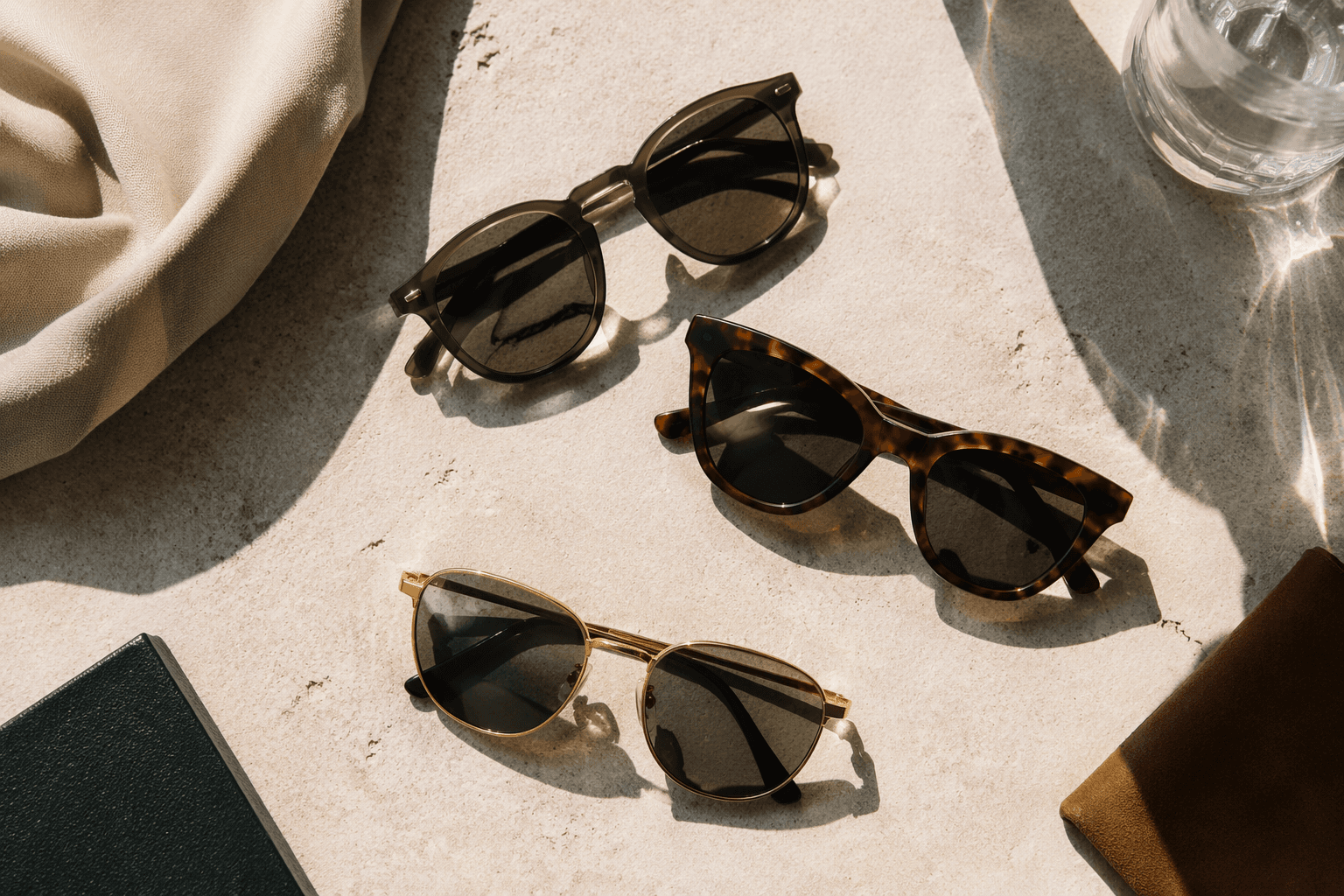
The easiest pair at checkout is no longer the point. Sunglasses are moving up the style ladder because shoppers want frames that look deliberate, wear well, and do more than sit on the face for one season. The new mood is less trend-chasing, more commitment: a pair should feel designed, not grabbed.
That is exactly why emerging eyewear labels are getting attention. They are not selling a logo and a colorway alone; they are selling weight, finish, fit, and a frame that can survive more than a beach weekend. In a market this crowded, the brands that feel engineered are the ones getting treated like investment pieces.
UV protection is now part of the style language
Eye health is doing real work here, and it is changing how people shop. The American Optometric Association says sunglasses should block 100% of both UVA and UVB radiation, while the U.S. Food and Drug Administration warns that UV exposure can harm eyes and skin and says sunglasses rated for 100% UV protection help protect eyes. That is not niche technical chatter anymore. It is the baseline.
Once protection becomes part of the decision, flimsy fashion shades start to look dated. The smartest labels are building their pitch around credible lenses and sun safety, which gives shoppers a way to justify spending more on a pair that actually earns its keep. In other words, the cooler the frame looks, the better it still has to perform.
Craftsmanship is the new luxury signal
The most interesting part of this shift is how much attention is going to the details you can feel before you even look in a mirror. Natalie Gulliver of Rosa Rims says shoppers now care about UV protection, premium materials, beautiful craftsmanship, and the weight and quality of frames. That is the kind of language that tells you the category has matured. People are no longer buying sunglasses as a garnish; they are assessing them the way they would a watch or a bag.
Rosa Rims leans into that by spending months sampling and refining fit, weight, and finishes. That matters because eyewear is unforgiving. If the bridge is off, if the temples pinch, if the acetate feels hollow, the whole illusion collapses. The labels catching momentum are the ones that understand a frame has to look clean on the shelf and disappear comfortably on the face.
Materials are becoming part of the pitch
A premium frame now has to read as well made in the hand as it does in a photo. Better acetate, more considered metals, and cleaner construction are separating the labels people keep from the ones they forget. One market report says over 22% of new luxury eyewear products in 2024 incorporated biodegradable acetate or recycled metals, which shows how quickly material language has become part of the luxury conversation.
That shift gives smaller labels room to challenge the old guard. Legacy sunglasses players used to dominate on recognition alone, but younger brands are using texture and fabrication as their own kind of status code. A thicker acetate edge, a more precise hinge, a cleaner polish: those details read as taste to shoppers who know what they are looking at.
The market is big enough for challengers now
This is not just an aesthetic story. It is a growth story. One report puts the U.S. sunglasses market on a 6.2% CAGR over the study period, while another says the global category is expected to rise from $18.93 billion in 2025 to $19.98 billion in 2026 and reach $25.24 billion by 2030. That kind of expansion creates oxygen for emerging labels, especially the ones offering something more specific than generic summer merch.
The trend has a clear business logic too. Future Market Insights says demand is being fueled by luxury and designer sunglasses alongside UV protection and eye-health awareness, which means the category is getting pulled forward by both style and utility. That is the sweet spot these newer labels are exploiting: make the frame feel collectible, make the lenses credible, and make every part of the object feel worth the money. Legacy players are still huge, but the center of gravity is shifting toward brands that understand sunglasses as a serious purchase, not a throwaway accessory.
This article was produced by Prism’s automated news system from verified source data, official records, and press releases, then run through automated quality and moderation checks before publishing. The system is built and supervised by the people who set the standards it runs under. Read our full AI policy.
Know something we missed? Have a correction or additional information?
Submit a Tip