Coach and Brain Dead launch playful co-branded fashion capsule
Coach turned the Tabby into a patch-heavy, lunchbox-leaning flex, using Brain Dead's cult graphics and charms to sell Gen Z on collectibility.

The Tabby bag got the loudest treatment in Coach’s new Brain Dead capsule: patches, chains and a lunchbox-inspired twist that made a familiar classic feel like souvenir merch from a dream arcade. That is exactly the point. Coach is not just dressing up a hero bag, it is turning heritage into something collectible, custom and easy to post.
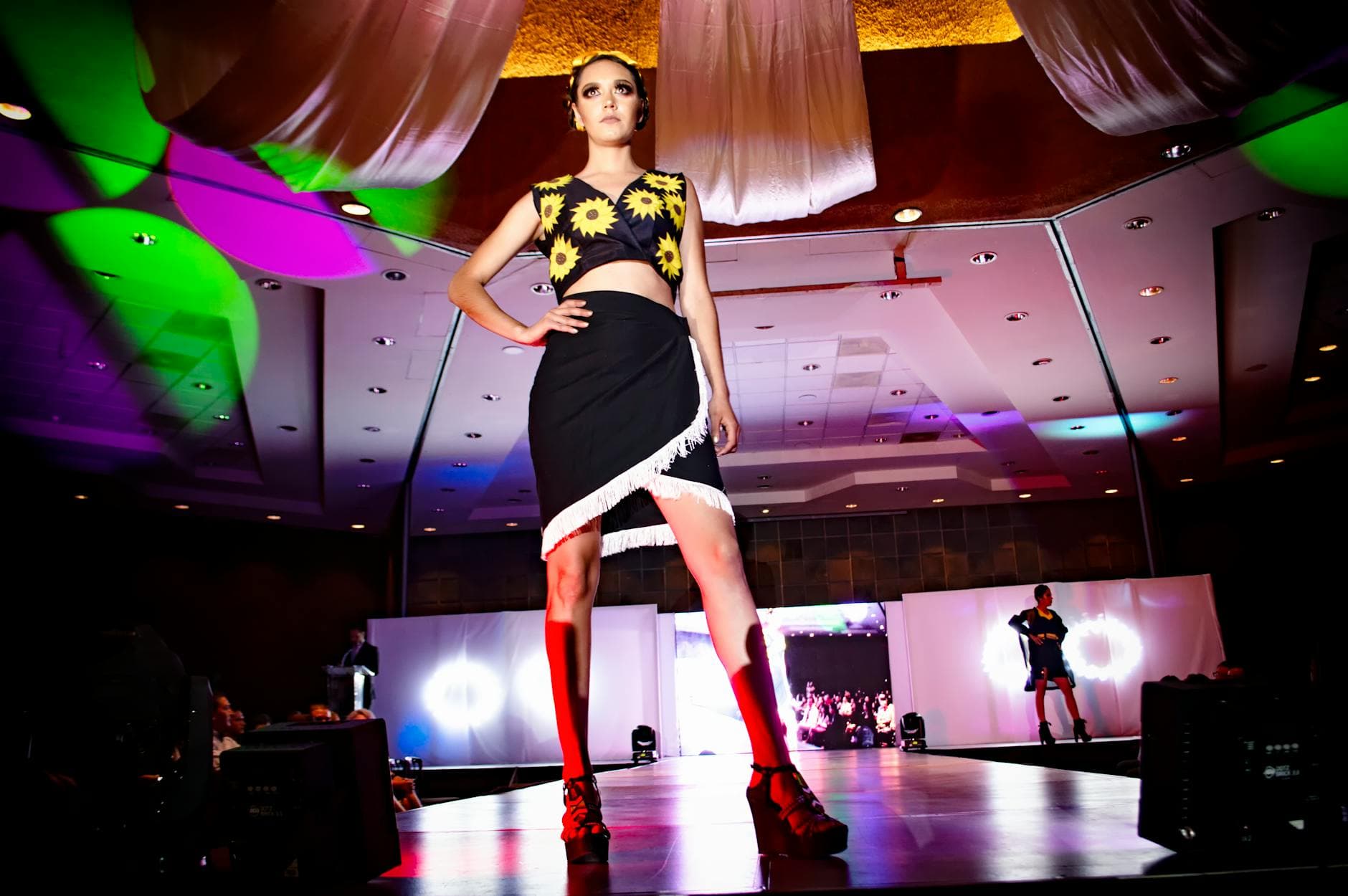
The collaboration spans ready-to-wear, bags, footwear and charms, with the first pieces set to go on sale May 29. Before that global launch, the line is getting a two-week preview at Selfridges in London, a smart play for a brand that knows scarcity, location and timing can do as much work as design. Coach and Brain Dead also threw a theme park-inspired party in New York and staged a flash runway presentation in the Meatpacking District, leaning all the way into spectacle without pretending this is just about clothes.
This is where Brain Dead makes sense. The Los Angeles collective has built its name on post-punk energy, underground comics and a graphic-heavy subculture sensibility that feels less polished luxury and more lived-in code. It also operates Brain Dead Studios in Los Angeles, complete with a movie theater and event space, which says a lot about why Coach wanted this partner now: Brain Dead does not just make products, it builds worlds. That world-building matters when a heritage label wants younger shoppers to see it as culturally alive, not simply established.
Coach creative director Stuart Vevers developed the collection with Brain Dead co-founder and creative director Kyle Ng, and the brand frames the project as a celebration of co-creation and self-expression. Product language points to Coach’s Signature being reworked with Brain Dead’s Logohead, then dropped into an imaginary theme park filled with playful mascots. The references are telling: Tokyo street style, souvenir culture and fictional amusement-park merchandise, all of it pushing Coach farther from predictable luxury and closer to the kind of item people actually want to customize, collect and wear hard.
That strategy fits the larger Coach playbook. The brand has leaned on collaborations to connect more directly with Gen Z customers, and Brain Dead gives it streetwear credibility without flattening Coach’s own archive. The charms matter here, not as add-ons but as a growth lever. They make the bag personal, encourage repeat visits and turn one purchase into a stackable ecosystem. In 2026, that is the game: make the logo feel new, make the product feel editable, and make the drop feel like an event.
This article was produced by Prism’s automated news system from verified source data, official records, and press releases, then run through automated quality and moderation checks before publishing. The system is built and supervised by the people who set the standards it runs under. Read our full AI policy.
Did this article answer your question?


