Denim brands tap stadium culture as Los Angeles builds sports runway
Denim is finding its next growth lane in stadium culture, with Los Angeles turning into the sportiest billboard fashion has ever had.
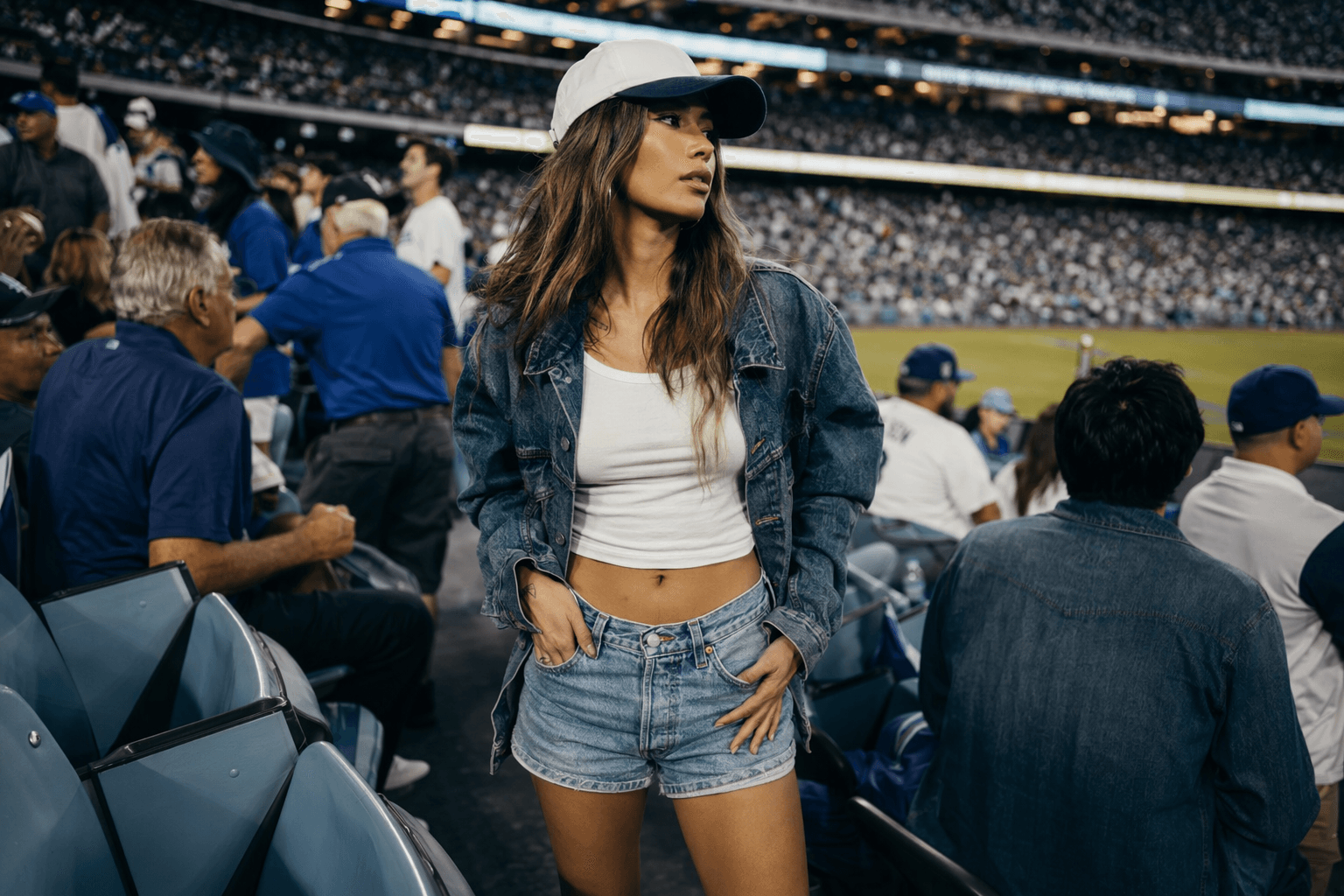
Los Angeles is becoming denim’s loudest new sales floor
The smartest denim brands are stopping the old fashion-only routine and walking straight into the stadium. That shift matters because sports gives denim something runway marketing never really can: scale, repeat exposure, and built-in tribes that already wear identity on their sleeves. In Los Angeles, the timing is almost absurdly good, with the 2026 FIFA World Cup, Super Bowl LXI in 2027, and the 2028 Olympic and Paralympic Games all stacking the city into a multi-year sports-fashion pressure cooker.
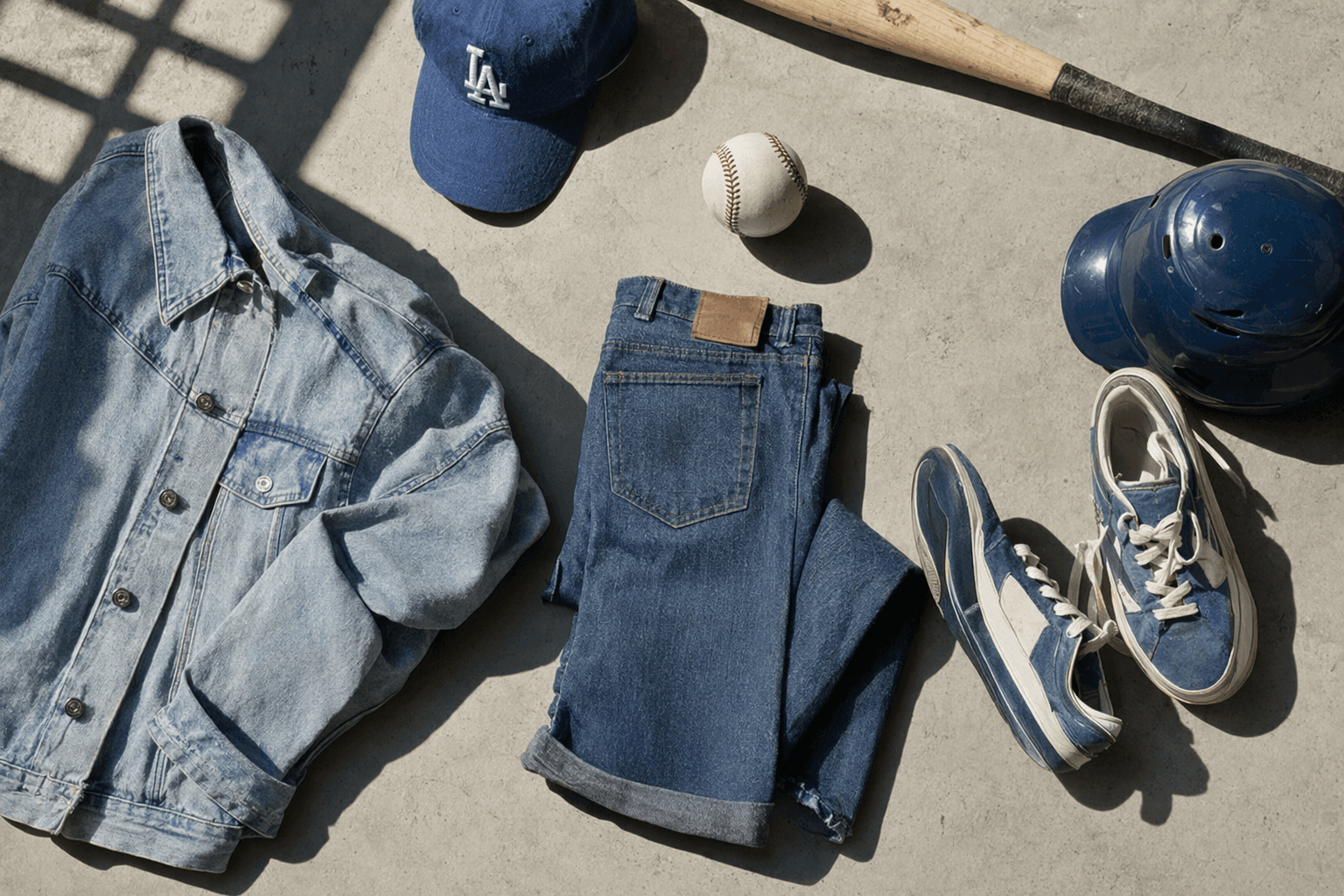
This is not just about slapping a logo on a tee and calling it a collaboration. It is about getting denim into the places where people actually live in merch: the tailgate, the watch party, the concourse, the post-match bar, the family photo outside the stadium. Denim has the right texture for that world, too. It reads tough, American, lived-in, and durable, which is exactly what makes it translate so well from fashion rack to fan uniform.
Why sports works for denim now
Sports is the cleanest growth channel denim has had in years because it solves two problems at once. First, it widens the audience beyond the usual fashion customer. Second, it gives brands a reason to sell more than jeans, pushing jackets, tees, accessories, and collectible pieces that feel like proof of belonging rather than basic apparel.
WWD has been tracking this shift, and the logic is obvious once you look at the money. SponsorUnited says NFL team sponsorship revenue hit $2.7 billion in 2025, up 8% from the previous season. That kind of number tells you the stadium is not a cute side project. It is a serious marketing machine, and brands are treating it that way.
There is also a cultural tailwind. When sports becomes fashion conversation, the audience gets bigger and younger at the same time. Messi’s move to MLS helped push that crossover into the mainstream, and suddenly athletics was not just about jerseys and cleats. It was part of the style ecosystem, the same way sneaker culture rewired menswear. Denim is stepping into that opening with real confidence.
Levi’s is playing the game like a brand that understands the scoreboard
Levi’s is the clearest example of how this should work. Inside the official U.S. Soccer Store, the Levi’s Collection brings together denim jackets, classic tees, and novelty accessories aimed at fans who want to represent “on and off the pitch.” That line is doing a lot of work. It says the product is not just for game day, and it also says denim can live comfortably inside fandom without looking costume-y.
The collection also sits alongside a broader collaborations section that includes Levi’s, Hello Kitty, and Mattel. That matters because it places denim inside the modern limited-edition economy, where pop culture partnerships are the product strategy, not just the marketing garnish. Levi’s is not behaving like a one-off sponsor trying to sell a few souvenir jackets. It is moving like a brand building a long-term fanwear lane.
Trade coverage has also pointed to Levi’s partnership with four national soccer federations, the United States, Mexico, England, and France, as part of a fan-focused World Cup collection strategy. That is the tell. Levi’s is not betting everything on one team or one moment. It is building a network of identity across multiple soccer cultures, which gives the brand more runway if one market cools.
What makes this durable is the category mix. Jackets carry the premium story. Tees keep the entry price low. Accessories pull in the impulsive fan and the collector. That is a real product architecture, not a gimmick.
Los Angeles is the biggest sports-fashion stage in America right now
The Los Angeles angle is where the whole story clicks into place. FIFA says the city will host eight matches for the 2026 World Cup, including the U.S. Men’s National Team opening match, and it has also promised 39 days of fan celebrations across the region. That is not a single event spike. That is a full-city atmosphere, with enough time for brands to test products, seed drops, and keep the conversation alive beyond one weekend.
The match schedule makes the opportunity even clearer. FIFA’s slate shows USA v Paraguay in Los Angeles on June 12, 2026, and IR Iran v New Zealand in Los Angeles on June 15, 2026. Two matches, close together, in a market that already lives and breathes image-making. For denim brands, that means multiple chances to show up in photos, on social feeds, and in the kind of crowd shots that make clothing feel culturally inevitable.
And the future does not stop there. The 2028 Summer Olympic and Paralympic Games are officially set for Los Angeles, which extends the city’s sports-marketing runway well past the World Cup and into a longer cycle of branded fanwear. The city is basically becoming a permanent test lab for how fashion behaves when global sport is the backdrop.
The real winners will build, not just merch
The difference between a smart sports play and a lazy merch grab is whether the brand understands repeatability. One-off capsules can spike attention, but they rarely build muscle. The stronger strategy is what Levi’s, Ralph Lauren, and Mitchell & Ness are hinting at: create a product language that can return every cycle, every tournament, every host-city moment.
Ralph Lauren has long been the gold standard here through Team USA, and the brand has already created a special LA28 emblem plus a Polo Ralph Lauren LA28 Olympic denim western shirt in retail circulation. That shirt is the right kind of move: heritage, sport, and place all in one garment. It is not screaming for attention. It is doing the harder thing, which is making Olympic branding feel wearable enough to live beyond the event itself.
Mitchell & Ness has also launched an LA28 collection, which reinforces another important point. Heritage-driven fanwear is not a novelty anymore. It is becoming a recurring product category. The brands that win will be the ones that treat these moments like seasons, not stunts.
The broader lesson is simple: sports gives denim the thing it has been hunting for, a channel that is emotional, visible, and scalable. Los Angeles just happens to be the perfect city for the experiment, because it is about to host more global sport than almost anywhere else in the country. In that kind of environment, denim is not dressing the crowd. It is becoming part of the uniform.
This article was produced by Prism’s automated news system from verified source data, official records, and press releases, then run through automated quality and moderation checks before publishing. The system is built and supervised by the people who set the standards it runs under. Read our full AI policy.
Did this article answer your question?


