Gen Z turns social media into fashion’s new checkout lane
Social media has become fashion’s fastest checkout lane, and Gen Z is forcing brands to design for impulse, speed, and seamless purchase.
The funnel has collapsed
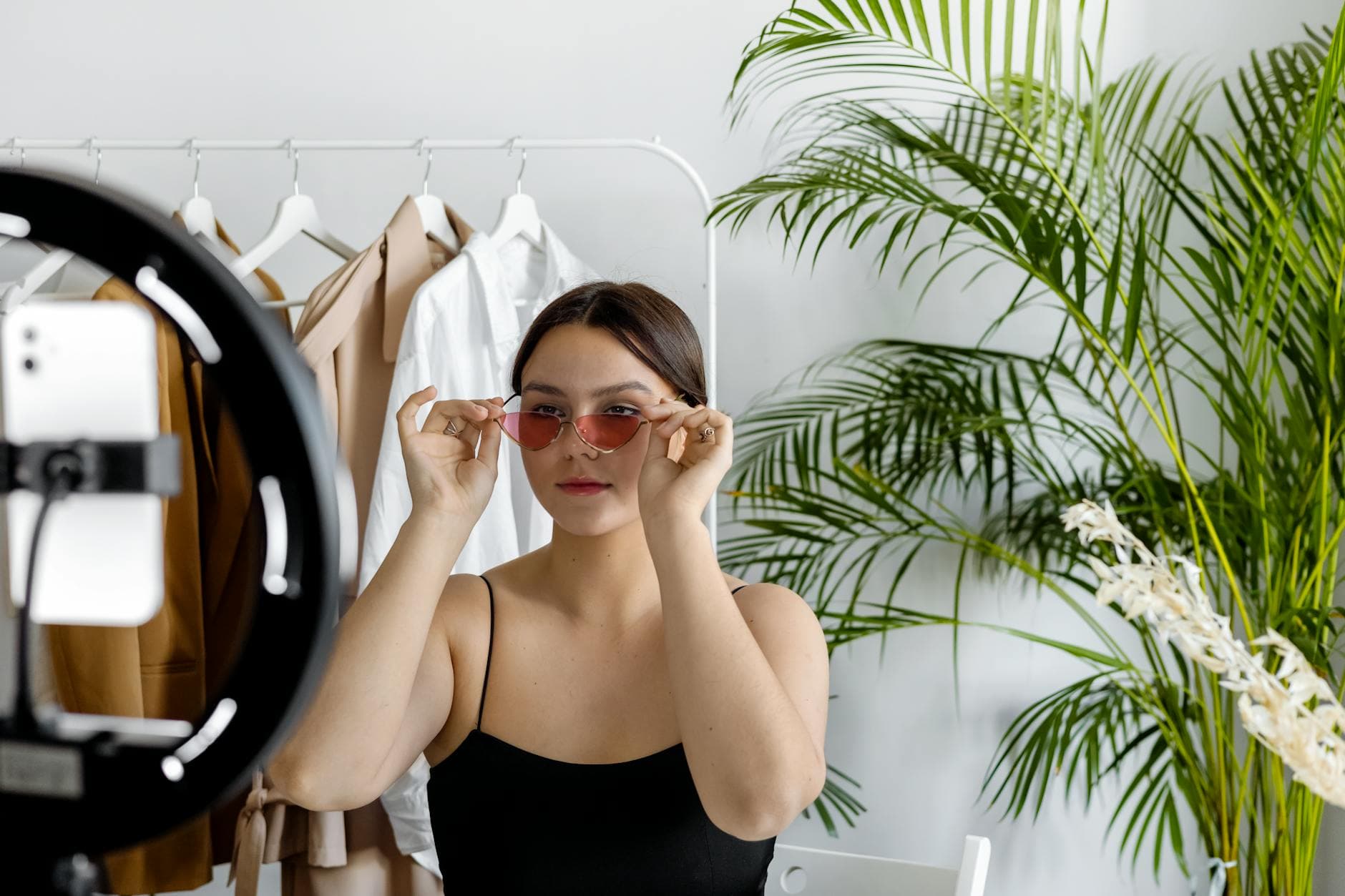
Fashion used to treat social media as the place where desire started. Now it is where the sale ends. The smartest platforms have stopped behaving like billboards and started acting like storefronts, collapsing the gap between inspiration and checkout into a single scroll.
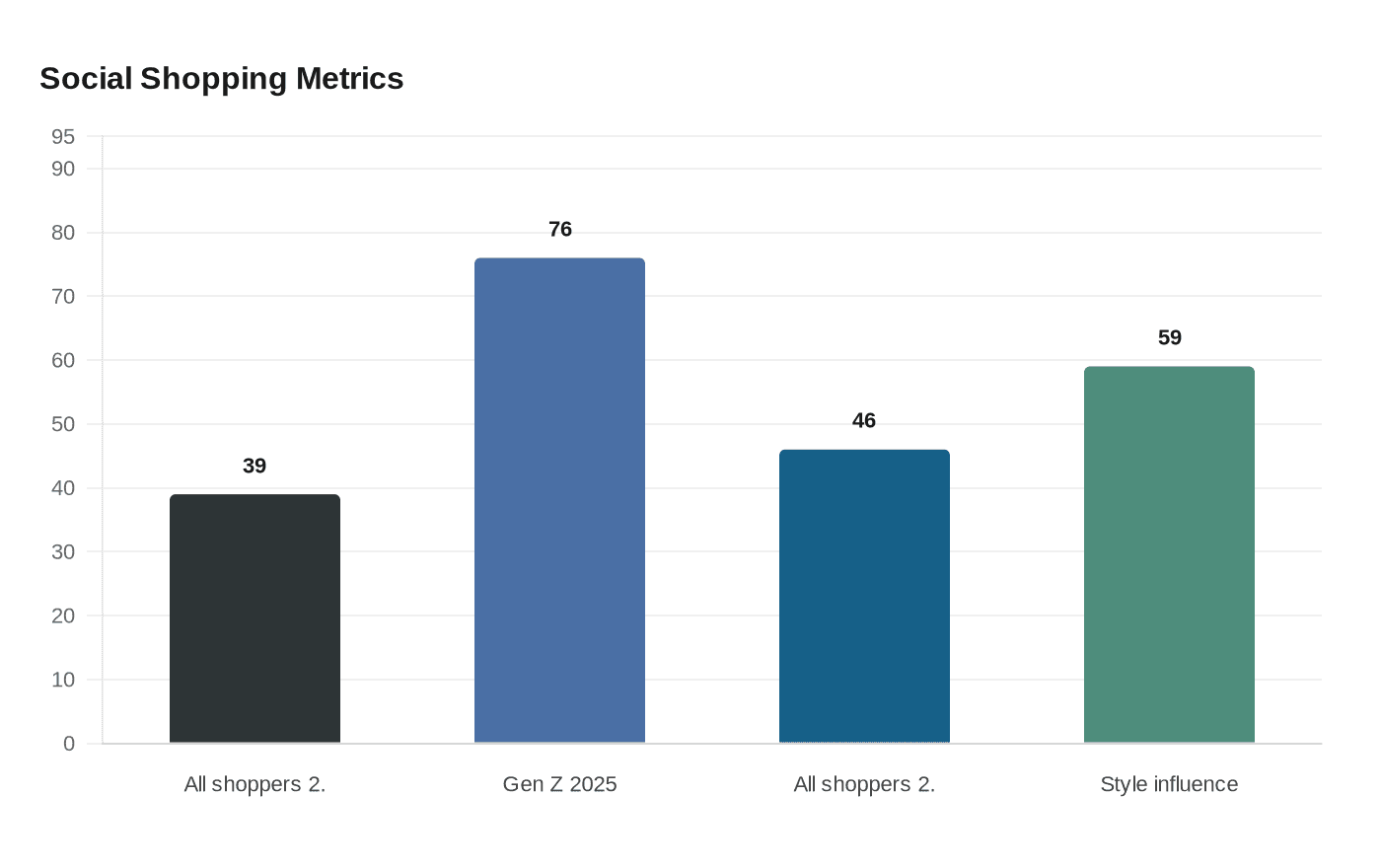
That shift matters because Gen Z is not just browsing. Salesforce found that 39% of shoppers had already bought products on social media in 2025, while 76% of Gen Z had discovered products there. Across all shoppers, 53% now discover products through social platforms, up from 46% in 2023. And with Gen Z expected to command up to $9 trillion in global spending power by 2034, fashion brands are no longer designing for attention alone. They are designing for conversion.
What brands have to do differently
This new market rewards speed, clarity and a tight product story. A post has to do more than look good. It has to move the customer from curiosity to checkout without losing the mood that made the product desirable in the first place.
That changes how drops are built. Brands now need sharper product launches, shorter windows between tease and release, and creator strategies that feel native to the platform rather than bolted on afterward. The strongest pieces are the ones that look spontaneous on the feed but are engineered behind the scenes to convert fast, with product tagging, live selling and checkout paths that feel frictionless from the first tap.
Checkout design matters too. If the purchase path feels clunky, the moment is gone. Social commerce now favors the brands that keep sizing, styling, payment and shipping information close to the content itself, because the customer is often shopping in the same breath that she discovers the piece.
TikTok made the social-to-sale loop explicit
TikTok turned this logic into a full commerce system when it launched TikTok Shop in the United States on September 12, 2023. The platform framed the rollout around shopping directly from in-feed videos and LIVE streams, with product showcase pages, an affiliate program, Shop Ads and secure checkout built into the app.
That matters in fashion because TikTok is not simply selling basics or beauty accessories. In July 2025, TikTok said a study of more than 3,000 luxury consumers across the United Kingdom, United States, France and Italy found that around two-thirds of first-time luxury buyers cited social media as their entry point. The same platform said 70% of its luxury audience had spent more than £1,000 on a single fashion item, which is the kind of number that should silence anyone still dismissing social shopping as a discount-channel habit.
The scale is already real. TikTok said its 2025 Black Friday and Cyber Monday campaign brought in nearly 50% more U.S. shoppers than the year before, with sales exceeding $500 million over four days. Livestream sellers posted 84% sales growth year over year during the campaign, proof that urgency, performance and purchase can now live in the same frame.
YouTube is building a different kind of shopping muscle
If TikTok is the flashpoint, YouTube is the longer game. In October 2025, YouTube said its shopping ecosystem report examined the top 5,000 most-purchased products in the first half of 2025, along with the top 1,000 videos by transaction on tagged products during a 60-day period. The finding that stands out most is not just scale, but style: 59% of Gen Z online respondents said their personal style had been influenced by content they saw online.
That is a more durable proposition for fashion than a quick hit of virality. YouTube’s shopping business had more than 500,000 creators enrolled globally as of July 2025, and gross merchandise value was up fivefold year over year. For brands, that suggests a commerce model built less around one-off hype and more around sustained creator-led education, styling demos and product discovery that matures into purchase over time.
The lesson is simple: TikTok can spark the buy, but YouTube can deepen the relationship. Fashion brands that ignore either one are leaving money on the table.
Meta’s retreat shows the race is not settled
Not every platform is committing equally to a fully closed loop. Meta began transitioning Facebook and Instagram Shops back to website-based checkout in June 2025, a reminder that social commerce is still being tested at the infrastructure level. The future is not one universal checkout model. It is a broader ecosystem built on creator-led discovery, platform-native product tagging and a faster handoff into purchase wherever the customer is most ready to buy.
For fashion, that means the winning strategy is less about betting everything on a single platform and more about understanding the role each channel plays. TikTok is the impulse engine. YouTube is the styling tutor. Instagram still matters for image and aspiration, even as checkout shifts outward. The strongest brands will treat social commerce as a system, not a feature.
How to read the new fashion landscape
The clearest sign of where fashion is headed is that the most effective content no longer separates inspiration from transaction. A sharp silhouette, a textured knit, a well-cut heel or a quietly luxe bag can now move from mood board to cart in seconds, if the platform, creator and product page are built correctly.
That is why product drops need tighter timing, creator strategy needs more precision, and checkout design needs to disappear into the experience. In the new fashion economy, speed is part of the aesthetic. The brands that understand that are not just selling more efficiently. They are learning how style now travels: one scroll, one tap, one purchase at a time.
This article was produced by Prism’s automated news system from verified source data, official records, and press releases, then run through automated quality and moderation checks before publishing. The system is built and supervised by the people who set the standards it runs under. Read our full AI policy.
Did this article answer your question?


