Dutch watchdog probes fashion brands over misleading ethical claims
Dutch groups pushed the ACM to scrutinize brands that sell worker welfare through audits they say are too unreliable to prove anything.
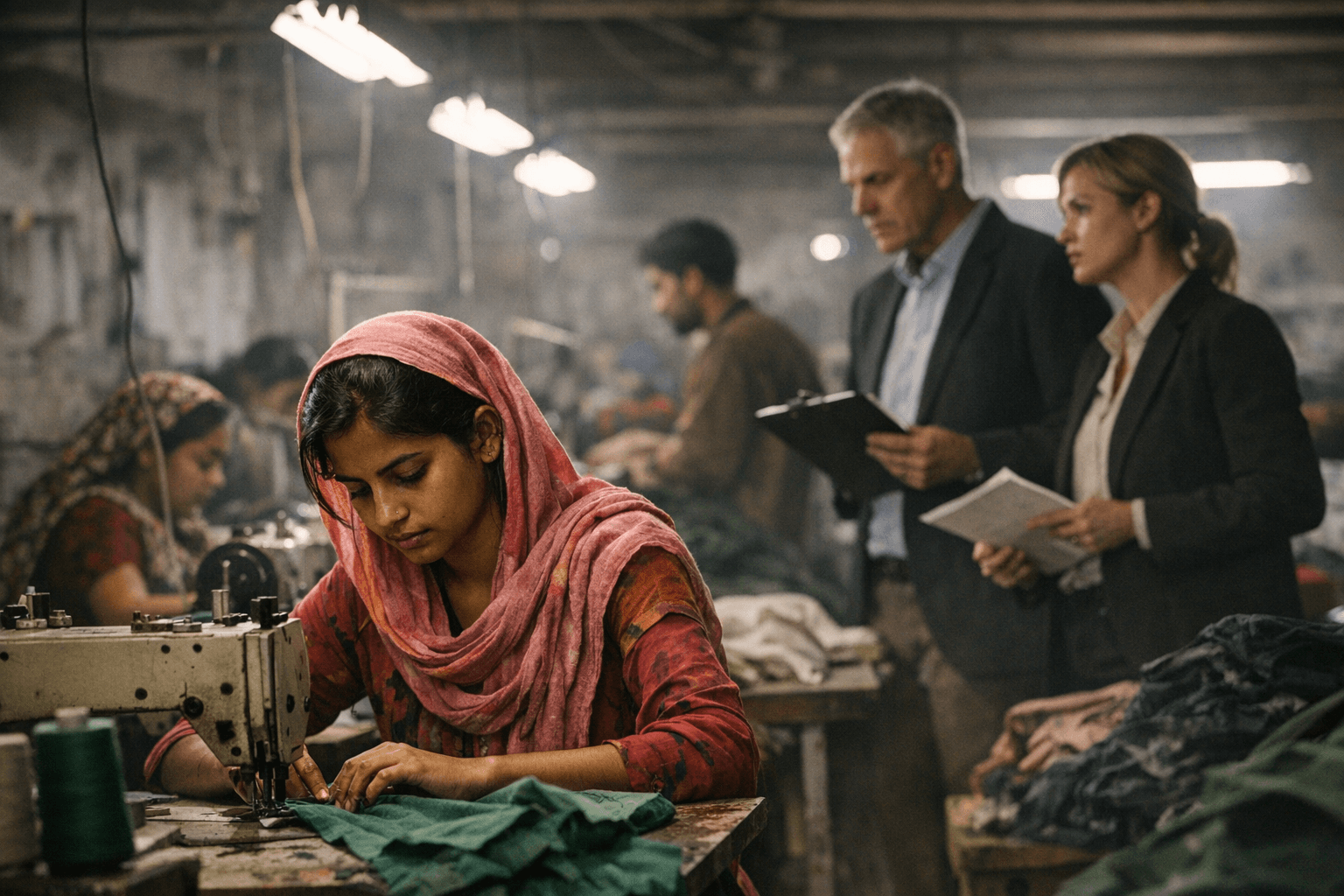
The Netherlands’ consumer watchdog stepped into fashion’s ethics problem as a consumer-protection issue, not just a branding dispute. The Netherlands Authority for Consumers and Markets agreed to examine how fashion brands use social washing, after Dutch groups said too many worker-welfare promises rest on weak audits and glossy language.
SOMO, the Dutch consumers’ association Consumentenbond and Clean Clothes Campaign said they had reviewed ads and statements from dozens of clothing brands across online stores, social media and websites. Their complaint lands at the center of a fast-growing fault line in fashion: brands have spent years polishing ethical credentials with words like responsible, sustainable and fair, while the evidence behind those claims often depends on commercial audit firms that labor advocates say miss the real conditions inside factories.
ACM, the independent regulator charged with protecting consumer interests and fair competition, has already shown it is willing to treat fashion sustainability claims as an enforcement issue. It previously launched investigations into misleading sustainability claims in clothes, energy and dairy, and said it contacted more than 170 businesses during that wider sweep. In clothing alone, it has already reached binding commitment decisions with H&M and Decathlon, requiring both companies to adjust how they present sustainability claims so consumers are not misled.
The new push goes further. SOMO says the watchdog agreed to investigate how social washing can be tackled, a term the groups use for the way audits and certifications can create a misleading impression of responsible production. That is a sharper accusation than standard greenwashing. It argues that a brand can look compliant on paper while the supply chain beneath it remains opaque, unstable and hard to police.
Clean Clothes Campaign has been making that case for years. Its 2019 report Fig Leaf for Fashion argued that corporate-controlled auditing can protect brands while failing workers. SOMO’s work on garment and textiles points to hidden subcontracting, short lead times and unstable supplier relationships as conditions that keep labor-rights violations alive, even when factories carry the right paperwork.
For fashion, the stakes are immediate. A neat badge on a product page may still travel farther than the truth, but Dutch regulators are now pressing brands to prove that their ethical language survives contact with the supply chain. In this new front of accountability, a soft-spoken sustainability claim will not be enough unless it can withstand scrutiny.
Know something we missed? Have a correction or additional information?
Submit a Tip