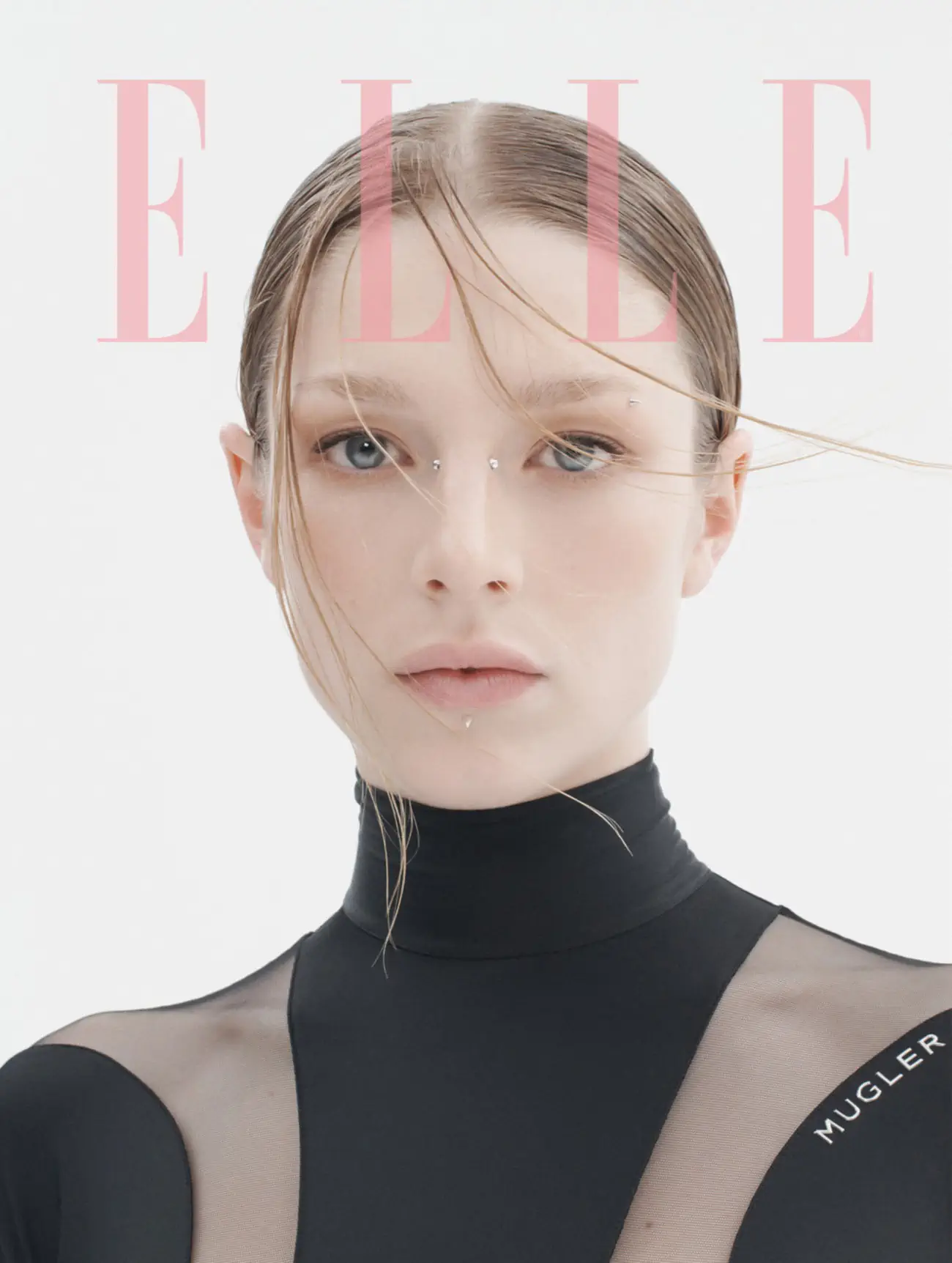
ELLE rounds up April’s biggest fashion launches and campaign moments
April’s fashion story was a reset, not a replay: collaborations, category jumps, and the LVMH Prize showed where the market is moving next.
April did not belong to a single breakout item. It belonged to brands making sharper, more strategic bets, the kind that tell you where fashion wants to go next, not just what it wants you to click today.
ELLE’s April launches roundup captured that shift neatly. Published on April 24 and surfacing again at the end of the month, it read less like a scattershot list of drops and more like a snapshot of a market in motion. A separate jewelry roundup landed the day before, which made the editorial message unmistakable: April was being parsed category by category, with each lane getting its own moment in the sun.
The real story was not quantity, but direction
What made the month feel consequential was the mix of familiar names and new territory. Brands were not simply releasing product for the sake of release; they were using April to clarify identity. Some leaned on celebrity alliances, some widened into new categories, and others used collaboration to make a stronger case for their aesthetic world.
That is why the most interesting launches were the ones that said something specific. A good fashion drop should do at least one of three things: sharpen a brand’s point of view, widen its audience, or give shoppers a new way into the label. April’s strongest moves did all three.
Collaborations still work, but only when they change the register
La Ligne understood the assignment. Its 10th-anniversary capsule with Connie Britton had the right kind of recognizable polish, because Britton carries a certain ease that feels lived-in rather than overly styled. The separate capsule with stylist Erin Walsh pushed the same brand in a different direction, into the kind of insider-led, outfit-building territory that fashion readers notice immediately.
That is the real power of a smart collaboration: it does not just add a famous name, it reframes the clothes. La Ligne’s moves suggest a label comfortable speaking to women who want clothes that feel pulled together without looking precious. In a crowded market, that kind of clarity matters more than another generic celebrity logo moment.
The same logic applied to FARM Rio x Rip Curl. Tropical print and surf culture are not strangers, but together they create a useful summer hybrid, equal parts vacation mood and functional gear. It is a reminder that collaboration is no longer just about surprise. The best ones now bridge categories that people already wear in overlapping lives, from beach to city to weekend escape.
Then there was Stella McCartney x H&M, a pairing that lands because both names are so legible. Stella McCartney brings a designer point of view that signals polish and modernity; H&M brings reach. Together they turn a luxury-coded aesthetic into something more accessible, which is still one of fashion’s most effective commercial equations. The collaboration says as much about pricing strategy as style: brands still want the halo of high fashion, but they also want the volume that comes from a lower entry point.
The smartest launches were the ones that moved beyond clothing
If collaborations were about widening the audience, category expansion was about widening the brand universe. Guizio’s first handbags were a particularly telling move. Handbags are not a casual add-on; they are a serious signal that a label wants to live beyond tops, dresses, and the seasonal churn of ready-to-wear. The category carries more daily visibility and often more staying power, which is exactly why fashion brands keep heading there once they have established an audience.
STAUD’s homeware debut pushed the idea even further. Home is not just a side project anymore for fashion labels that have built a distinct visual identity. It is a way to translate style into the spaces customers inhabit every day, from the sofa to the table to the shelf. When that translation works, a brand stops being a clothing label and starts becoming a lifestyle code.
That is the bigger market pattern hiding inside April’s launches. The brands that mattered most were the ones that made themselves easier to understand in a single glance. A bag, a home object, a collaboration with a clear styling point of view, these are all ways of saying the same thing: we know who we are, and we know where you might want to wear us, carry us, or live with us.
Celebrity influence worked best when it served the clothes
April also showed that celebrity still has pull, but only when it feels aligned with the product. Connie Britton is not a stunt cast. She brings a kind of understated credibility that makes a polished capsule feel believable. Erin Walsh, meanwhile, is a stylist with enough fashion authority to make her name part of the design language rather than just a marketing garnish.
That distinction matters. Readers are quick to spot when a famous face is attached to a launch for noise alone. What cuts through is a partnership that gives useful style cues: how the clothes should feel, where they belong in real life, and what kind of wardrobe they build around. In other words, the best celebrity moments in fashion now function less like tabloids and more like styling notes.
The most important luxury signal was the talent race
The other big story sitting beside all these launches was the 2026 LVMH Prize. LVMH said more than 2,400 candidates applied worldwide, 20 young fashion houses were selected for the semifinal, and nine finalists were announced on April 24. The final is set for September 4 at Fondation Louis Vuitton in Paris, with a 400,000-euro cash prize on the line.
That matters because the prize turns April from a shopping month into a forecasting month. While brands were unveiling capsules and expansion categories, luxury was also narrowing its gaze to the designers who could shape its next cycle. The sheer volume of applications tells you how crowded the field is; the nine finalists tell you how selective the future is likely to be.
So the larger lesson from April is not that fashion was busy. Fashion is always busy. The real story is that brands were choosing better ways to compete: through collaborations with actual point of view, through category moves that extend a brand’s life, and through talent pipelines that point toward the next luxury order. That is the kind of fashion news that matters after the scroll has stopped.
This article was produced by Prism’s automated news system from verified source data, official records, and press releases, then run through automated quality and moderation checks before publishing. The system is built and supervised by the people who set the standards it runs under. Read our full AI policy.
Did this article answer your question?


