Fall 2026 runway trends favor real clothes, full looks, and faux fur
Fall 2026’s sharpest clothes look less like costume and more like a closet upgrade. W’s read is clear: wearability, mixing, and faux fur are the new luxury signals.
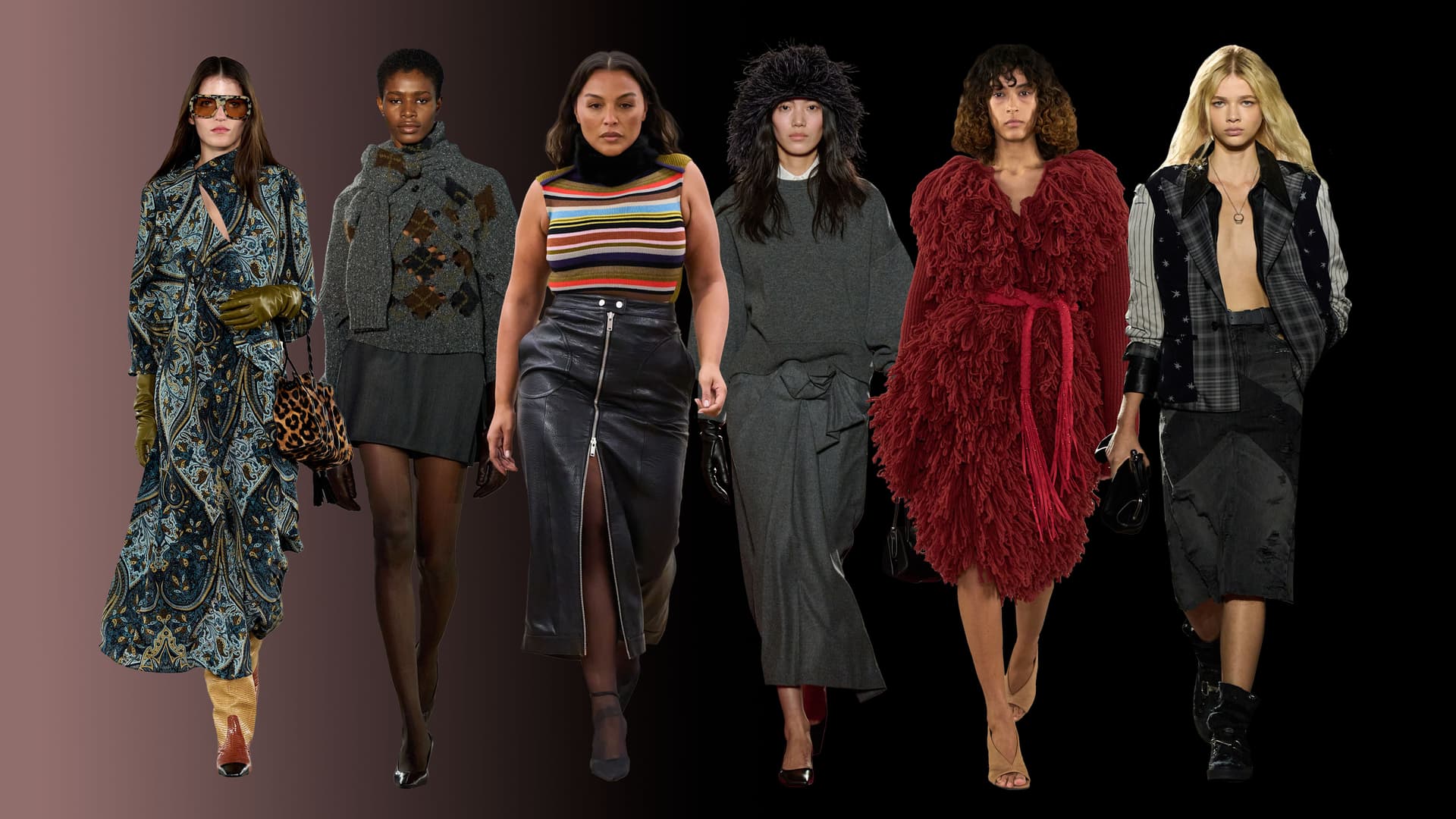
The season’s new luxury is utility
Fall 2026 did not sell fantasy for fantasy’s sake. The strongest clothes from New York, London, Milan, and Paris looked built for actual life, with enough polish to feel expensive and enough ease to feel repeatable. W’s April 3 roundup lands on a simple truth: fashion is increasingly rewarding the pieces you can wear five ways, not just the ones that look good for five minutes.
That shift matters because it changes how luxury reads now. Instead of insisting on head-to-toe drama, the season made a case for clothes that can slip into a real wardrobe and immediately do work.
Wardrobe dressing is the season’s quiet power move
One of the clearest ideas on the runways was wardrobe dressing, the kind of dressing that feels like building a better closet one excellent piece at a time. W tied that instinct to Alaïa, Celine, Loro Piana, and Ralph Lauren, labels that already understand the appeal of clothes with structure, restraint, and staying power.
This is not minimalism in its sterile, corporate form. It is the more persuasive version: a cream knit, a sharp trouser, a leather coat, a skirt that works with boots and flats alike. The point is not to empty out the wardrobe, but to make every new purchase earn its place.
Pieter Mulier’s Alaïa set the tone with “real clothes”
Pieter Mulier gave that idea a blunt, memorable shape at Alaïa when he said his goal for his final collection was to create “real clothes.” That phrase cuts through a season that could easily have tilted into conceptual fashion theater. Instead, it framed the collection around garments that can be worn, not merely admired.
It also explains why Alaïa resonated so strongly in a season obsessed with practicality. Real clothes, when they are done well, are not boring. They are the kind you reach for again because the cut is right, the fabric is rich, and the silhouette makes sense the second it lands on your body.
Prada turned layering into a visual argument
Prada made the wardrobe idea literal. W noted that the house sent 15 models repeatedly circling the runway, removing layers each time, as if the collection were demonstrating how one look could be edited into many. It was fashion as construction lesson, and the message was clear: clothes should transform, not just present.
That matters because layering is one of the fastest ways to stretch cost-per-wear. A shirt under a knit, a coat over a blazer, a skirt over trousers, these are not stylistic gimmicks in a season like this. They are the mechanics of making one purchase behave like three.
Full looks came back with real force
On the other side of the wardrobe conversation, Chanel, Tom Ford, and Celine leaned hard into full-look dressing. W’s point was not that these collections were theatrical for their own sake, but that they arrived as complete statements, with pieces designed to live together rather than fight for attention.
That matters for readers because a full look can remove the guesswork. If the proportions, textures, and tones are locked in from the start, the result feels instantly styled without requiring a marathon of tinkering. It is the fashion equivalent of a good recipe: the ingredients already know each other.
Matthieu Blazy’s Chanel showed how fast a clear point of view can land
Chanel’s new direction under Matthieu Blazy had another sign of cultural pull: W said the collection sold out the day it hit stores. That is not just a runway win, it is a retail signal, and a rare one at that. It suggests that clarity still beats noise when a house lands on a silhouette or styling idea people can actually imagine wearing.
Blazy’s Chanel helped make the case for full looks as more than editorial flourish. When a collection feels complete enough to buy as shown, it tells shoppers that styling is part of the value, not an extra burden.
Faux mink gave the season its most tactile kind of status
Faux-fur and minklike outerwear were everywhere, and the effect was less costume than texture. The low-pile fur moment noted in Milan coverage gave the category a sleeker, more wearable edge, closer to plush than to old-school glamour. It feels modern because it reads as indulgent without looking oversized or precious.
That is exactly why faux mink has legs. It gives you the plush visual hit of fur with a cleaner finish that works over denim, tailoring, and evening clothes alike. In cost-per-wear terms, it is the outer layer that can move between dinner, office, and weekend without asking for a special occasion.
Thrift-driven mixing made new clothes look already lived in
W’s best examples of thrift-driven mixing came from Meryll Rogge’s first Marni outing and Conner Ives’s latest collection, both of which felt as if they had been sourced directly from London charity shops. That aesthetic carries a strong emotional pull because it suggests history, accident, and personality, not just purchase power.
The appeal is practical too. Mixing thrift references into a newer wardrobe makes everything feel more individual, and it often softens the pressure to buy a full set. One well-chosen vintage-feeling piece can refresh a whole rotation of modern basics.
Charity-shop energy is becoming a luxury code
What used to read as scrappy now reads as taste. The way Meryll Rogge and Conner Ives handled that charity-shop sensibility showed how secondhand cues can be translated into polished design without losing their charm. It is not about looking poor or precious; it is about looking resourceful.
That shift says a lot about where luxury is headed. A sweater that looks found, a coat that feels inherited, a print that seems rescued from another decade, these details now signal discernment as much as expense. The new polish is less pristine and more personal.
Material-forward fabrics are the new headline act
Another major thread was material-driven dressing, where the fabric itself becomes the point. Instead of relying on overt styling tricks, these collections asked the viewer to notice the hand of a wool, the gloss of a leather, the softness of a fur-like finish, or the weight of a tailored cloth. In a crowded market, that kind of tactile difference is what makes a garment feel worth the price.
This is also where longevity starts to feel luxurious. Fabrics that look sturdy, rich, and convincingly made do more than survive trends. They justify themselves every time you reach for them.
Wearability is the season’s strongest selling point
The most persuasive thing about fall 2026 is how unflashy its ambition really is. W’s reading was that the story was less about fully styled head-to-toe fashion and more about key items that can be mixed into a closet and lived in. That is a meaningful correction after years of hyper-personal branding and look-at-me fashion noise.
For the reader, this translates into smarter shopping. A coat that works with straight-leg jeans, a skirt that can be styled three ways, a knit that feels right under tailoring and alone, these are the clothes that stretch a budget and still look considered.
New York set the pace before the season widened out
Fashion month for fall and winter 2026 officially began in New York on February 11, then moved through London, Milan, and Paris. W reported 52 shows and 46 presentations in New York alone, a dense opening that helped establish the season’s practical mood before the conversation expanded across Europe.
That scale matters because the message was not confined to one city or one designer camp. By the time the season had moved from New York to Paris, the same instincts kept surfacing: clothes that mix, layer, and last.
The debuts added momentum, not distraction
The season’s new names gave the trend story extra weight. L’Officiel USA pointed to Rachel Scott’s official debut at Proenza Schouler and Antonin Tron’s first collection for Balmain as two of the fall 2026 moments that sharpened the sense of change. When a season is this full of debuts, it can easily feel fragmented; instead, these introductions reinforced the larger drift toward clarity.
That is the interesting part. The newcomers did not derail the conversation about practicality, they helped define it. Fresh leadership often reveals what the market is ready to accept.
The market backdrop makes the mood make sense
This push toward grounded luxury is not happening in a vacuum. Business of Fashion’s State of Fashion 2026 report said 46% of executives expected industry conditions to worsen in 2026, which helps explain why commercially wearable fashion is resonating so strongly. When the mood is cautious, clothes with obvious longevity and broad styling range become more than a design preference, they become a sales argument.
That is why fall 2026 feels bigger than a trend cycle. It looks like fashion repackaging sustainability, longevity, and thrift intelligence as the new face of luxury, and doing it in a language shoppers already understand: wear it often, mix it freely, and let the fabric do part of the talking.
This article was produced by Prism’s automated news system from verified source data, official records, and press releases, then run through automated quality and moderation checks before publishing. The system is built and supervised by the people who set the standards it runs under. Read our full AI policy.
Did this article answer your question?


