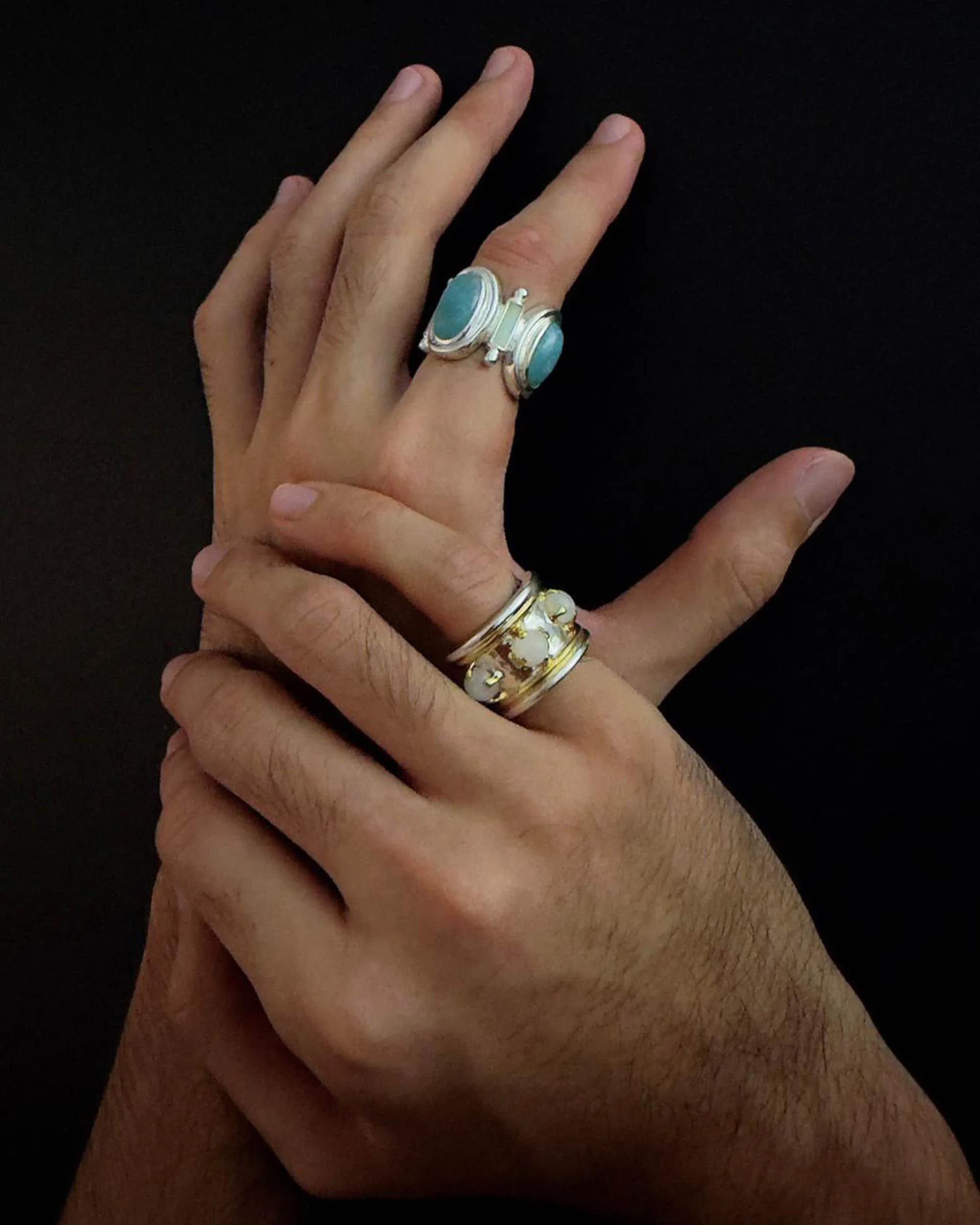
Formula 1 paddock becomes fashion's favorite runway, powered by LVMH
Formula 1 is no longer just a race calendar, it is luxury culture in motion, with LVMH, celebrity style and beauty brands turning the paddock into a front row.
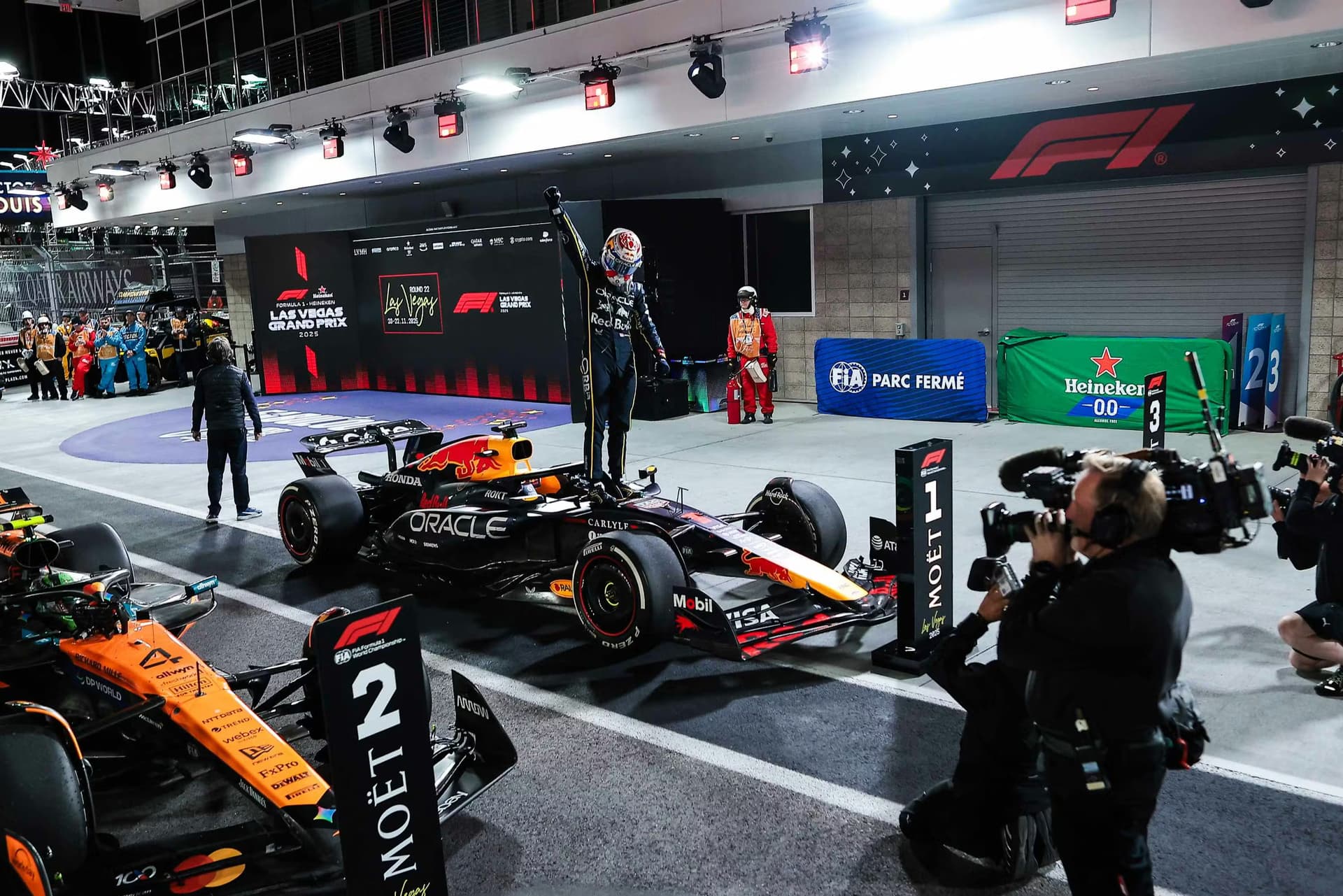
The paddock has become fashion’s most persuasive stage: a place where the race weekend now looks as choreographed as a luxury campaign, and every arrival feels styled for the flash. ELLE Canada gets the mood exactly right when it treats Formula 1 as the fashion set’s favorite runway in sports, because the appeal is no longer just speed. It is access, image, and the thrill of seeing celebrity, brand hospitality, and athlete style collide in one highly photographed strip of asphalt.
The paddock’s new dress code
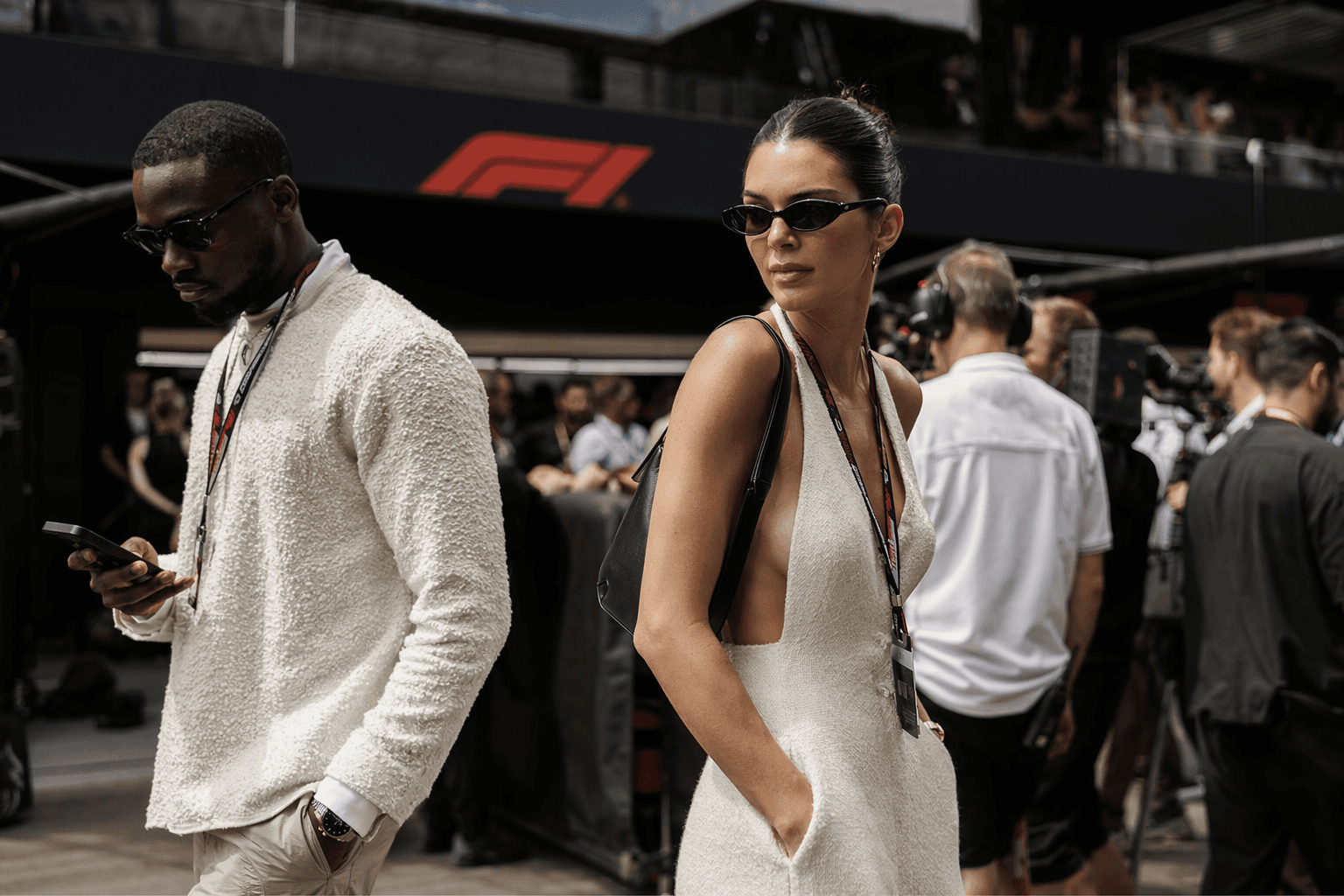
What makes Formula 1 so magnetic to fashion is the way it turns spectatorship into performance. The barriers, garages, and hospitality suites have become a roaming front row, where celebrities are photographed like campaign subjects and drivers are dressed like modern brand ambassadors. Rihanna, Hailey Bieber, and Beyoncé have all been part of the visual conversation around F1 weekends, helping push the sport into the same cultural lane as fashion month.
The look that wins here is polished but not overworked. Think sleek outerwear, sharp sunglasses, technical fabrics, and a sense of ease that still reads expensive under camera flash. The mistake is to lean too hard into novelty and end up looking like you bought your outfit in the gift shop.
Why luxury attached itself now
The commercial signal is impossible to miss. Formula 1 announced a 10-year global partnership with LVMH beginning in 2025, the same year the sport marks its 75th anniversary. The deal brings together Louis Vuitton, Moët Hennessy, and TAG Heuer, which tells you everything about the scale of the ambition: this is not a branding exercise, it is a full luxury ecosystem moving into motorsport.
Louis Vuitton’s role is especially telling. The house became title partner of the 2025 Australian Grand Prix, and Formula 1 said the trackside signage was a first for Louis Vuitton at a sporting event. That is the kind of detail fashion people notice immediately, because it shows how far the sport has moved from sponsor patchwork toward a more deliberate luxury presentation.
Formula 1 has history here too. It has pointed to earlier fashion relationships with Benetton, Armani, and Nike, a reminder that the sport has long understood the value of style. What has changed is the volume, the polish, and the audience.
The celebrity circuit is doing the styling
Celebrity presence is the accelerant. At F1 events, the cameras do not just follow the cars; they follow the people who make the weekend feel culturally current. The sport’s most stylish faces have become part of its identity, and the industry has noticed how quickly a paddock appearance can travel across social media and fashion coverage.
Lewis Hamilton sits at the center of that shift. Formula 1 said in late 2024 that drivers including Hamilton, Max Verstappen, Lando Norris, and Charles Leclerc are appearing in fashion magazines, but Hamilton is the one who has crossed most decisively into fashion’s inner circle. His role as a 2025 Met Gala co-chair cemented what has already been obvious for several seasons: he is not simply a driver with good style, he is a fashion figure in his own right.
That matters because F1 no longer borrows prestige from fashion by accident. It now recruits it deliberately, and Hamilton has become one of the sport’s clearest examples of how an athlete can extend a brand story far beyond the track.
Streetwear, not just luxury, keeps the sport broad
The fashion opportunity in Formula 1 is not only high jewelry and couture-adjacent dressing. Pacsun renewed its licensing partnership with Formula 1 in December 2024, building on a relationship that began in 2022. That partnership matters because it brings the sport into a more accessible wardrobe, one that speaks to younger fans and the streetwear customer as much as the luxury shopper.
Formula 1 said it has more than 45 million fans in the United States, with American TV viewership up 89% since 2018. Those numbers explain why a youth-driven retailer would want in. F1 is not just a prestige play anymore; it is a mainstream fashion business with a fan base large enough to support both premium and mass-market expressions.
For readers, that means the best F1-inspired pieces are the ones that feel clean and directional rather than costume-like. A well-cut bomber, a logo tee worn under a tailored coat, or a sporty watch with real design credibility will look more current than obvious racing graphics head-to-toe.
Beauty has joined the grid too
The fashion story extends into beauty, and that is where the audience data becomes especially revealing. F1 Academy announced Charlotte Tilbury as an Official Partner in February 2024, and the brand described the deal as its first global sports sponsorship and the first by a female-founded beauty brand in the series. That is a notable move because it places motorsport squarely inside the beauty economy, not just the apparel conversation.
Nielsen Sports data cited in late 2024 said Formula 1’s global fanbase had reached 750 million. The same data said women account for 41% of fans, and women aged 16 to 24 are the fastest-growing segment. That is the real reason beauty brands, fashion houses, and streetwear labels are paying attention. The sport’s audience is broad, young, and increasingly female, which makes the paddock feel less like a niche and more like a live test case for modern luxury marketing.
What to wear, and what to skip
If you want the Formula 1 look to work in real life, keep it sharp and selective.
- Wear one motorsport reference, not five. A racing stripe, a structured jacket, or a sleek logo is enough.
- Wear tailored pieces with movement. The best paddock style always looks ready for a camera turn.
- Wear polished accessories, especially sunglasses and watches, because the look lives in the details.
- Skip head-to-toe novelty graphics. They flatten the outfit into merch.
- Skip anything that feels like cosplay. The goal is front row energy, not costume drama.
The bigger picture
Formula 1 has become fashion’s favorite runway because it offers everything the industry wants at once: glamour, speed, celebrity, corporate muscle, and a globally visible audience that keeps growing. Between LVMH’s 10-year commitment, Louis Vuitton’s unprecedented trackside presence, Hamilton’s fashion authority, Pacsun’s youth angle, and Charlotte Tilbury’s beauty foothold, the paddock now functions as a cultural showroom.
Fashion did not simply arrive at Formula 1. It found a stage that already knew how to perform, then helped turn the whole circuit into luxury culture with a better soundtrack and a far better dress code.
Know something we missed? Have a correction or additional information?
Submit a Tip