From Lanvin to Lilly Pulitzer, Mother-Daughter Dressing Endures
Mother-daughter dressing keeps returning because it sells instant polish, easy recognition, and nostalgia. Lanvin and Lilly Pulitzer built the template.
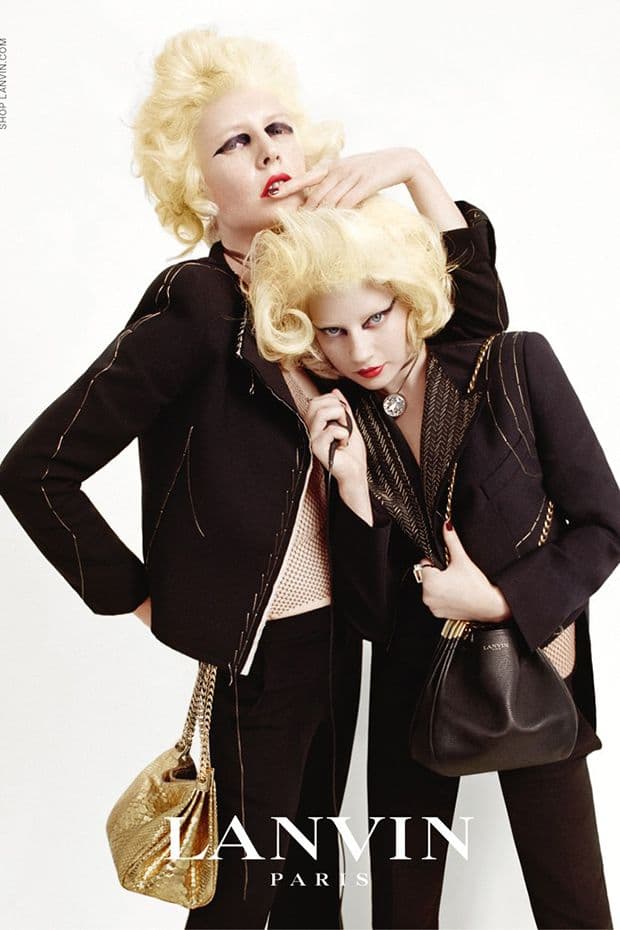
The blueprint was never cute, it was clever
Mother-daughter dressing never really disappears. It just changes fabric, price point, and attitude, then comes back looking newly relevant. The core appeal is brutally simple: one idea, two wardrobes, instant visual impact. That is why the format has survived from couture salons to resort lawns, and why the modern mini-me moment keeps getting retooled instead of replaced.
Jeanne Lanvin set the whole thing in motion in Paris, where she was born on January 1, 1867 and began working as a milliner at 13. After the birth of her only child, Marguerite, on August 31, 1897, Lanvin turned the mother-daughter bond into a design language. She created clothing for Marguerite, then a children’s line, then perfume inspired by her daughter, and later used the relationship as the basis for the house logo, drawn by Art Deco illustrator Paul Iribe as a woman and child. That is the real origin story here: not sentiment, but branding so sharp it still reads.
WWD first flagged the category in 1919 with “Children’s Models From the Rue de la Paix,” and the framing still makes sense now. Lanvin’s version of mother-daughter dressing was never limited to dresses, either. It spread into pajamas, undergarments, shoes, jewelry, and accessories, which tells you everything about the commercial logic. Once a look can live across categories, it stops being a novelty and starts becoming a business.
How the look moved from couture to everyday life
By the 1930s, the idea had left the rarefied world of Paris and started working the room in New York and beyond. Fashion shows at The Plaza hotel, along with presentations in other cities, gave mother-daughter dressing a broader social stage. Department stores and boutiques pushed sailor-collared looks and gingham for everything from daily wear to holidays and Mother’s Day, which is exactly where this category becomes powerful: it sells a shared image of family without requiring a single complicated styling move.
That is also why it keeps resurfacing. The matchy-matchy impulse can feel formal, playful, patriotic, nostalgic, or frankly aspirational depending on how it is cut and sold. A crisp collar and a checked cotton can read wholesome; the same formula in silk or embroidery can look expensive enough for a society page. The category has always been elastic, which is the secret to its survival.
Lanvin’s own house history keeps that intimacy central. It notes that the brand logo came from the mother-child bond, and that Arpège, launched in 1927, was a birthday present for Marguerite after she became Countess Marie-Blanche de Polignac. That detail matters because it shows how the lineage was built into the brand’s DNA, not appended later as a marketing garnish. Lanvin did not merely reference family. She made it part of the house architecture.
Lilly Pulitzer gave the idea a louder, brighter life
Then Lilly Pulitzer came along and dragged the category into the sun. In the 1950s, after moving to Palm Beach, she opened an orange juice stand and designed a dress to hide the stains. That practical fix became the first shift dress, and suddenly mother-daughter dressing had a new tone: not Parisian romance, but American leisure with a candy-colored grin.
Pulitzer’s hallmark prints, shown on simple shift dresses and linens, breathed new life into the idea in 1950. The clothes were easy to understand and easy to wear, which is part of why they traveled so well beyond Palm Beach. From 1962 to 1985, Key West Hand Print Fabrics was a treasured partner, reinforcing the brand’s identity through vivid color and repeatable print language. You could spot a Lilly from across the room, which is the dream of any commercial fashion system.
Jackie Kennedy Onassis helped turn that visibility into a phenomenon after appearing in a Lilly on the cover of Life Magazine. Lilly herself said the brand took off like “ZINGO,” and that sounds exactly right, because the look landed with the kind of force that only happens when celebrity, silhouette, and mood line up perfectly. Smithsonian notes that Pulitzer died at 81 in April 2013, and that from the 1960s through the 1980s her dresses were worn by Jacqueline Kennedy Onassis, Wendy Vanderbilt Lehman, and others chasing that same easy, sun-soaked polish.
Why coordinated dressing keeps selling
The staying power of mother-daughter dressing has less to do with nostalgia than with clarity. It is a marketable aesthetic because it communicates instantly. One glance and you know the relationship, the occasion, and the intended mood. That makes it gold for gifting, family events, resort dressing, holiday campaigns, and the endlessly photographable world of social media, where a coordinated image can travel farther than a single standout garment.
The category also works because it can scale. Lanvin’s version reached into dresses, pajamas, undergarments, shoes, jewelry, and accessories. Pulitzer’s version moved through shifts and linens, then into a broader lifestyle halo. When a trend can be sold as clothing, then as a feeling, then as a ritual, it lasts. The fashion industry loves anything that can be repeated without looking exactly repeated.
That said, the look only survives when it reinvents itself. WWD notes that enthusiasm for mother-daughter fashion waned by the 1990s, even as resort-inspired style stayed popular. That split is telling. People did not stop wanting the ease of the aesthetic. They just got tired of the most literal version of matching.
What modern mini-me dressing gets right
Today’s best versions understand the assignment without copying the old costume too hard. The point is not to dress a child like a miniature adult or to force exact twinsies. The smarter update keeps the family resemblance, then changes the proportion, fabric, or styling so it feels current rather than archival. Think shared prints, related palettes, the same crisp collar or sleeve shape, but with silhouettes that actually work for modern lives.
That is why the category keeps finding new buyers. It offers a polished shortcut without feeling cold, and it lets brands package intimacy as style. In 2024, Liza and Minnie Pulitzer honored their mother’s legacy with a special collection marking the brand’s 65th anniversary, which proves the formula still has commercial heat when it is handled with care. The best mother-daughter dressing now does what the old version always did at its peak: it turns connection into an image people want to wear, buy, and remember.
This article was produced by Prism’s automated news system from verified source data, official records, and press releases, then run through automated quality and moderation checks before publishing. The system is built and supervised by the people who set the standards it runs under. Read our full AI policy.
Did this article answer your question?


