Indian Quiet Luxury Elevates Handlooms, Chikankari, and Craft-Led Style
Indian quiet luxury is trading logos for handloom, chikankari, and craft detail. In India, restraint is becoming the clearest signal of taste.

The new status code is texture
The loudest luxury signal in India right now is the one you have to look twice to see. Handloom, chikankari, block prints, ikat, kalamkari, and Mangalagiri cotton are doing what logos used to do, only with more discretion and far more depth.
That shift matters because it is not just about aesthetics. It reflects a broader change in what wealth wants to look like: less conspicuous, more considered, and increasingly anchored in craft. In India, quiet luxury is being defined by handwork and heritage textiles, not by surface-level branding.
Why the mood changed
The timing is no accident. Bain & Company estimates that global luxury spending will reach nearly €1.5 trillion in 2024, but it also expects the personal luxury goods market to dip by about 2 percent to €363 billion. In a softer market, consumers are gravitating toward pieces that feel lasting and emotionally meaningful, while experiences continue to take priority over product for many buyers.
That global slowdown has sharpened the appeal of clothing that reads as investment rather than impulse. In India, where luxury demand is still being fueled by rising disposable incomes, changing tastes, and e-commerce growth, craft-led dressing offers a particularly persuasive answer. It feels cultured without being loud, rare without needing to shout.
What the new wardrobe looks like
This version of luxury is all about visible restraint. The surface may be clean, but the work is not: think a finely woven handloom sari, a kurta edged in delicate chikankari, or a block-printed piece whose appeal lies in the irregularity of the hand.
- Handloom fabrics with a firm, breathable drape
- Chikankari that reads light, precise, and almost airy on the skin
- Block prints and woven checks that show the human hand
- Fine embroidery placed sparingly, where it adds architecture rather than ornament
What to wear:
- Heavy logo placement that announces the label before the cloth
- Overworked embellishment that smothers the fabric
- Costume-like ethnic dressing that flattens craft into theme
What to skip:
The difference is subtle but powerful. The new marker of taste is not how much decoration you can pile on, but how well you understand weave, finish, and provenance.
Why chikankari still feels modern
Chikankari carries unusual weight in this conversation because it already comes with a story of refinement. The craft is deeply associated with Lucknow and Mughal-era patronage, with tradition linking it to Nur Jahan. Lucknow Chikan Craft is also a registered Geographical Indication product, which gives the technique a protected identity and reinforces its legitimacy as a regional luxury language.
That history is part of the appeal. Chikankari does not need reinvention to feel current. Its charm lies in precision, restraint, and the way it lets skin, silhouette, and shadow do the talking. In a market saturated with the obvious, that kind of quiet labor feels newly expensive.
The institutions behind the shift
This movement is also being supported at the policy level. The Ministry of Textiles says India was the world’s sixth-largest exporter of textiles and apparel in 2023, and textile and apparel exports including handicrafts accounted for 8.21 percent of India’s total exports in 2023-24. Those are not decorative numbers; they show that craft is not peripheral to the economy, it is part of the country’s industrial backbone.
Bharat Tex 2024 was positioned by Union Minister Piyush Goyal as a platform to showcase India’s full textile value chain, including fashion, traditional crafts, and manufacturing. At the same time, the Development Commissioner for Handlooms says its mandate includes market expansion, brand building, and design intervention, while the Development Commissioner for Handicrafts focuses on developing, marketing, exporting, and promoting craft skills. That institutional support gives the quiet luxury story real infrastructure.
The labels making craft feel desirable
The most convincing craft-led labels are not treating tradition as nostalgia. Hyderabad-based Kritikala is a good example, using ikat, kalamkari, and Mangalagiri cotton sourced from craft clusters in Telangana and Andhra Pradesh while supporting women artisans. The result is not folk costume; it is contemporary clothing with regional intelligence built in.
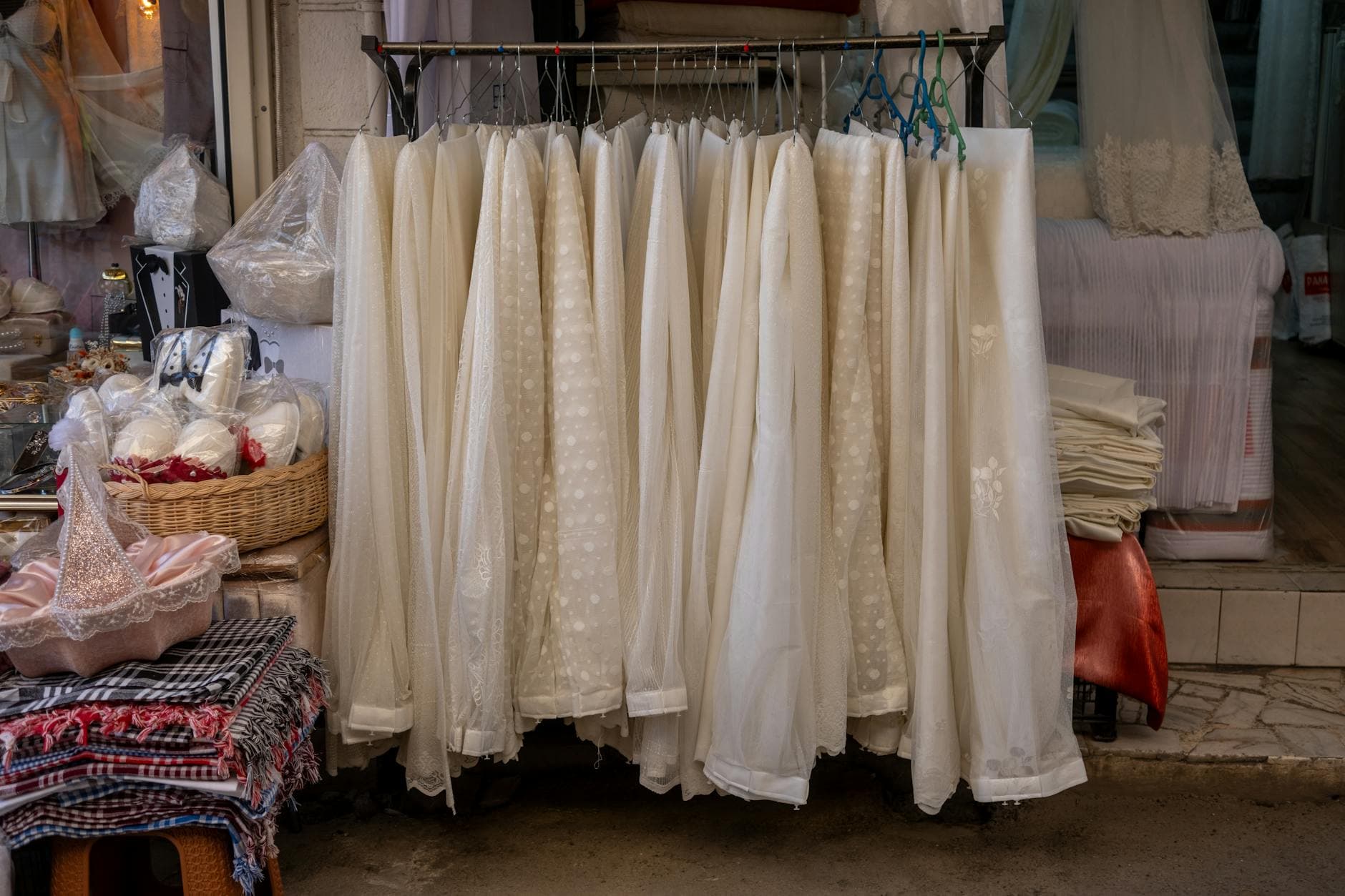
That distinction matters because modern luxury depends on edit and control. When a label can make craft feel sharp, wearable, and city-ready, it turns heritage into a language younger and more global buyers can adopt without feeling like they are dressing for a museum.
Designers and celebrity influence
The trend has also been strengthened by design voices such as Karishma Swali, whose work with fine embroideries and artisan training has been recognized by The Business of Fashion. Her influence points to a larger shift in how luxury credibility is earned. It is no longer only about what is rare, but about what preserves skill and passes it forward.
Celebrities have amplified that message by choosing restraint over flash, which helps regionally rooted craft travel farther. When a public figure wears a hand-finished textile or a restrained embroidered look, the garment stops reading as niche and starts reading as aspiration. That is how a local code becomes global: not by losing its identity, but by becoming legible as taste.
How to wear Indian quiet luxury now
The strongest way to approach this look is to let the fabric carry the story. A crisp handloom sari with minimal jewelry feels sharper than one overloaded with accessories. A chikankari kurta works best when the cut is clean and the palette is calm, so the embroidery can breathe.
- Pair handloom with polished leather or simple flats to keep it modern
- Choose one craft at a time, so the look feels intentional, not theatrical
- Let natural texture do the work, whether it is slubbed cotton, fine threadwork, or soft woven surfaces
Think in terms of tactility:
This is not the kind of luxury that needs to be explained in a logo-clad room. It is the kind that reveals itself in the weave, the hand, and the patience behind the piece.
The bigger story is that Indian quiet luxury is becoming a values shift. It rewards knowledge, craft, and restraint, and in a market where status is increasingly coded through discernment rather than display, that is the most powerful luxury signal of all.
This article was produced by Prism’s automated news system from verified source data, official records, and press releases, then run through automated quality and moderation checks before publishing. The system is built and supervised by the people who set the standards it runs under. Read our full AI policy.
Did this article answer your question?


