Lemaire Apologizes After China Backlash Over Braid Motif in Fragrance Campaign
Lemaire’s first fragrance campaign turned a braid motif into a China backlash fast enough to force removals, an apology, and a rethink of cultural review.

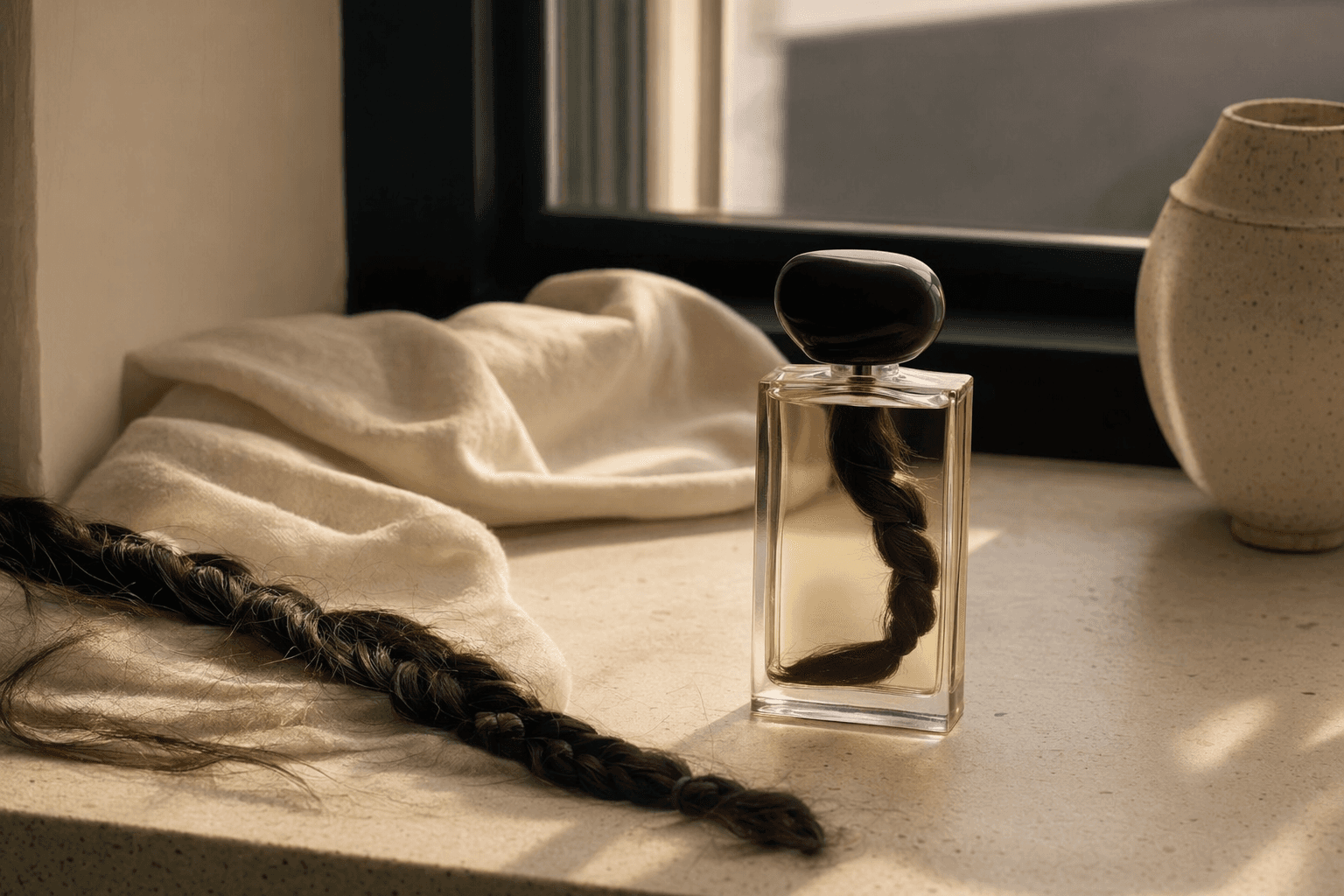
Lemaire learned the hard way that a beautiful object can still blow up if the symbolism lands wrong. Its first fragrance and home scent line, Objets Senteur, sparked criticism in China after campaign images for the Tresse diffuser, a handwoven linen piece in beige, brown and black, were read as echoing Qing-dynasty hair imagery.
The campaign’s visuals did not help. One image showed a model playing with a braid that Chinese users linked to the queue hairstyle associated with Qing rule and a long history of humiliation. Another placed the braided object beside scissors. A third hung it off a button-down shirt. That combination was enough to set off a fast, ugly reaction across Chinese social media, where users treated the imagery as not just careless, but historically loaded.
Lemaire apologized through its official Xiaohongshu account around 6 p.m. China time on April 26, saying it acknowledged concerns around the release and imagery of Tresse and would strengthen its internal cultural review processes. The brand also promised a more cautious, clear and respectful approach in future creative work. By then, the damage was already visible: related posts were removed from Xiaohongshu and Instagram, Instagram comments were disabled, and the visuals that were still sitting on Lemaire’s homepage as of April 25 were later replaced.
The backlash mattered because it hit at exactly the wrong moment for a brand that has spent years building momentum in Asia. Lemaire recently opened its largest-to-date flagship in Shanghai, a market that can reward a sharp point of view but punishes tone-deafness instantly. Chinese posts calling out the campaign had pulled in more than 11,000 likes across Xiaohongshu and TikTok at the time of publication, and one frustrated commenter, @crossingnote, said the brand should have hired a local Chinese consultant. That is the real lesson here: in China, visual language is part of the product, not just the packaging around it.
This was not Lemaire’s first brush with the same issue. The brand had already drawn unease in China over a Chinese New Year of the Horse bag that used braided horsehair, another example of how its restrained, tactile design vocabulary can slide into cultural risk when it crosses borders. Christophe Lemaire, Sarah-Linh Tran and the team around them have built a brand prized for texture, understatement and intellectual polish. But in global luxury now, those same qualities can backfire if a campaign reads as oblivious rather than elegant. For brands selling into China, the cost of a visual misread is no longer a whisper of criticism. It is a direct hit to desirability.
Know something we missed? Have a correction or additional information?
Submit a Tip

