Louvre Abu Dhabi and Dellaluna unveil a dome-inspired bag
Louvre Abu Dhabi has turned its dome into a €2,500 leather clutch with Dellaluna. The move pushes the museum’s brand into luxury accessories, not souvenirs.
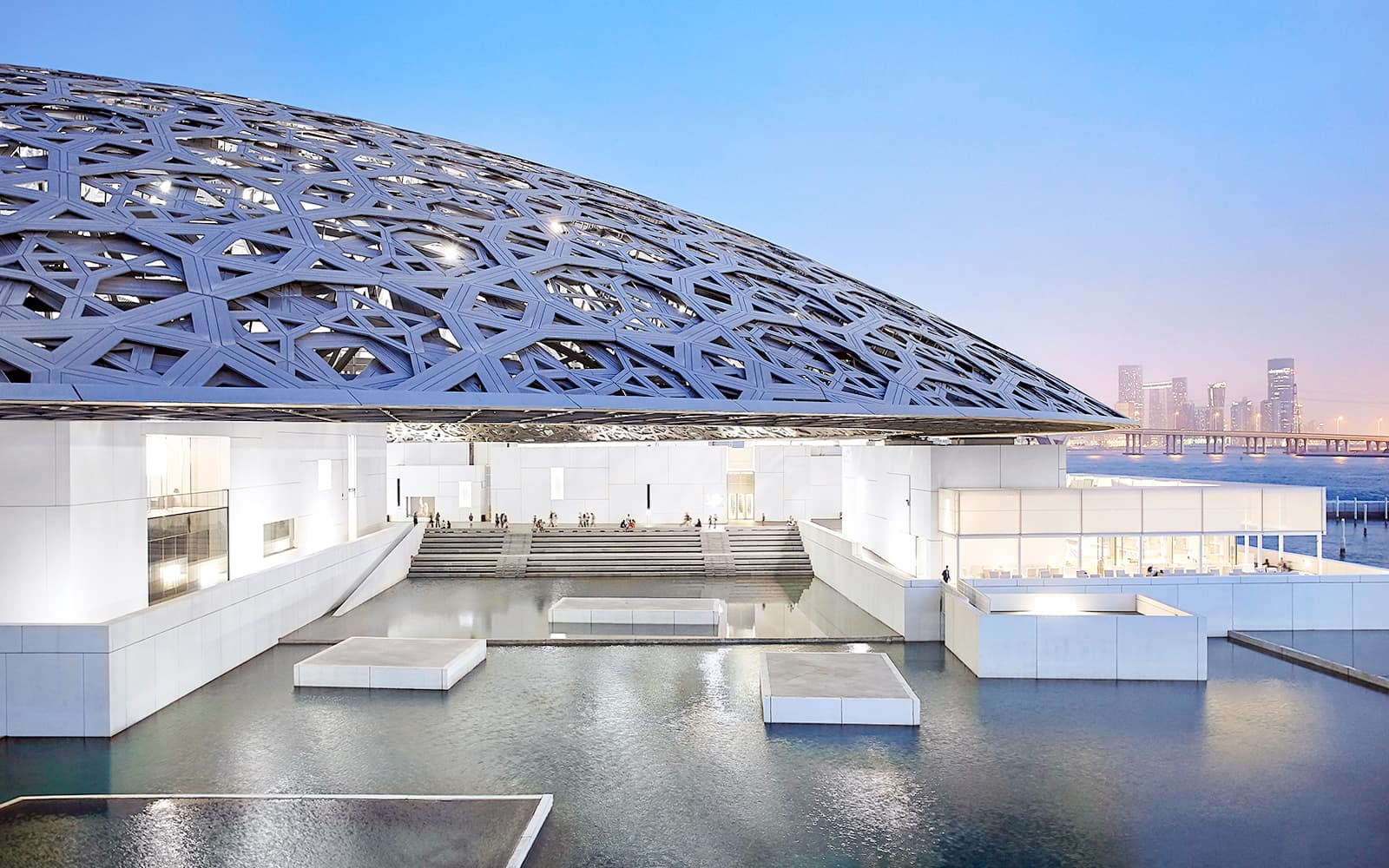
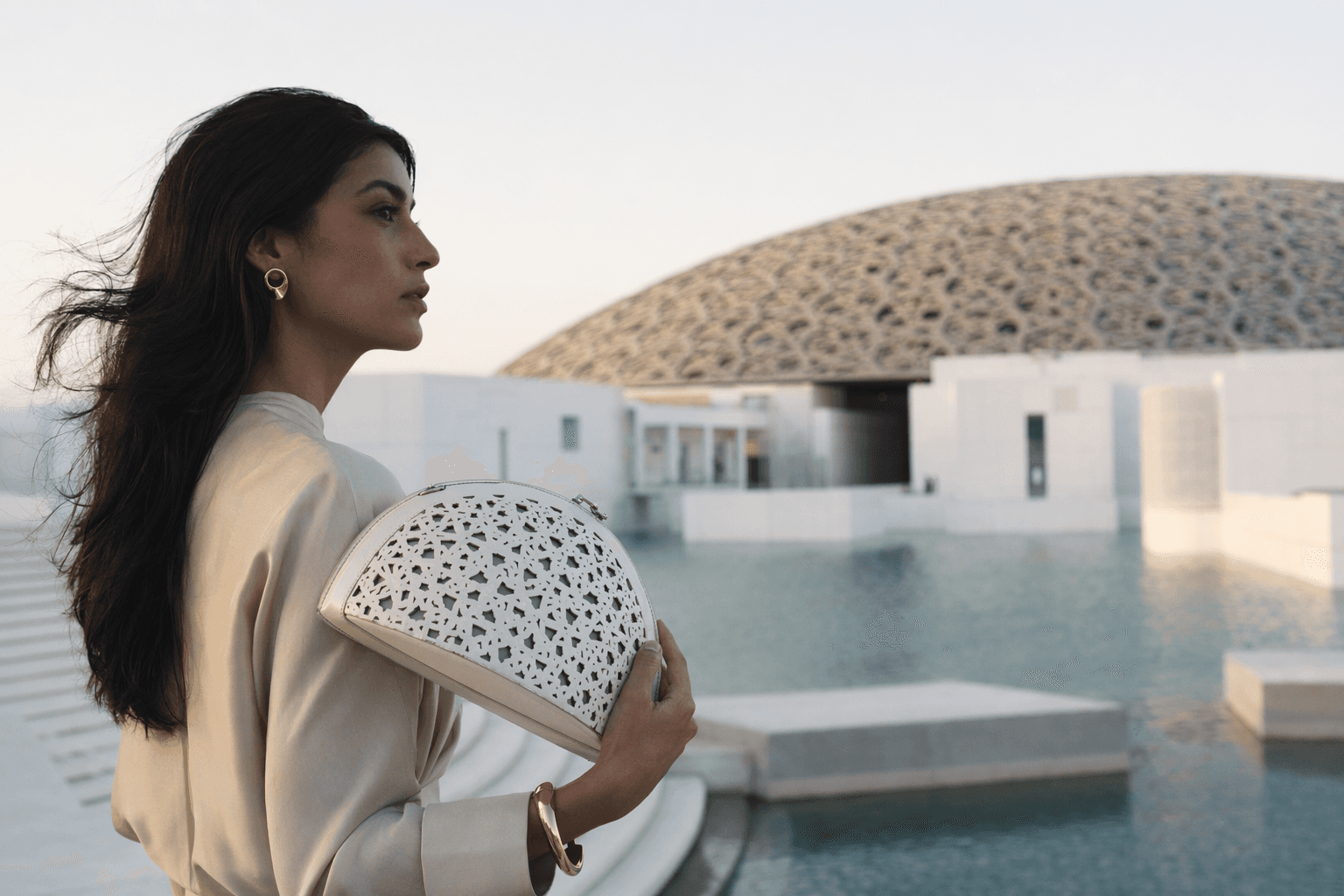
Louvre Abu Dhabi is making a clear fashion statement: this is not a souvenir shop exercise, but a bid to turn architecture, craft and cultural authority into a collectible object. Its first bag with Dellaluna, the Venetian luxury maker known for leather goods, perfumes and fine jewelry, takes the museum’s monumental dome and reworks it into a structured accessory with crossbody versatility and luxury finish.
The collaboration was unveiled in Venice ahead of the 2026 Venice Biennale and was set for an official reveal on 6 May at Palazzina Fortuny + Chahan, a location that neatly underlined the project’s Venice-to-Arab world dialogue. Dellaluna identifies the piece as the Louvre Abu Dhabi maxi clutch, and the design reads like a direct translation of the museum itself: muted stone-grey tones, geometric precision and the dome’s celebrated rain of light are all built into the silhouette. In other words, the bag does not merely carry the museum name. It tries to carry the museum’s visual language.
Materially, the piece sits firmly in luxury territory. It is crafted in Togo leather, finished with 18kt gold-plated hardware and priced at €2,500. Dellaluna says the bag took more than 150 hours to make, which helps explain why the price lands far above the level of a logoed accessory and closer to the realm of artisan collector pieces. This is the kind of object that depends on texture as much as branding, with the rigid clutch shape softened by a crossbody strap and elevated by Dellaluna’s signature Affresco relief.
Lamya Al Nuaimi, Louvre Abu Dhabi’s development, marketing and communications director, framed the partnership in institutional terms, saying the museum sees itself as a universal museum focused on what unites people. That language matters. It places the bag inside a larger conversation about exchange, not merchandising, and makes the accessory feel like a material argument for cultural connection rather than a simple licensing play.
Still, the commercial logic is impossible to miss. Louvre Abu Dhabi had already launched its Made with Louvre Abu Dhabi initiative to work with local SMEs and extend its brand through collaborations, and this bag fits squarely into that strategy. If museums are going to borrow fashion’s aura, they need objects that can hold their own beside it. This one does, and if it sells, it could signal the start of a broader museum-fashion licensing wave where institutional prestige is no longer confined to the gallery wall.
This article was produced by Prism’s automated news system from verified source data, official records, and press releases, then run through automated quality and moderation checks before publishing. The system is built and supervised by the people who set the standards it runs under. Read our full AI policy.
Did this article answer your question?


