Nike Wins $11 Million Verdict Against Influencer Selling Counterfeit Goods
A federal jury hit influencer Nicholas Tuinenburg with an $11M verdict for building a counterfeit Nike empire on Discord, affiliate links, and fully paid trips to Bali and China.
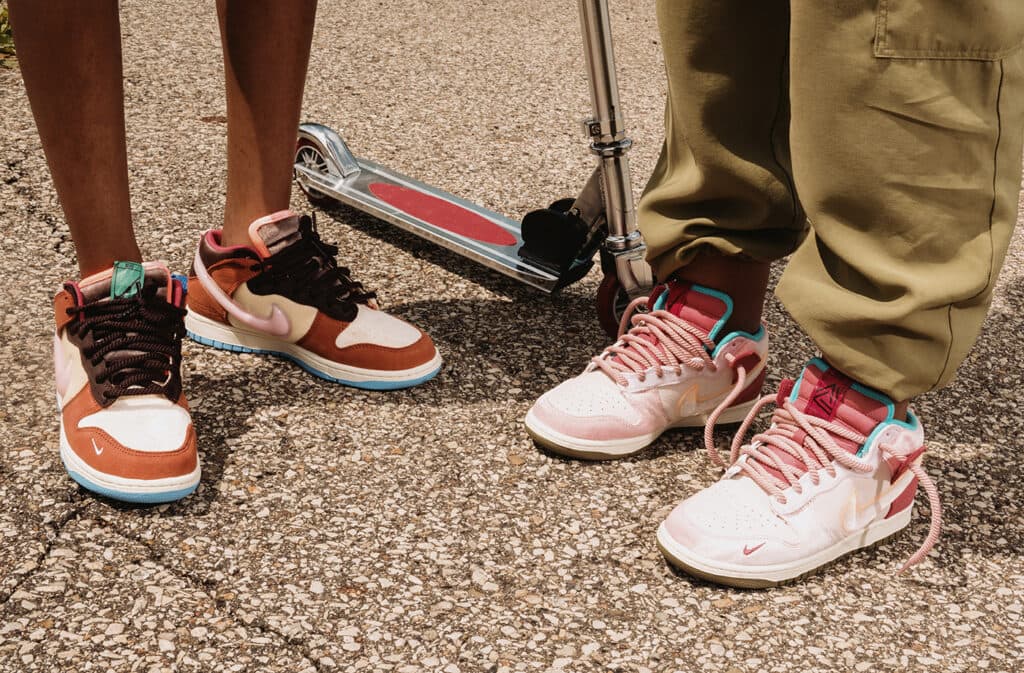
A federal jury in the U.S. District Court for the Central District of California found Nicholas Tuinenburg and his brand, Divide The Youth, liable for counterfeiting and trademark infringement over their use of Nike's Dunk trade dress. The verdict, issued March 19, 2026, delivered $11 million in damages against a defendant whose legal strategy rested on the idea that swapping out a Swoosh was enough to stay on the right side of the law. It was not.
The award included $8 million in statutory damages for direct and contributory counterfeiting arising from the defendants' use of shipping agents and Discord-based sales channels, $2 million in punitive damages for counterfeiting and infringement of Nike's Dunk word mark, and $1 million in punitive damages on the trade dress infringement claim. The jury declined to award the full $18 million Nike had sought, instead landing on $11 million in total damages.
Nike filed suit in December 2023, alleging that Tuinenburg built and operated a multi-platform counterfeit ecosystem to promote and facilitate the sale of replica Nike products, not only marketing counterfeit goods but also partnering with third-party sellers, providing purchasing guidance, and using affiliate links and discount codes to drive sales. Nike argued that Divide The Youth's "Division Dunks" copied design elements of its Dunk Low silhouette and was likely to cause confusion for consumers. The Defense pointed to a star logo on the Division Dunks in place of the Swoosh as evidence of clear distinction between the products, but the jury found that argument unconvincing.
Nike's closing argument framed Tuinenburg's conduct as willful and unrelenting. Tamar Y. Duvdevani of DLA Piper, who represented Nike at trial, told the jury: "He didn't stop promoting fakes, accepting fully paid luxury trips to Bali and to China so he could appear in more social media content promoting the sale of counterfeit goods, glorifying a luxury counterfeit influencer lifestyle." According to Bloomberg Law, Tuinenburg and Divide The Youth Manufacturing owed $8 million for infringing nine different trademarks that a U.S. District Court judge had previously held were counterfeited.
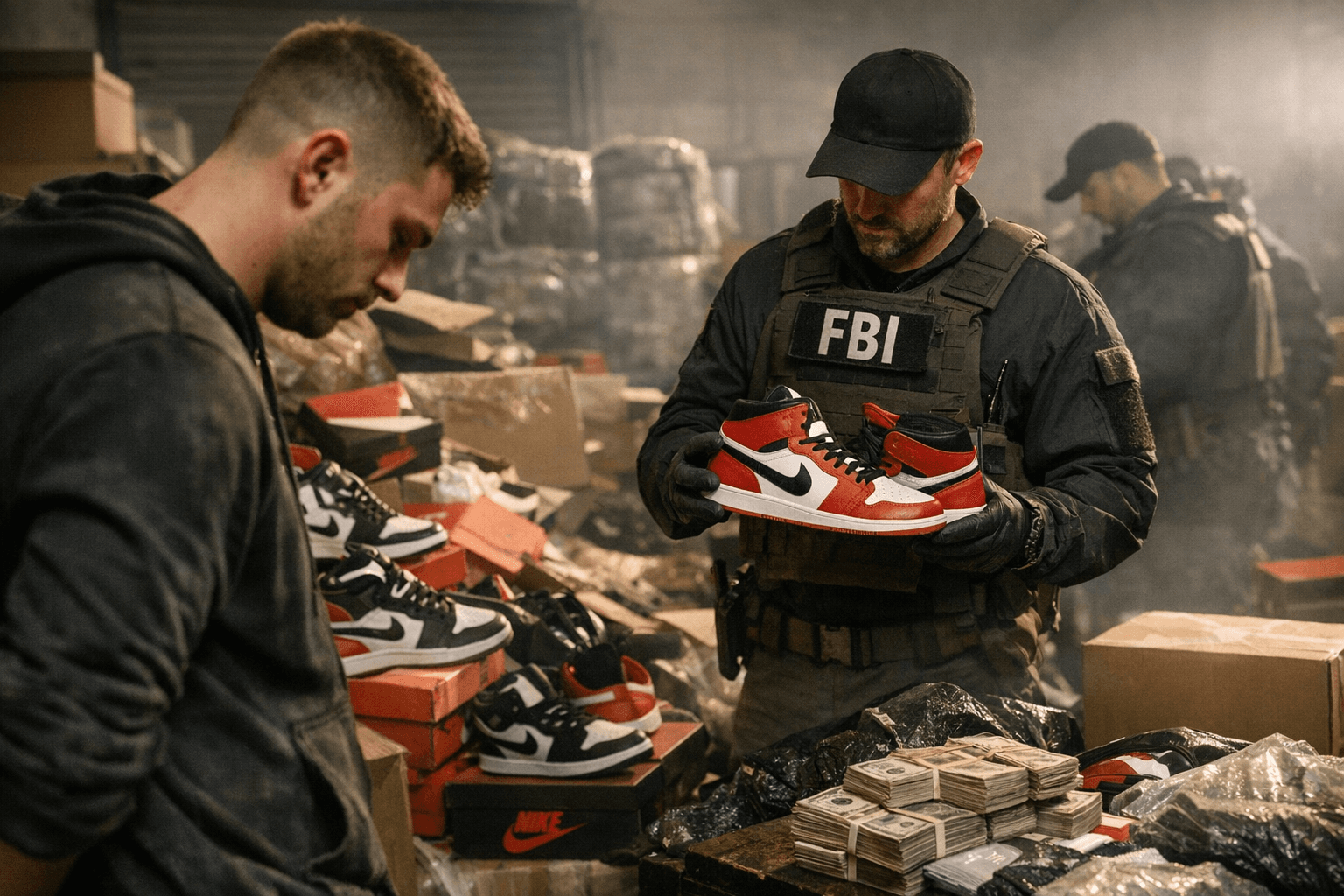
The defense sought to minimize the scope of the conduct, asserting that Tuinenburg sold just 384 pairs for roughly $56,000 in profit and challenging Nike's $18 million damages theory as unsupported by the evidence. Defense counsel Louise Jillian Paris of Omni Legal Group in Los Angeles told jurors: "That matters because Nike wants the story to sound enormous, and that DTY made millions out of this shoe, but your job is to focus on what the evidence actually proved." Despite the low sales volume, the finding of intentional misconduct triggered massive statutory damages.
The verdict carries significant weight well beyond the courtroom. As Duvdevani put it after trial, the Dunk trade dress can be infringed even "if you remove the SWOOSH." In her post-verdict news release, Duvdevani added: "The verdict is an important step in iconic brands' global fight against counterfeiting and confirms that Nike's Dunk trade dress is infringed even with third party marks replacing the Swoosh." This is precisely what the influencer-entrepreneur generation has largely failed to understand: the widespread belief that avoiding a logo keeps you legally clear, that you can reverse-engineer a popular shoe, put your own name on it, and call it inspiration, that as long as you're not selling literal counterfeits with a Swoosh on them, you're fine.
This case illustrates a pivot in brand protection: enforcement is moving away from the factory floor and into the digital influencer ecosystem. For Nike, the Dunk's silhouette, its proportions, its panel construction, its overall look and feel, is protected intellectual property regardless of whose logo appears on the heel. The $11 million verdict makes that unmistakably clear.
Know something we missed? Have a correction or additional information?
Submit a Tip