Paul Smith launches British Isles capsule, celebrating local craft and makers
Paul Smith put British craft back at the center of luxury, with six factories, East London outerwear and Dundee-woven cloth shaping the first drop.
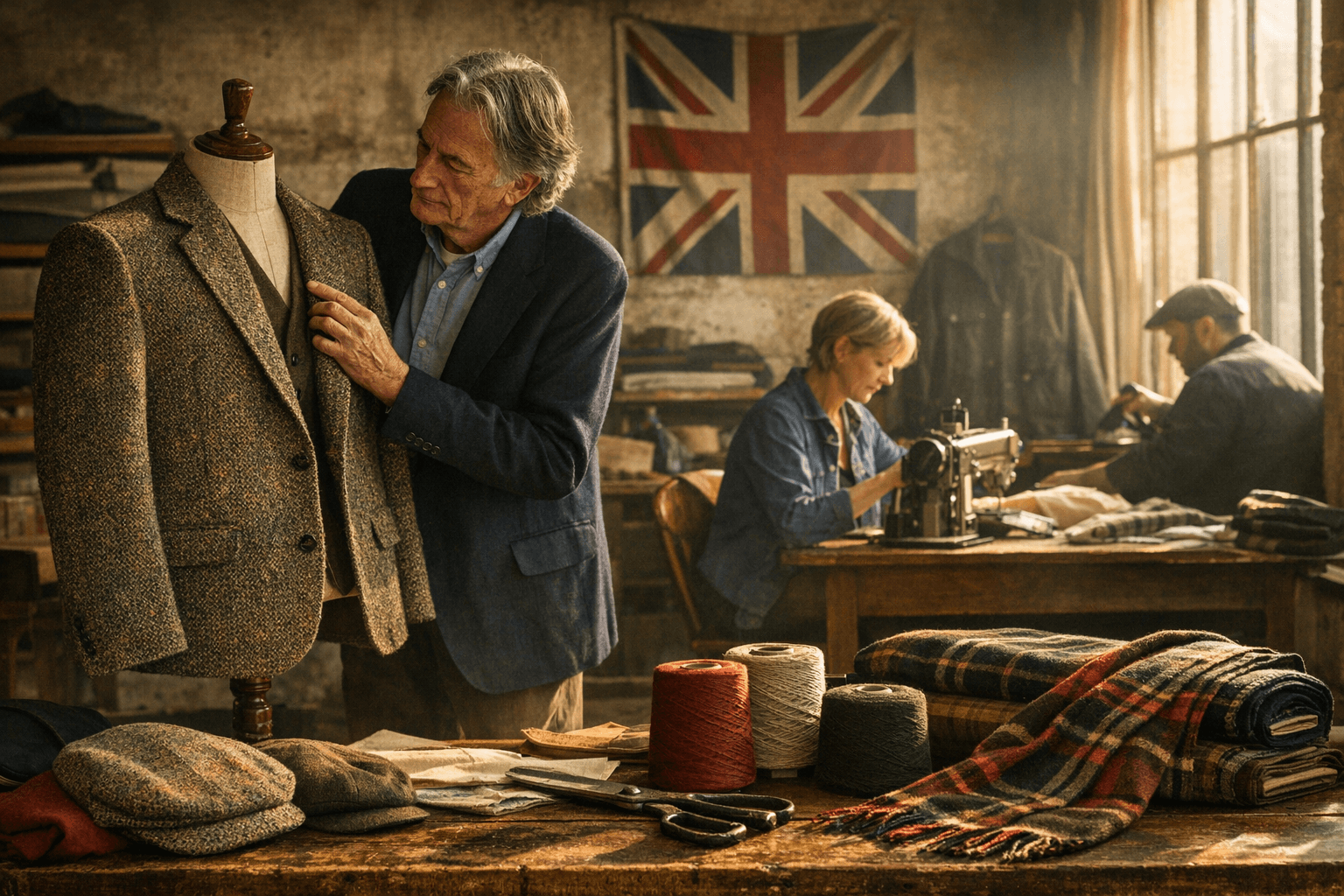
Paul Smith turned provenance into the point of the season. The first drop of its Made in British Isles capsule landed as a spring/summer release with a clear message: British manufacturing is not a footnote, it is the value proposition.
The opening edit is tightly edited and commercially shrewd. It spans outerwear, knitwear, shirting, jersey and socks, a wardrobe built around the pieces shoppers actually wear most often, not runway fantasy. Paul Smith said the capsule uses six factories and frames the project as a celebration of homegrown craft and the people behind it, which gives the collection the feel of a practical reset rather than a nostalgic exercise.
The strongest example is the outerwear. It was constructed by White Label London in Leyton, East London, from fabrics woven at Baltic Works in Dundee by Halley Stevensons, a company Paul Smith describes as one of Scotland’s oldest cloth weavers. That detail matters because it turns manufacturing into something visible and sellable. In 2026, luxury clients are not only buying cut and color, they are buying a paper trail, a sense that a coat or shirt can be traced back through British hands rather than anonymous global sourcing.
That is where the British Isles framing feels especially timely. Paul Smith is still unmistakably a British brand, but one with deep connections to Japan, Italy, the USA and France, and the capsule leans into that dual identity instead of softening it. The message is not isolationist; it is selective. The brand is saying that international reach and local making can coexist, and that shorter supply chains, specialist factories and regional craft are now part of the style story.
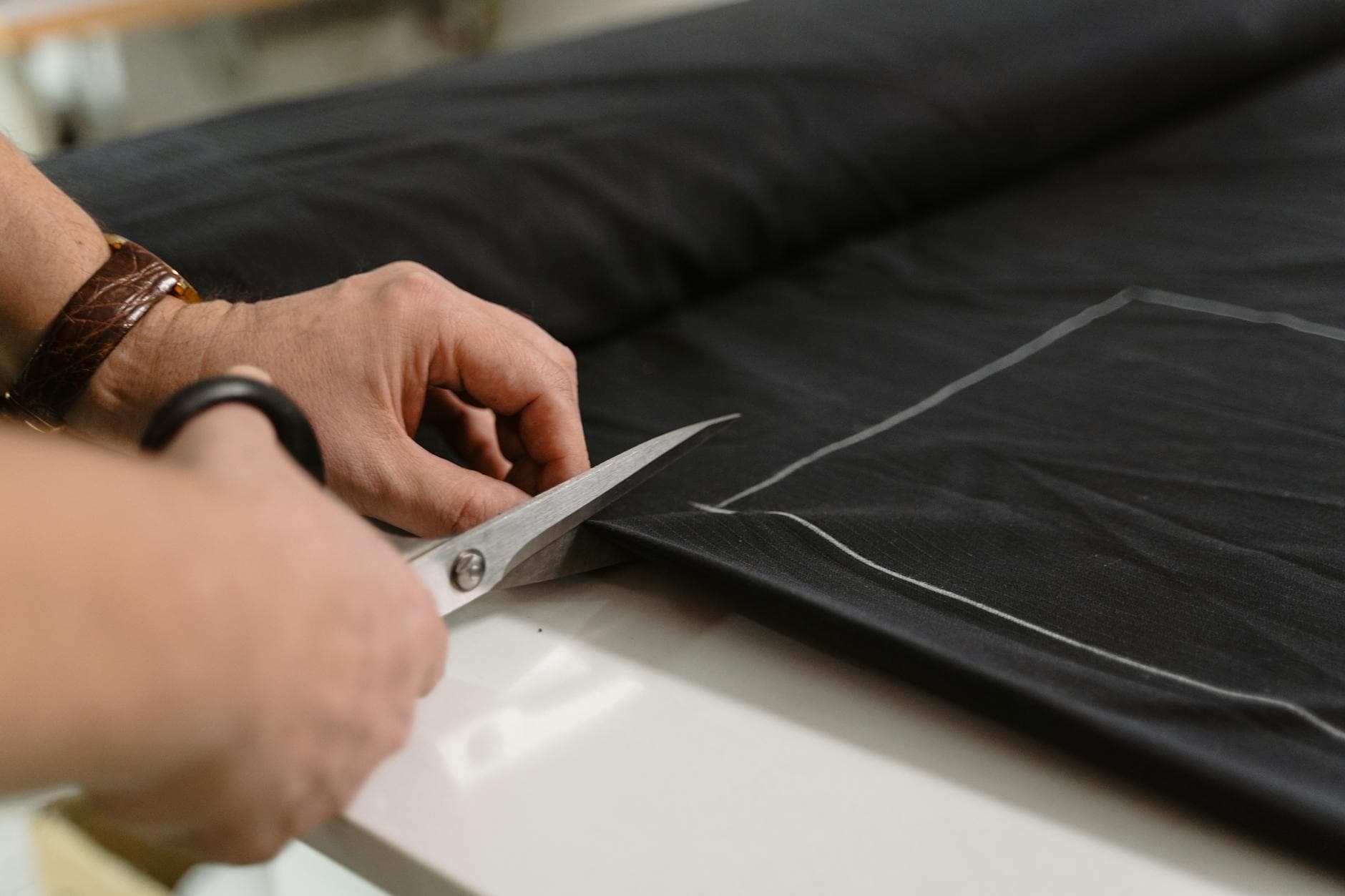
The first drop also suggests where this idea is heading. Paul Smith said future releases will expand into womenswear, which broadens the project from a capsule into a larger commercial platform. That makes the British Isles label more than a seasonal gesture. It becomes a language for the house, one that links shirting, socks and tailoring-adjacent outerwear to a recognizable idea of British workmanship.
For shoppers, the appeal is straightforward. Made in Britain once implied heritage alone; now it signals process, proximity and discernment. Paul Smith has made the case that the new luxury is not just what a piece looks like, but where it was made, who made it and how little distance there was between the two.
This article was produced by Prism’s automated news system from verified source data, official records, and press releases, then run through automated quality and moderation checks before publishing. The system is built and supervised by the people who set the standards it runs under. Read our full AI policy.
Did this article answer your question?


